Compare fractions Grade 2 Worksheets
5 filtered results
-
From - To
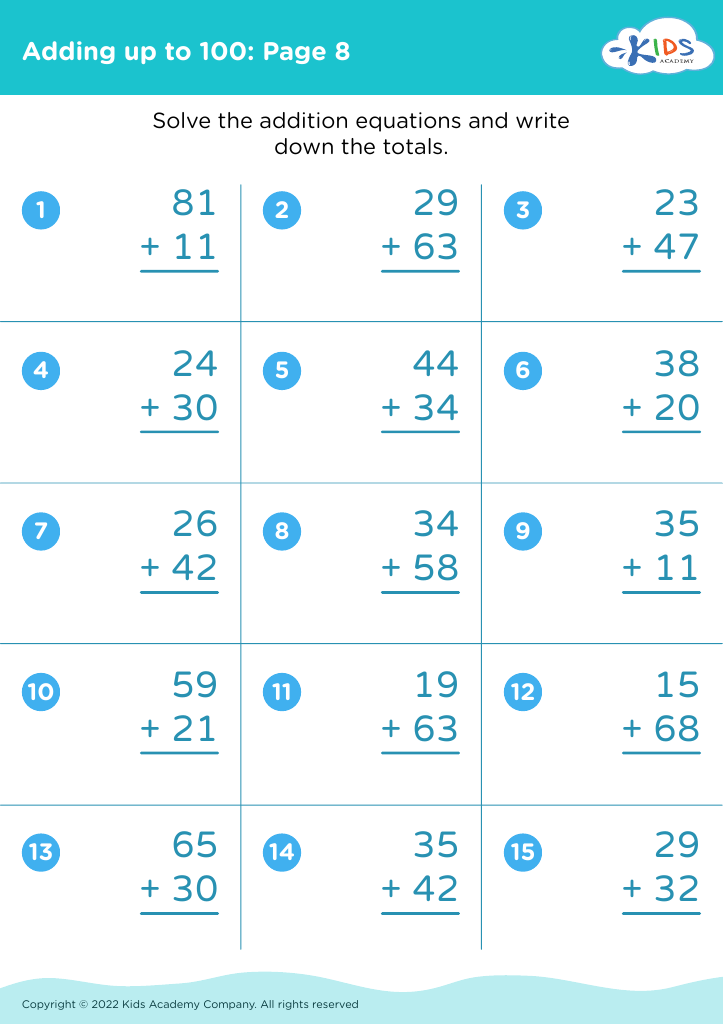
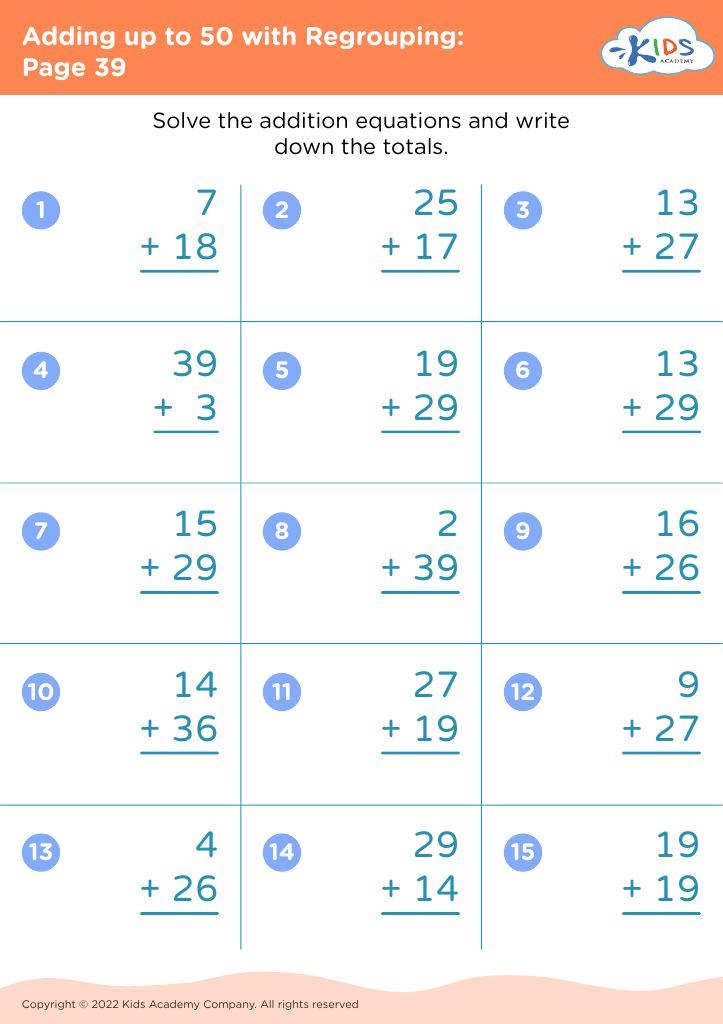
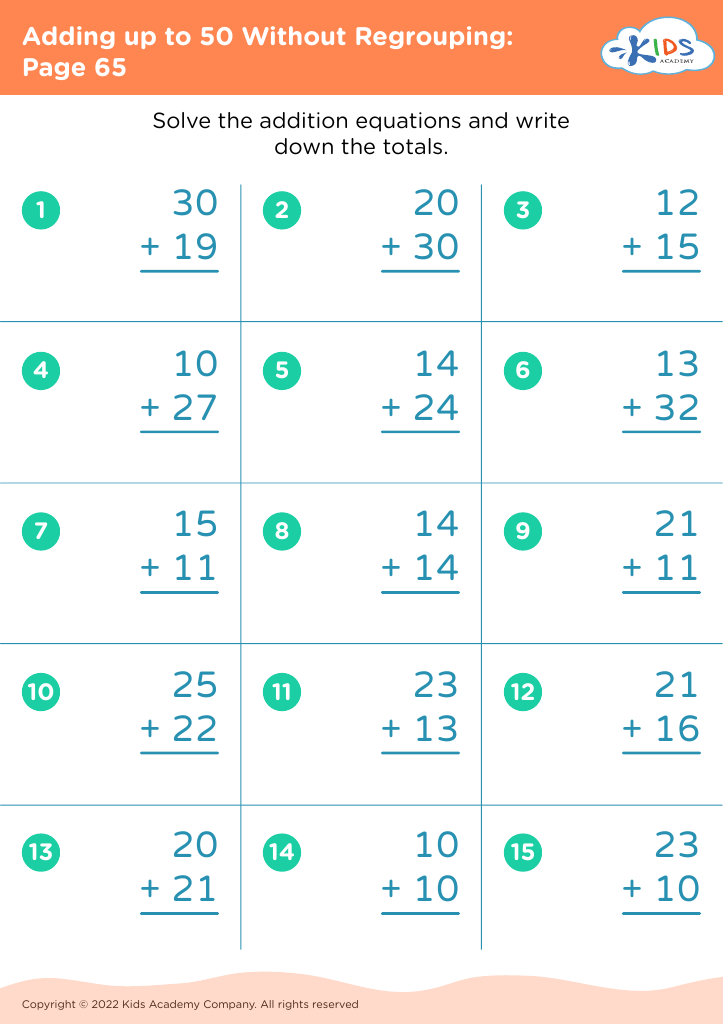
Welcome to our Grade 2 Fractions Comparison Worksheets! Designed for young learners, these engaging printables will help students develop their skills in comparing fractions. Each worksheet encourages critical thinking as students learn to identify which fractions are greater, less than, or equal to one another. With a variety of fun exercises, including visual aids and colorful illustrations, children will enjoy mastering this essential math concept. Perfect for classroom use or at-home practice, our worksheets are tailored to meet the needs of second graders. Discover the joy of learning fractions today—download our Compare Fractions worksheets to enhance your child's understanding!







Understanding how to compare fractions is essential for second graders as it lays the groundwork for their mathematical knowledge. Parents and teachers should care about this concept because it promotes critical thinking and problem-solving skills. By learning to compare fractions, students develop a better understanding of whole numbers and relative values, helping them apply these skills in everyday situations, such as cooking or sharing items.
Learning to compare fractions also plays a vital role in building confidence and mathematical fluency. When students grasp this concept, they feel empowered to tackle more complex math problems in the future. Furthermore, fractions appear in various subjects, and mastering them at an early age can enhance a child's overall academic performance.
Additionally, parental support at home, such as engaging in fraction-related activities during routine tasks, reinforces their learning. Teachers can integrate fraction comparisons into interactive games, making the learning experience fun and memorable. By prioritizing fractions in early education, both parents and teachers help instill a foundational skill set that encourages a lifelong appreciation of mathematics, paving the way for future studies in geometry, measurement, and beyond. Overall, caring about this topic ensures students become proficient in math as they advance in their education.