Developing logical thinking Grade 2 Worksheets
6 filtered results
-
From - To
Enhance your child's logical thinking skills with our specially designed Grade 2 worksheets at Kids Academy. These engaging and educational worksheets are perfect for developing critical problem-solving abilities in young learners. Each worksheet focuses on essential logical concepts and features fun, age-appropriate exercises that encourage children to think analytically and make connections. With vibrant illustrations and diverse activities, our resources help kids build a strong foundation in reasoning and logic, preparing them for advanced learning. Foster your child's love for logic and watch their confidence grow with our expertly crafted Grade 2 logical thinking worksheets.
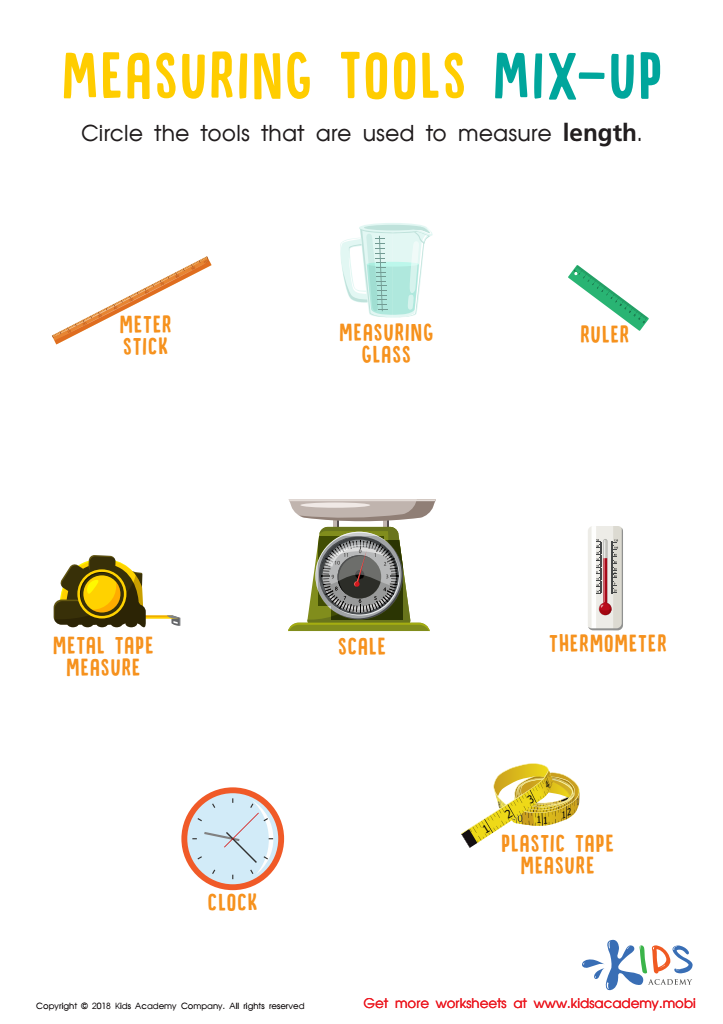
Measuring Tools Mix–up Worksheet
 Assign to My Students
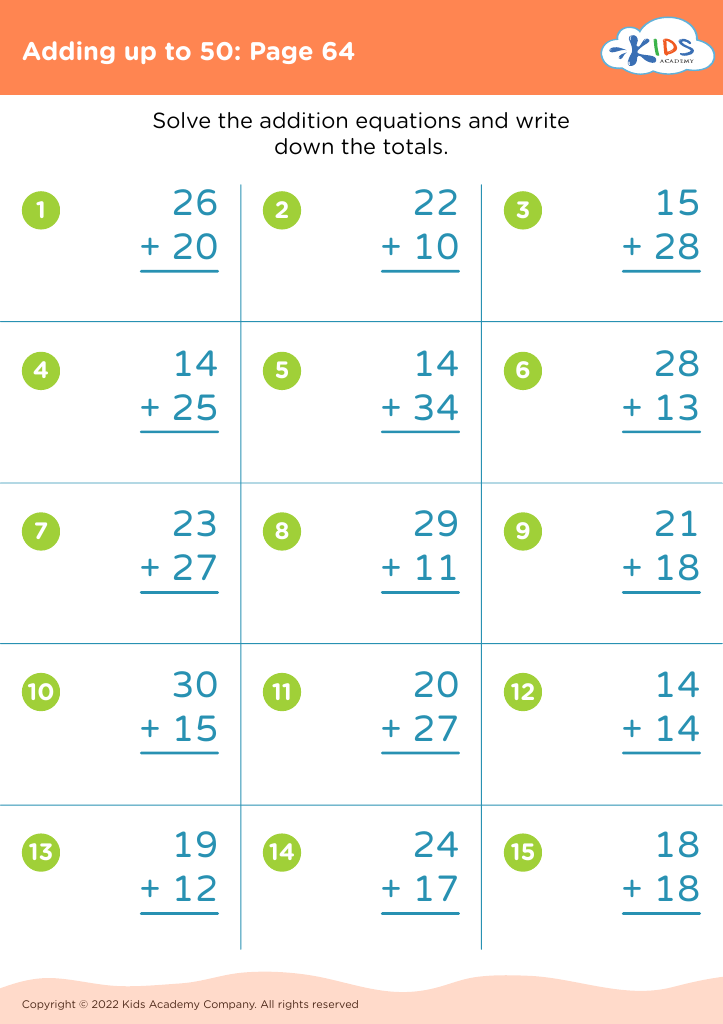
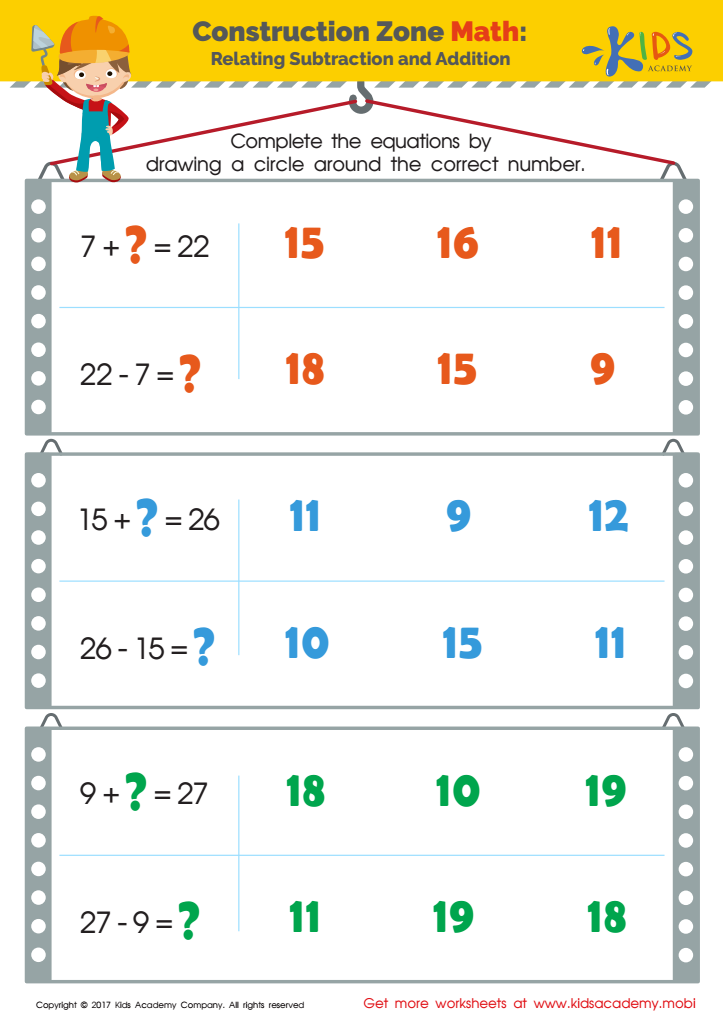
Related Addition and Subtraction Facts Worksheet
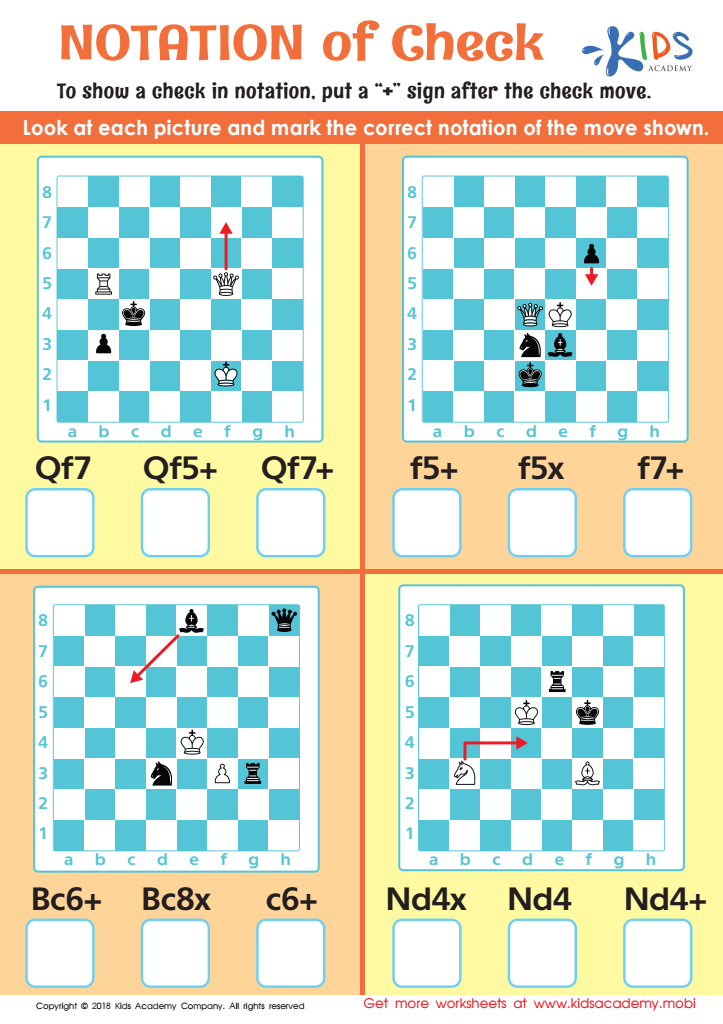
Notation of Check Worksheet







Developing logical thinking in Grade 2 is crucial because it lays a strong foundation for future learning and problem-solving skills. At this age, children are naturally curious and developing cognitive skills at a rapid pace. Logical thinking helps them make sense of the world, understand relationships between cause and effect, and reason systematically.
For parents and teachers, nurturing this skill means preparing children for more advanced subjects like math and science, where logical reasoning is essential. Children who develop strong logical thinking skills early are better equipped to approach problems methodically, which boosts their confidence and independence in learning.
Moreover, logical thinking fosters critical life skills, such as decision-making and the ability to assess situations from different angles. This form of thinking enhances their language and reading comprehension, as understanding stories and instructions often requires one to identify sequences and make connections.
Teachers can encourage logical thinking by involving students in activities like puzzles, games, and problem-solving tasks, while parents can support this through everyday questions that provoke thought and discussion, such as asking why or how something happens. Investing time and effort into developing these skills now will pay significant dividends in the children’s academic and personal lives later on.