Fraction Addition Grade 2 Worksheets
15 filtered results
Difficulty Level
Grade
Age
-
From - To
Subject
Activity
Standards
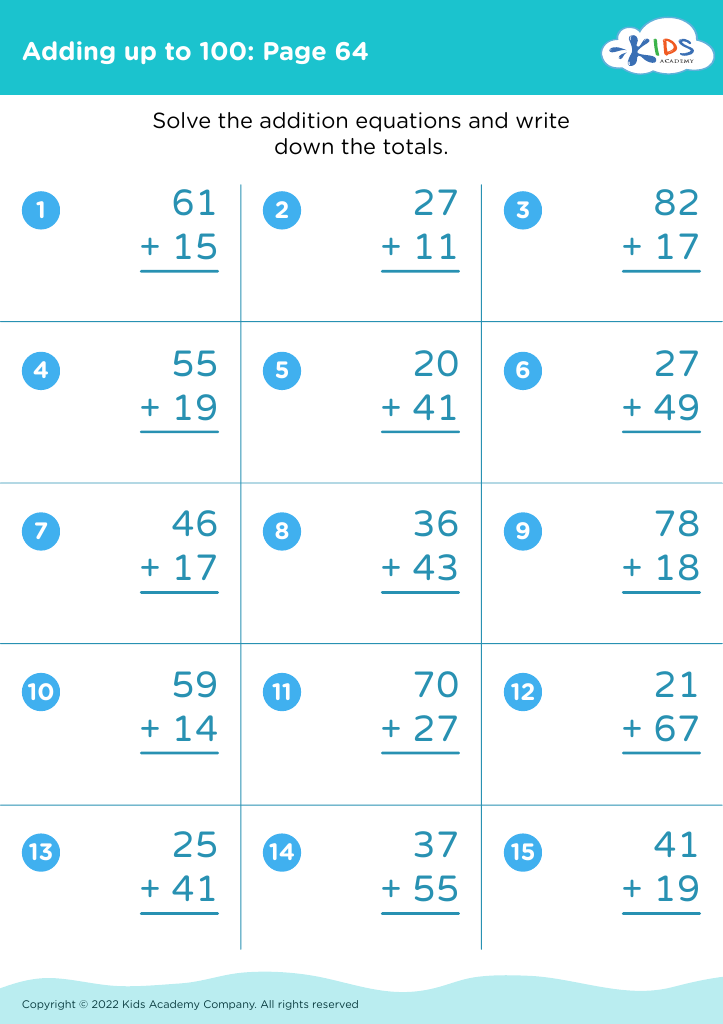
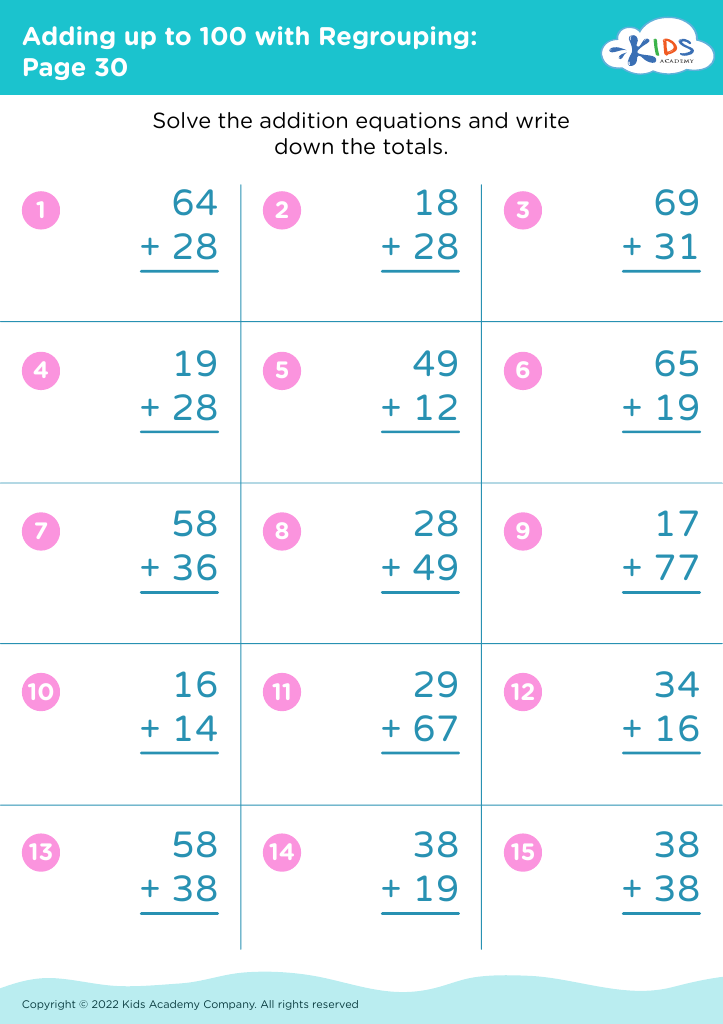
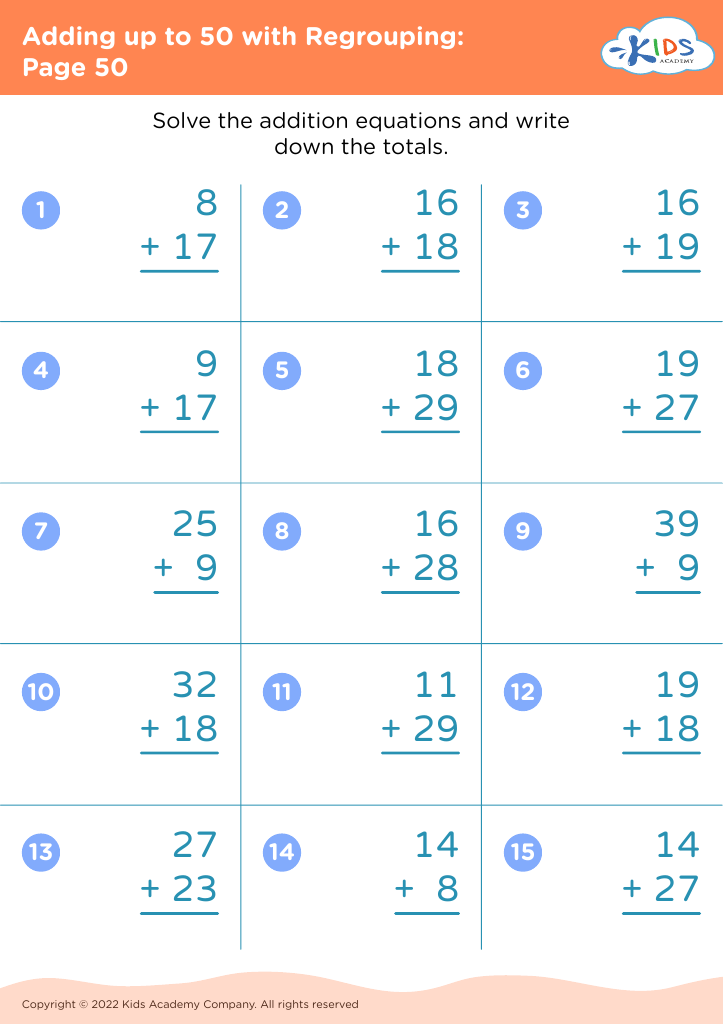
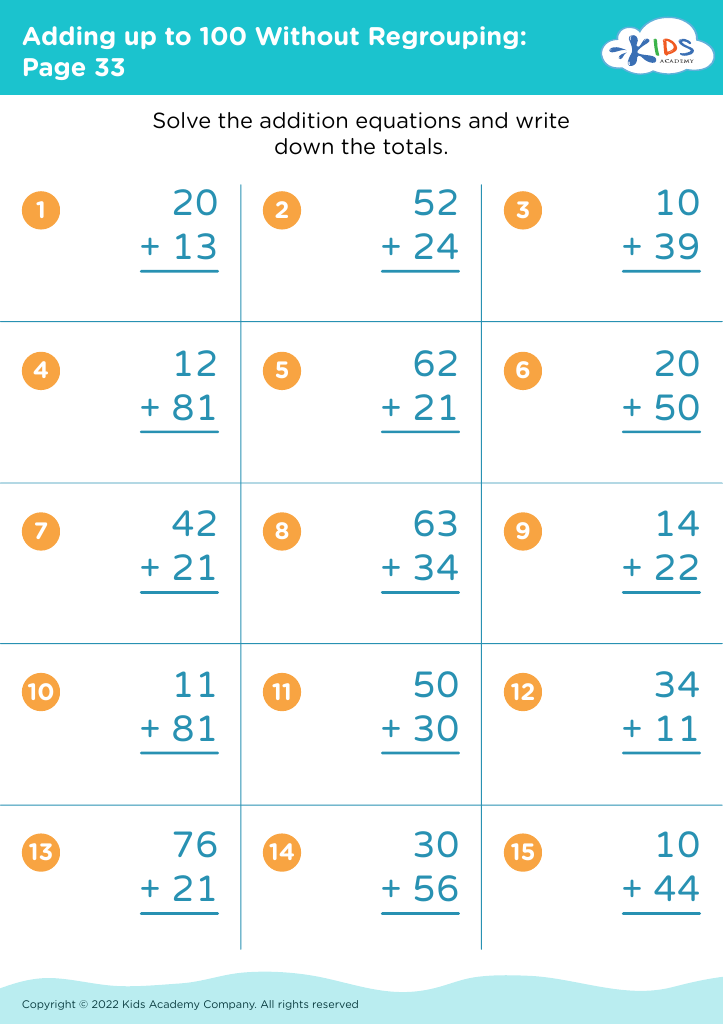
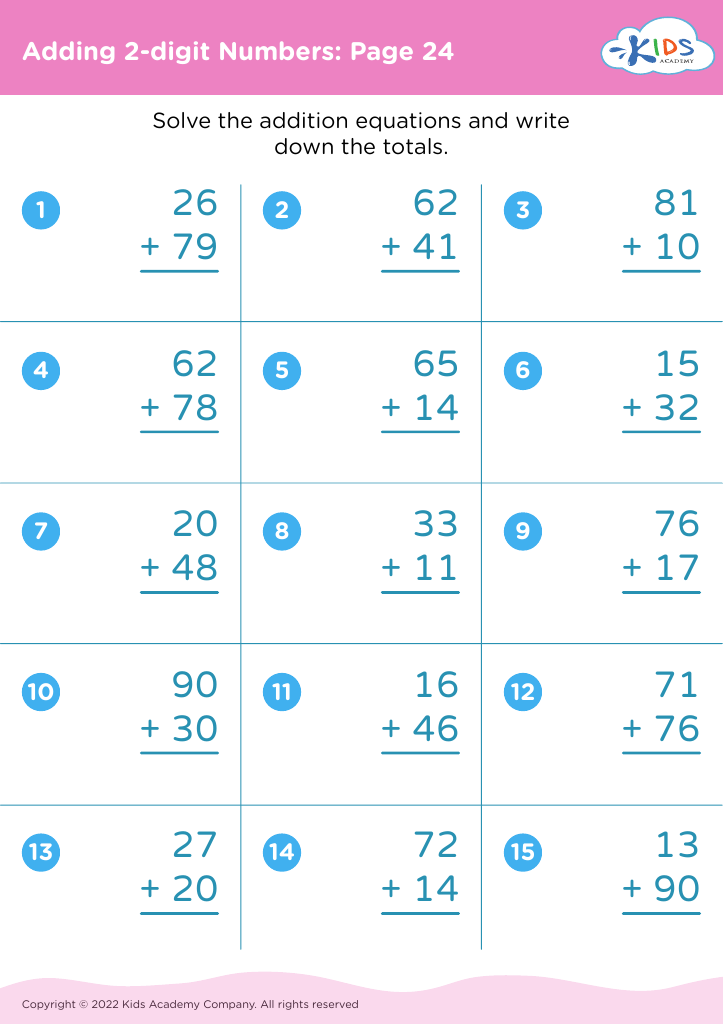
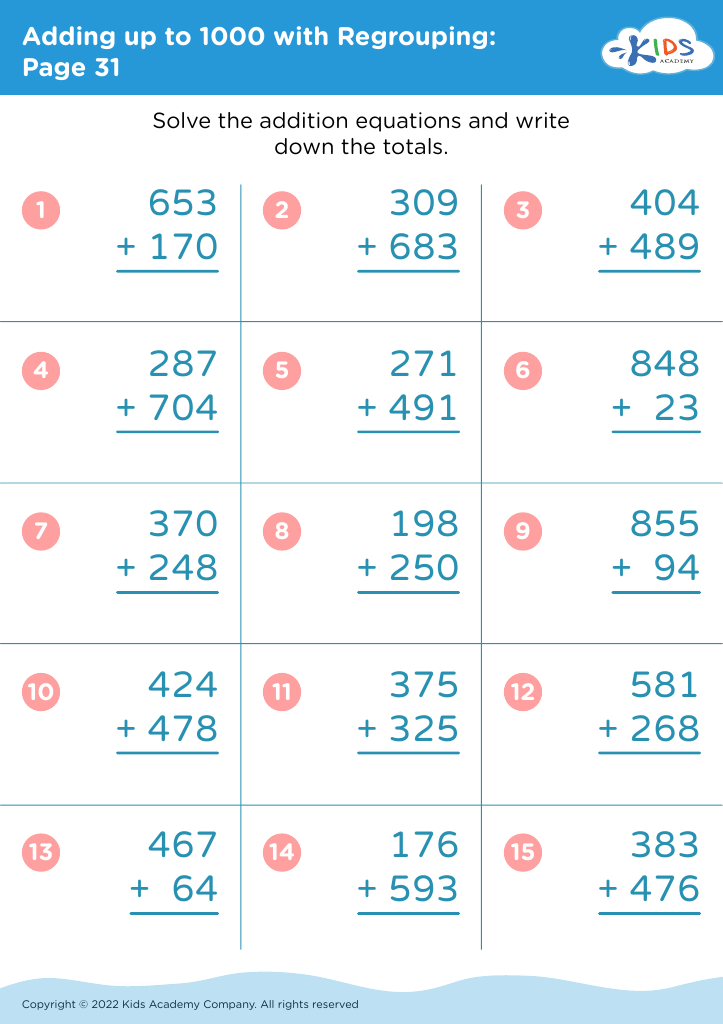
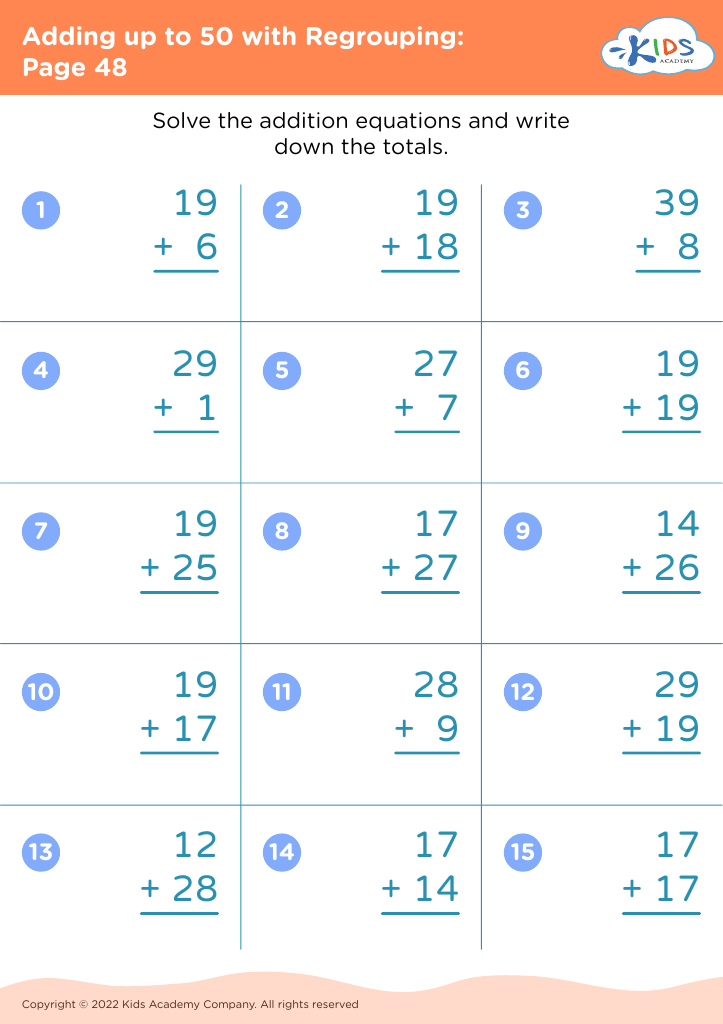
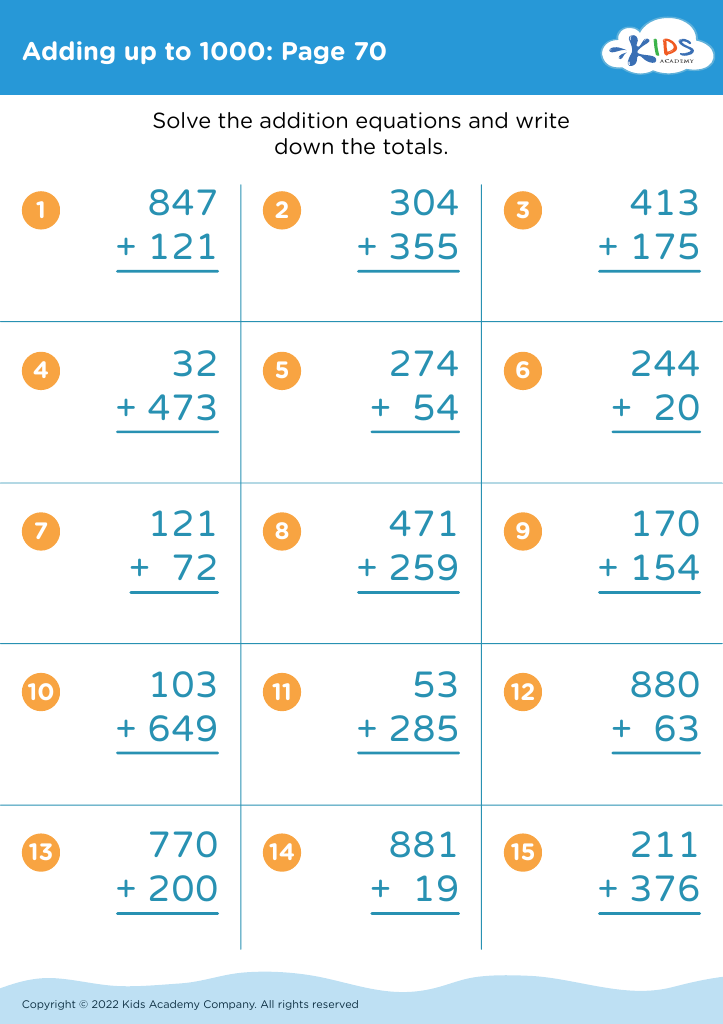
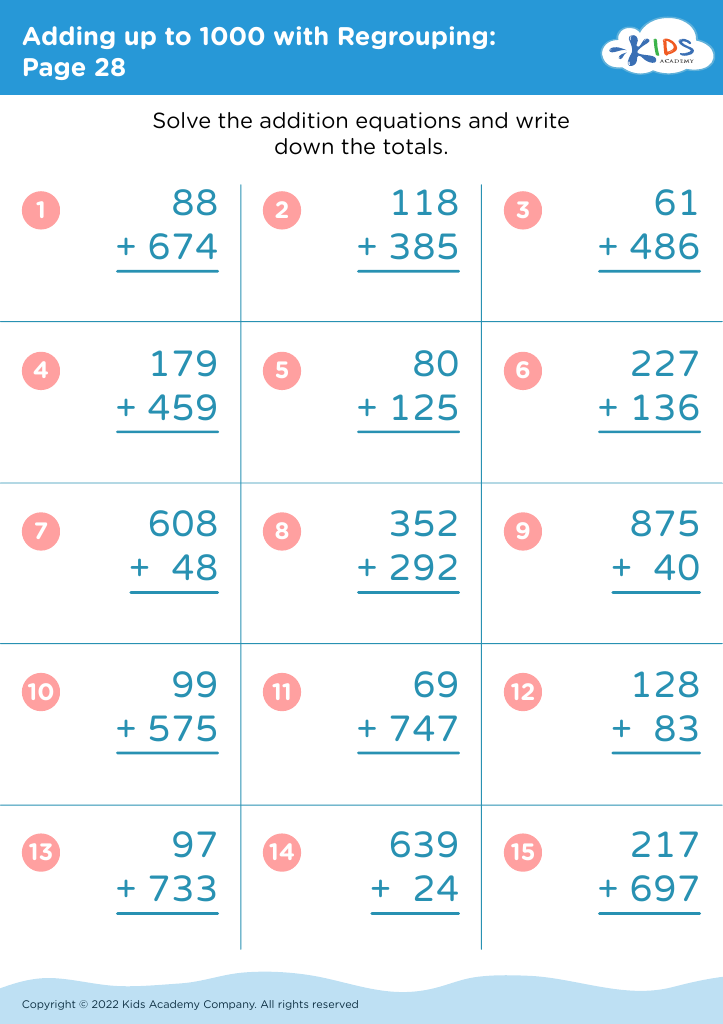
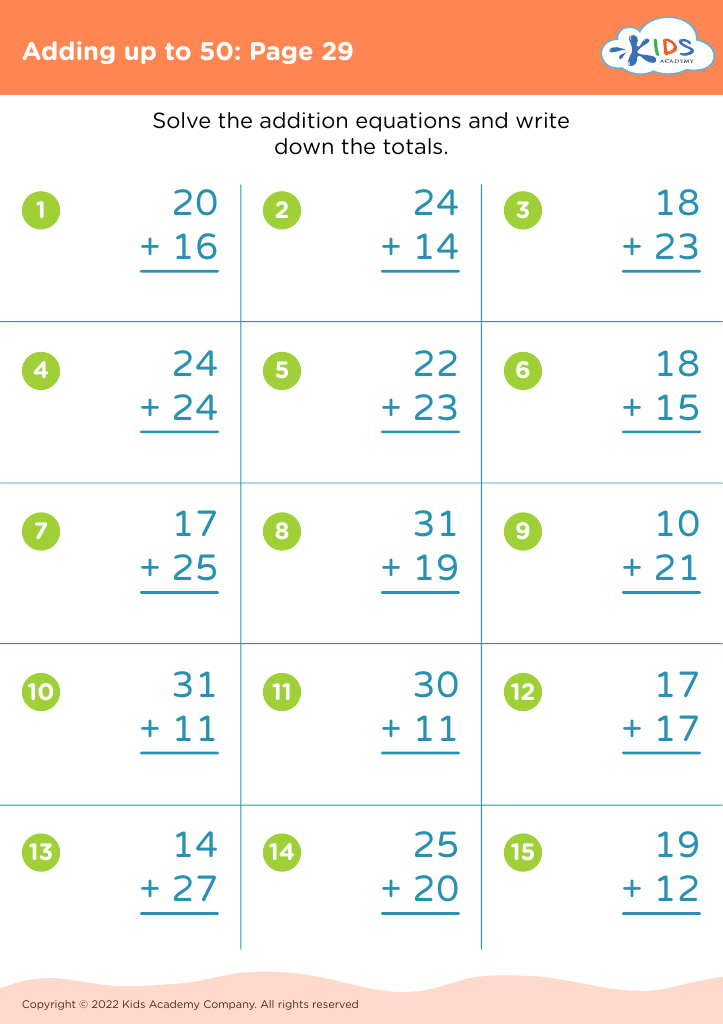
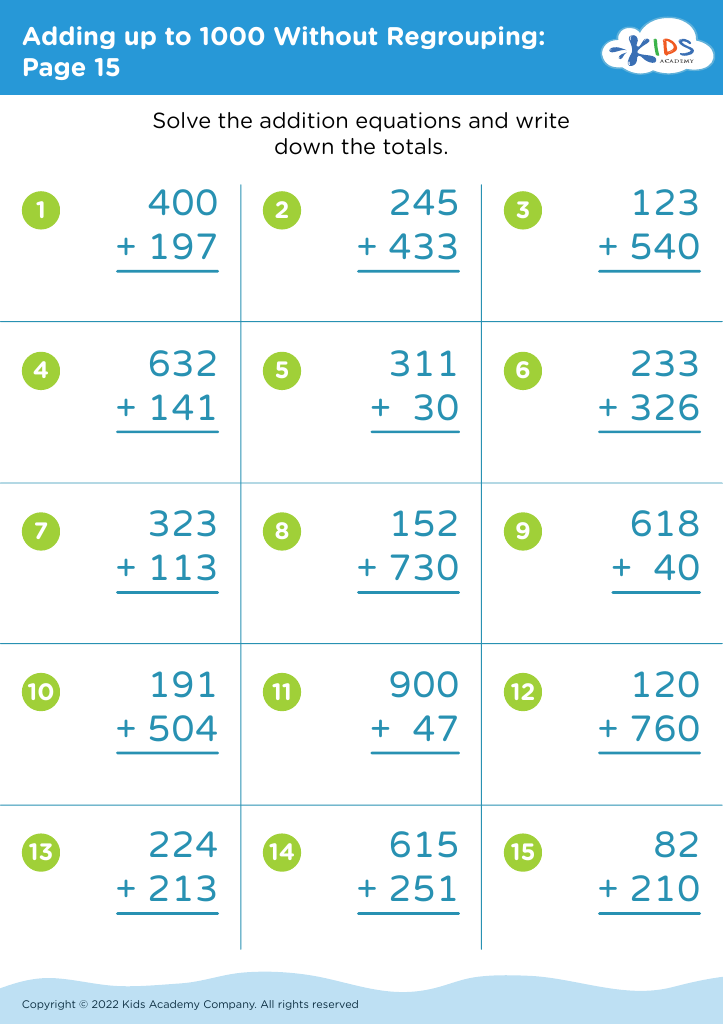
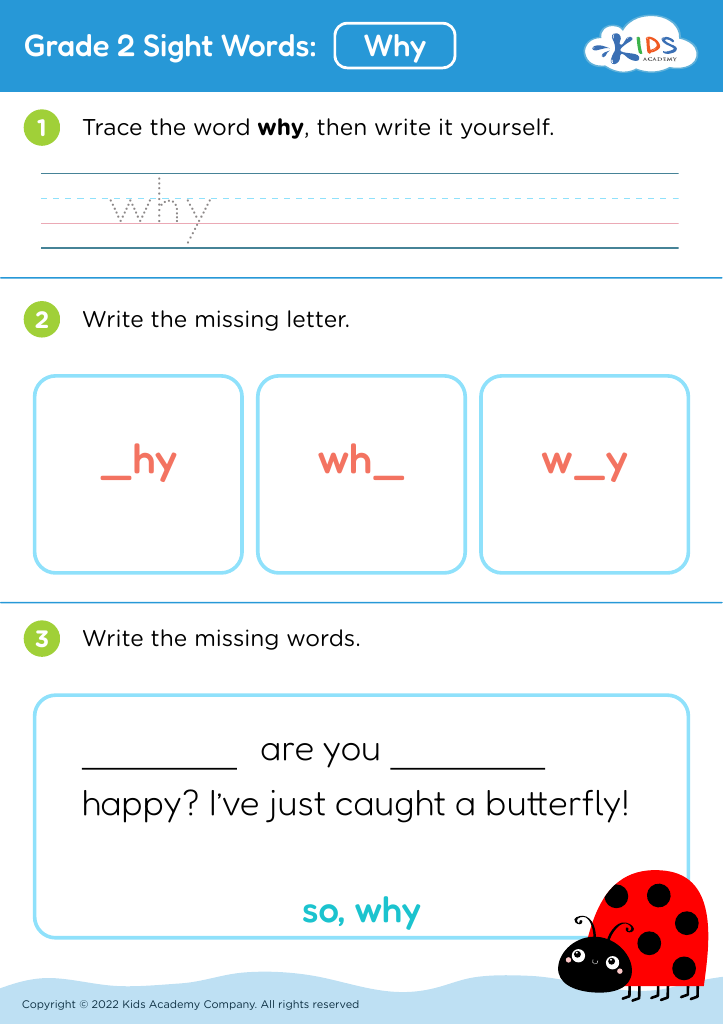
Enhance your second grader's math skills with our engaging "Fraction Addition Grade 2 Worksheets." Designed to build a strong foundation in fractions, these worksheets offer a variety of exercises that make learning both fun and effective. Students will explore concepts of adding fractions with like denominators through colorful visuals and relatable examples. Our user-friendly format empowers young learners to practice independently, while also supporting classroom learning. Perfect for home use or supplementary classroom activities, these worksheets are crafted to foster confidence and comprehension in mathematics. Dive into the world of fractions and watch your child's math abilities flourish!
Favorites
With answer key
Interactive
Join Kids Academy for Free
Who is primarily going to use this learning content?








Understanding fraction addition is essential for second graders as it lays the groundwork for more complex mathematical concepts. At this stage, children begin to grasp the basics of shapes, measurements, and simple fractions. Teaching fractions in a relatable way can make these abstract concepts concrete. For parents and teachers, fostering a strong foundation in fraction addition promotes critical thinking and problem-solving skills.
Moreover, recognizing fractions in everyday contexts helps children see their relevance. For instance, sharing a pizza or measuring ingredients for a recipe can make fractions more relatable. When students confidently add fractions, they gain a sense of accomplishment, enhancing their overall math self-efficacy.
Additionally, early mastery of fraction addition contributes to smoother transitions into third-grade math, where these concepts become more complex. Teachers can use engaging methods, like visual aids and hands-on activities, to make learning fun, while parents can reinforce these lessons at home through engaging games and real-life applications. By prioritizing fraction addition, parents and educators ensure that children build a strong mathematical foundation, nurturing both their academic skills and a lasting interest in learning. This collaborative effort is vital for fostering a love of mathematics early on.