Recognizing numbers Grade 2 Worksheets
5 filtered results
-
From - To
Welcome to our Grade 2 Recognizing Numbers Worksheets page! Designed to enhance numerical comprehension, these interactive worksheets help young learners master number recognition through engaging and fun activities. Your child will explore various exercises that reinforce their ability to identify, compare, and work with numbers in different formats. From identifying digits to understanding higher numbers and simple number patterns, these resources cultivate foundational math skills essential for academic success. Perfect for use at home or in the classroom, our printable worksheets foster confidence in young mathematicians while making learning enjoyable. Let’s embark on this exciting number journey together!
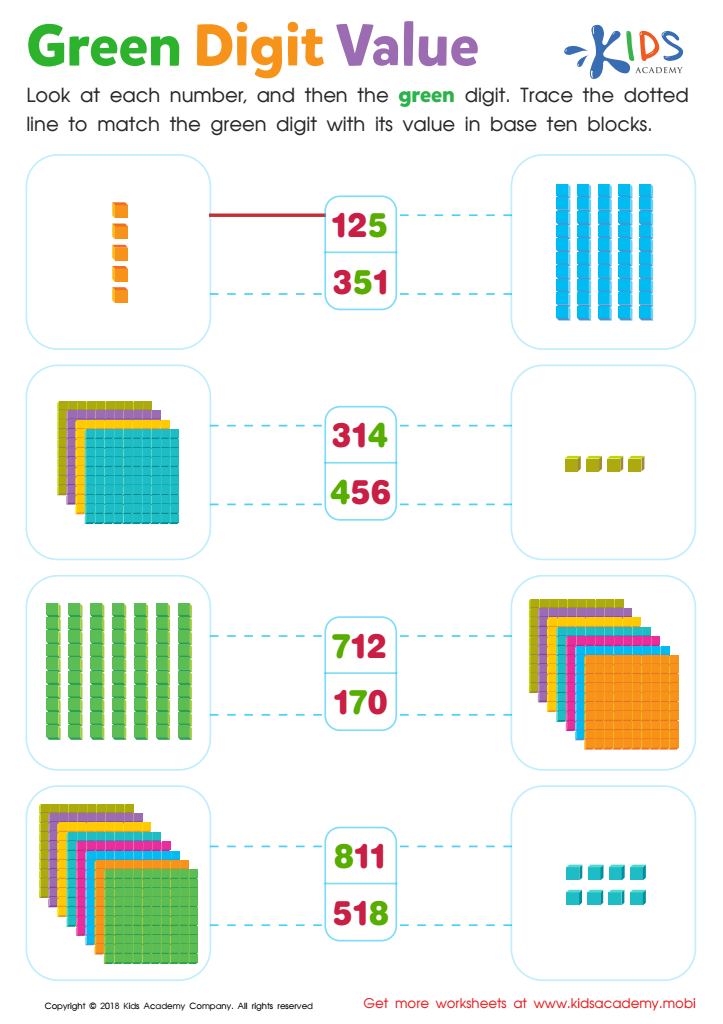
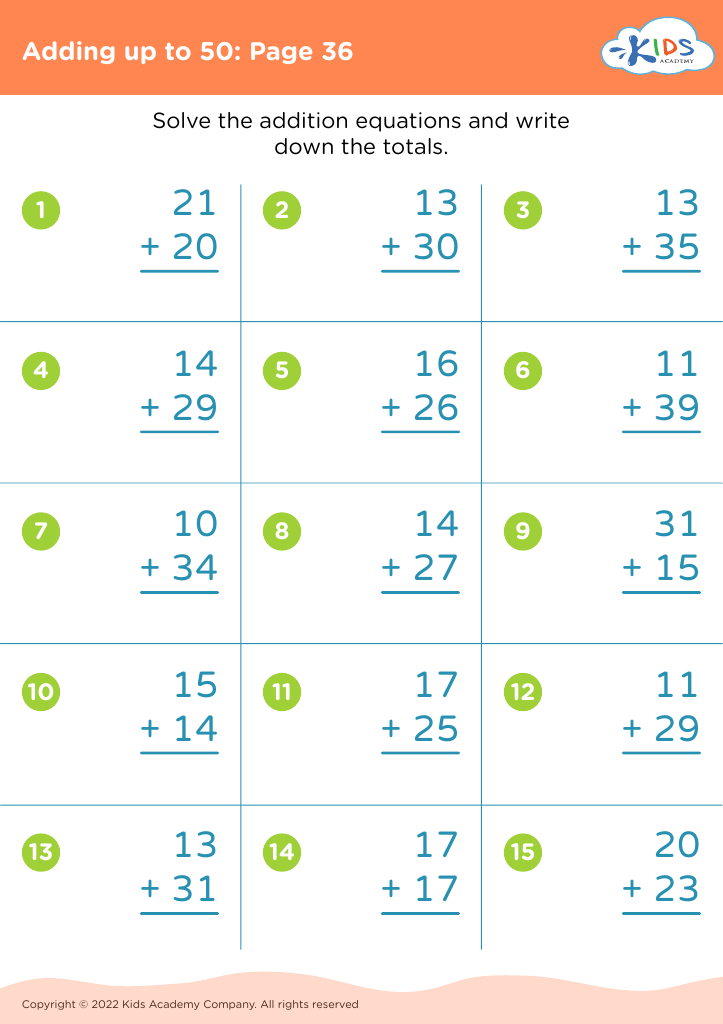
Green Digit Value Worksheet
 Assign to My Students
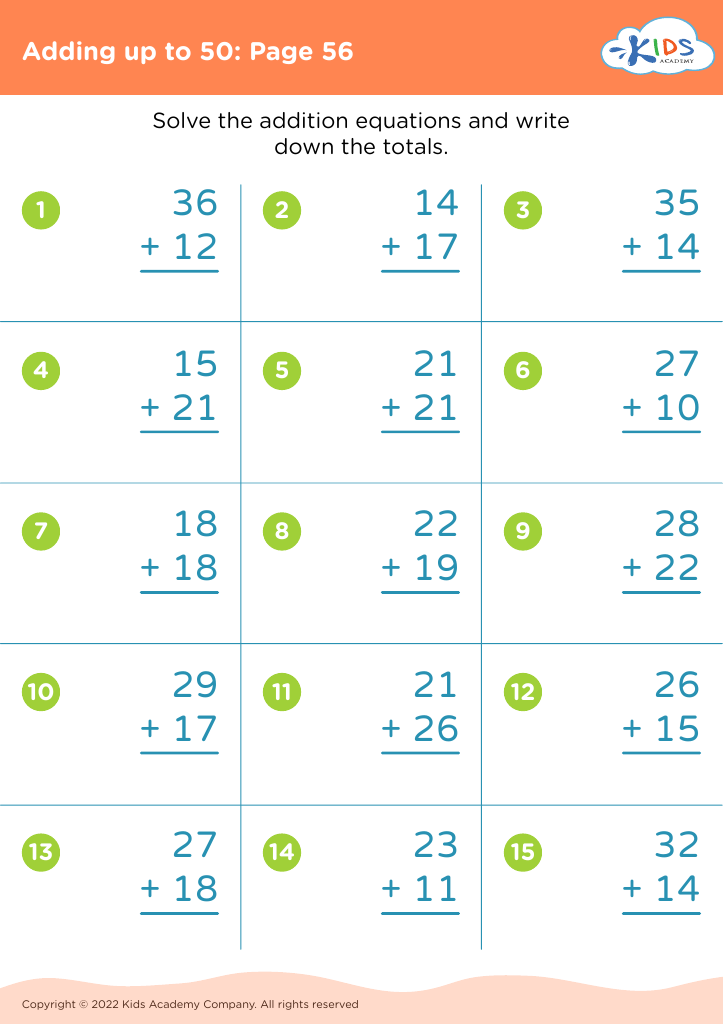
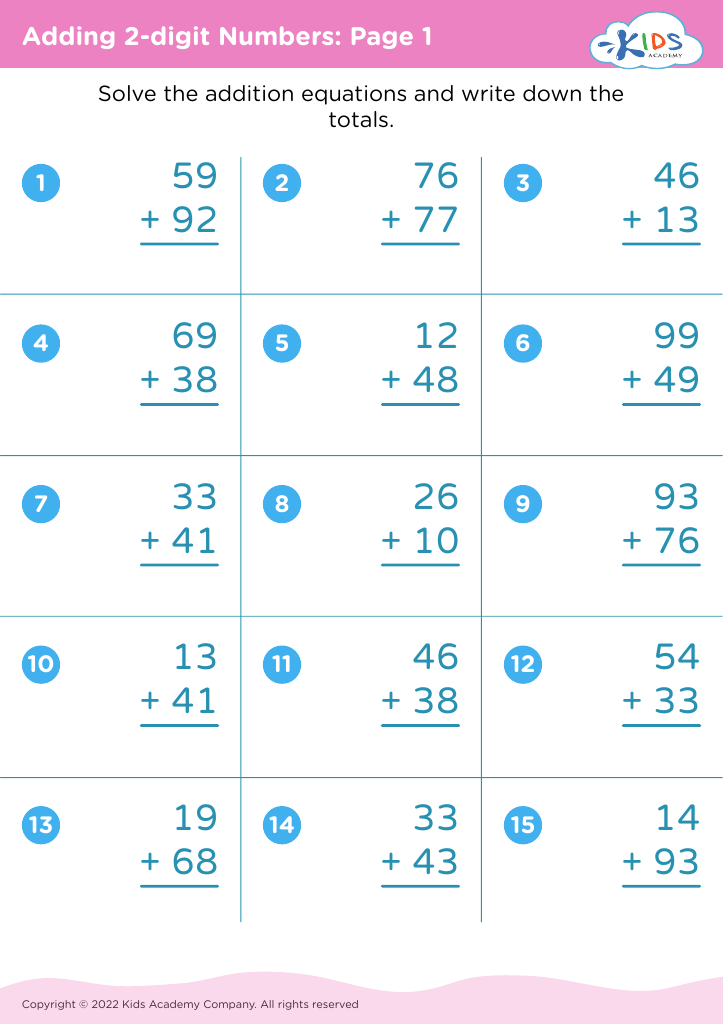
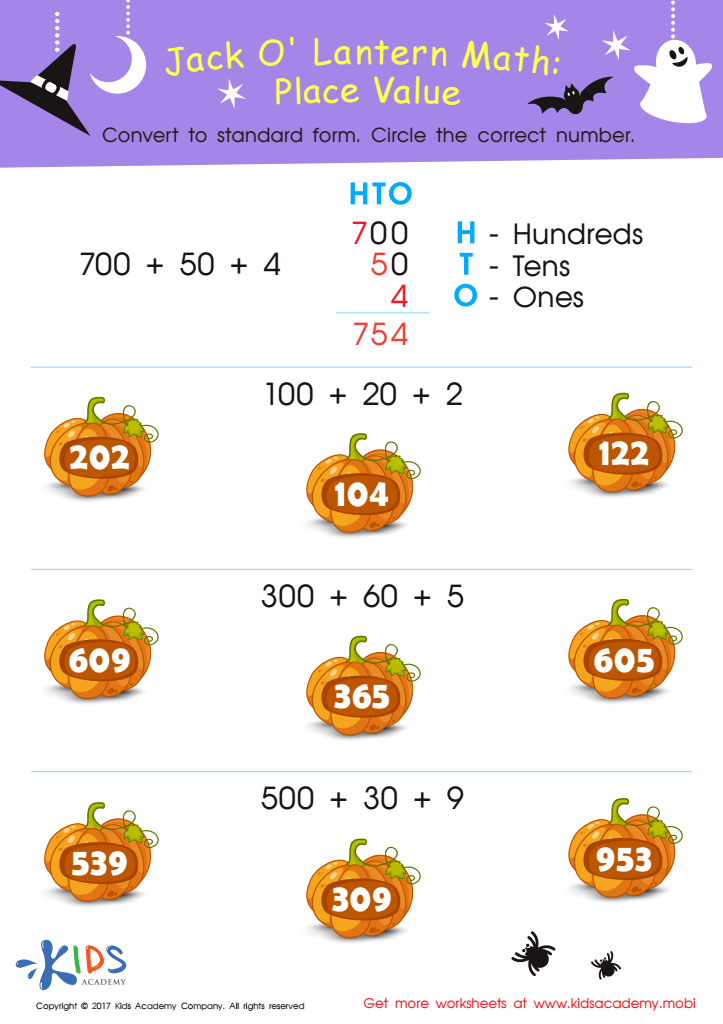
Free Place Value Worksheet







Recognizing numbers in Grade 2 is a foundational skill that significantly impacts a child's future academic success and daily life. At this stage, students deepen their understanding of numbers and begin developing essential mathematical concepts, such as addition, subtraction, and place value. Mastery of number recognition fosters confidence, allowing children to engage more willingly in class activities and discussions, enhancing their overall learning experience.
Parents and teachers play a crucial role in reinforcing number recognition. By incorporating fun, interactive activities, such as number games, counting exercises, or using visual aids, adults can make learning a positive experience, sparking curiosity and a love for math. Additionally, recognizing numbers aids in daily routines, such as telling time, handling money, and understanding measurements, equipping children with skills necessary for real-life situations.
Promoting number recognition also encourages problem-solving abilities and logical thinking, crucial components of a child’s cognitive development. When adults prioritize this skill, they lay the groundwork for more advanced mathematical concepts encountered in later grades. Ultimately, fostering number recognition in Grade 2 contributes positively to a child’s emotional, academic, and practical growth, enhancing their readiness for future challenges in math and beyond.