Understanding sequence Grade 2 Worksheets
5 filtered results
-
From - To
Discover our engaging "Understanding Sequence Grade 2 Worksheets" designed to help students grasp the fundamentals of sequencing in stories and events. These worksheets encourage young learners to identify and arrange items or actions in the correct order, enhancing their comprehension and critical thinking skills. With a variety of fun exercises, including picture sequencing and sentence arrangement, students will gain confidence in their abilities to analyze and organize information. Perfect for classroom use or at-home practice, our worksheets make learning enjoyable while aligning with Grade 2 curriculum standards. Explore our collection and aid your child's educational journey today!
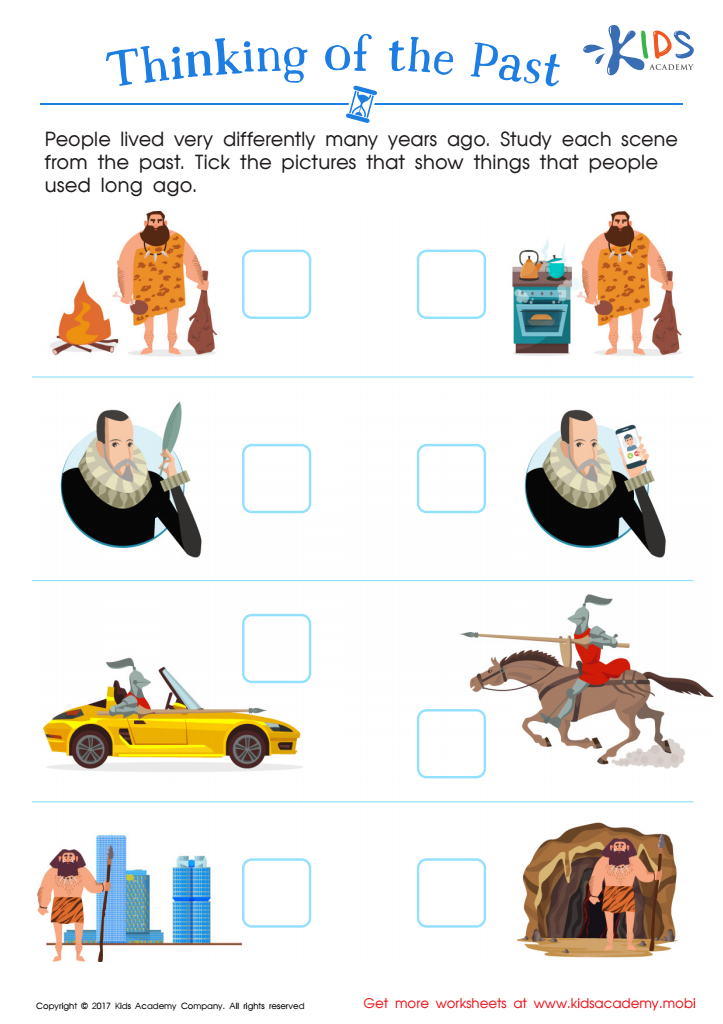
Thinking Past Printable
 Assign to My Students
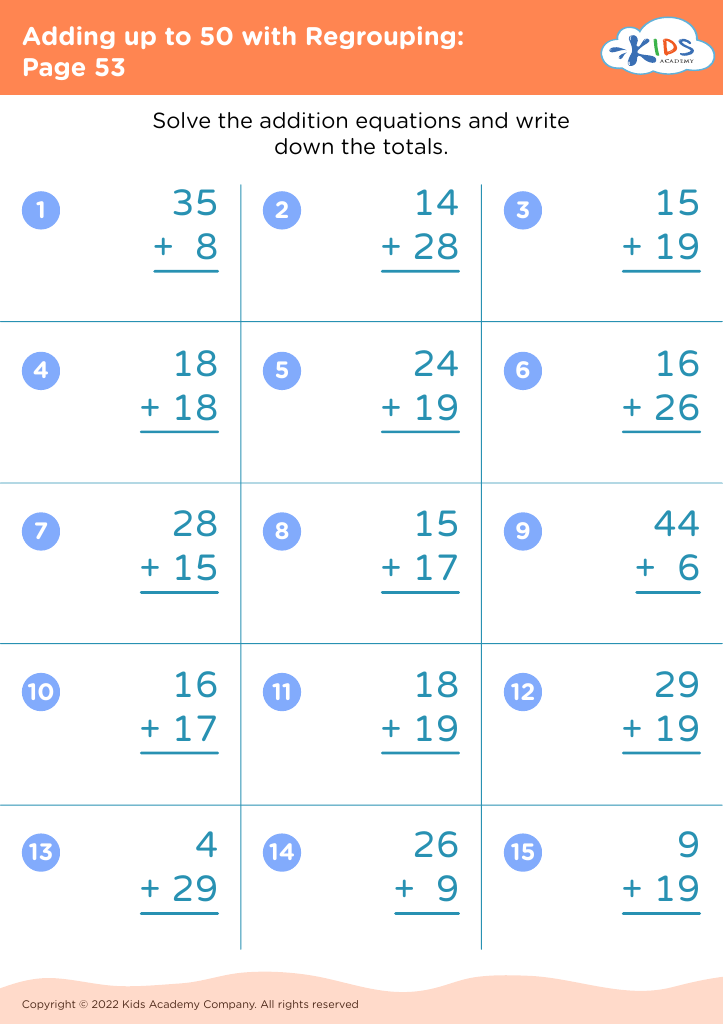
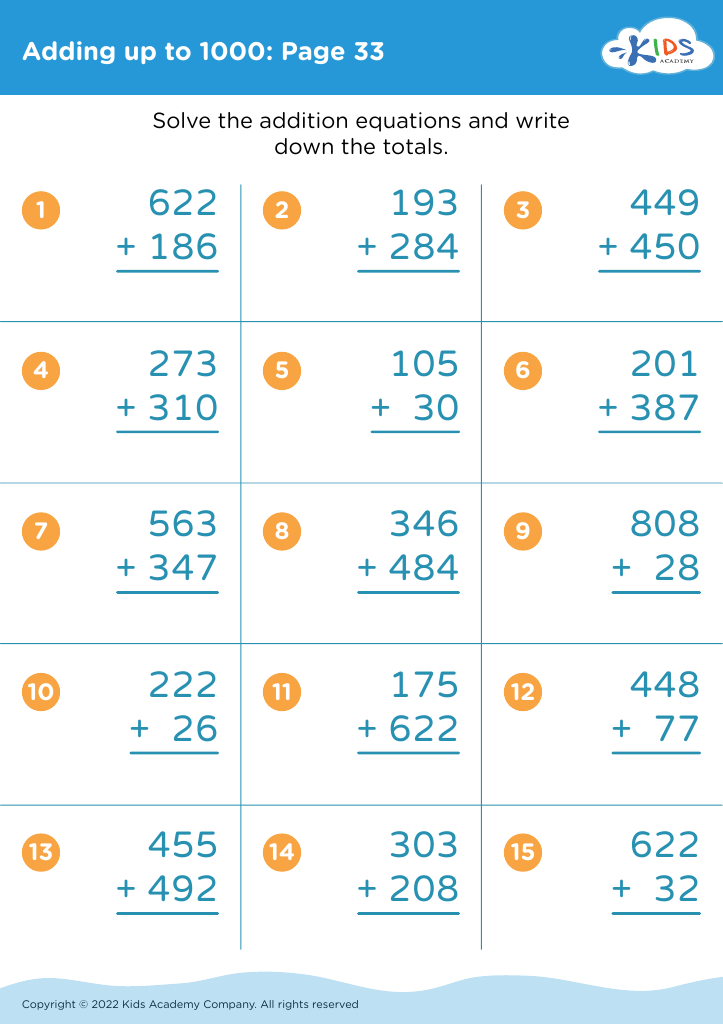








Understanding sequence in Grade 2 is crucial for cognitive development and lays the foundation for critical thinking skills that children will use throughout their education. Sequence involves recognizing the order of events, which helps students comprehend stories effectively, break down problems, and identify cause-and-effect relationships. For parents and teachers, promoting this skill cultivates enhanced reading comprehension, allowing children to grasp main ideas and details in texts.
Additionally, understanding sequences supports mathematical thinking, as children learn to recognize patterns and order in numbers, which is essential for grasping more complex math concepts in the future. When children can identify sequences in their daily lives or in storytelling, they develop logical reasoning abilities that enhance their learning experiences.
Moreover, sequence activities—such as arranging events in a story or following multi-step processes—encourage organization and planning skills that are invaluable in every area of life. Engaging children in discussions about sequences during reading time or daily routines fosters their ability to predict outcomes and think critically. By prioritizing the understanding of sequence, parents and teachers can empower young learners to become effective communicators and confident problem solvers, ultimately setting the stage for lifelong learning and success.