Explore the "Understanding Symmetry Grade 2 Worksheets" to help young learners grasp the concept of symmetry through engaging activities! Designed for second graders, these printable worksheets foster critical thinking and creativity, allowing students to identify symmetrical shapes, complete patterns, and draw their own symmetrical images. With a variety of interactive exercises, children will develop their ability to recognize symmetry in everyday objects and the environment. Perfect for in-class learning or homework assignments, these resources make mastering symmetry fun and accessible. Enhance your child's mathematical skills while sparking an interest in shapes and design—download the worksheets today!
Check out this FREE Grade 2 "Understanding symmetry" Trial Lesson!

Suffixes

Favorites
With answer key
Interactive
  • Grade 2
  • Understanding symmetry
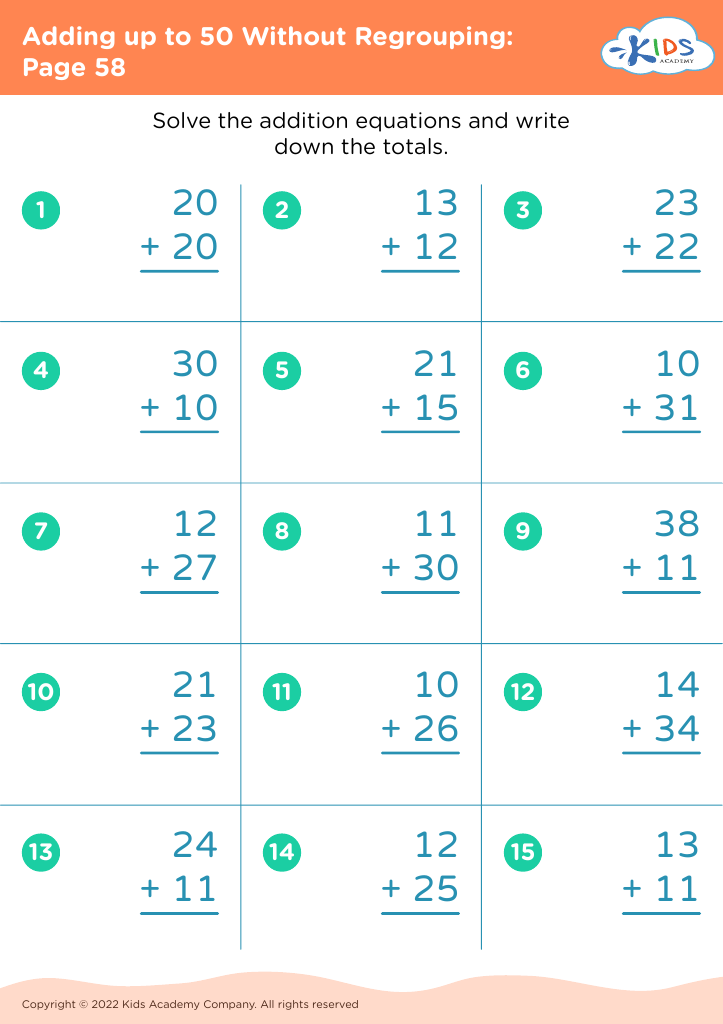
Adding up to 50 Without Regrouping: Page 58
Worksheet
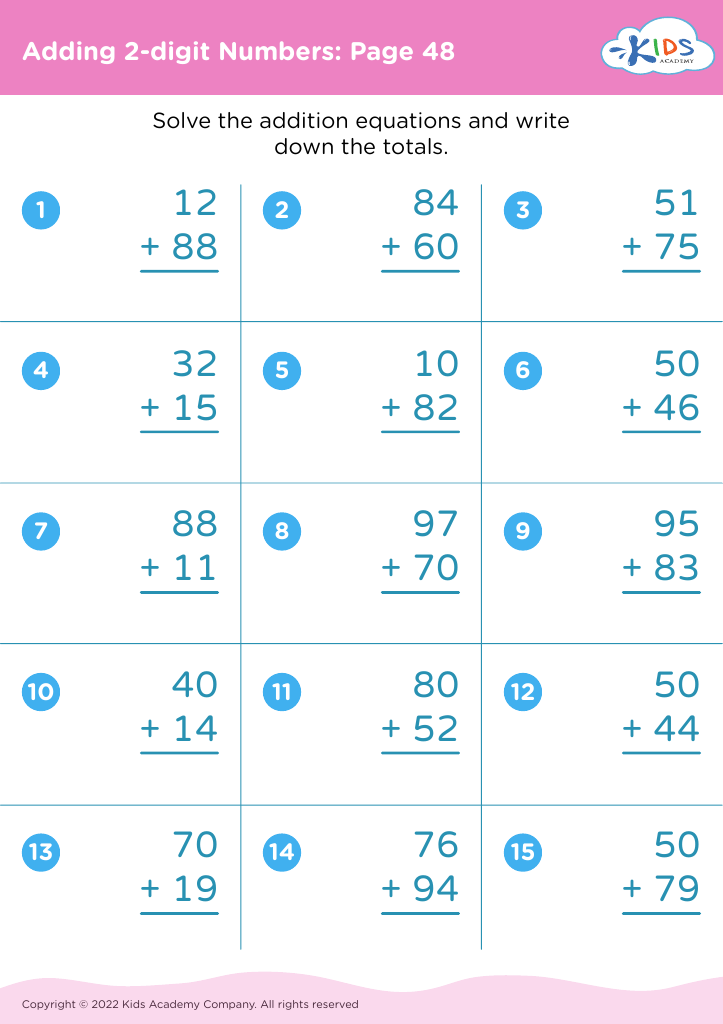
Adding 2-digit Numbers: Page 48

Adding 2-digit Numbers: Page 48

Adding 2-digit Numbers: Page 48
Worksheet
Butterfly Addition Worksheet

Butterfly Addition Worksheet

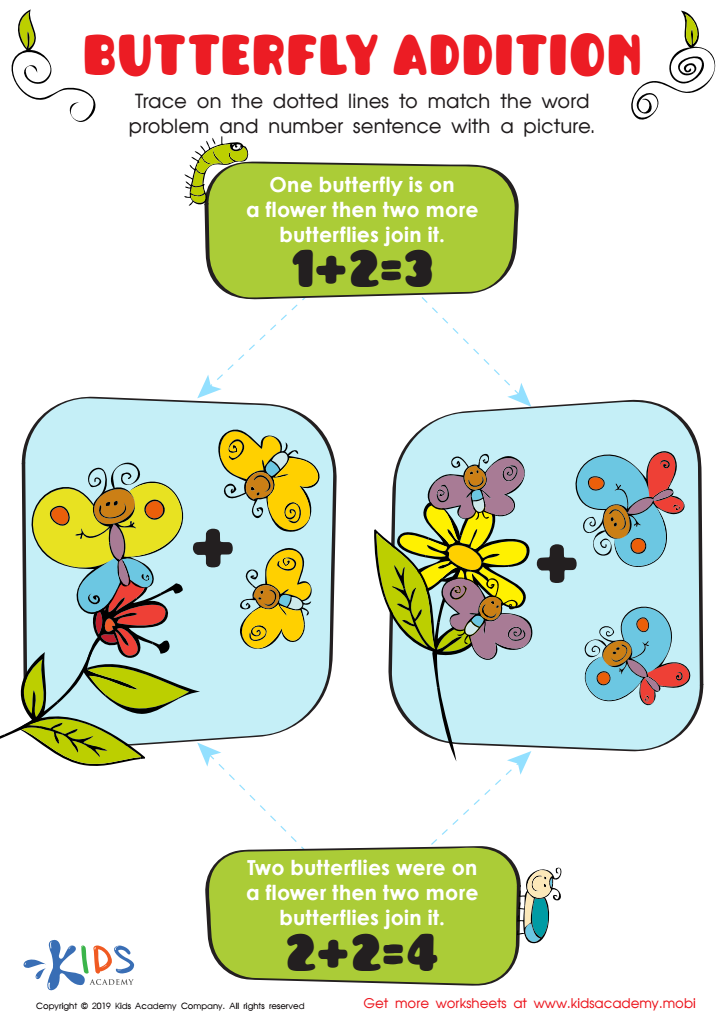
This tracing sheet is great for kids to work on math skills and have fun too. Read the word problems to them, then help them trace the dotted lines to match the problem and number sentence to a picture. Not only is it educational, it's beautiful too - your kids will love learning about butterflies!
Butterfly Addition Worksheet
Worksheet
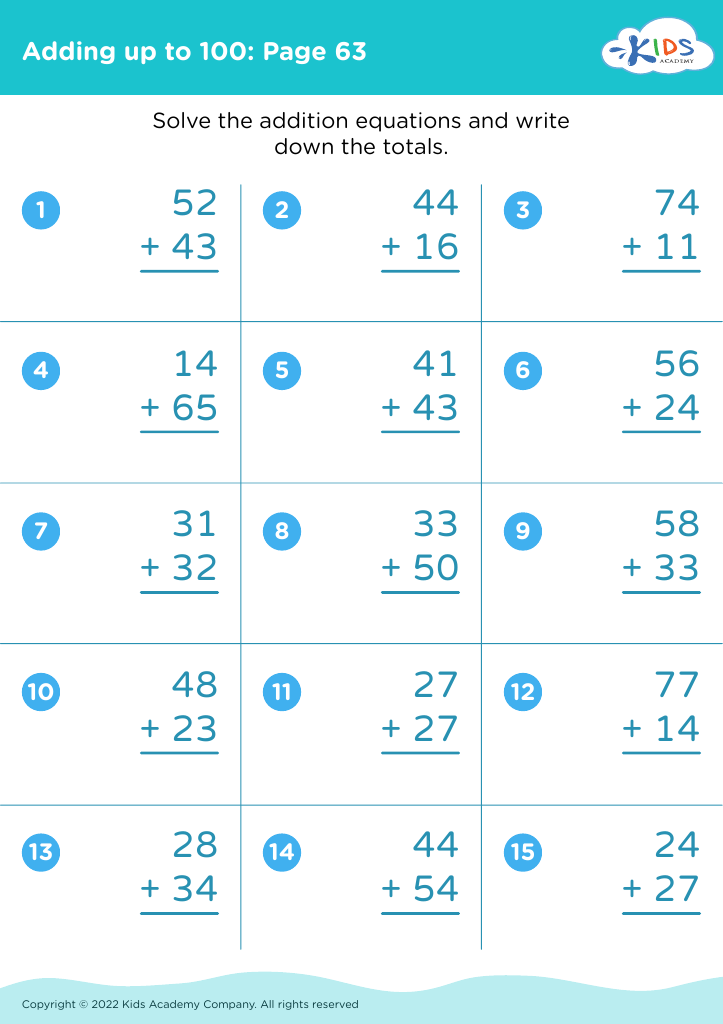
Adding up to 100: Page 63

Adding up to 100: Page 63

Adding up to 100: Page 63
Worksheet
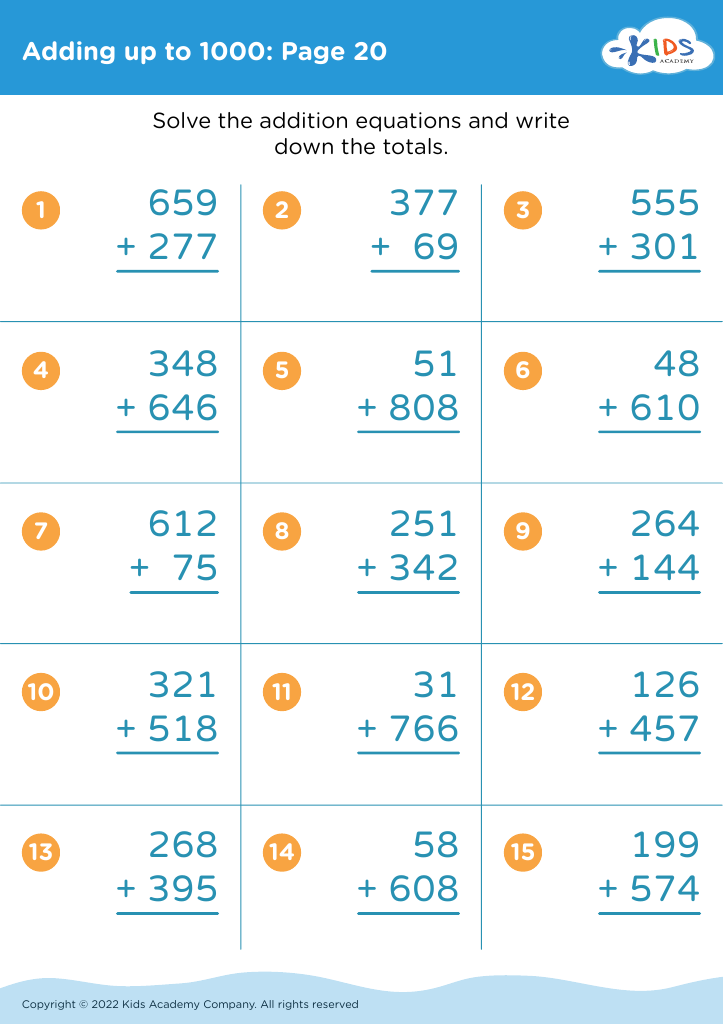
Adding up to 1000: Page 20

Adding up to 1000: Page 20

Adding up to 1000: Page 20
Worksheet
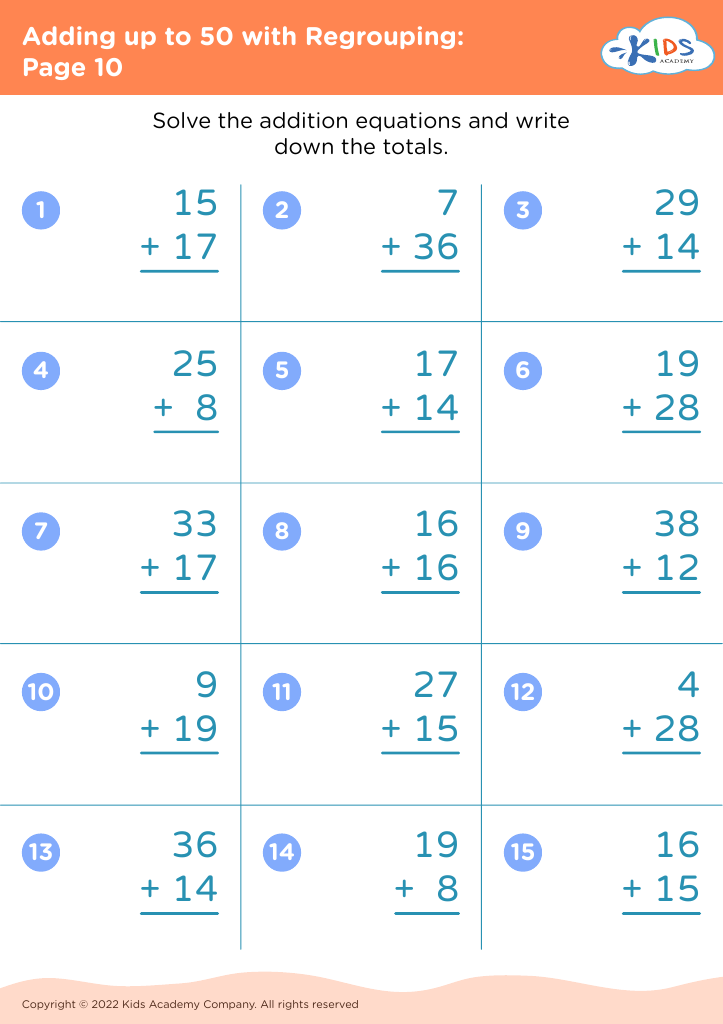
Adding up to 50 with Regrouping: Page 10
Worksheet
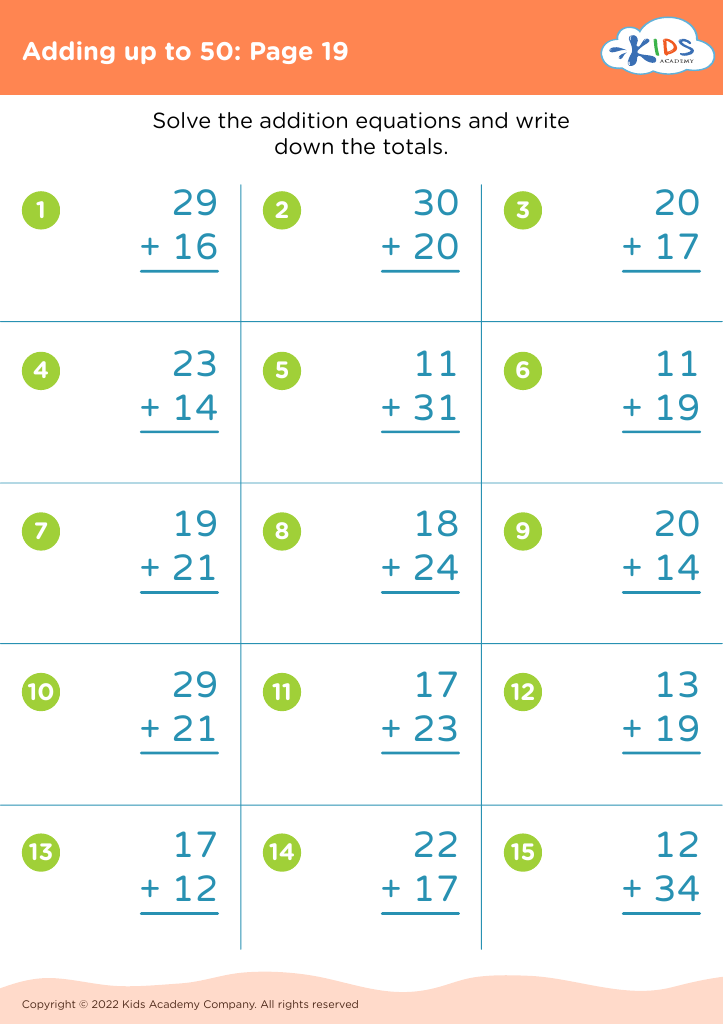
Adding up to 50: Page 19

Adding up to 50: Page 19

Adding up to 50: Page 19
Worksheet
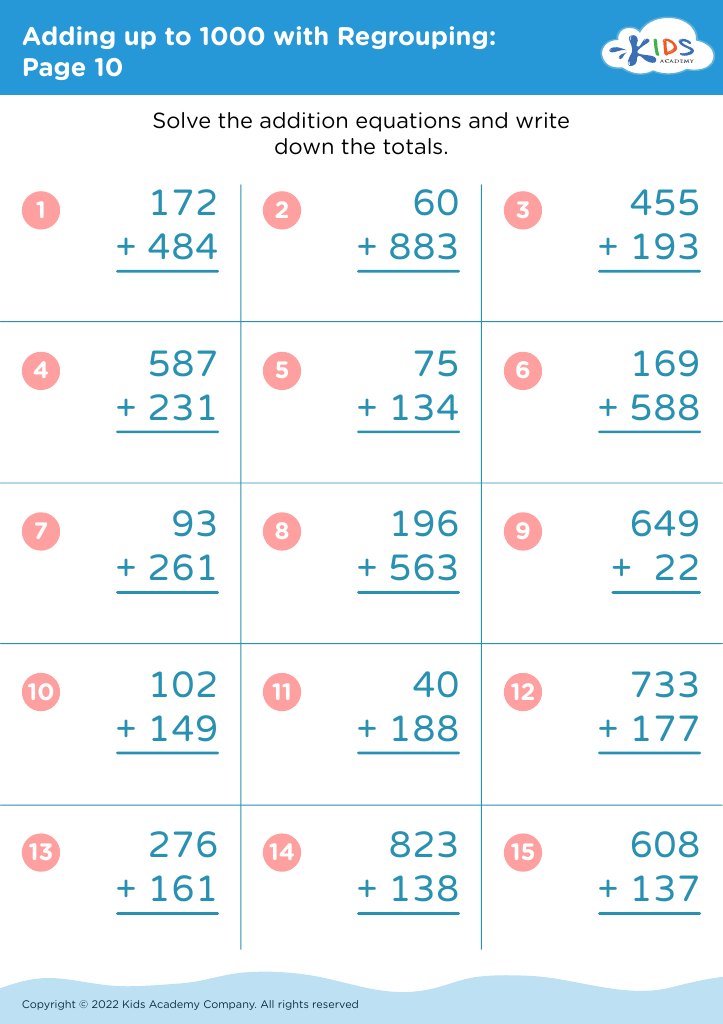
Adding up to 1000 with Regrouping: Page 10
Worksheet
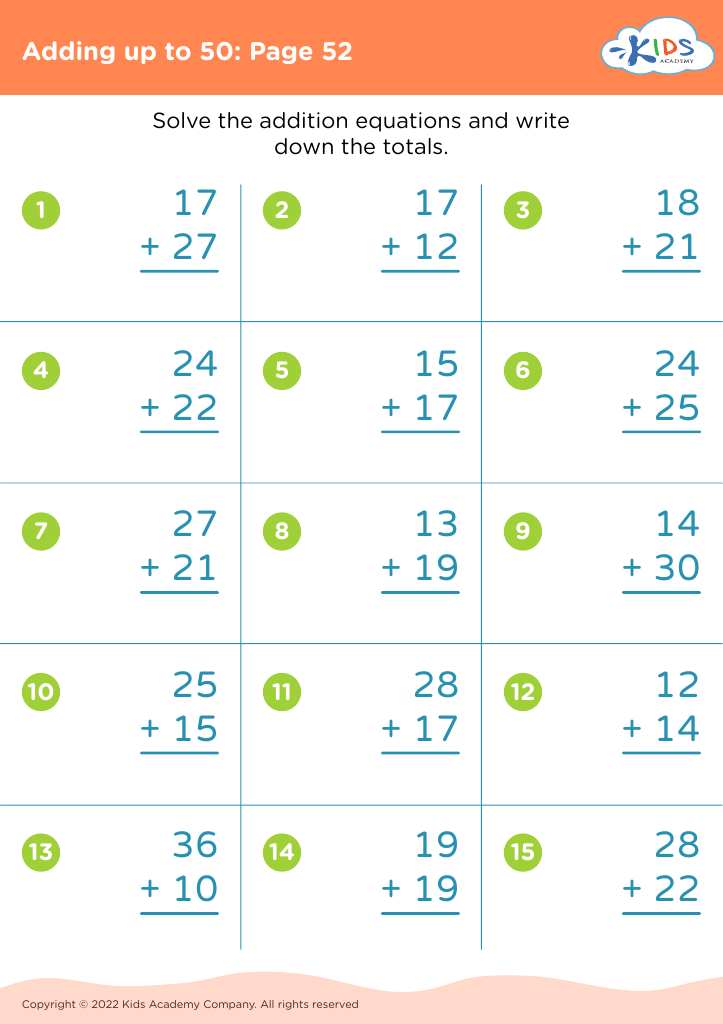
Adding up to 50: Page 52

Adding up to 50: Page 52

Adding up to 50: Page 52
Worksheet
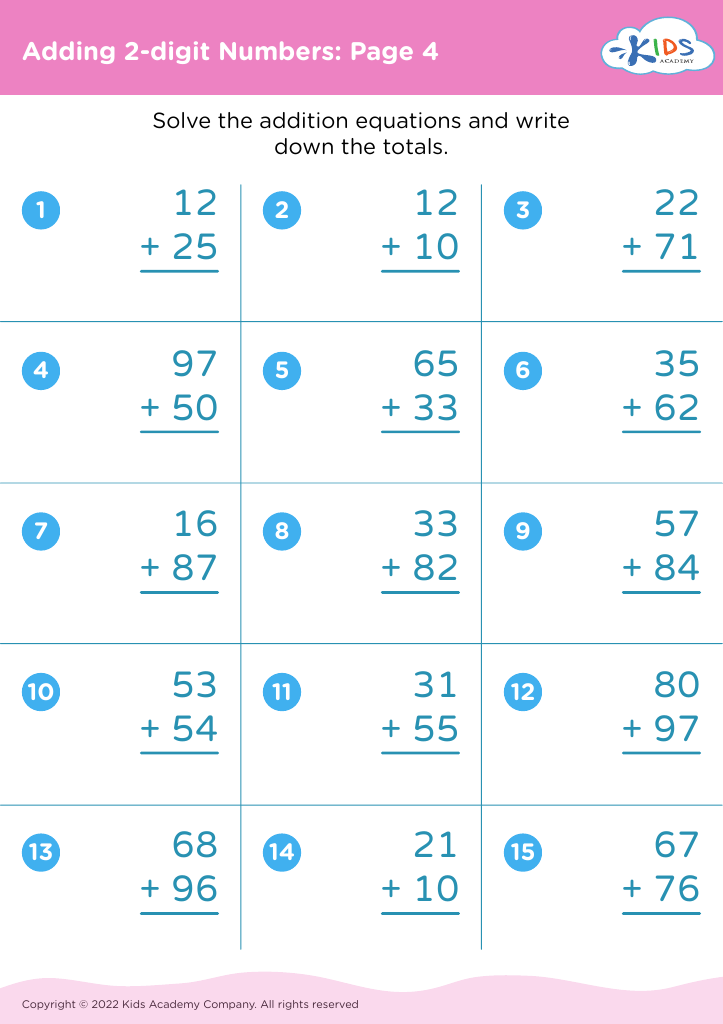
Adding 2-digit Numbers: Page 4

Adding 2-digit Numbers: Page 4

Adding 2-digit Numbers: Page 4
Worksheet
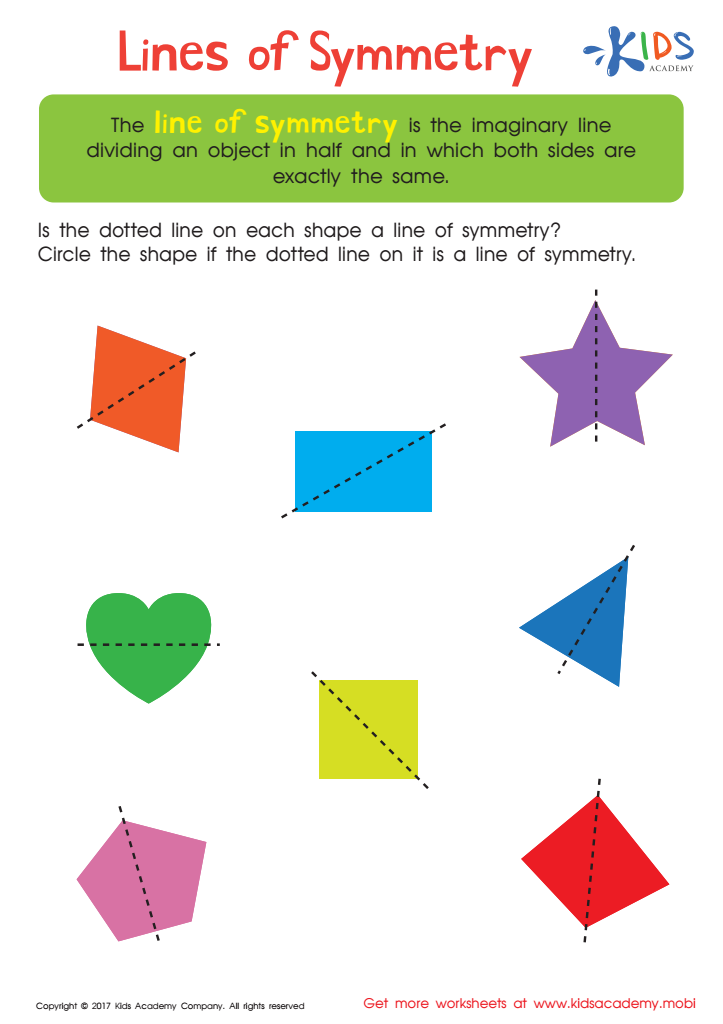
Lines of symmetry worksheet

Lines of Symmetry Printable
Symmetry is a key math concept that kids must learn to develop their geometry skills. This fun worksheet helps build this skill, by encouraging kids to recognize symmetrical shapes and find equal parts.
Lines of Symmetry Printable
Worksheet
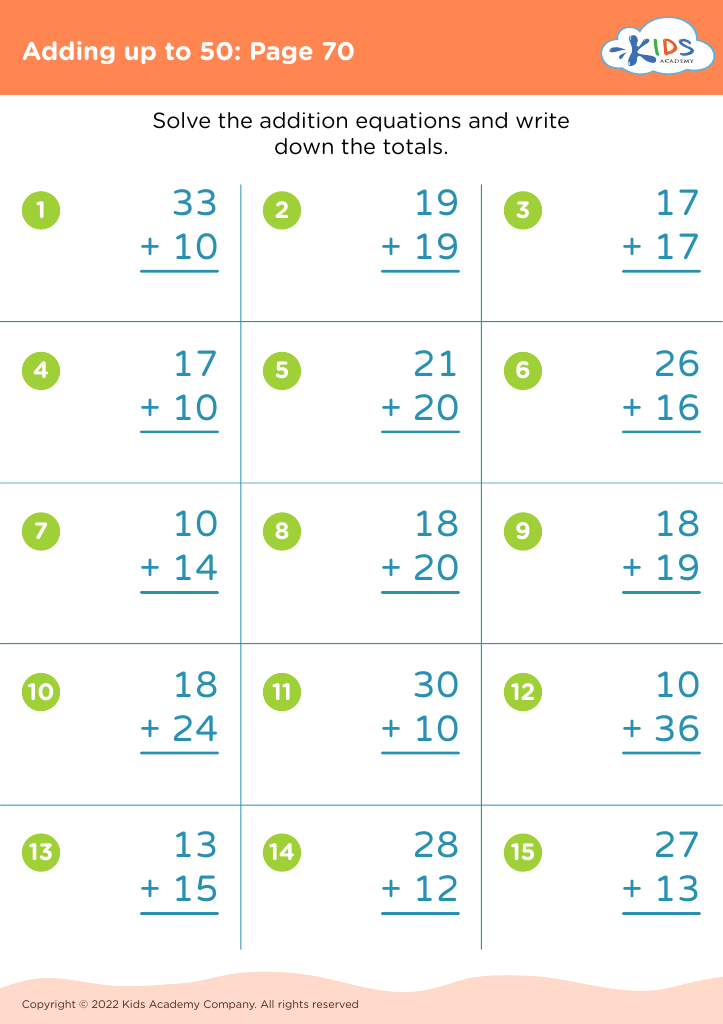
Adding up to 50: Page 70

Adding up to 50: Page 70

Adding up to 50: Page 70
Worksheet
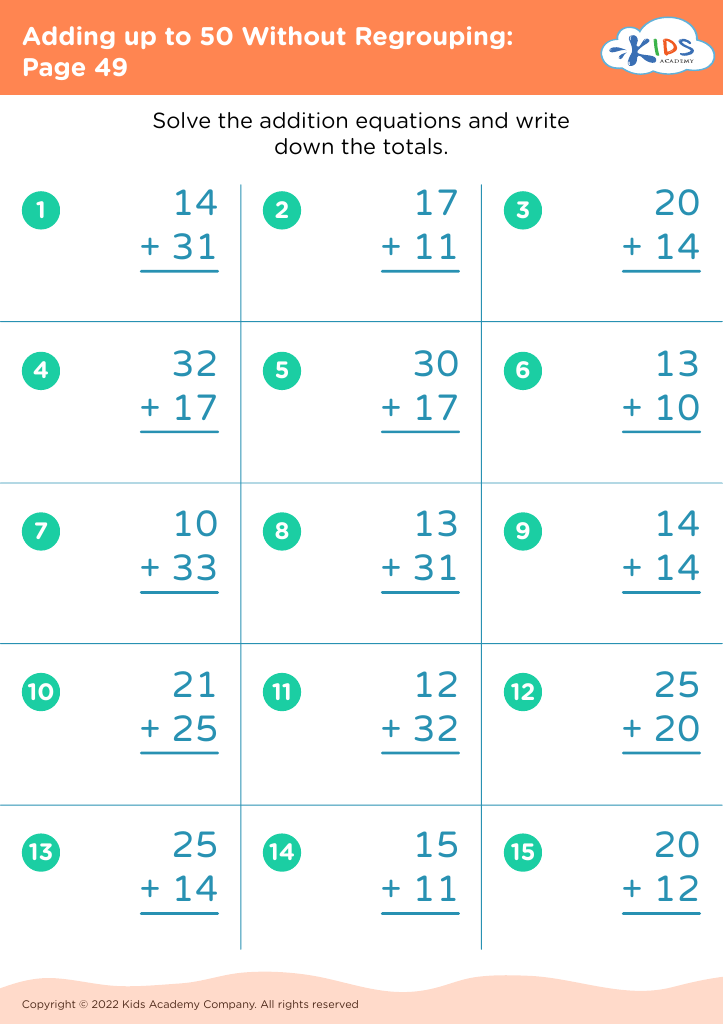
Adding up to 50 Without Regrouping: Page 49
Worksheet
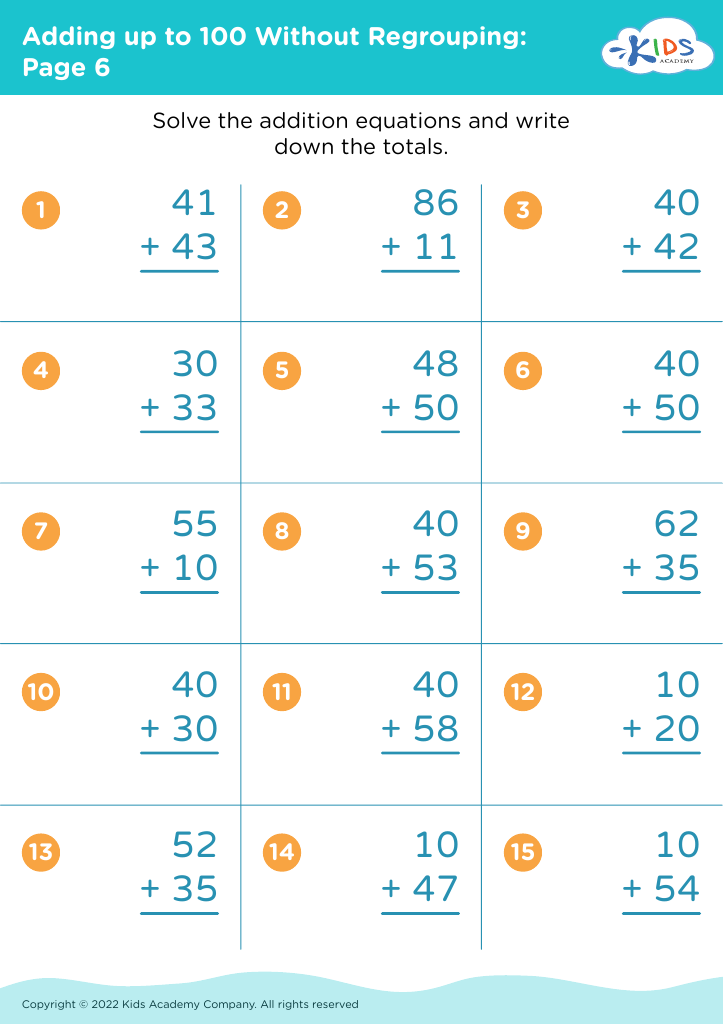
Adding up to 100 Without Regrouping: Page 6
Worksheet
Adding up to 1000 with Regrouping: Page 55
Worksheet
Flowery Arrays Worksheet


Flowery Arrays Worksheet

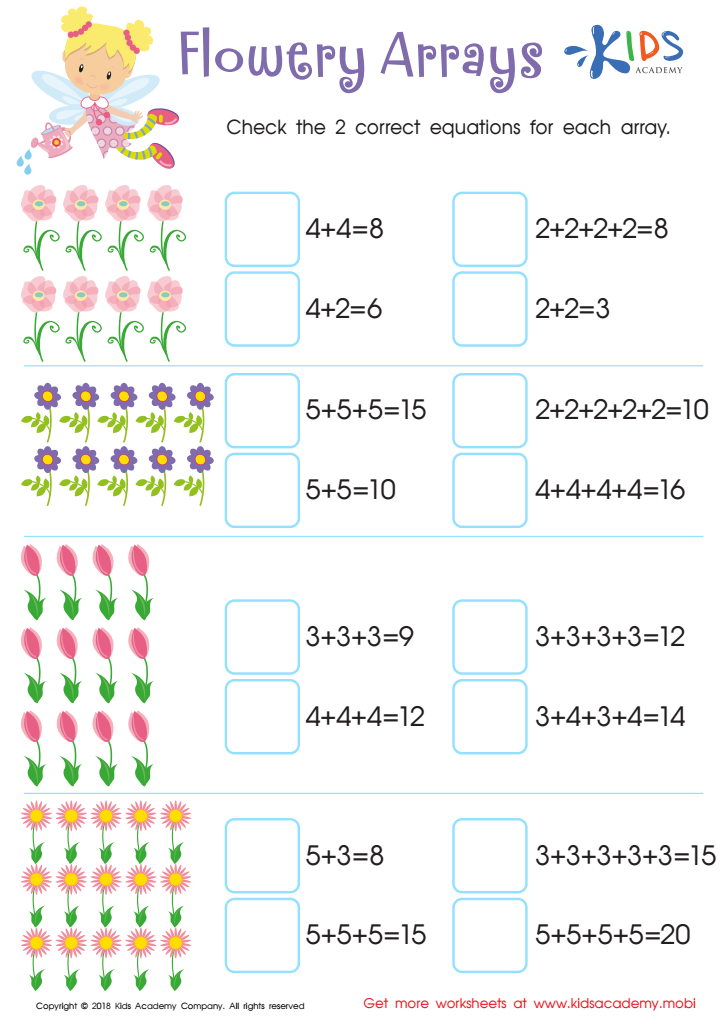
This worksheet helps your child learn to identify and represent arrays. For example, both 3+3+3+3=12 and 4+4+4=12 are arrays but the first is arranged in rows and the second in columns. Let your child use this knowledge to answer the four questions in this pdf and check the two correct equations.
Flowery Arrays Worksheet

Worksheet
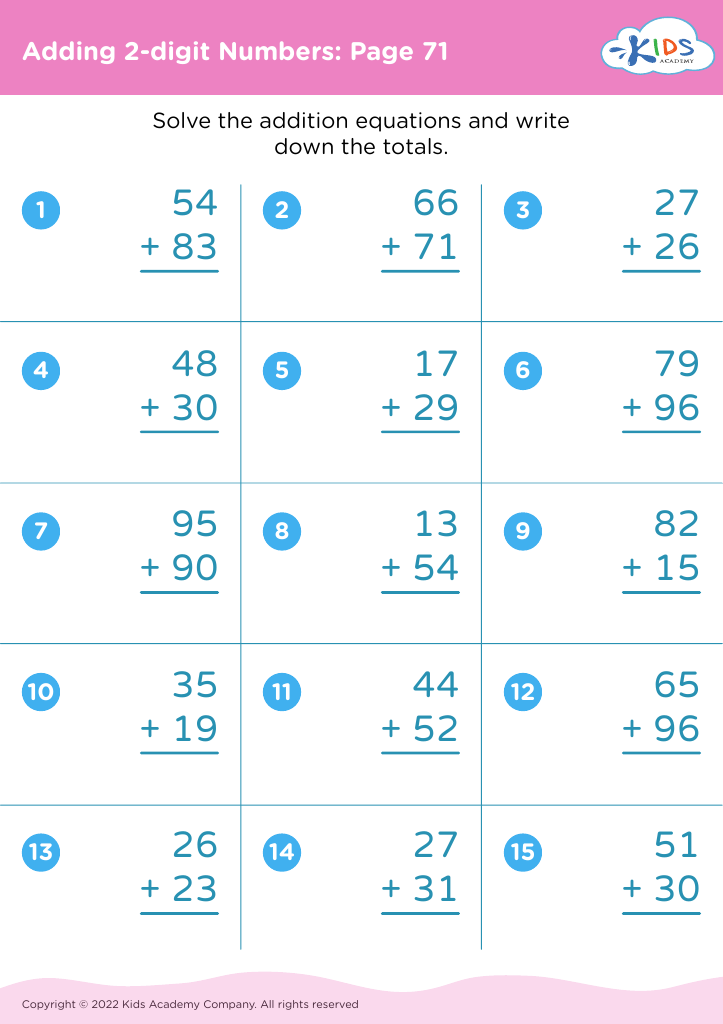
Adding 2-digit Numbers: Page 71

Adding 2-digit Numbers: Page 71

Adding 2-digit Numbers: Page 71
Worksheet
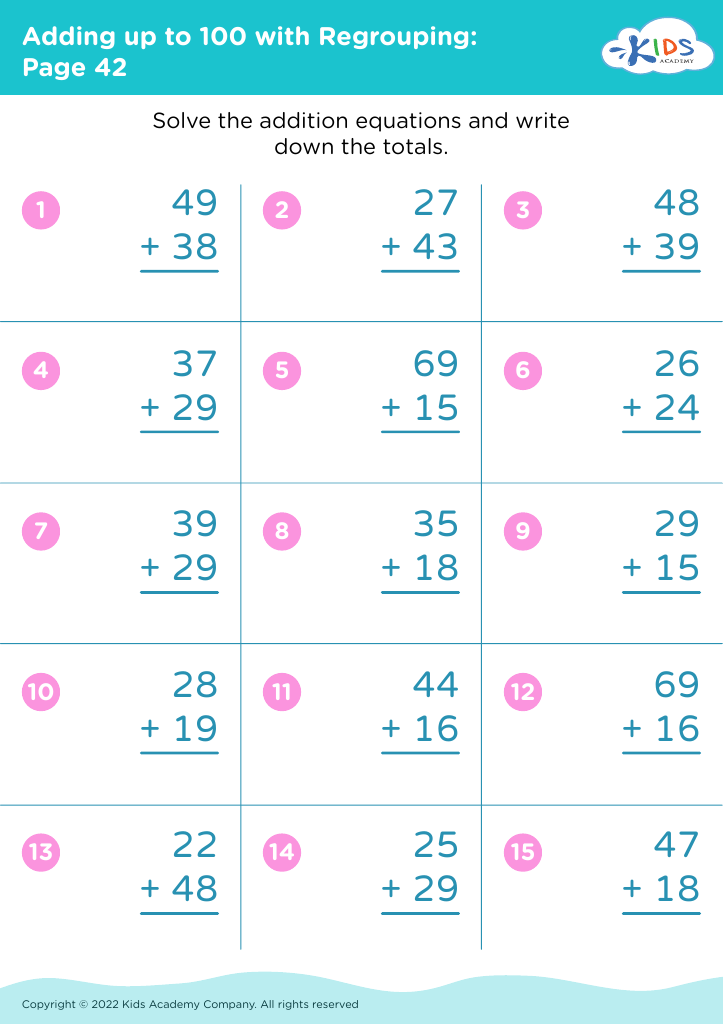
Adding up to 100 with Regrouping: Page 42
Worksheet
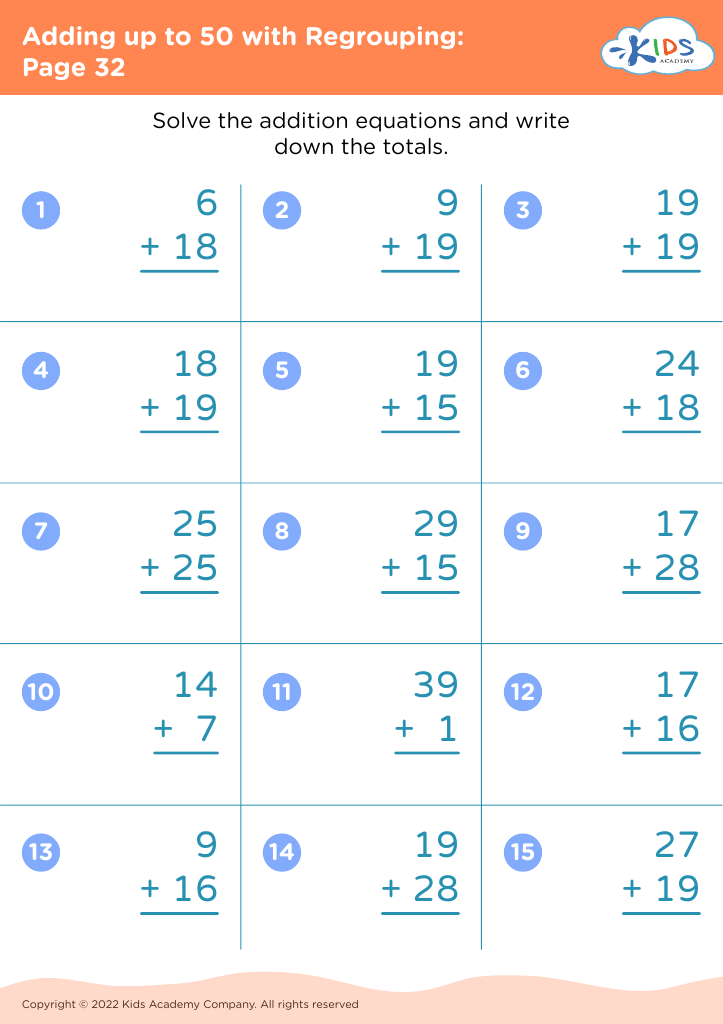
Adding up to 50 with Regrouping: Page 32
Worksheet
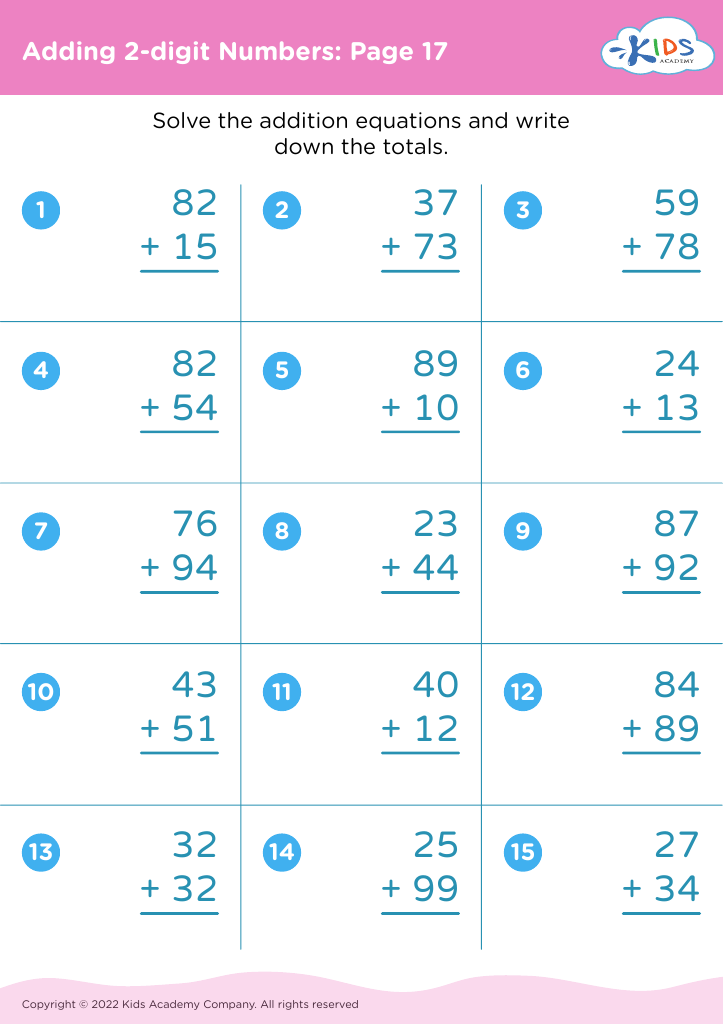
Adding 2-digit Numbers: Page 17

Adding 2-digit Numbers: Page 17

Adding 2-digit Numbers: Page 17
Worksheet
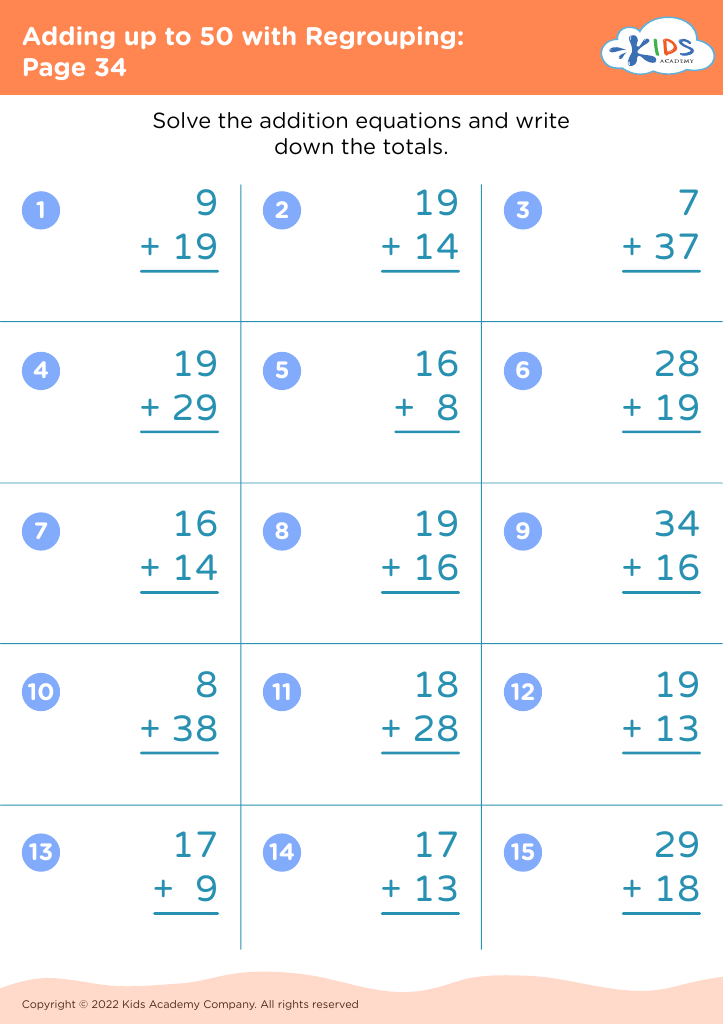
Adding up to 50 with Regrouping: Page 34
Worksheet
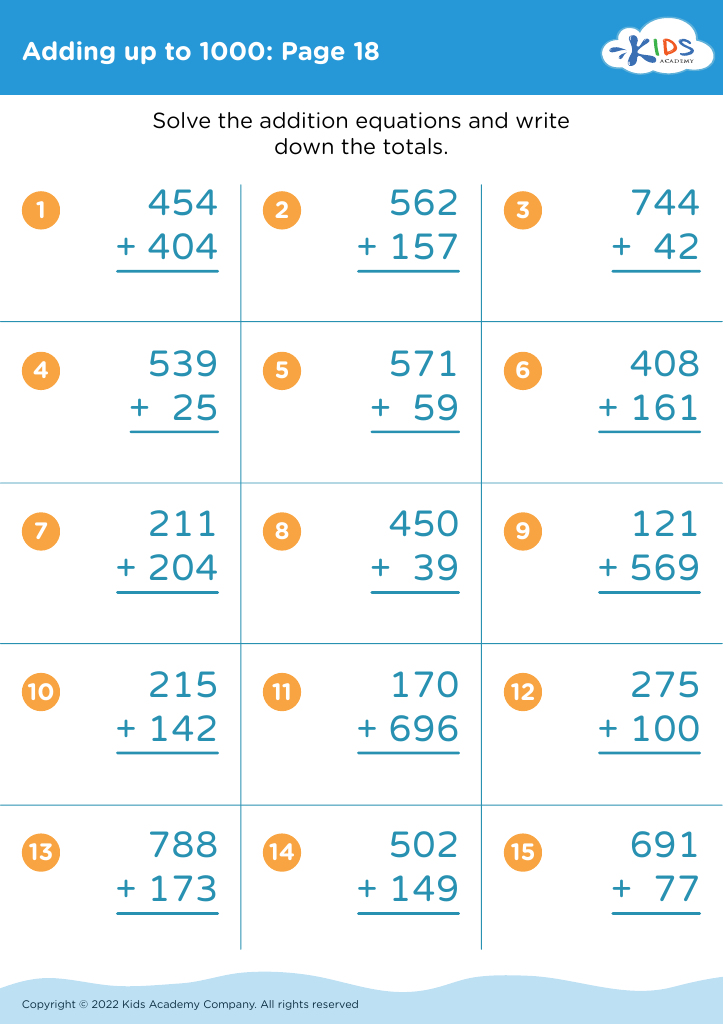
Adding up to 1000: Page 18

Adding up to 1000: Page 18

Adding up to 1000: Page 18
Worksheet
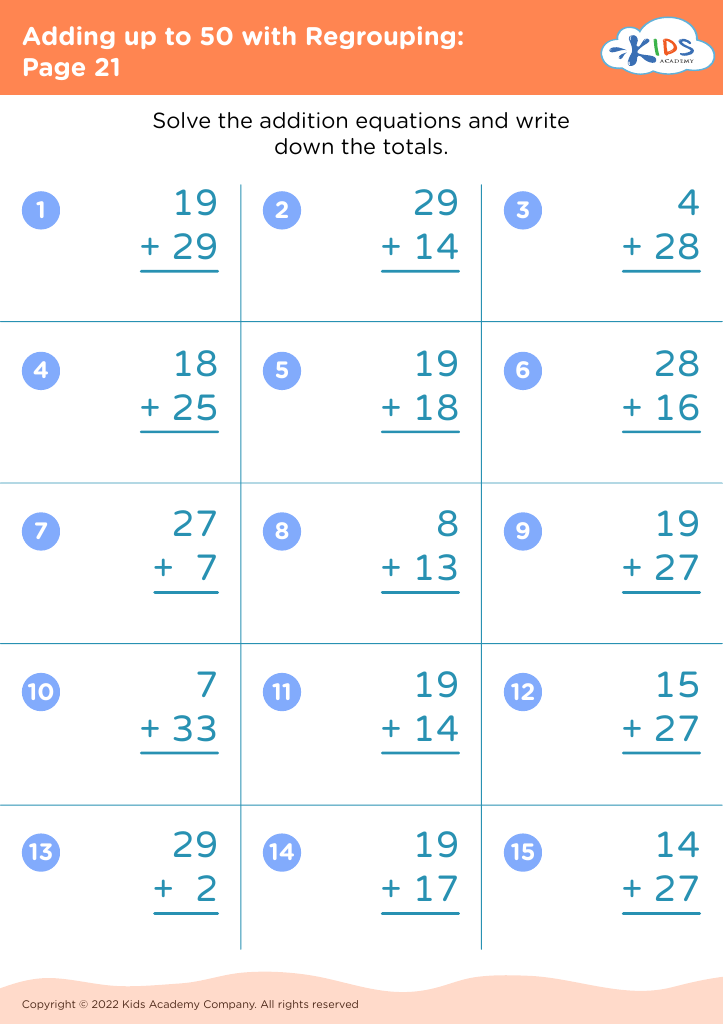
Adding up to 50 with Regrouping: Page 21
Worksheet
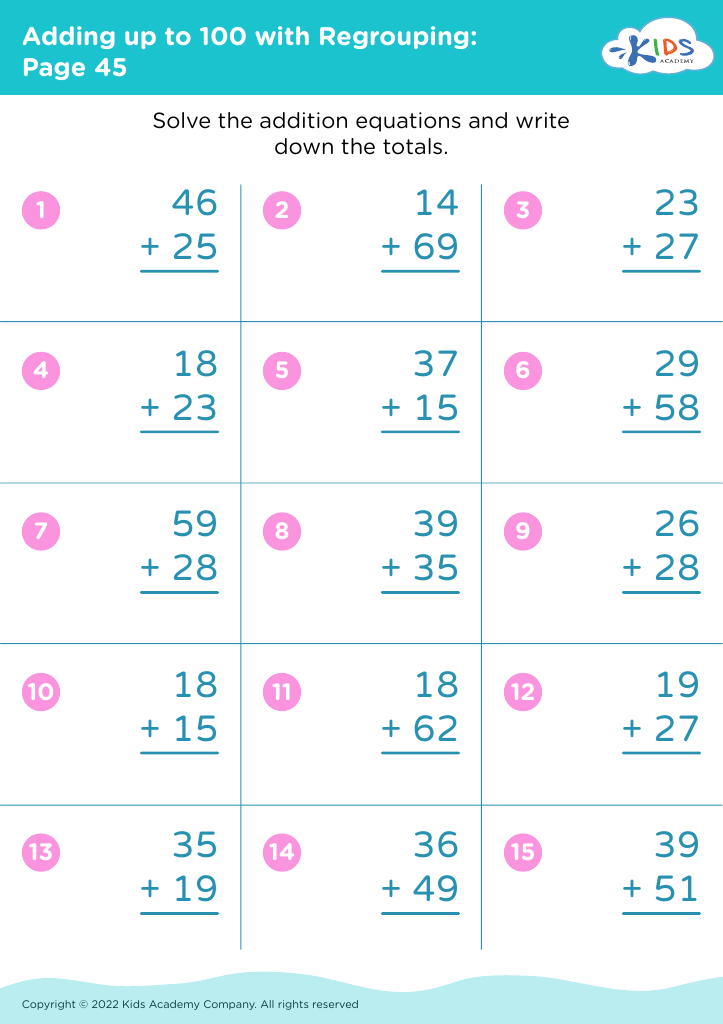
Adding up to 100 with Regrouping: Page 45
Worksheet


Understanding symmetry is essential for Grade 2 students because it builds foundational skills in mathematics, art, and critical thinking. For parents and teachers, fostering this understanding can enhance children's spatial reasoning, a skill vital for success in various subjects. Symmetry introduces young learners to patterns, shapes, and their properties, allowing them to recognize aesthetics in their surroundings, such as in nature, architecture, and everyday objects.

In math, grasping symmetry helps students visualize shapes and comprehend concepts like reflection and congruence. These skills are crucial as they progress toward more complex topics like geometry and fractions. In art, recognizing symmetrical designs encourages creativity and enables children to engage in more imaginative projects.

Furthermore, symmetry offers a practical gateway to teach cultural concepts, such as symmetry in different art forms, mathematics in engineering, and even natural patterns in biology. This comprehensive understanding promotes critical thinking as children learn to identify and analyze patterns both visually and mathematically. By emphasizing symmetry, parents and teachers can instill a deeper appreciation of the world around them, enhance problem-solving skills, and encourage collaborative learning experiences, all of which are beneficial for cognitive development.