Problem-Solving Skills Grade 2 Addition and Subtraction Word Problems Worksheets - Page 2
33 filtered results
-
From - To
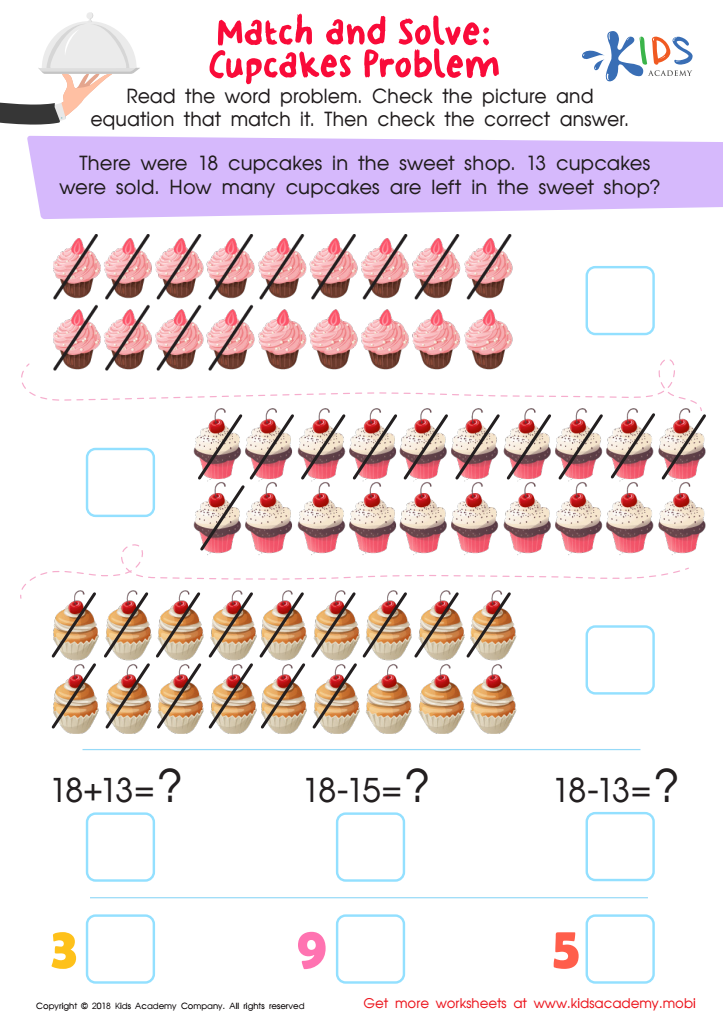
Match and Solve: Cupcakes Problem Worksheet
 Assign to My Students
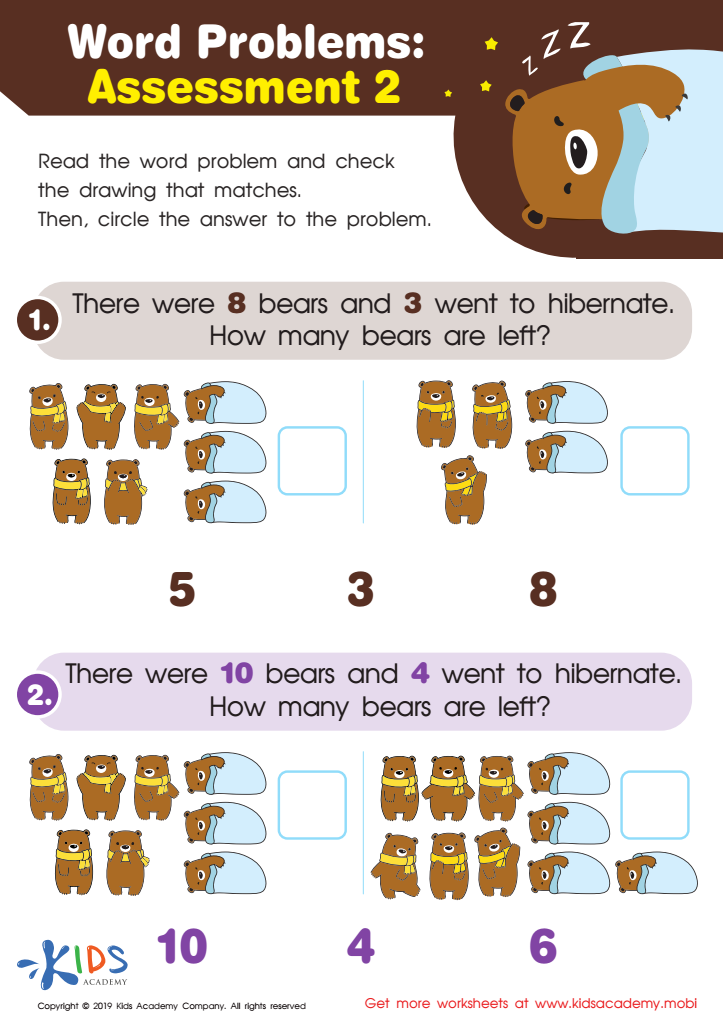
Word Problems: Assessment 2 Worksheet
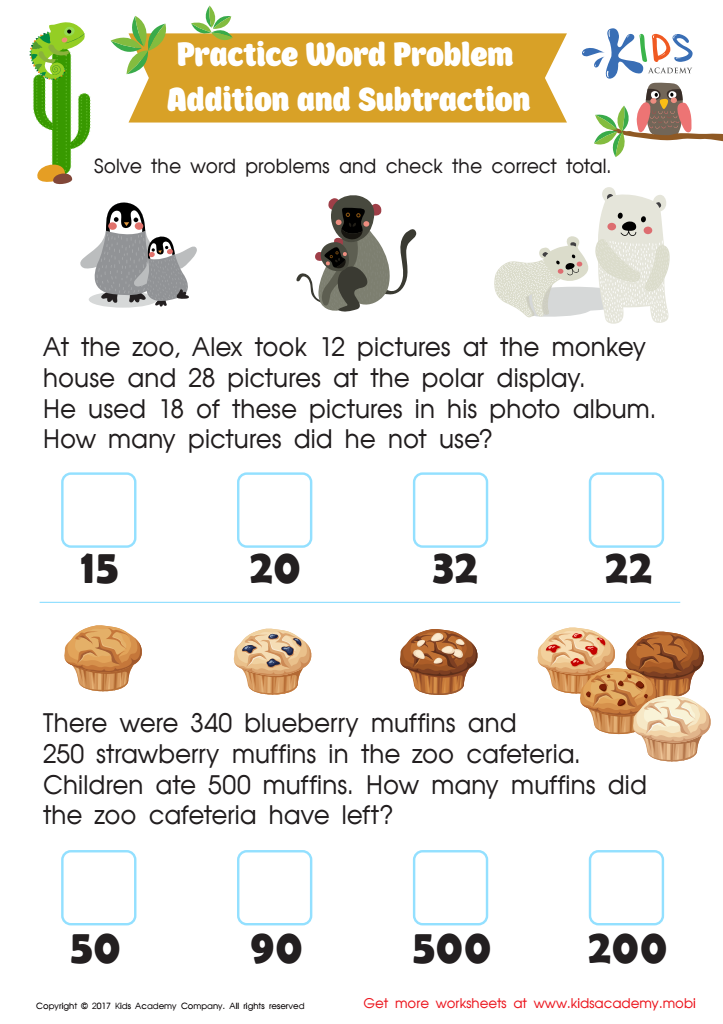
Addition and Subtraction: Word Problems Worksheet
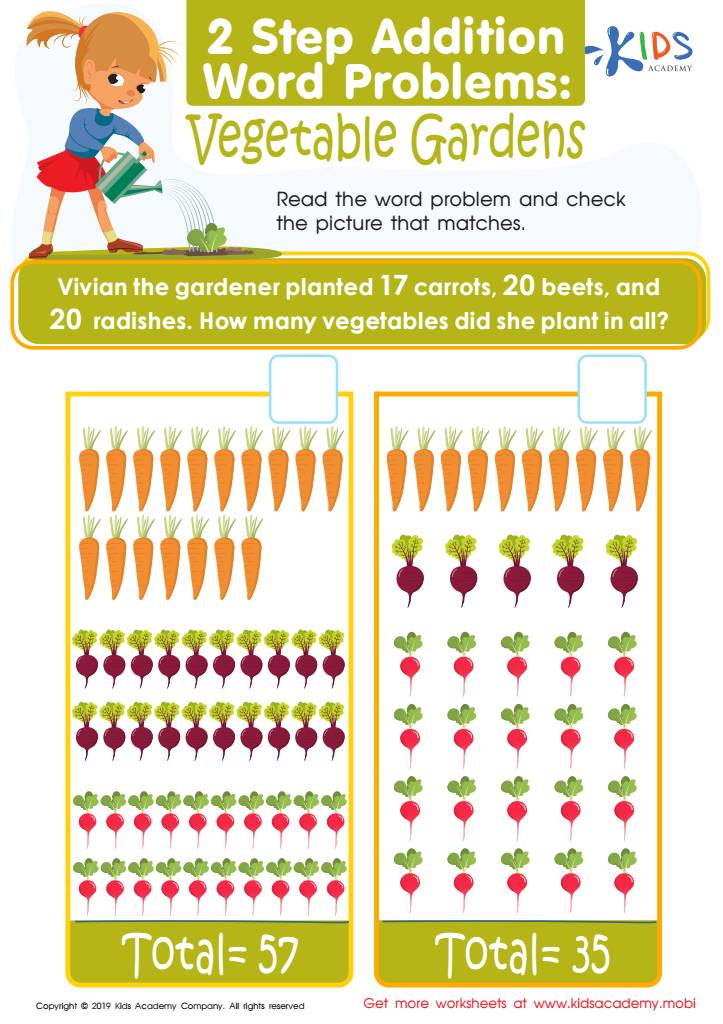
Vegetable Gardens Worksheet
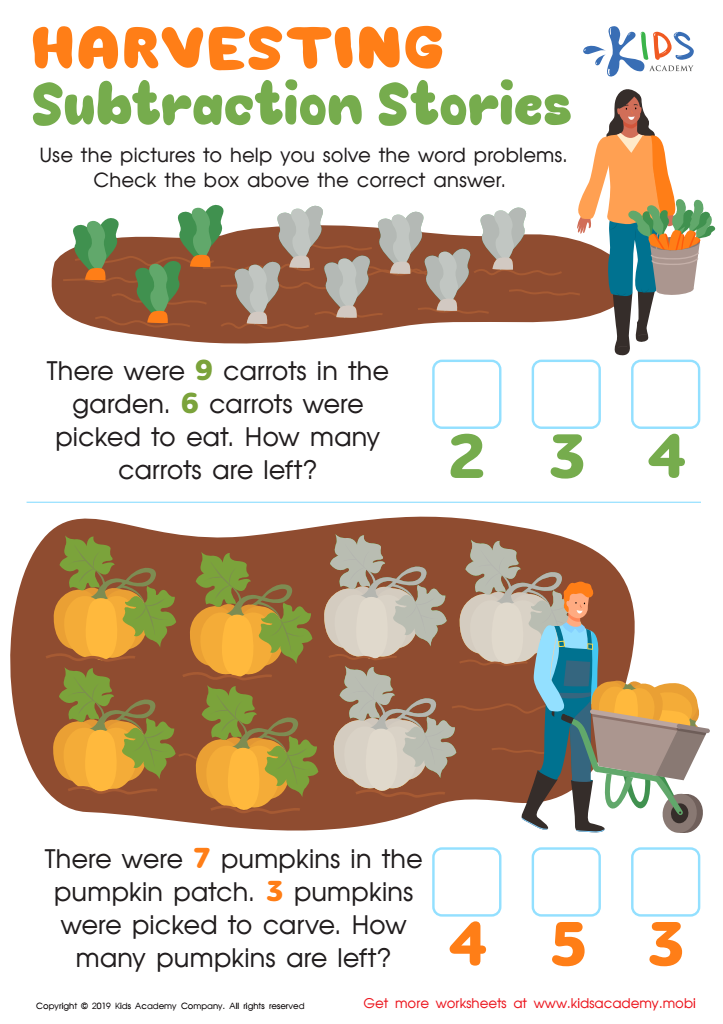
Harvesting Subtraction Stories Worksheet
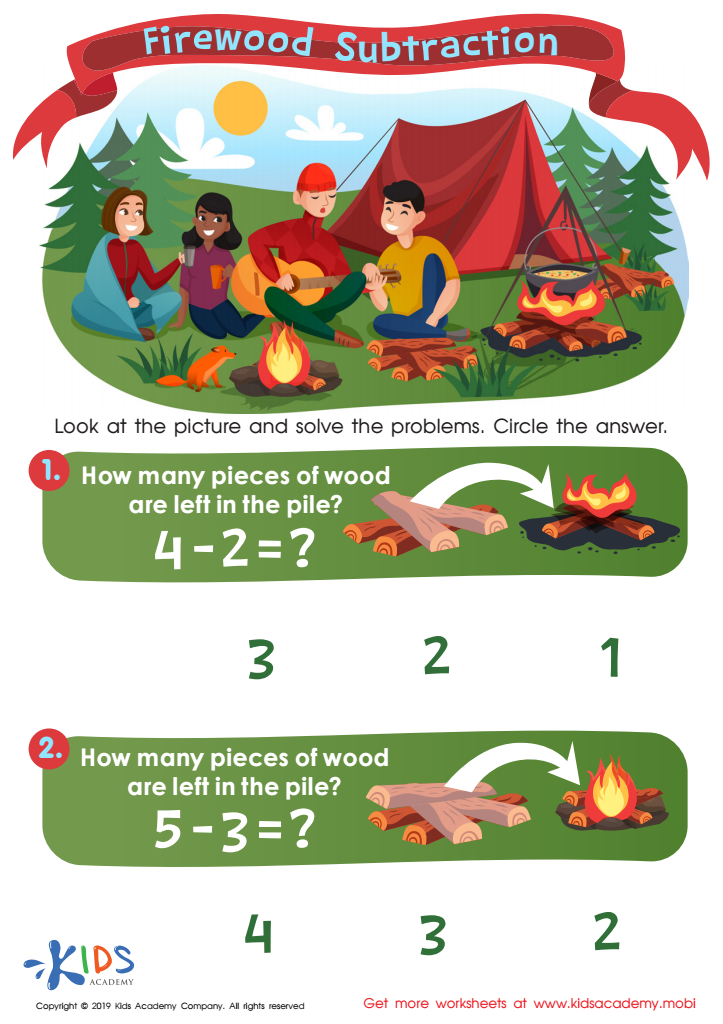
Firewood Subtraction Worksheet
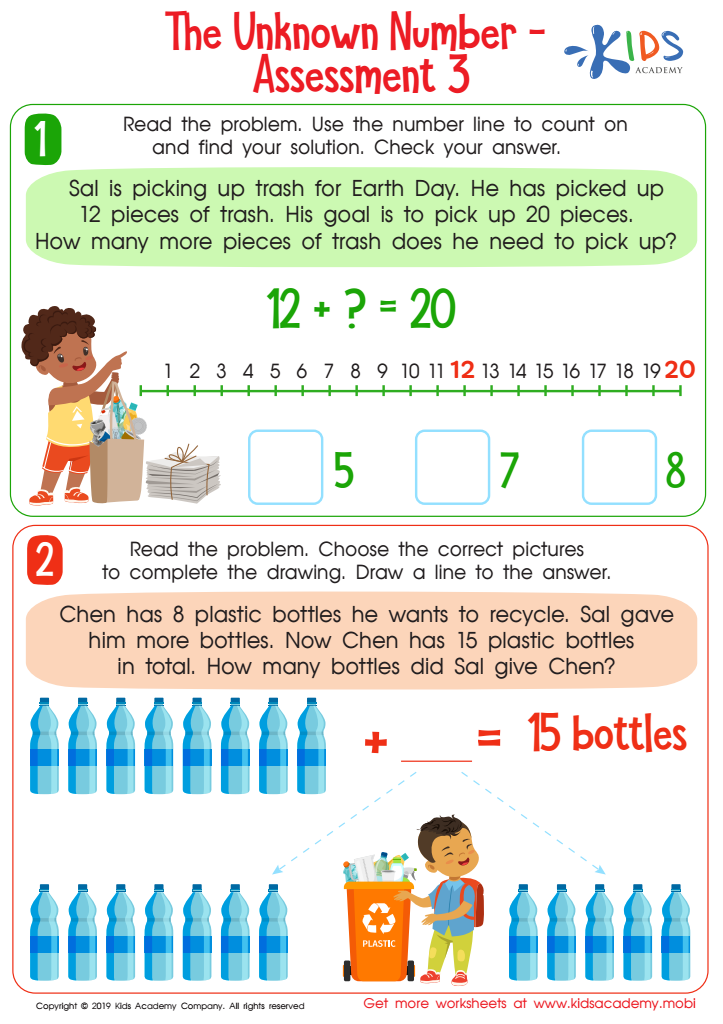
The Unknown Number - Assessment 3 Worksheet
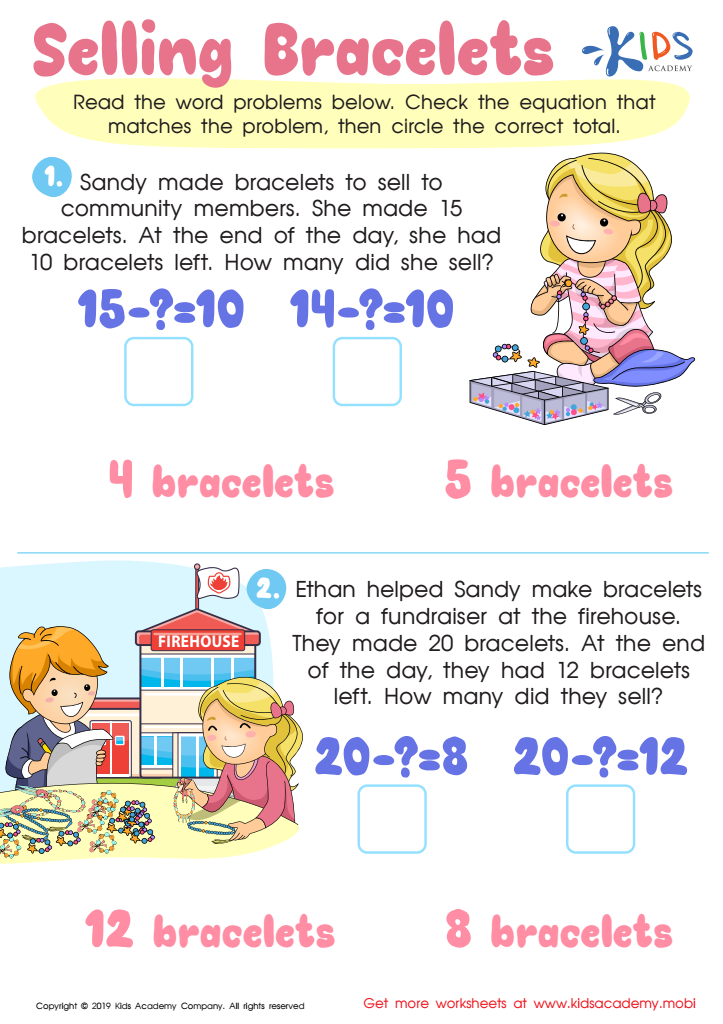
Selling the Bracelets Worksheet
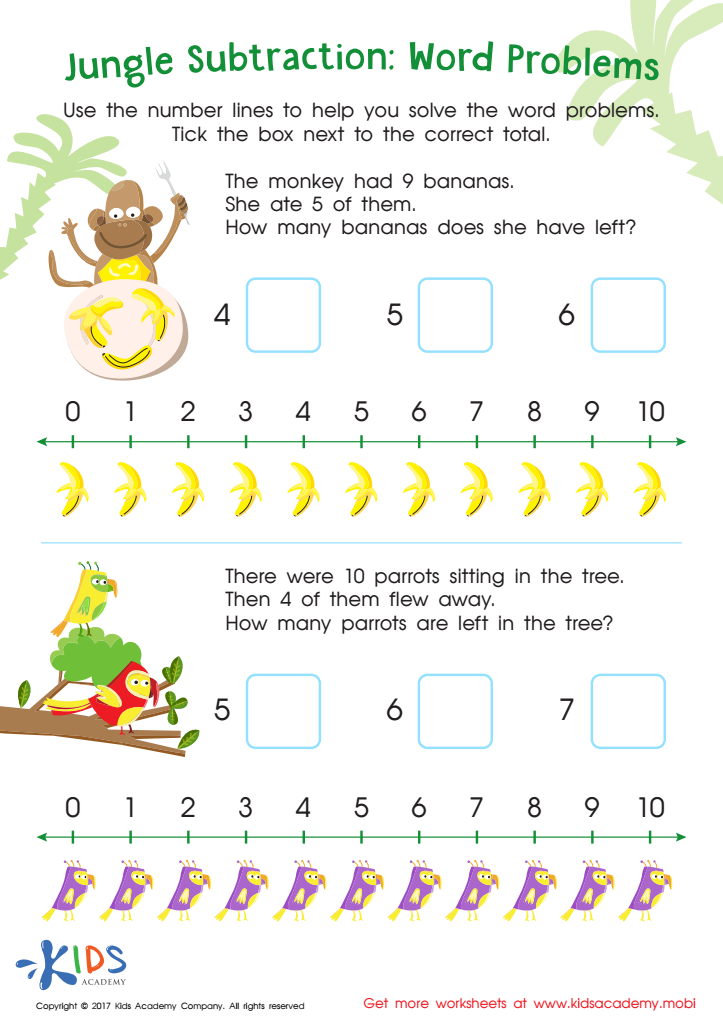
Jungle Subtraction Word Problems Substraction Worksheet








Problem-solving skills, particularly in the context of Grade 2 addition and subtraction word problems, are essential for young learners as they lay the foundation for future mathematical understanding and critical thinking. At this age, children are developing their cognitive abilities, and engaging with word problems encourages them to apply mathematical concepts to real-world situations. This practice enhances their ability to interpret information, identify relevant data, and formulate strategies to find solutions.
Furthermore, mastering addition and subtraction word problems fosters resilience and perseverance. As children learn to tackle challenging problems, they develop a growth mindset by embracing difficulties and understanding that mistakes are opportunities for learning. This approach not only bolsters their mathematical skills but also extends to other areas of academic and personal growth.
Parents and teachers play a crucial role in this developmental stage. By actively involving themselves in students' learning processes, they can model effective problem-solving strategies and support the development of confidence and competence in mathematics. This collaborative effort creates a positive learning environment, enhancing students’ overall perception of math as a subject that can be engaging and enjoyable, ultimately leading to improved academic performance and lifelong learning skills.