Enhance Vocabulary Grade 2 Addition & Subtraction Worksheets
4 filtered results
-
From - To
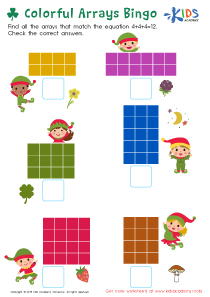
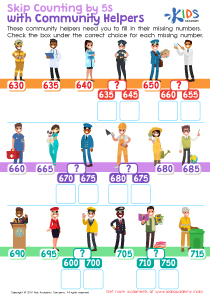
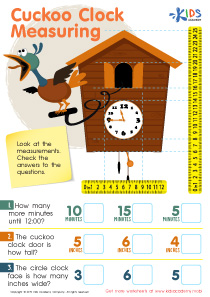
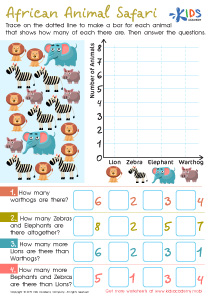
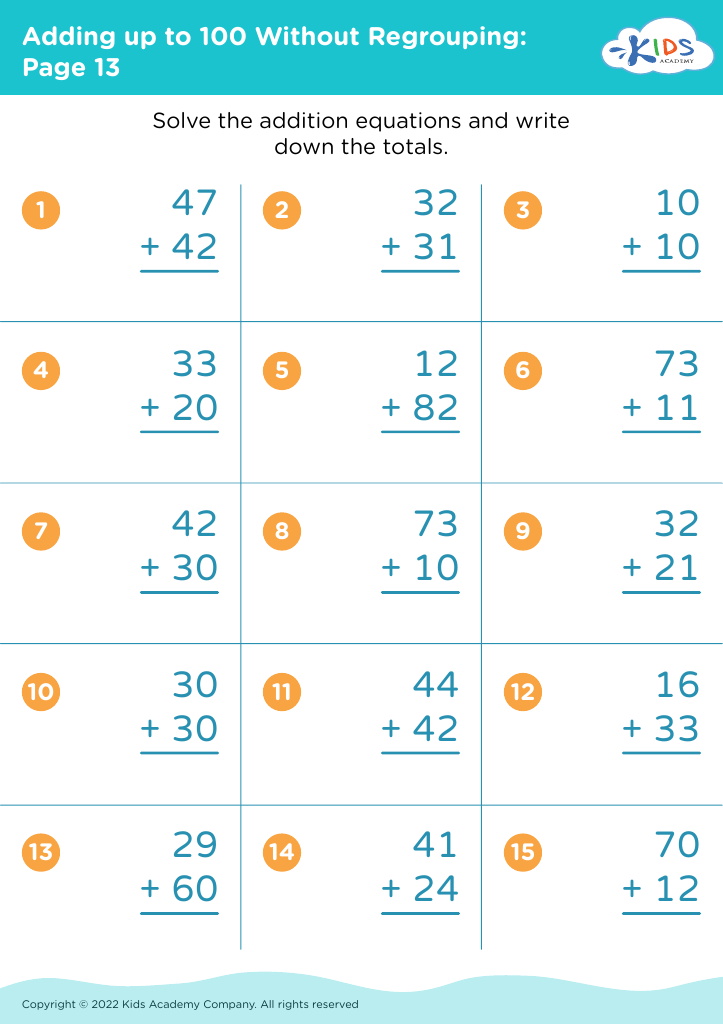
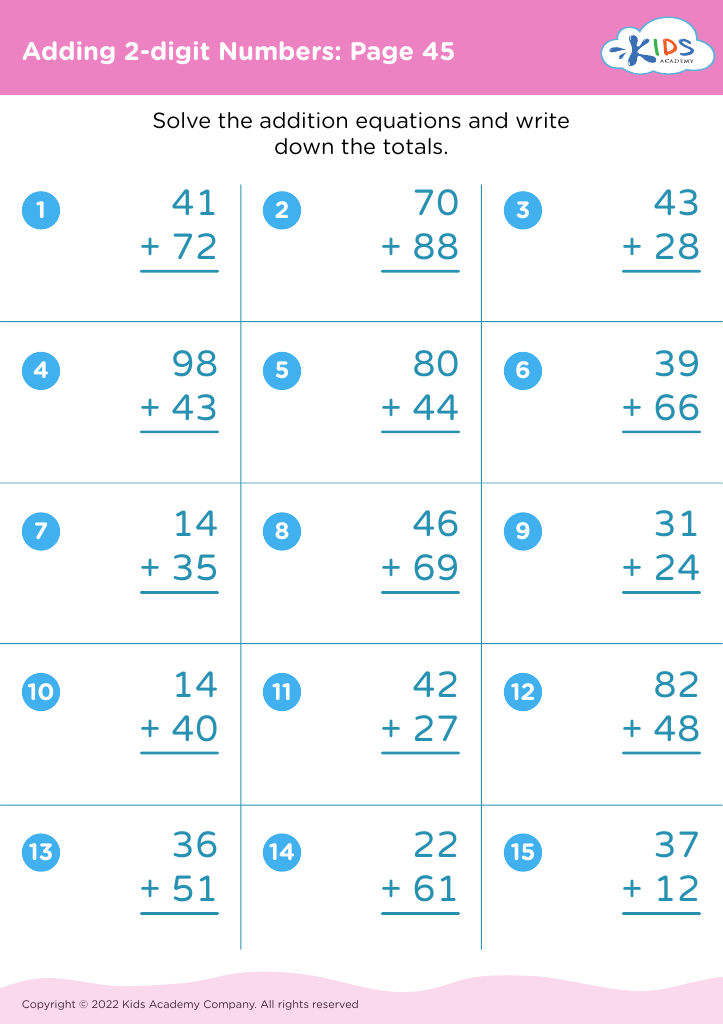
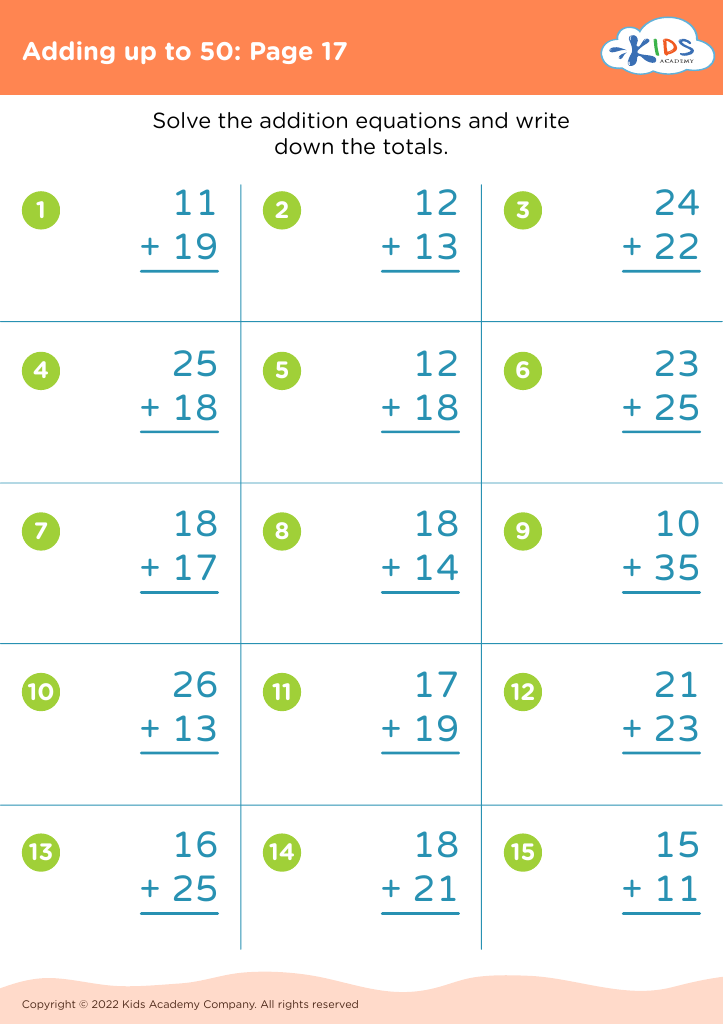
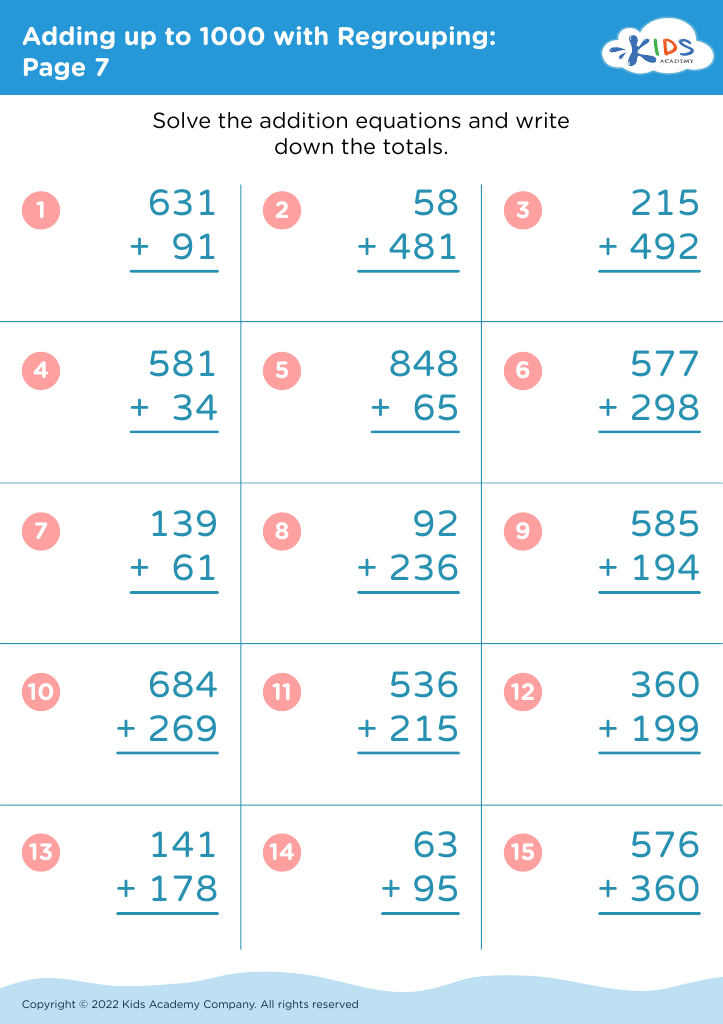
Discover our "Enhance Vocabulary Grade 2 Addition & Subtraction Worksheets," designed to elevate math skills while enriching language development! These engaging worksheets combine essential arithmetic practice with vocabulary enhancement, helping young learners master addition and subtraction concepts. Students will encounter terms frequently used in math, improving their literacy and mathematical understanding simultaneously. By integrating vocabulary with math exercises, we support second graders in making connections between words and numbers. Perfect for classroom use or at-home learning, these worksheets foster critical thinking and problem-solving skills, setting a strong foundation for future academic success. Explore our collection and watch your child's confidence soar!








Parents and teachers should care about enhancing vocabulary in the context of Grade 2 addition and subtraction for several important reasons. First and foremost, vocabulary is the foundation of understanding mathematical concepts. When students are familiar with terms like "sum," "difference," "addend," and "equation," they can better comprehend problems and explanations. This understanding boosts their confidence and encourages a positive attitude towards math.
Moreover, a strong vocabulary helps children articulate their thought processes. As they learn to express how they arrived at a solution, they reinforce their own learning and develop critical thinking skills. This lays the groundwork for more complex problem-solving in the future.
Additionally, enhancing vocabulary at an early age nurtures reading skills, as many math problems require reading comprehension. A stronger vocabulary leads to better understanding of word problems, which are essential in real-life applications of math.
Finally, fostering a rich vocabulary promotes a lifelong love for learning. It empowers children to engage in discussions about math, fostering a collaborative learning environment where students feel comfortable sharing ideas.
By prioritizing vocabulary development in mathematics, parents and teachers can significantly impact students' overall academic success and enthusiasm for learning.