Unlock the world of math for your young learners with our "Recognizing Patterns Grade 2 Addition & Subtraction Worksheets." Designed to strengthen foundational arithmetic skills, these worksheets help second graders identify and extend patterns using addition and subtraction. Through engaging exercises, students develop critical thinking and problem-solving abilities, preparing them for more complex math concepts. Ideal for both classroom and home practice, these resources make learning fun and effective. Boost your child's confidence in math by exploring our comprehensive collection today! Visit Kids Academy for more quality educational materials dedicated to supporting your child's academic journey.
Check out this FREE Grade 2 Trial Lesson on Addition & Subtraction!

Irregular Past Tense Verbs

Favorites
With answer key
Interactive
  • Grade 2
  • Recognizing Patterns
  • Addition & Subtraction
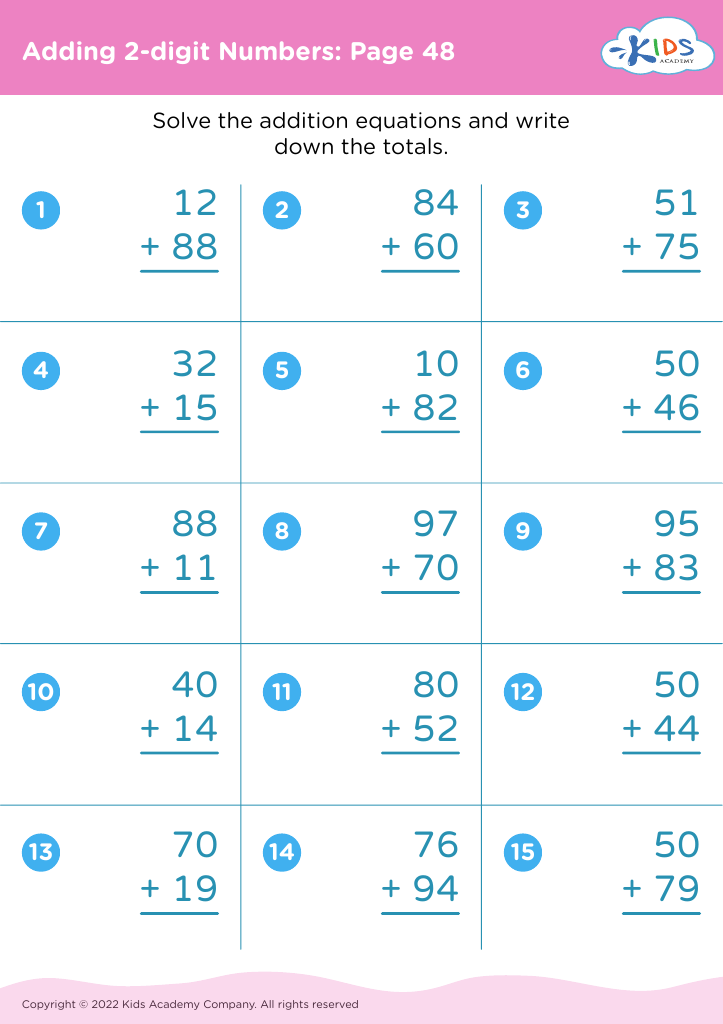
Adding 2-digit Numbers: Page 48

Adding 2-digit Numbers: Page 48

Adding 2-digit Numbers: Page 48
Worksheet
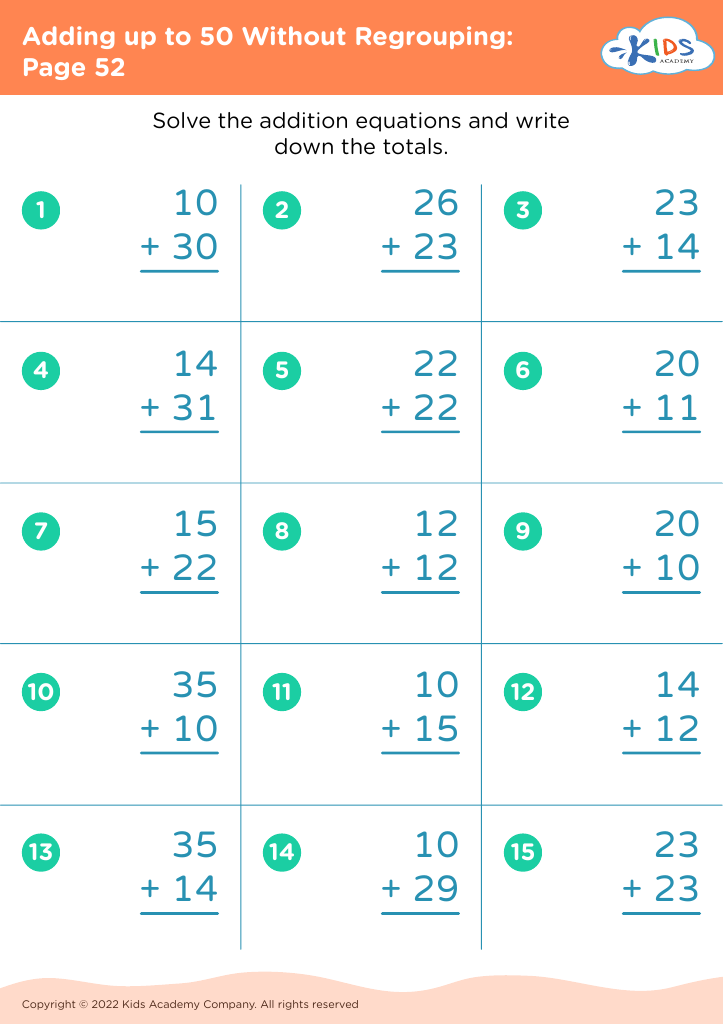
Adding up to 50 Without Regrouping: Page 52
Worksheet
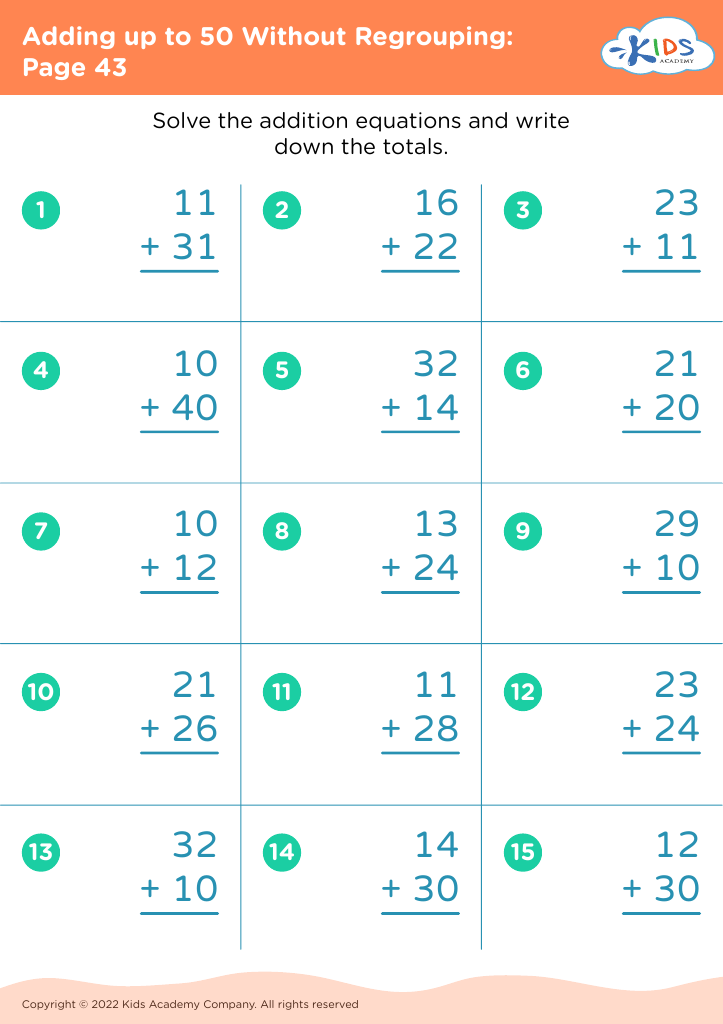
Adding up to 50 Without Regrouping: Page 43
Worksheet
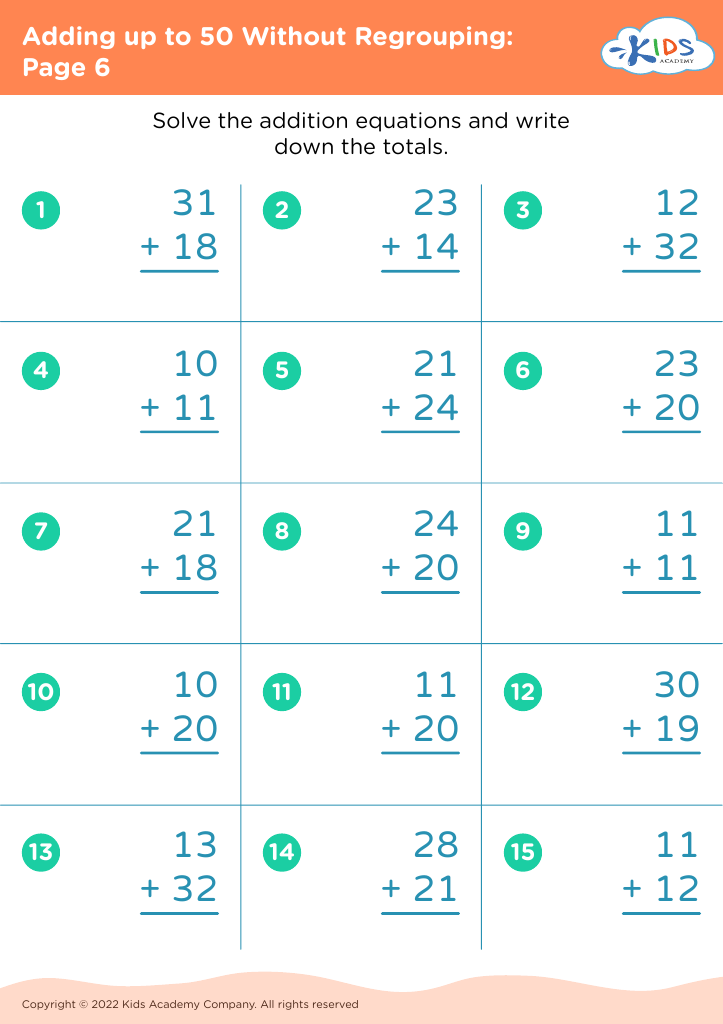
Adding up to 50 Without Regrouping: Page 6
Worksheet
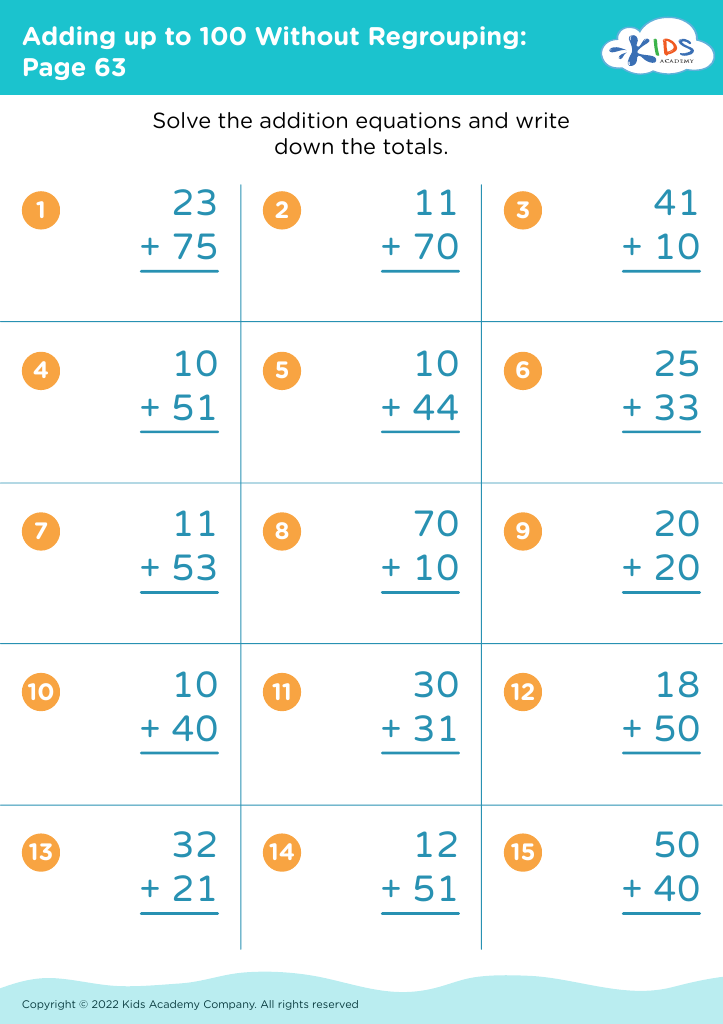
Adding up to 100 Without Regrouping: Page 63
Worksheet
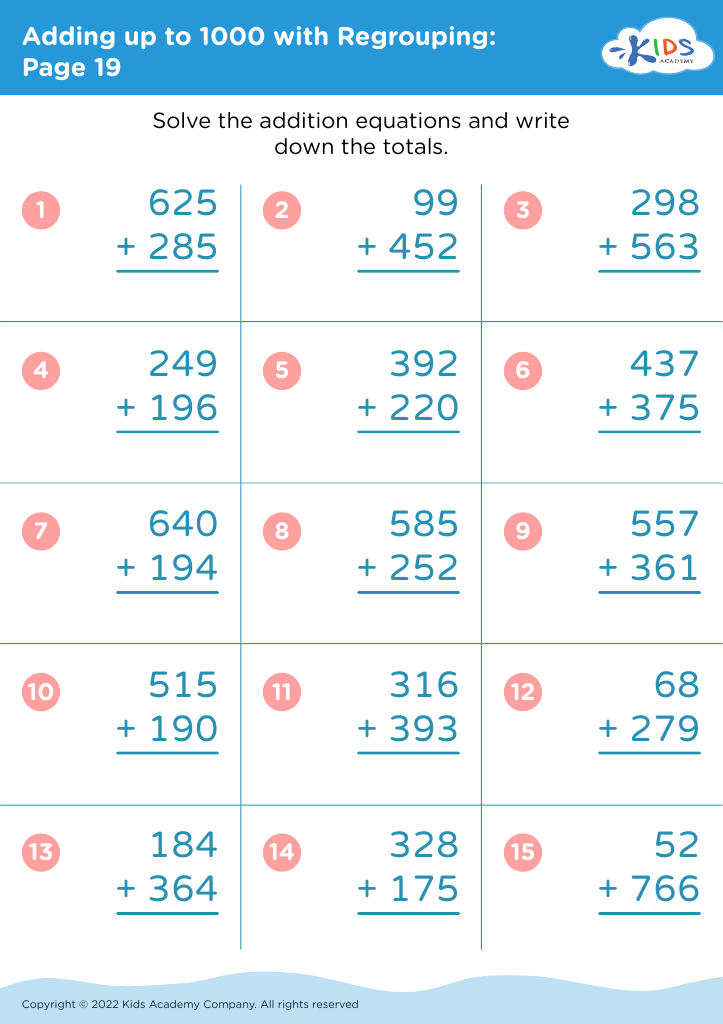
Adding up to 1000 with Regrouping: Page 19
Worksheet
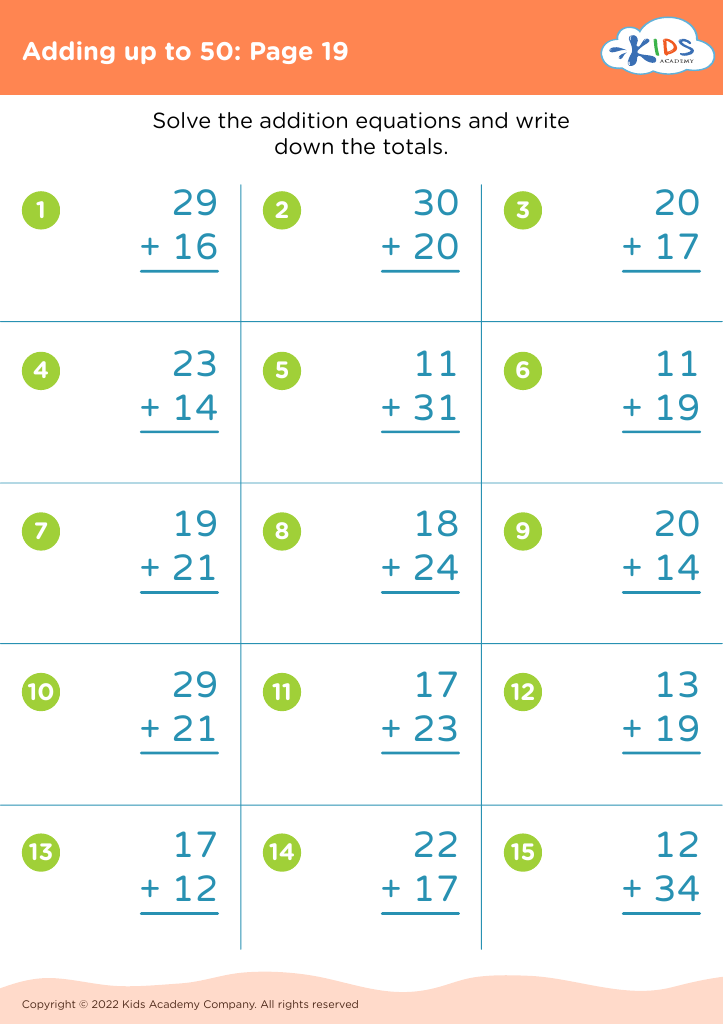
Adding up to 50: Page 19

Adding up to 50: Page 19

Adding up to 50: Page 19
Worksheet
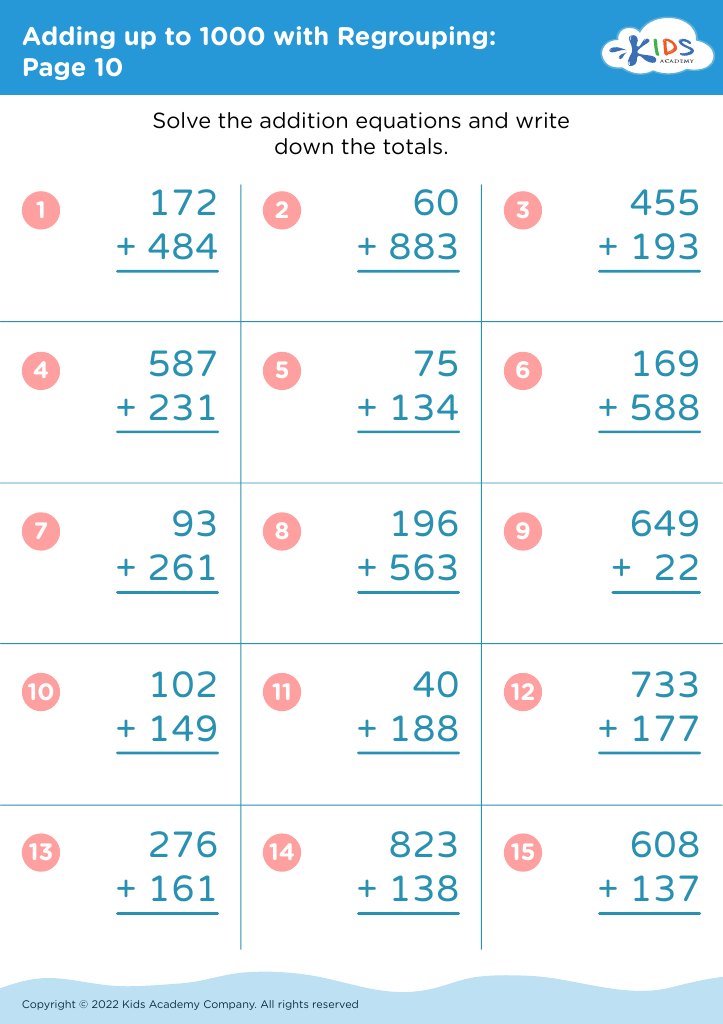
Adding up to 1000 with Regrouping: Page 10
Worksheet
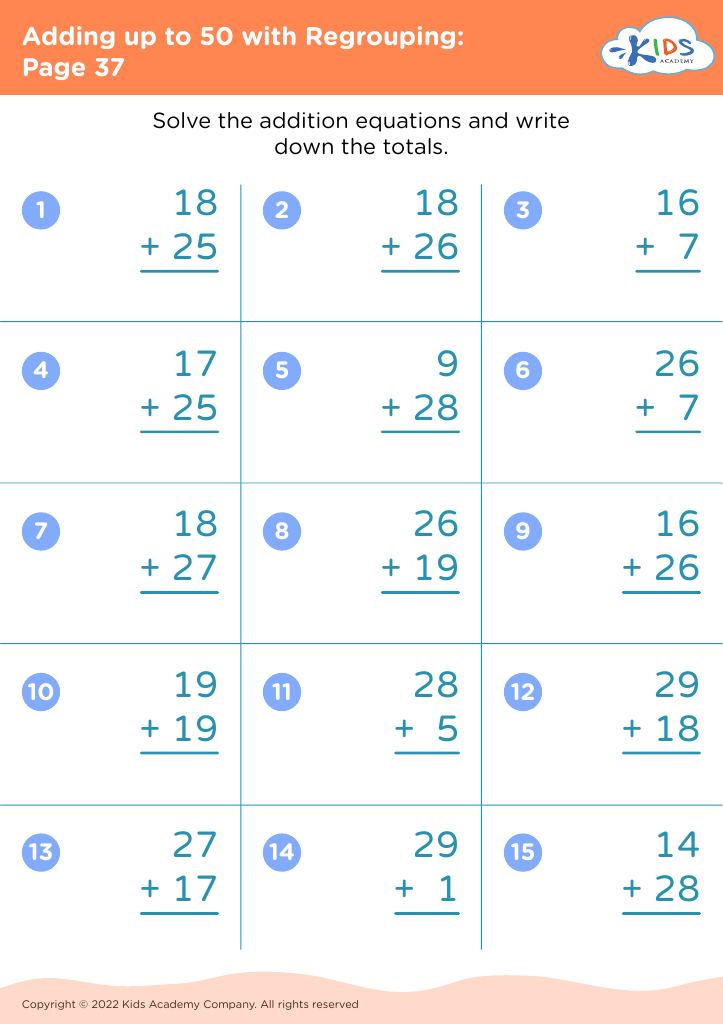
Adding up to 50 with Regrouping: Page 37
Worksheet
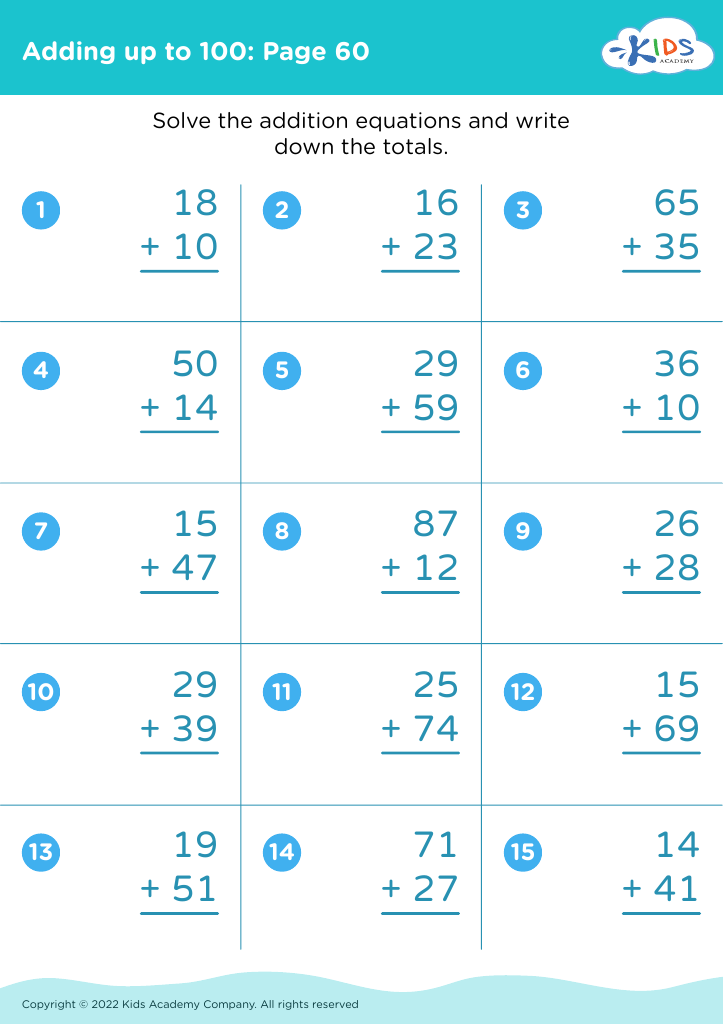
Adding up to 100: Page 60

Adding up to 100: Page 60

Adding up to 100: Page 60
Worksheet
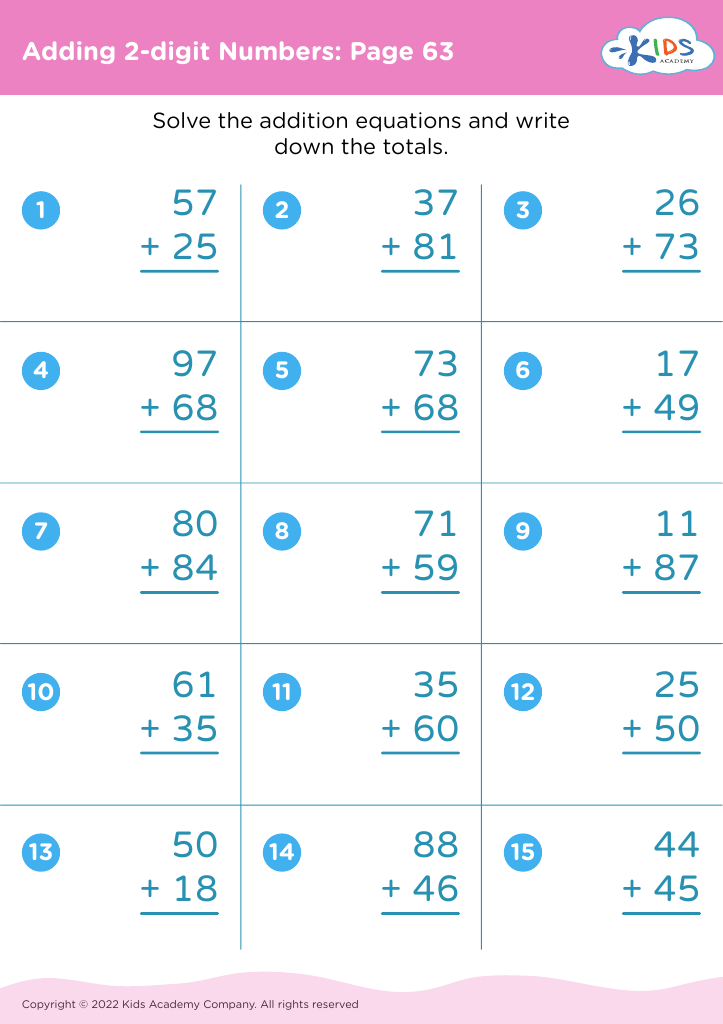
Adding 2-digit Numbers: Page 63

Adding 2-digit Numbers: Page 63

Adding 2-digit Numbers: Page 63
Worksheet
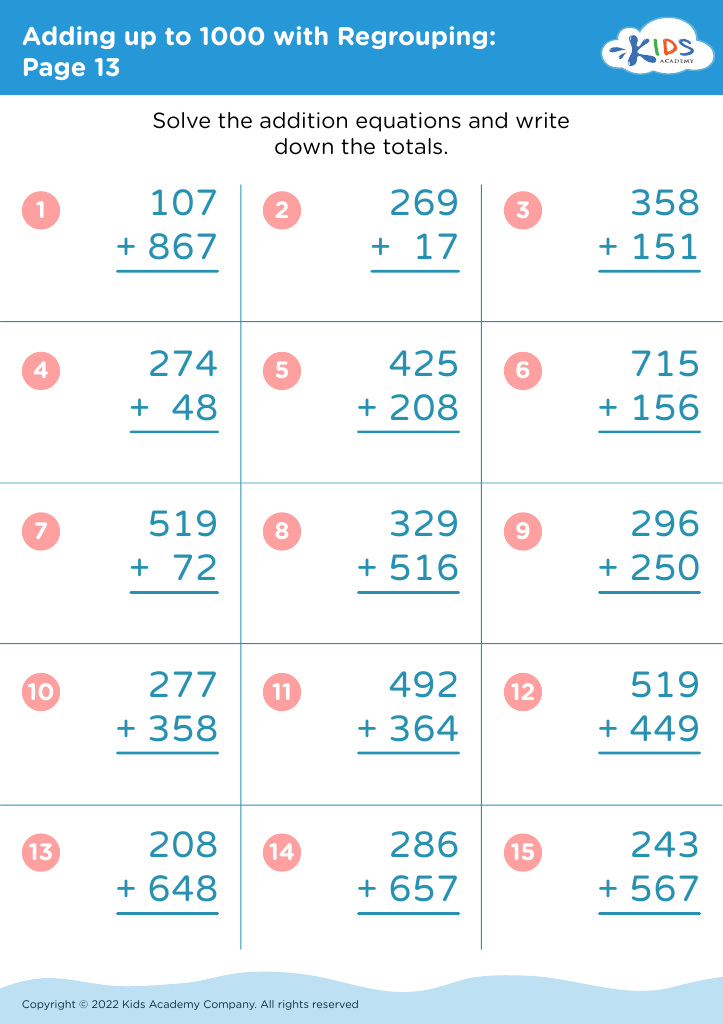
Adding up to 1000 with Regrouping: Page 13
Worksheet
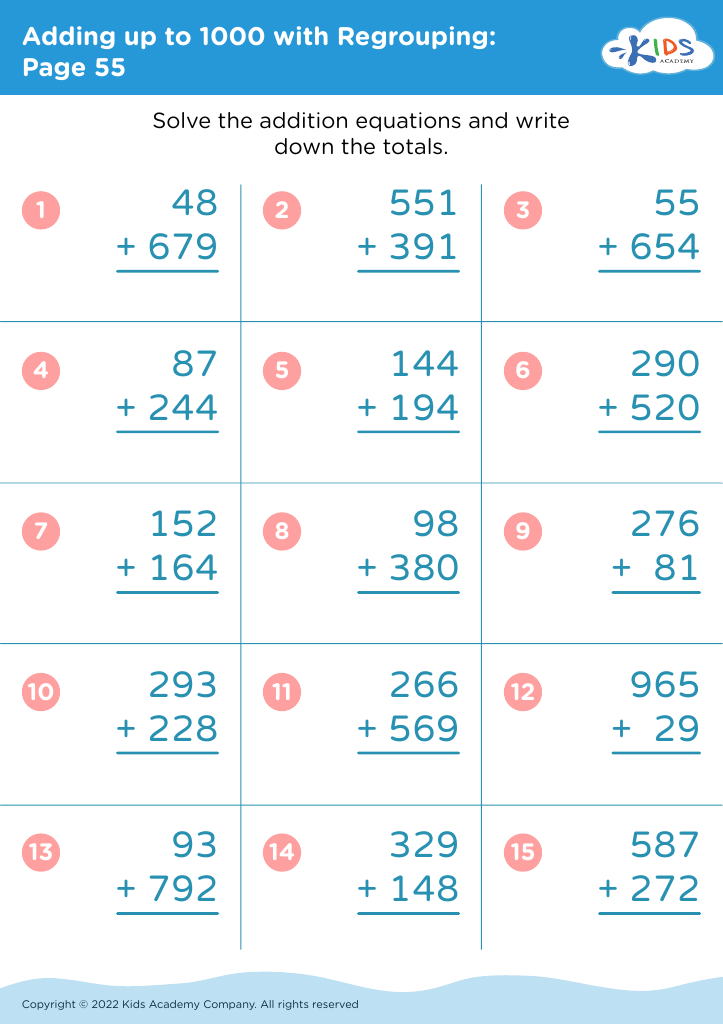
Adding up to 1000 with Regrouping: Page 55
Worksheet
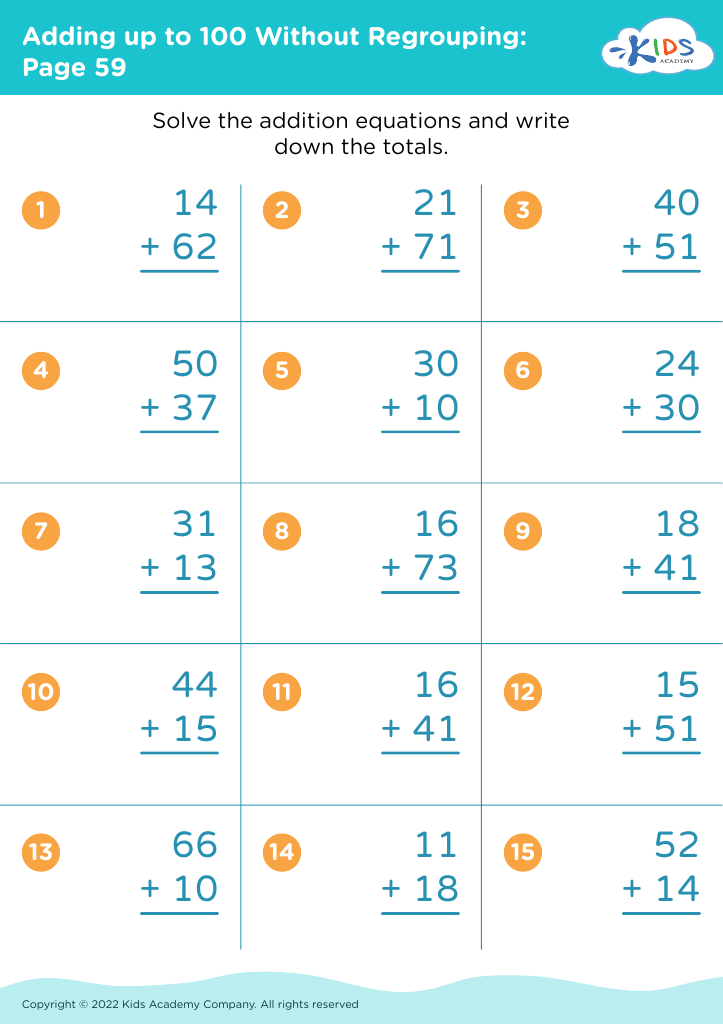
Adding up to 100 Without Regrouping: Page 59
Worksheet
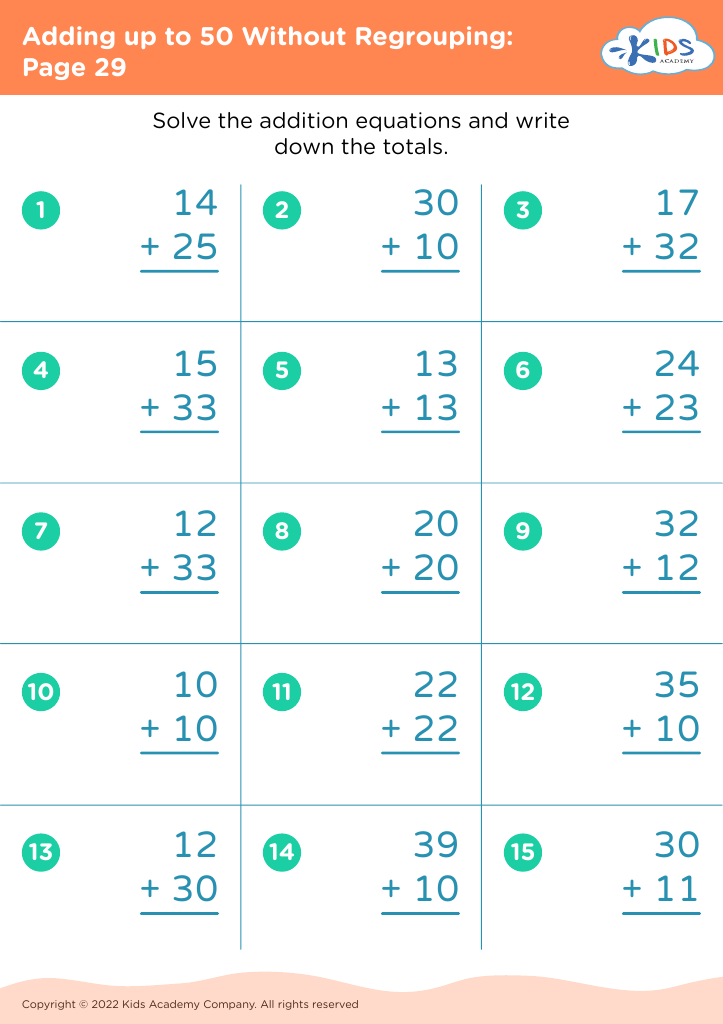
Adding up to 50 Without Regrouping: Page 29
Worksheet
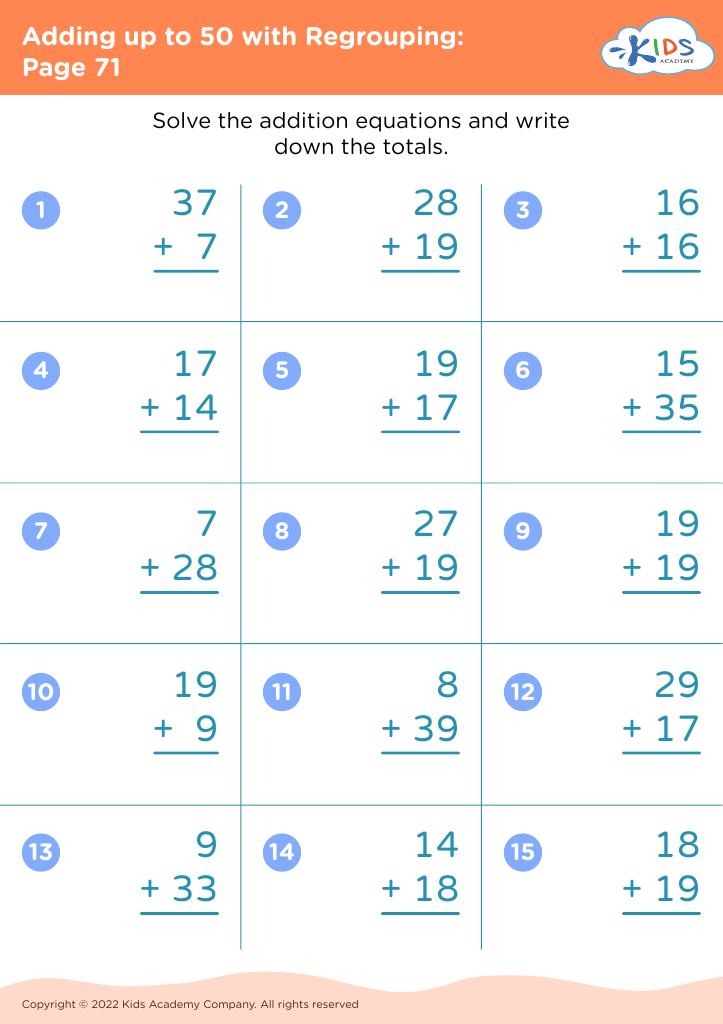
Adding up to 50 with Regrouping: Page 71
Worksheet
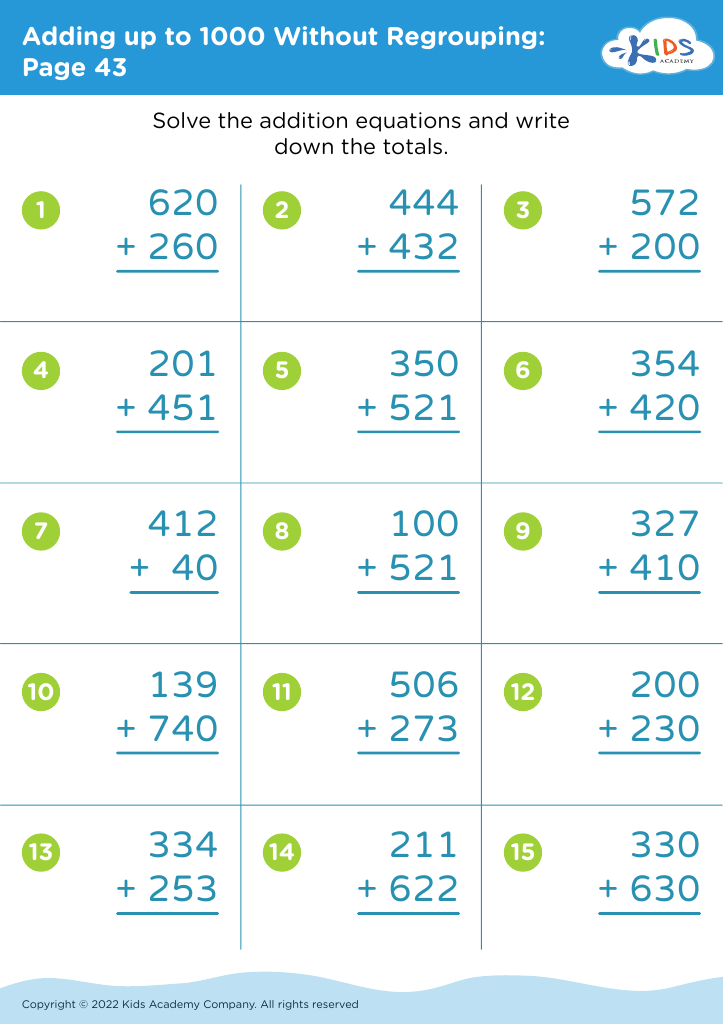
Adding up to 1000 Without Regrouping: Page 43
Worksheet
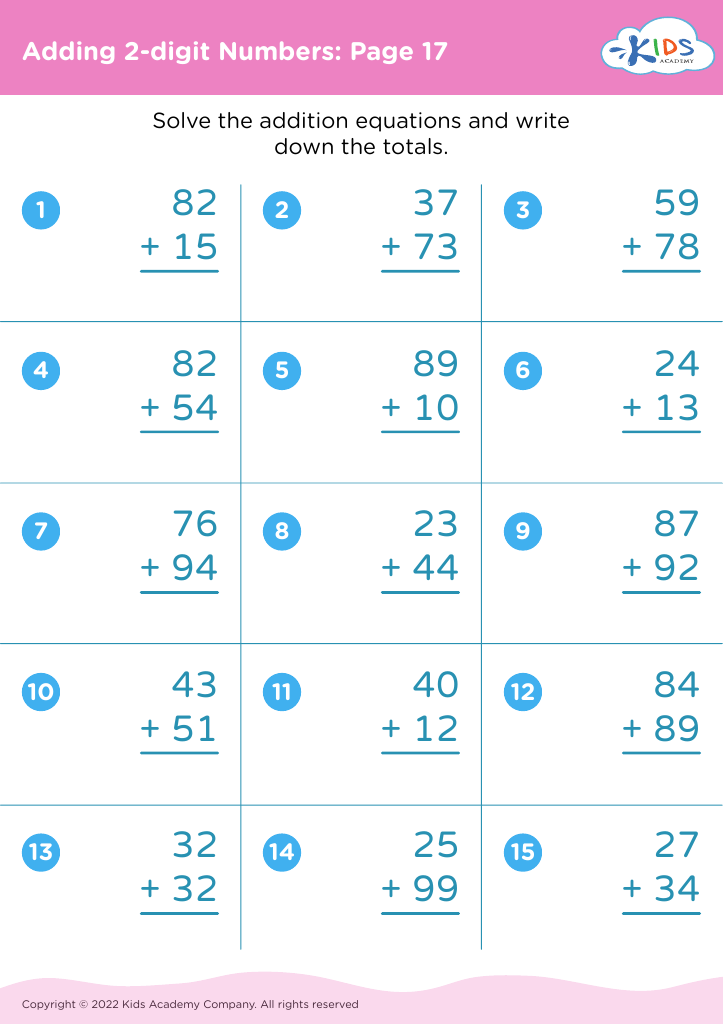
Adding 2-digit Numbers: Page 17

Adding 2-digit Numbers: Page 17

Adding 2-digit Numbers: Page 17
Worksheet
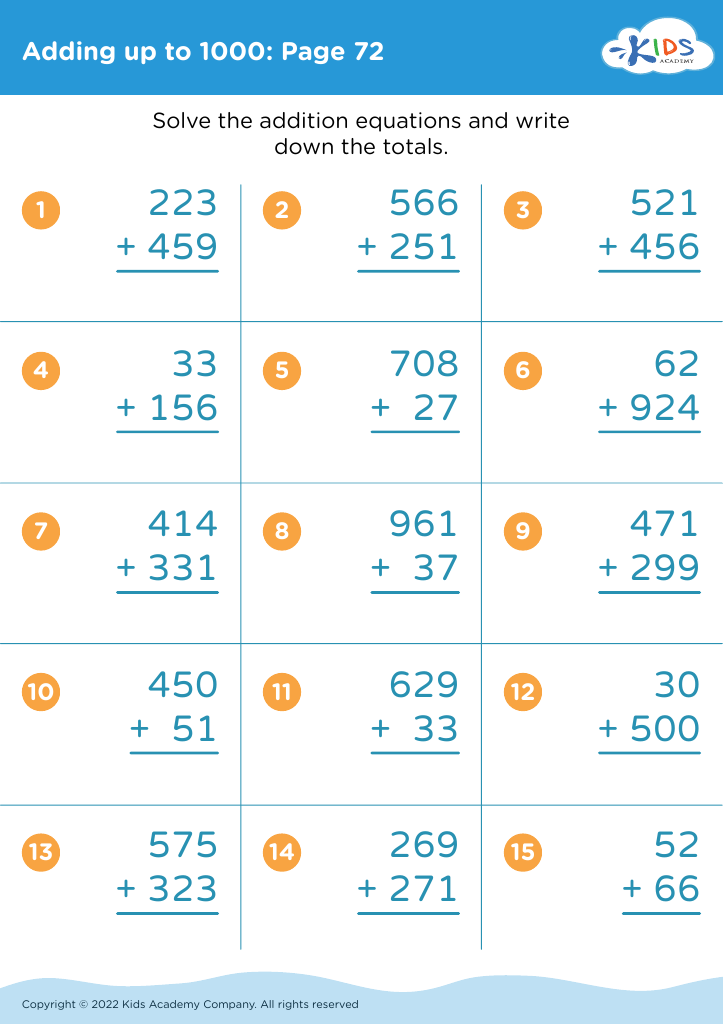
Adding up to 1000: Page 72

Adding up to 1000: Page 72

Adding up to 1000: Page 72
Worksheet
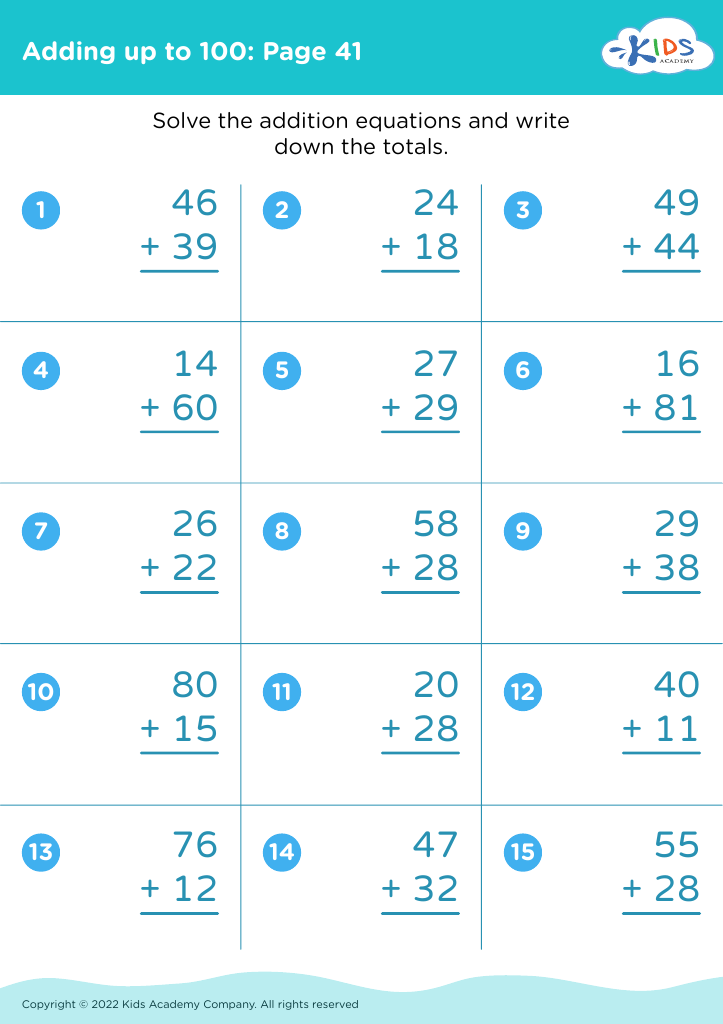
Adding up to 100: Page 41

Adding up to 100: Page 41

Adding up to 100: Page 41
Worksheet
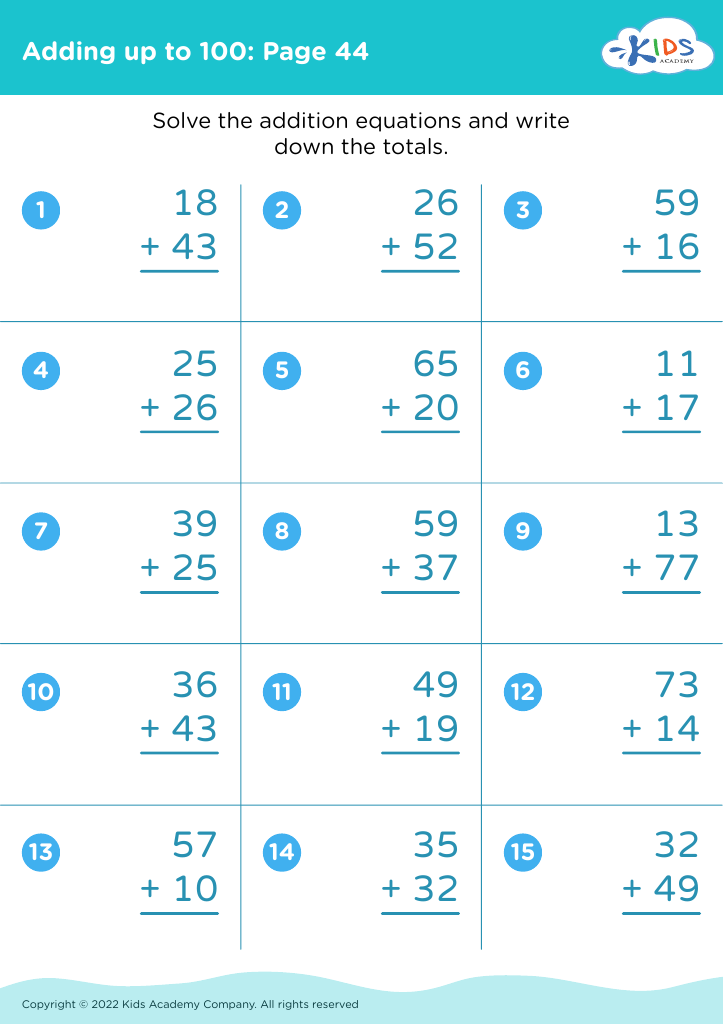
Adding up to 100: Page 44

Adding up to 100: Page 44

Adding up to 100: Page 44
Worksheet


Recognizing patterns in Grade 2 addition and subtraction is foundational for mathematical understanding and cognitive development. Patterns help children discern and predict sequences, enhancing problem-solving skills and logical thinking. When children recognize patterns, they can apply known strategies to new problems, fostering a deeper grasp of math concepts.

For parents and teachers, emphasizing pattern recognition provides several advantages. First, it aids in memorization and recall; children who recognize patterns in addition and subtraction facts can quickly and accurately retrieve answers. For instance, knowing that adding 10 to any number increases its value significantly by the same amount helps cement understanding of base-10 place value.

Second, patterns lay groundwork for more advanced math. Familiarity with addition and subtraction patterns assists in comprehending multiplication, division, and algebra later on. Patterns also illustrate relationships between numbers—like even and odd numbers or multiples—building number sense.

Moreover, recognizing patterns nurtures critical thinking. Children learn to analyze and make sense of rules governing arithmetic operations rather than relying solely on rote memorization or isolated facts.

In conclusion, integrating pattern recognition in early-grade addition and subtraction supports comprehensive math education. Parents and teachers who focus on these foundational skills foster mathematical fluency and analytical thinking, equipping children for future success in more complex mathematical concepts.