Basic subtraction Grade 2 Addition Worksheets
4 filtered results
Difficulty Level
Grade
Age
-
From - To
Subject
Activity
Standards
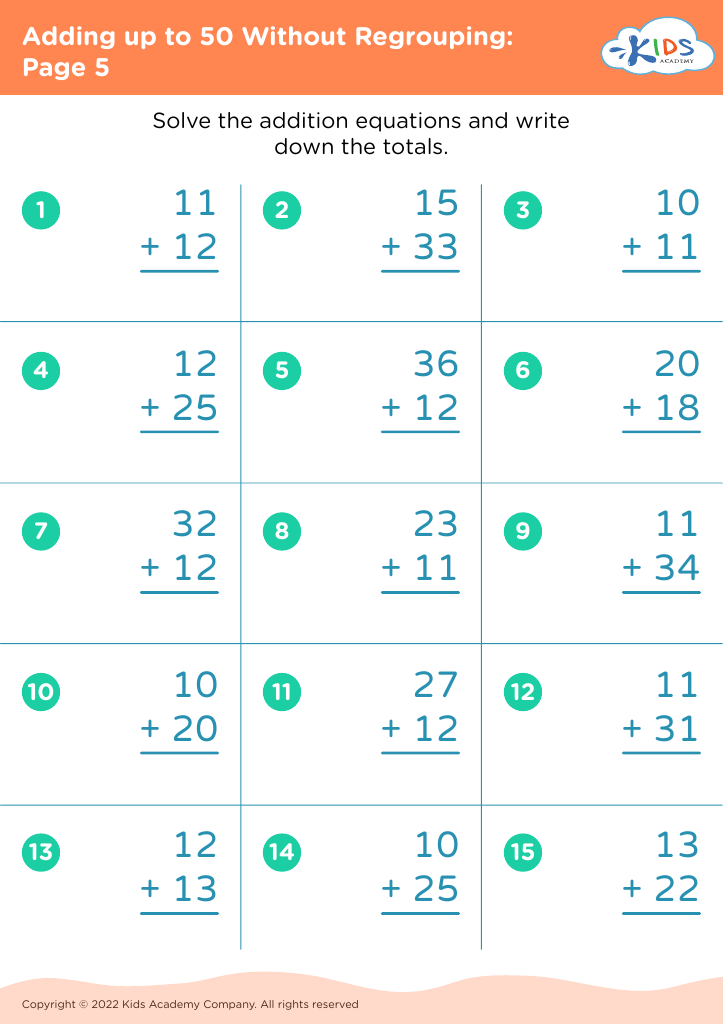
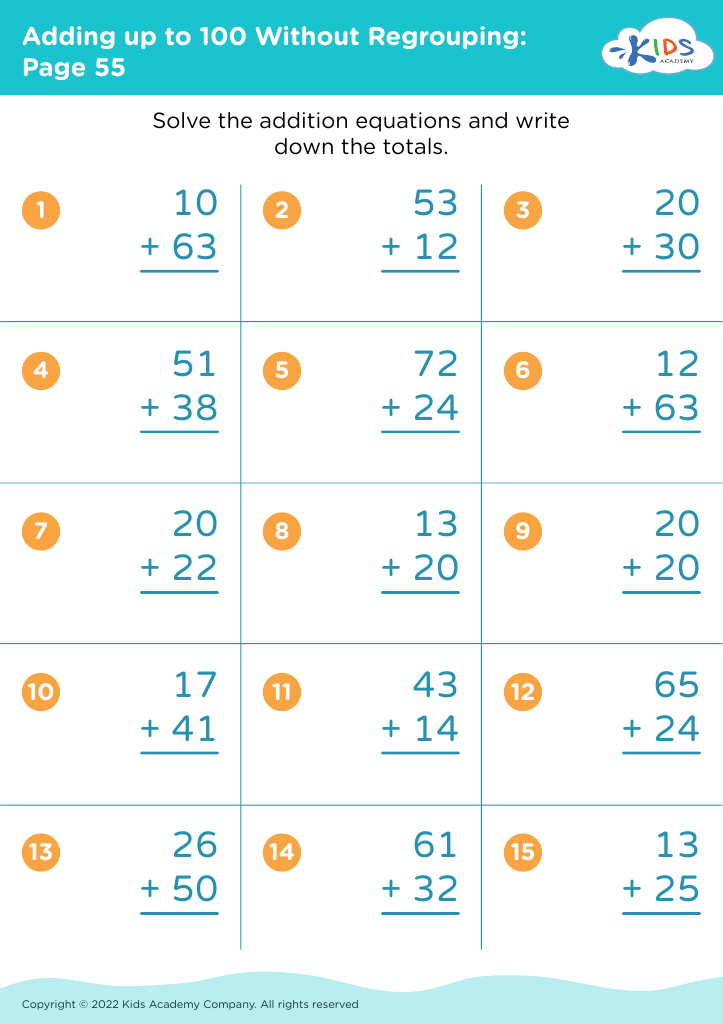
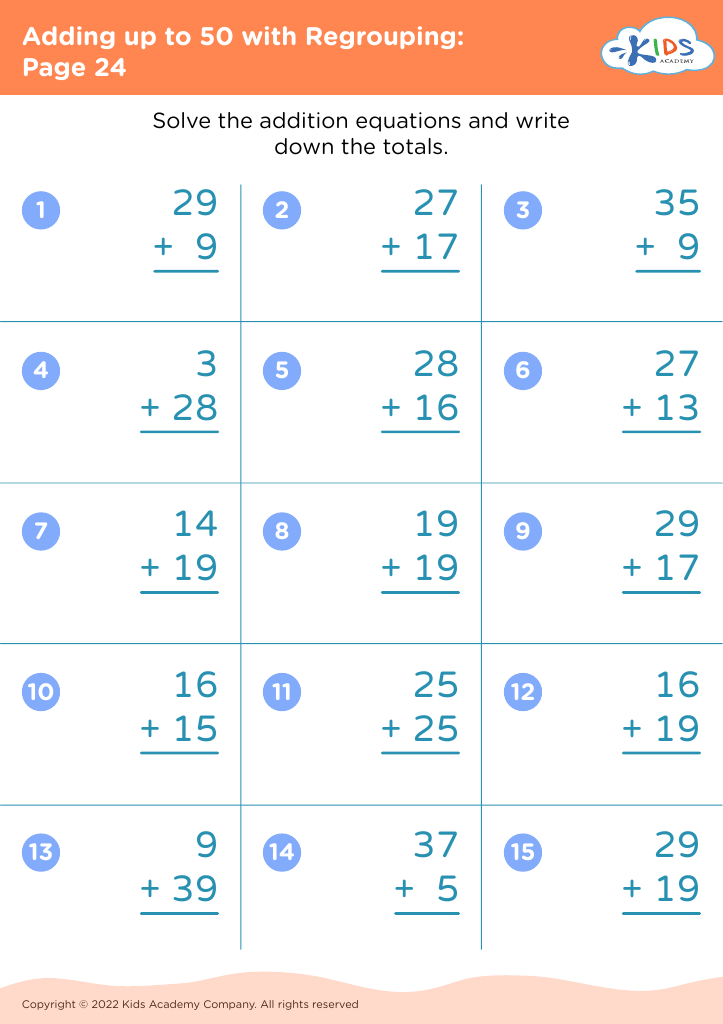
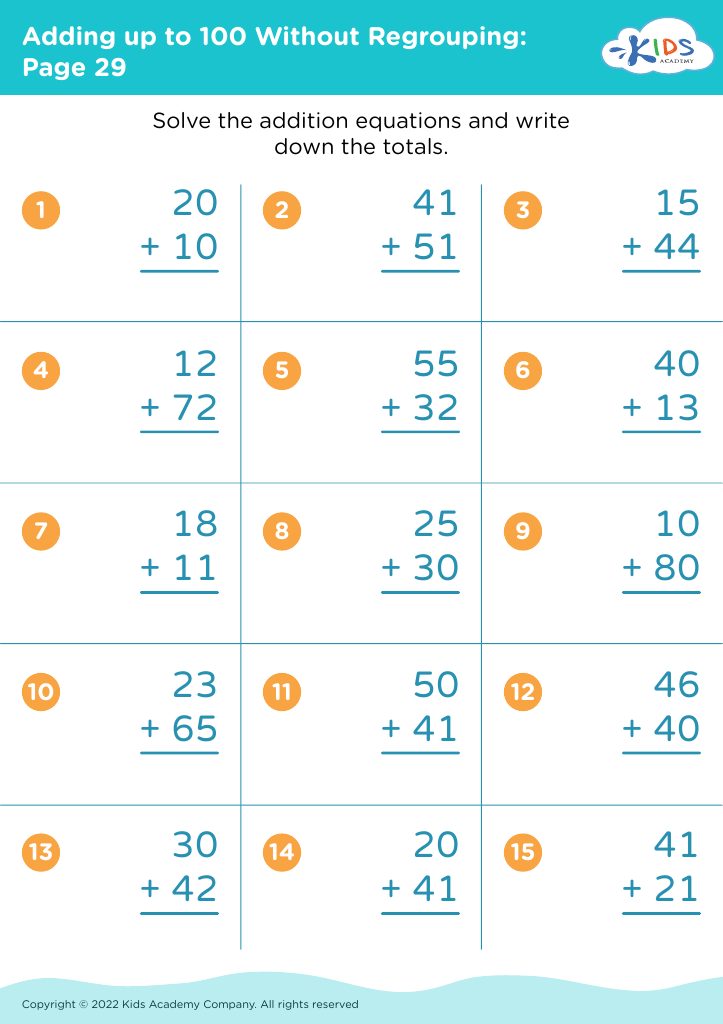
Welcome to our Basic Subtraction Grade 2 Addition Worksheets, designed to build essential math skills for young learners! This curated collection features engaging worksheets that help second graders master foundational subtraction concepts. With a variety of fun and interactive exercises, students will practice solving subtraction problems, reinforcing their understanding of numbers while enhancing their critical thinking abilities. These worksheets are ideal for classroom use or at-home learning, allowing children to progress at their own pace. Empower your child with the confidence they need in mathematics and watch them excel with our comprehensive resources. Start your subtraction journey today!
Favorites
With answer key
Interactive
Join Kids Academy for Free
Who is primarily going to use this learning content?








Parents and teachers should care about basic subtraction and addition for Grade 2 because these foundational skills are crucial for students’ mathematical development and overall academic success. Mastery of basic subtraction and addition forms the cornerstone for more advanced mathematical concepts later in life.
At this stage, children reinforce their understanding of numbers, develop critical thinking skills, and enhance their problem-solving abilities. Understanding these concepts promotes confidence, allowing students to approach more complex mathematics with assurance. Additionally, these skills have practical applications in everyday life, aiding in tasks such as budgeting, shopping, and time management.
Moreover, early mastery of these skills supports cognitive development, allowing children to build connections and develop reasoning skills. Engaging in addition and subtraction activities fosters a positive attitude toward learning and encourages a growth mindset.
Additionally, it’s a wonderful opportunity for parents and teachers to work collaboratively. By understanding and supporting their child’s or student’s progress in these areas, they can provide targeted help, enriching their learning experience. Ultimately, ensuring students develop a strong grasp of basic addition and subtraction paves the way for future success in mathematics and boosts their overall confidence as learners.