Compare fractions Grade 2 Addition Worksheets
5 filtered results
Difficulty Level
Grade
Age
-
From - To
Subject
Activity
Standards
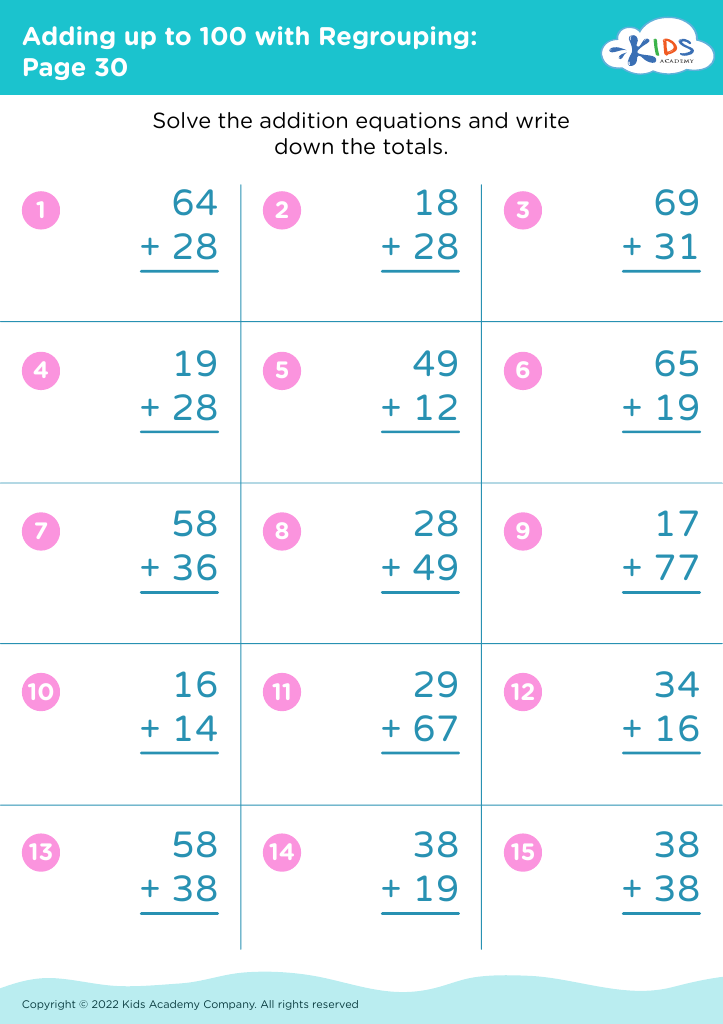
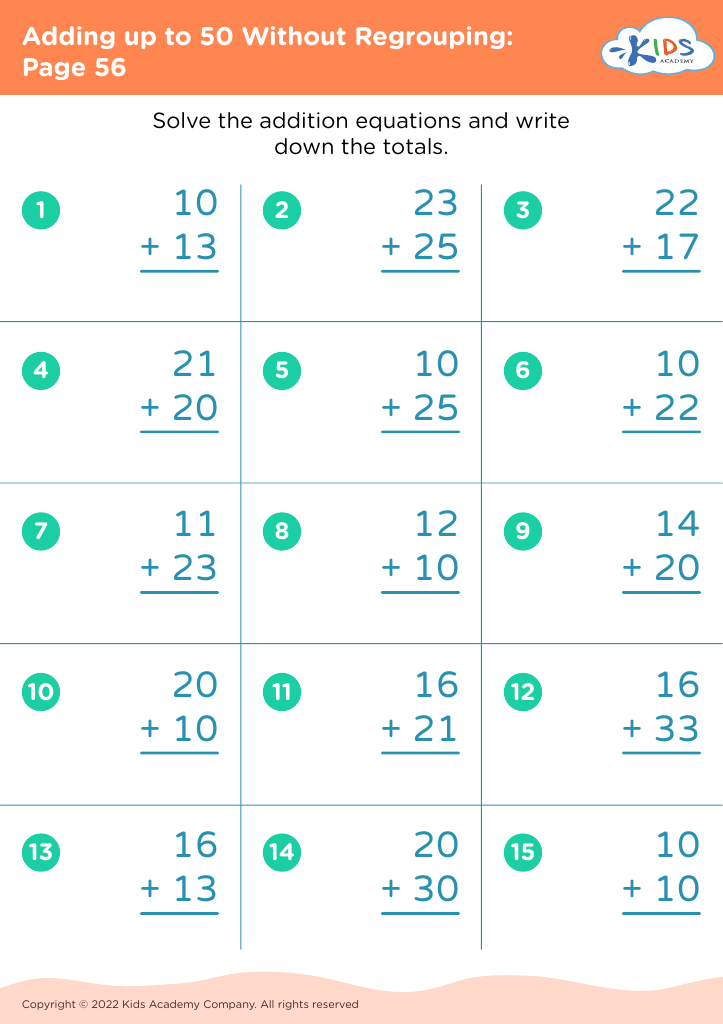
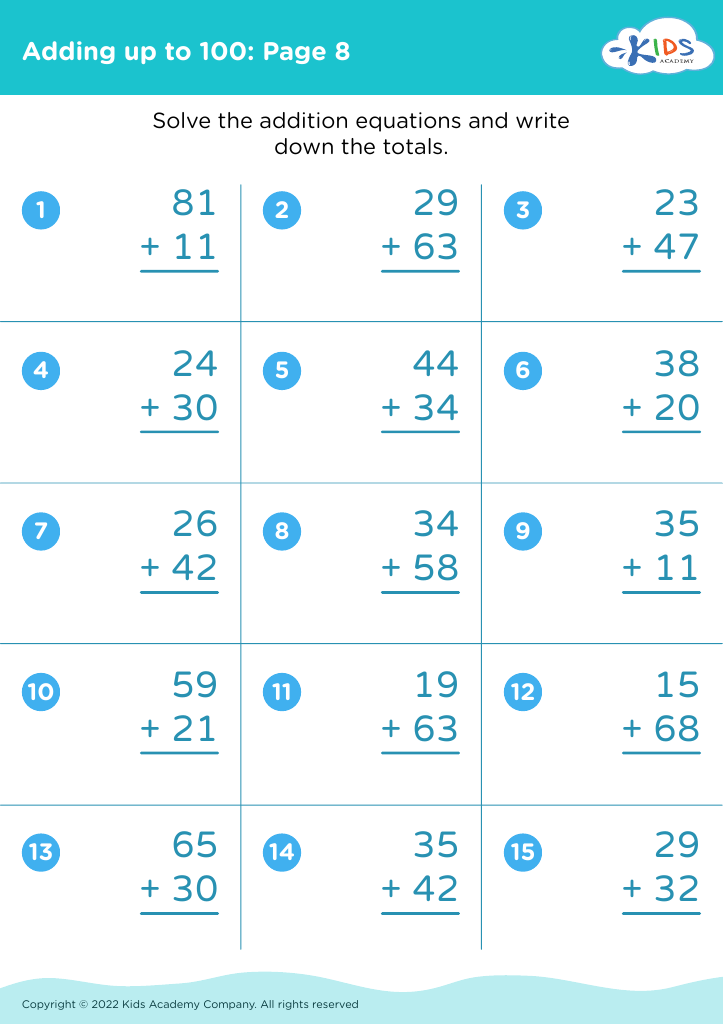
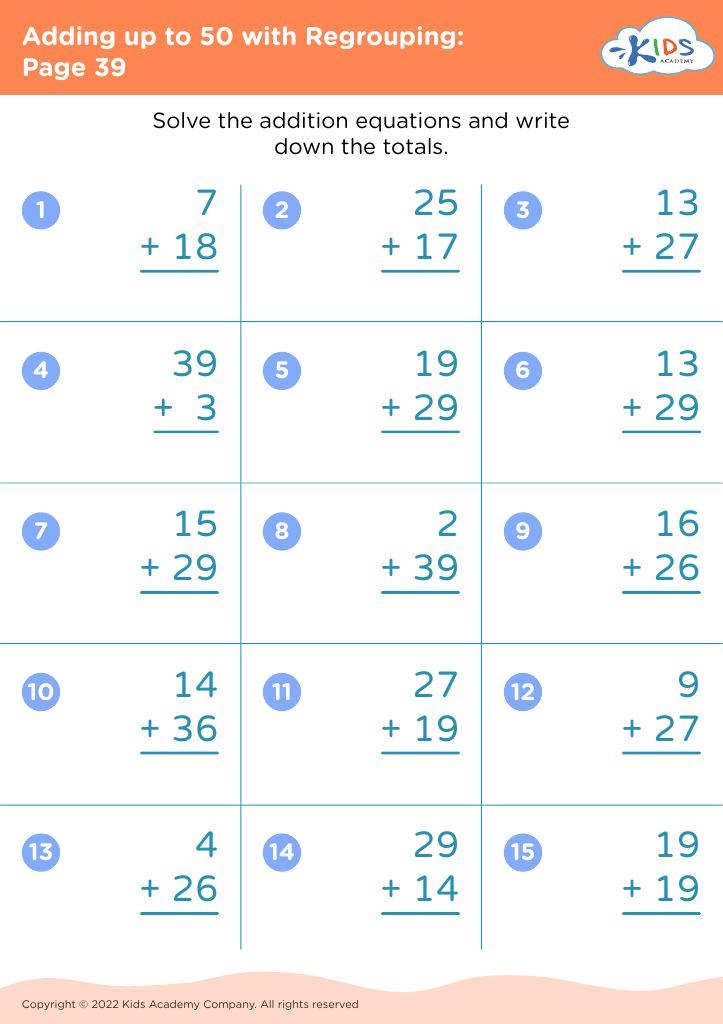
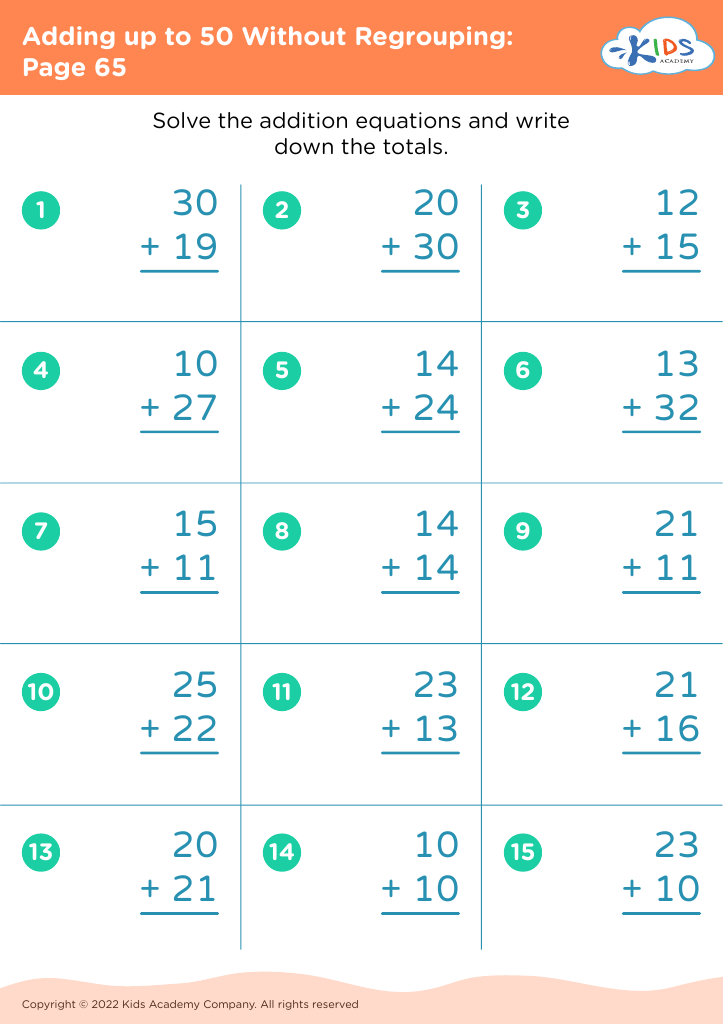
Enhance your second graders' math skills with our engaging "Compare Fractions Grade 2 Addition Worksheets"! Designed to make learning fun and interactive, these worksheets help students understand the concept of fractions by comparing and adding them through visually appealing exercises. Kids will practice identifying greater or smaller fractions and learn how to find common denominators through a variety of activities. Our worksheets not only build fraction comprehension but also reinforce addition skills, ensuring a comprehensive understanding of these essential math concepts. Perfect for homework, tutoring, or classroom use, our worksheets will empower young learners to conquer fractions with confidence!
Favorites
With answer key
Interactive
Join Kids Academy for Free
Who is primarily going to use this learning content?








Understanding how to compare fractions is essential for second-grade students, as it lays the groundwork for more advanced mathematical concepts they will encounter later in their education. Parents and teachers should care about this topic because it fosters critical thinking and problem-solving skills among young learners. When students learn to compare fractions, they grasp the idea of parts of a whole, which aids their understanding of division and helps them make sense of real-world situations—like sharing food or measuring ingredients for cooking.
Moreover, comparing fractions enhances students’ ability to make connections between numbers and promotes numeracy skills, which are foundational for success in mathematics. Teachers can incorporate fun and engaging activities that actively involve students in comparing fractions using visual aids like pie charts or fraction bars. This approach caters to different learning styles and helps reinforce the concept through hands-on experience.
Additionally, when parents show interest in their children's learning, they foster a love for math and support their educational journey. By prioritizing the understanding of fractions, both parents and teachers equip students with the necessary tools for future success in math and everyday decision-making. Engaging with this topic can turn math from a daunting task into an enjoyable challenge.