Filters

34 filtered results

Clear all filters
Favorites
With answer key
Interactive

34 filtered results

Difficulty Level

Grade


Check out this FREE Grade 2 Trial Lesson on Addition!

Irregular Past Tense Verbs

Favorites
With answer key
Interactive
  • Grade 2
  • Reading comprehension
  • Addition
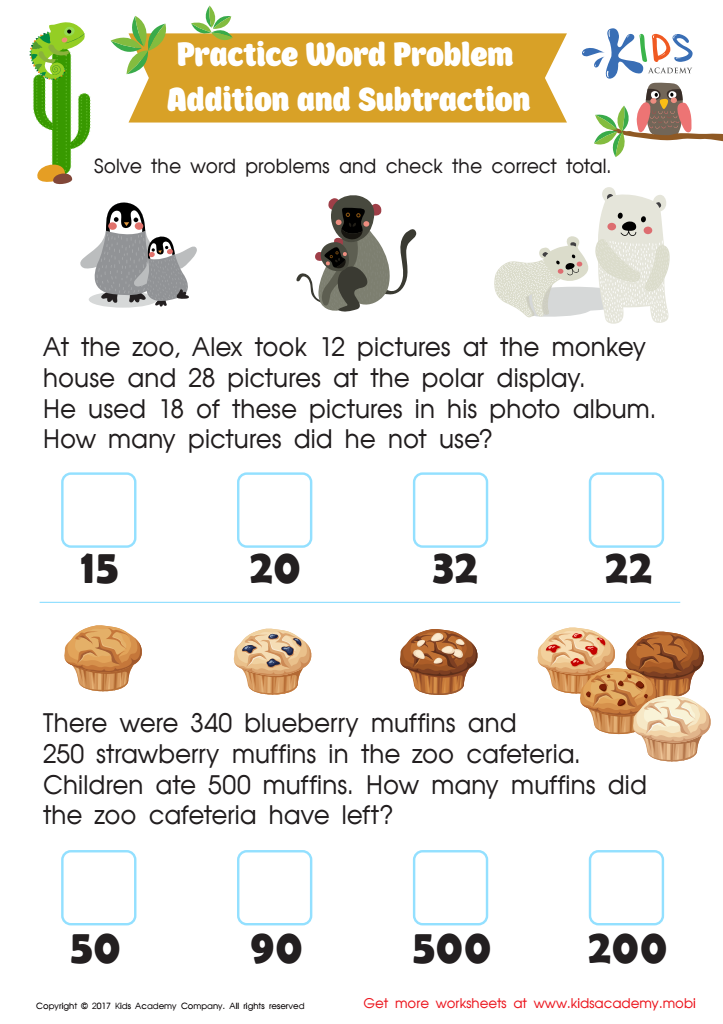
Addition and subtraction word problem worksheet for 3rd grade

Addition and Subtraction: Word Problems Worksheet

Word problems can be difficult, but they offer another way to understand math. Our 3rd grade worksheet takes your child to the zoo; two intriguing word problems will test their thinking skills and help them find the total.
Addition and Subtraction: Word Problems Worksheet
Worksheet
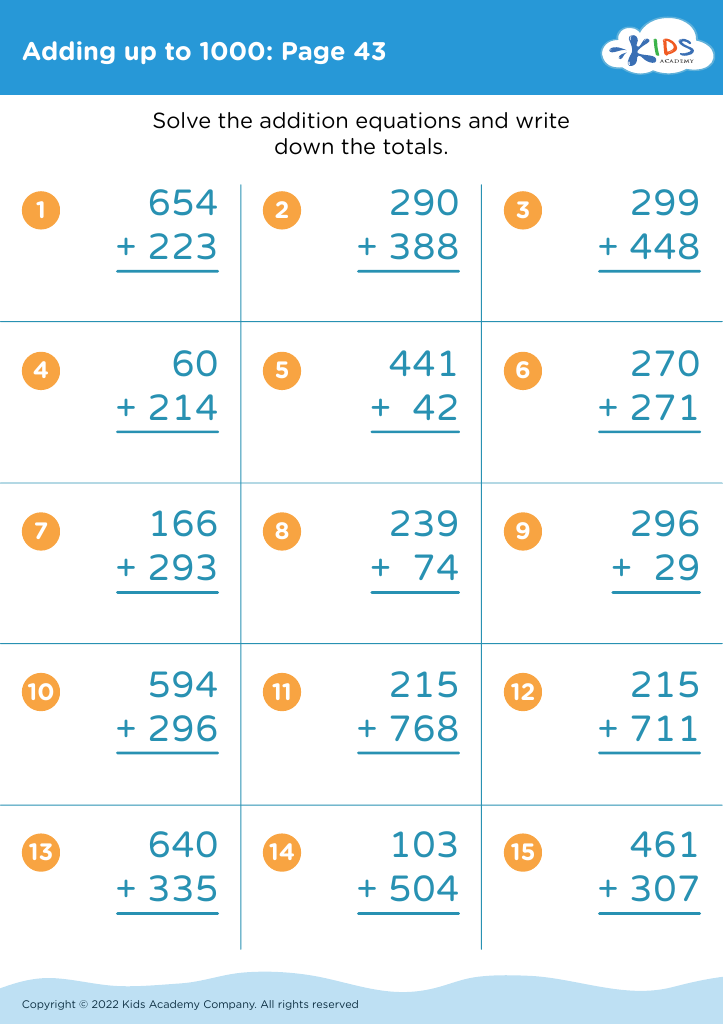
Adding up to 1000: Page 43

Adding up to 1000: Page 43

Adding up to 1000: Page 43
Worksheet
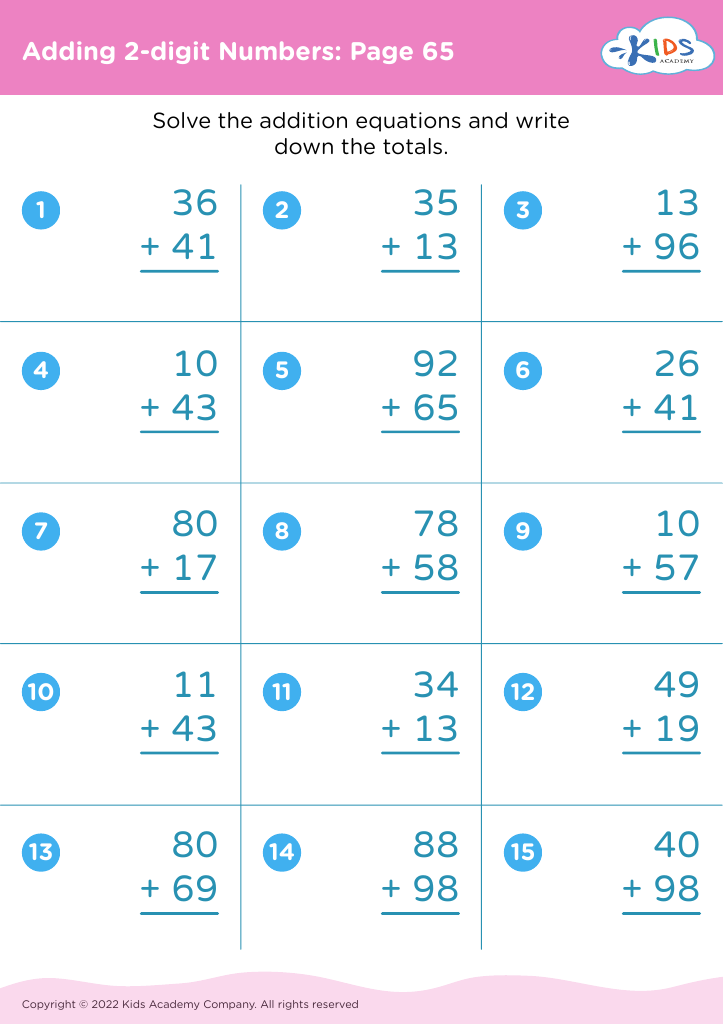
Adding 2-digit Numbers: Page 65

Adding 2-digit Numbers: Page 65

Adding 2-digit Numbers: Page 65
Worksheet
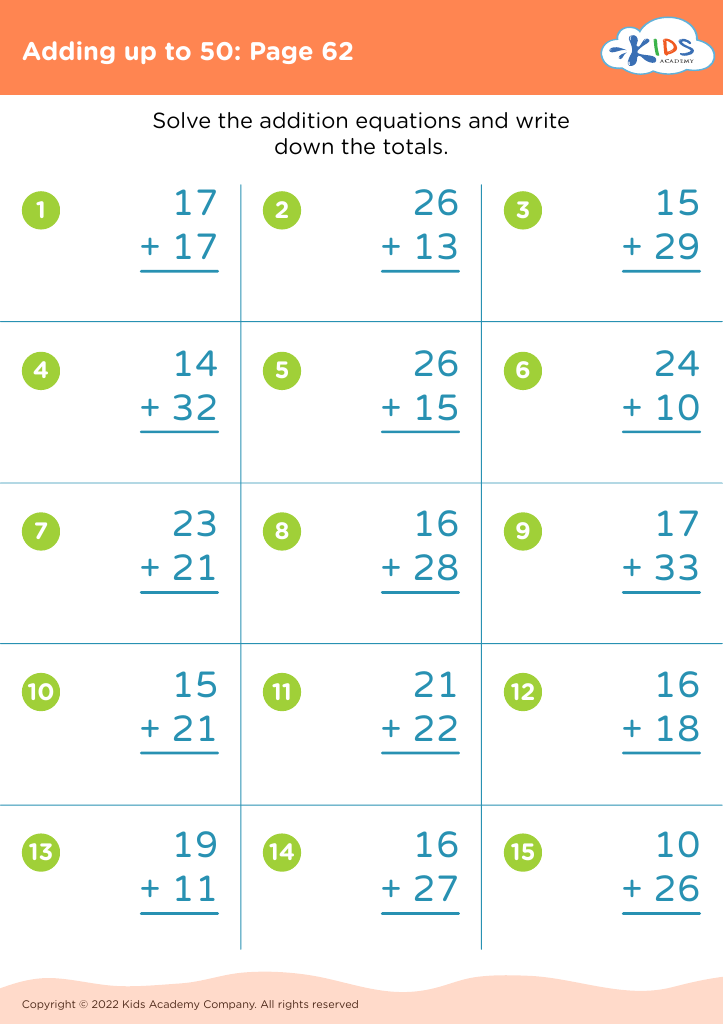
Adding up to 50: Page 62

Adding up to 50: Page 62

Adding up to 50: Page 62
Worksheet
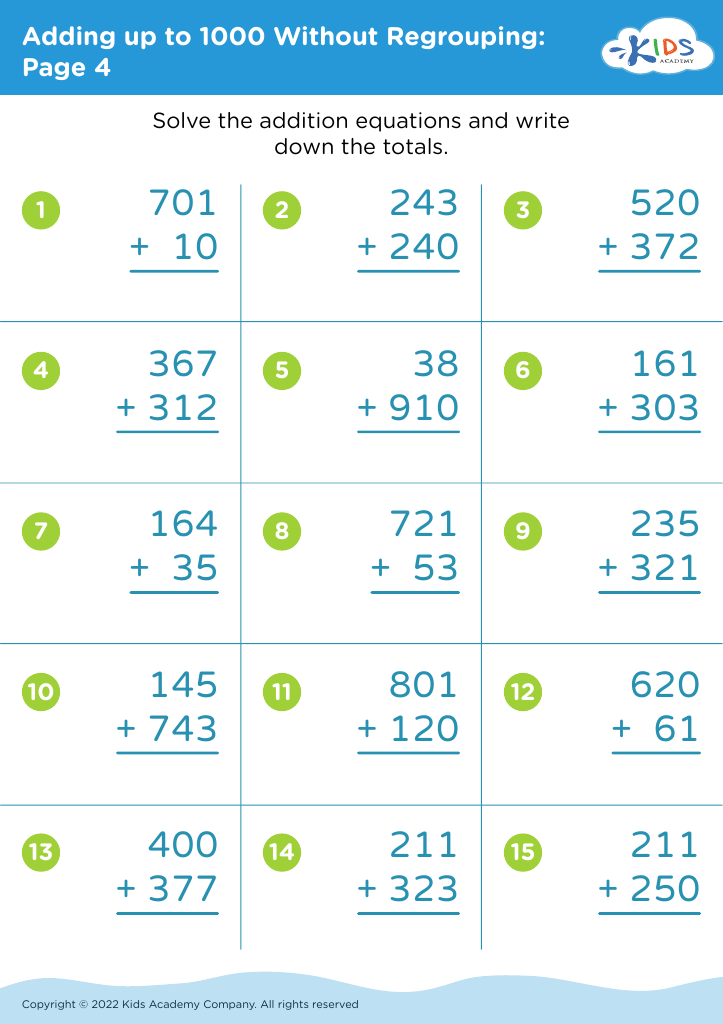
Adding up to 1000 Without Regrouping: Page 4
Worksheet
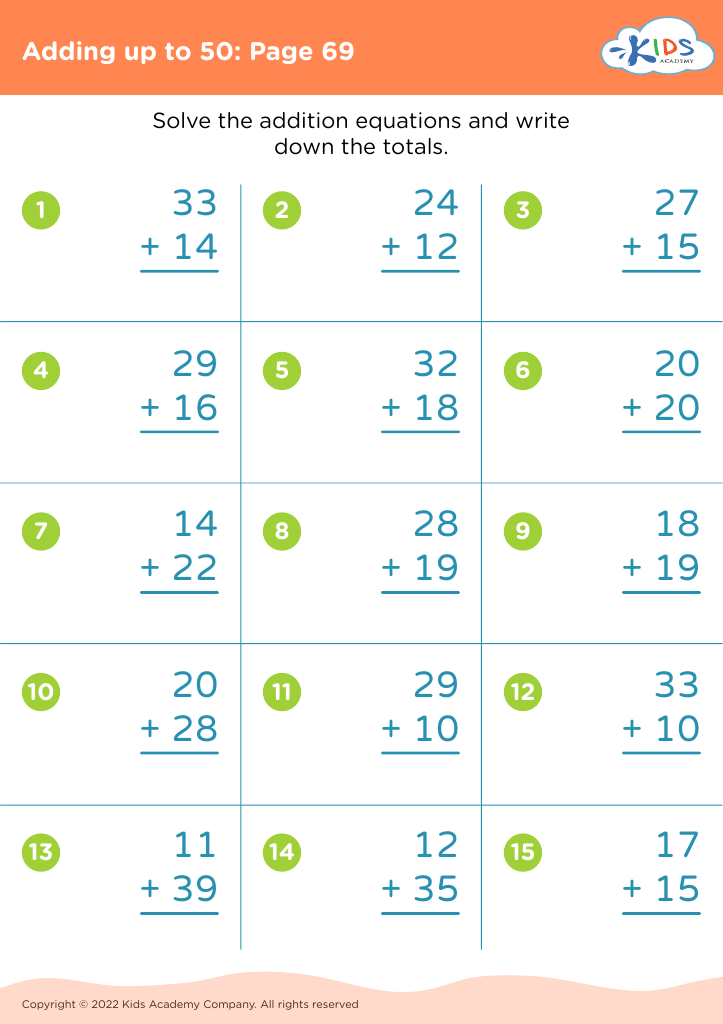
Adding up to 50: Page 69

Adding up to 50: Page 69

Adding up to 50: Page 69
Worksheet
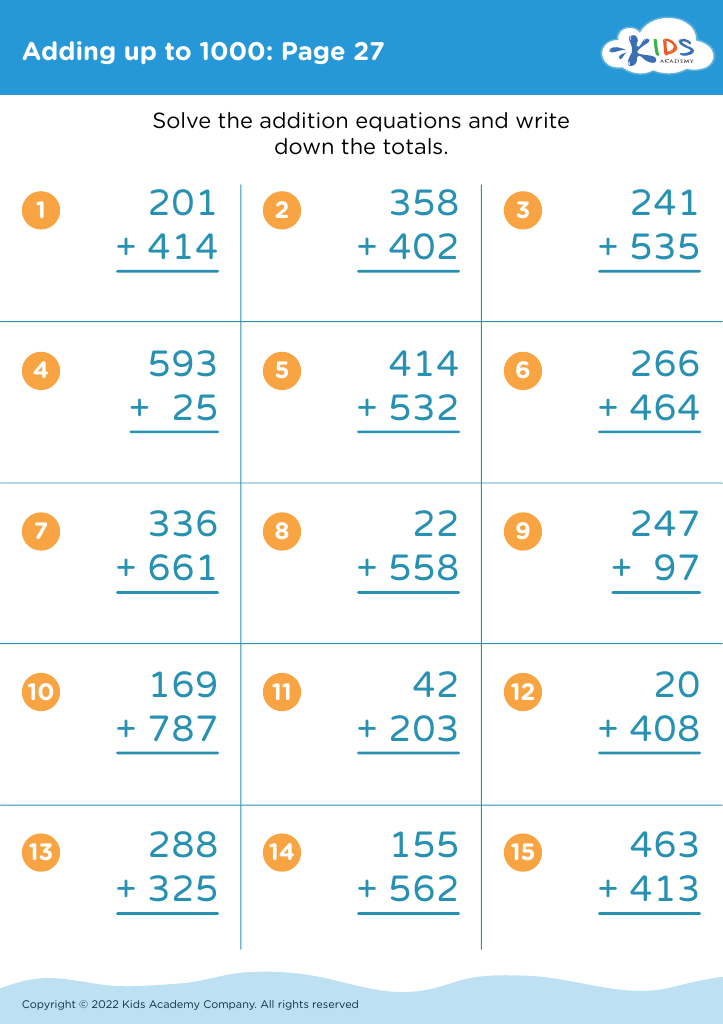
Adding up to 1000: Page 27

Adding up to 1000: Page 27

Adding up to 1000: Page 27
Worksheet
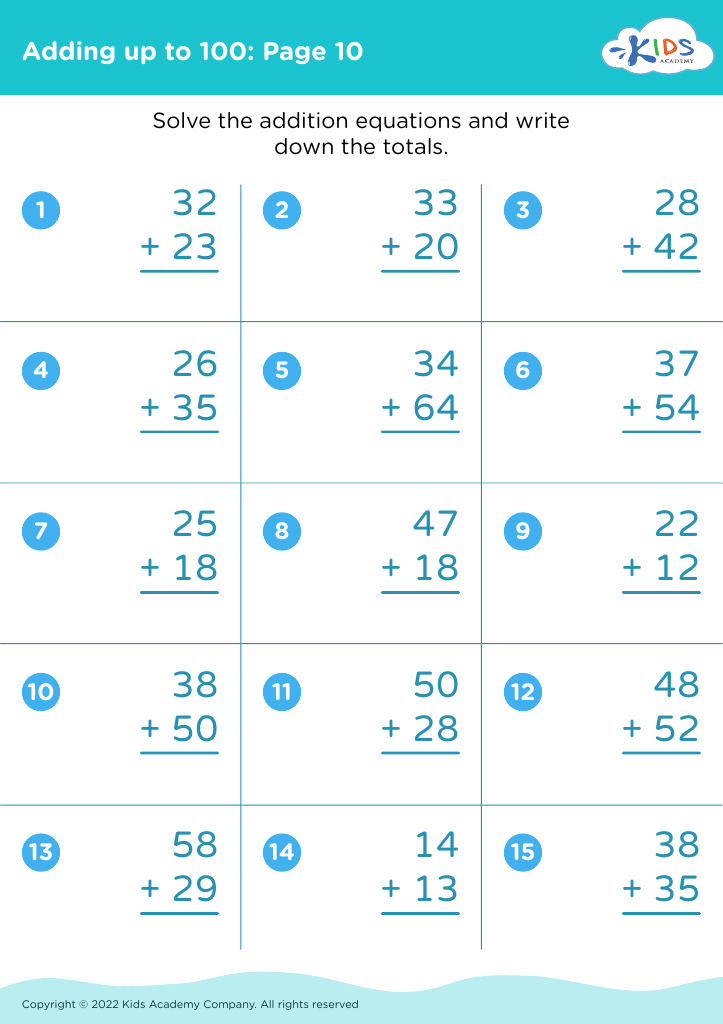
Adding up to 100: Page 10

Adding up to 100: Page 10

Adding up to 100: Page 10
Worksheet
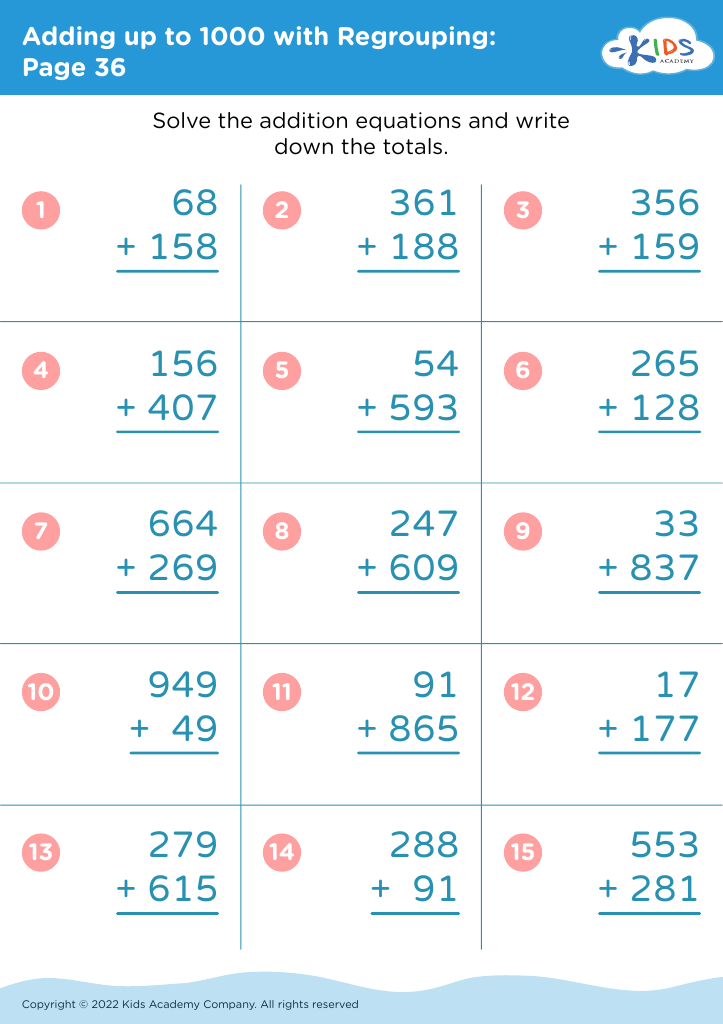
Adding up to 1000 with Regrouping: Page 36
Worksheet
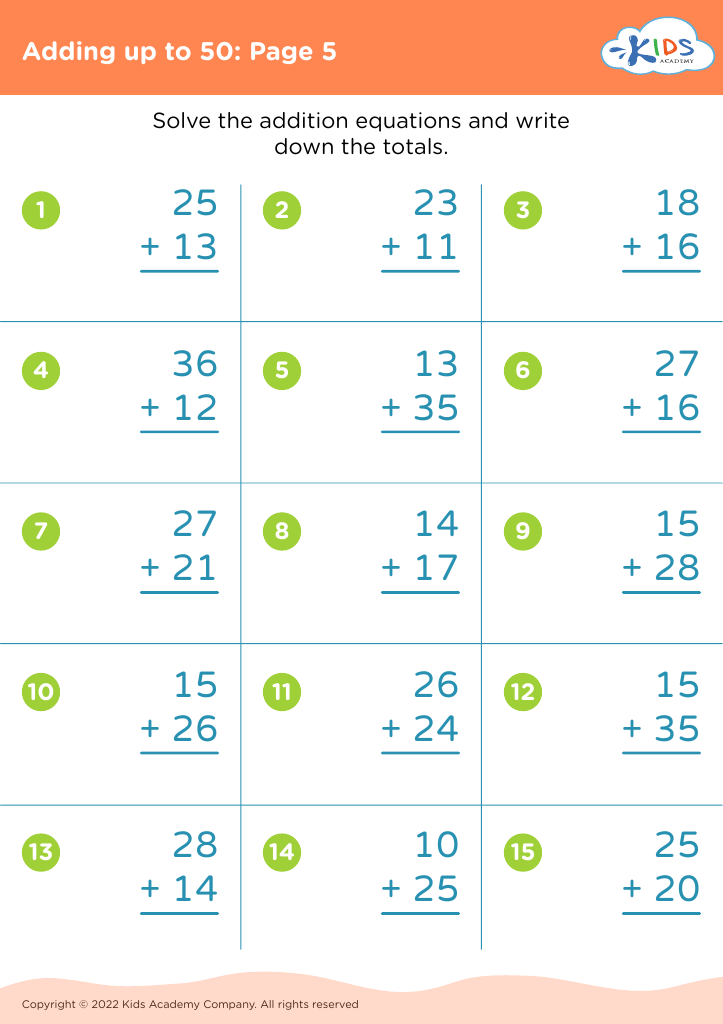
Adding up to 50: Page 5

Adding up to 50: Page 5

Adding up to 50: Page 5
Worksheet


Reading comprehension in Grade 2 is crucial for a child's overall academic development. At this stage, students transition from learning to read to reading to learn. Strong reading skills enable children to understand various subjects, including math vocabulary and concepts, which sets the foundation for addition and other numerical skills.

Teachers and parents should care deeply about this because reading comprehension fosters critical thinking and problem-solving abilities. When students can read and comprehend math problems, they can apply basic addition in real-world contexts, promoting both math fluency and analytical thinking.

Moreover, strong comprehension skills build confidence. A child who understands what they're reading is more likely to engage in discussions and seek help when needed, creating a positive learning environment. Additionally, these skills are linked to future academic success, as students with solid reading comprehension usually perform better across all subjects.

Encouraging a love for reading at home and in the classroom not only enhances a child’s comprehension skills but also helps them make connections between reading and math, providing them with tools for lifelong learning. Hence, prioritizing reading comprehension directly benefits children's overall educational journeys.