Understand multiplication Grade 2 Addition Worksheets
6 filtered results
Difficulty Level
Grade
Age
-
From - To
Subject
Activity
Standards
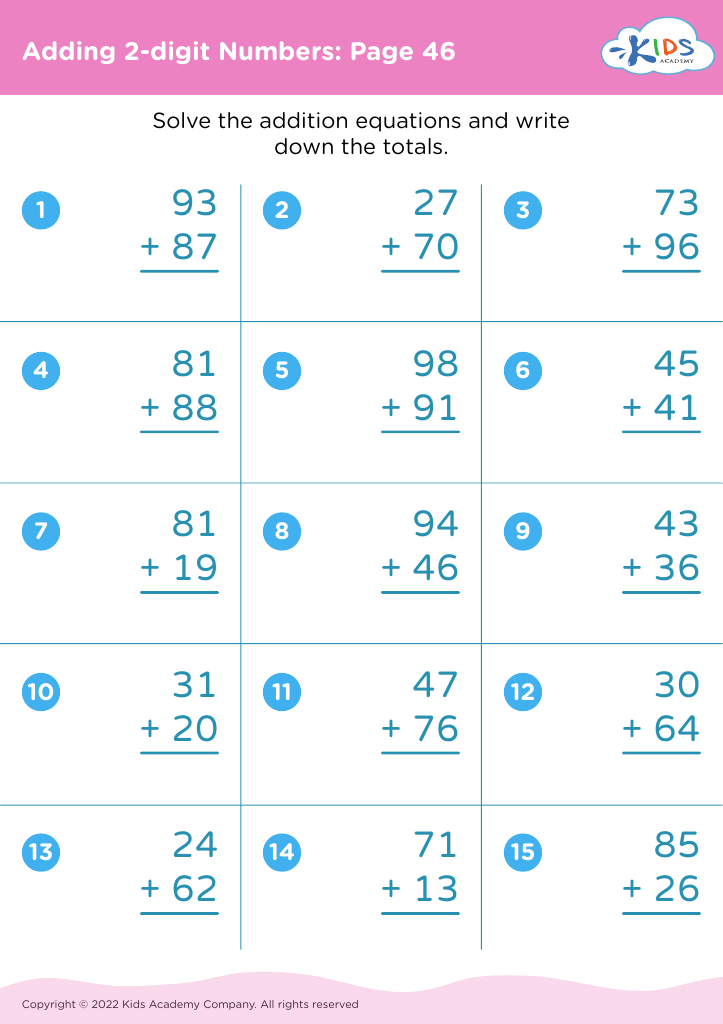
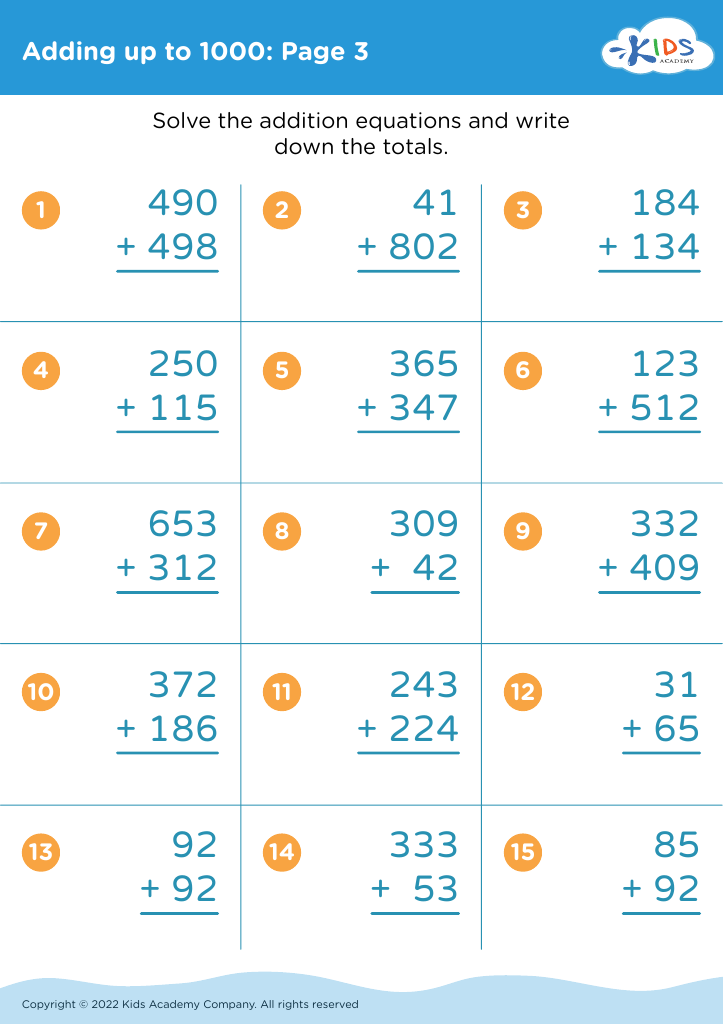
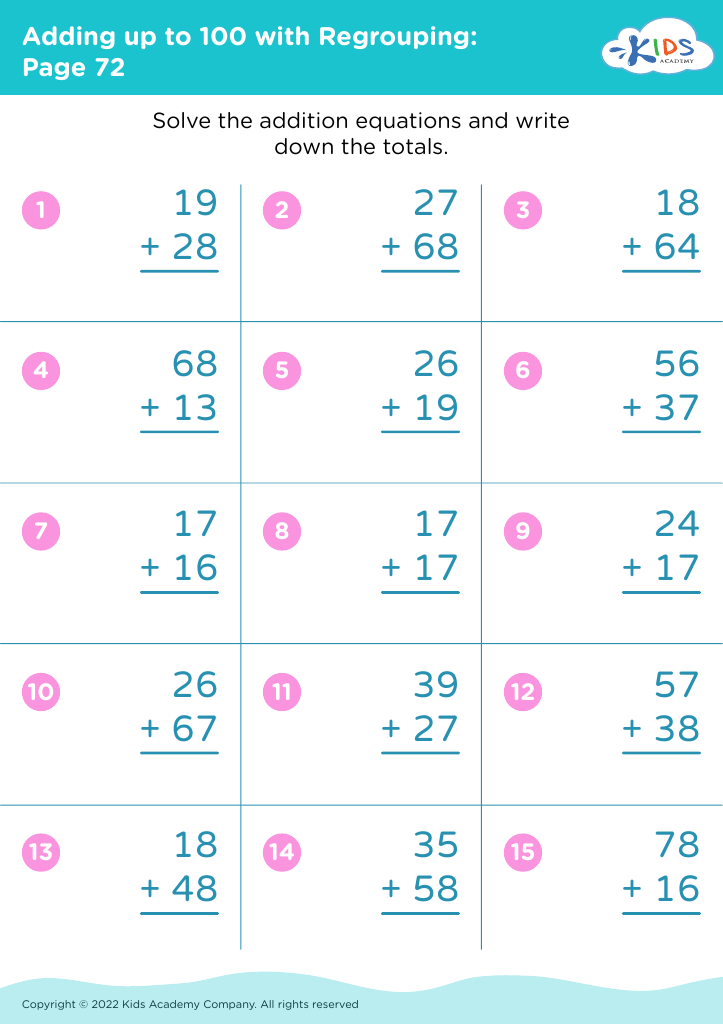
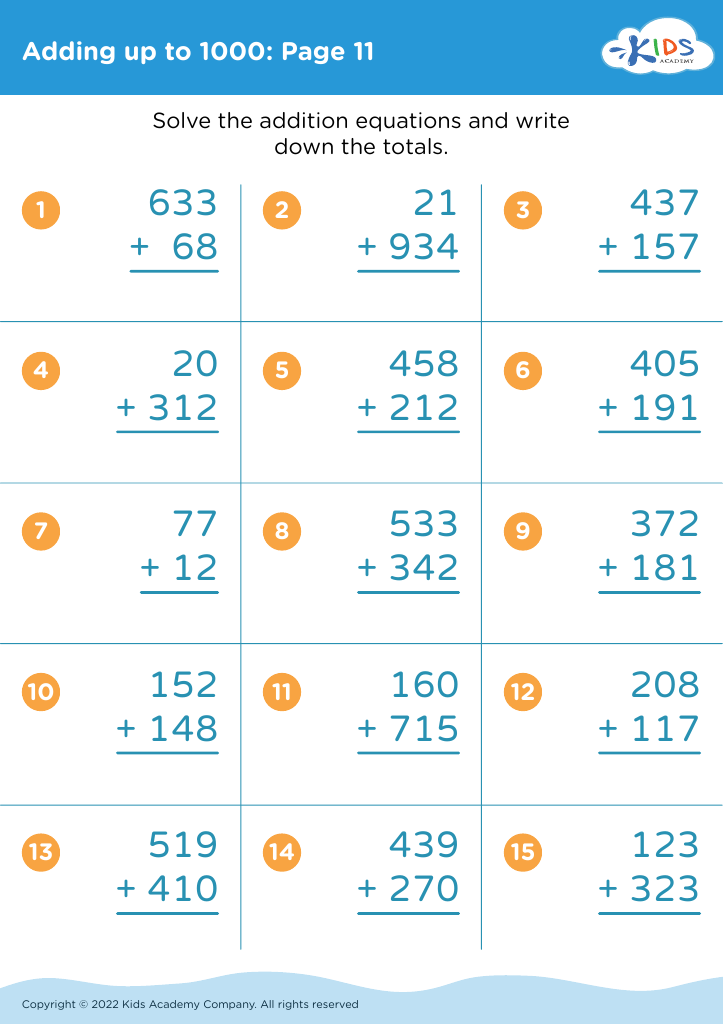
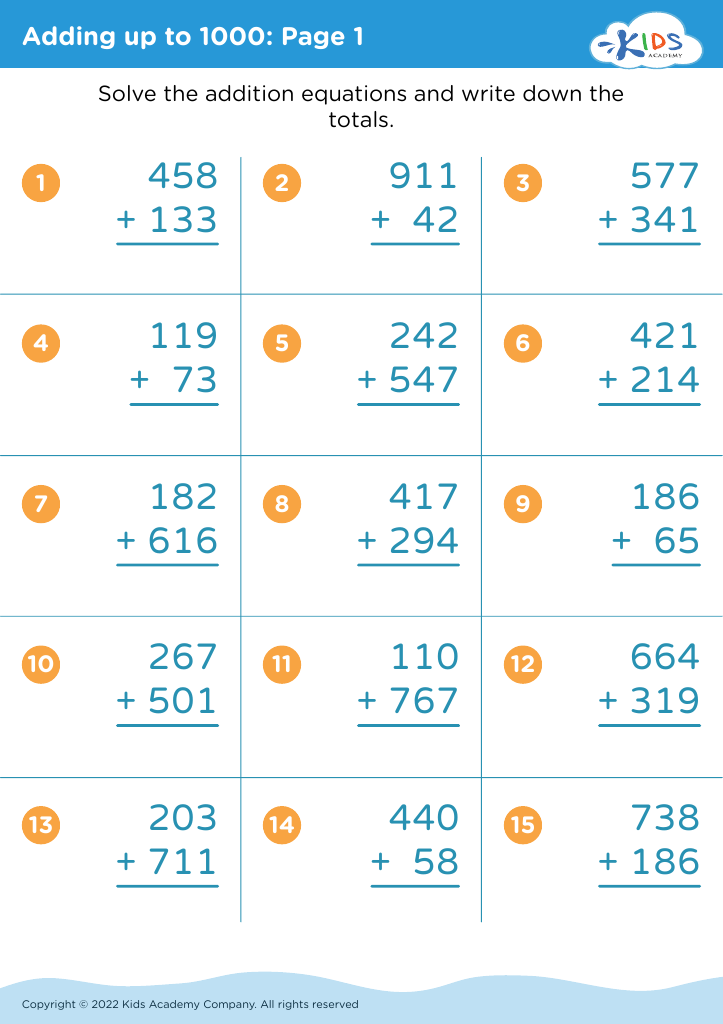
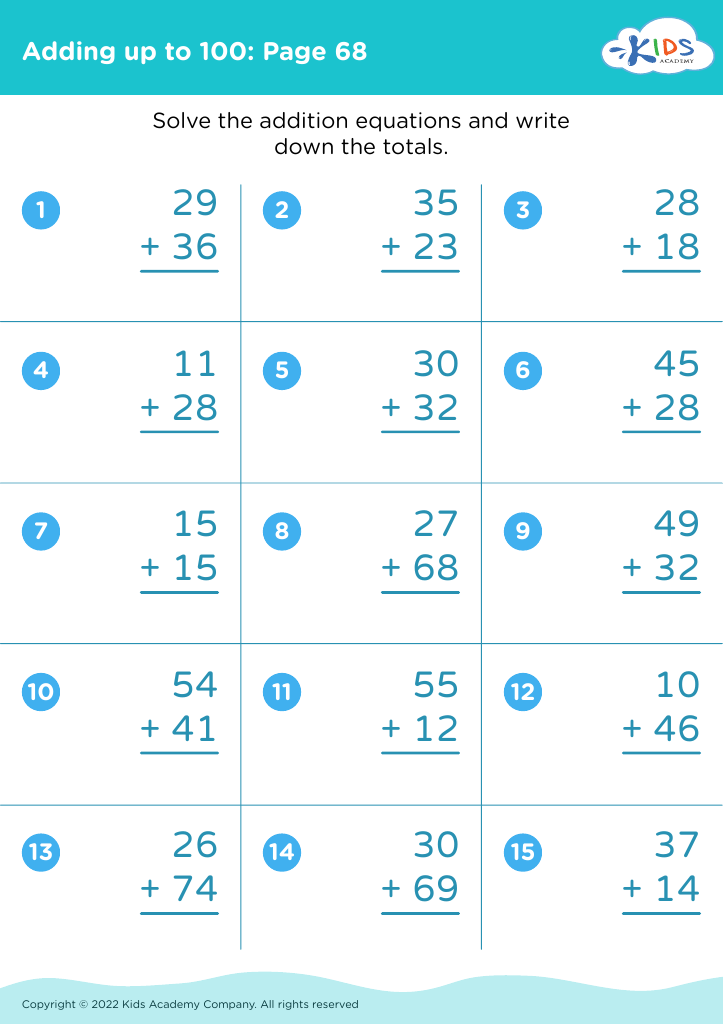
Discover how "Understand Multiplication Grade 2 Addition Worksheets" can transform your child's math skills! Designed for second graders, these engaging printables introduce fundamental multiplication concepts through the familiar lens of addition. Our worksheets offer a seamless blend of learning and fun with interactive exercises and visual aids. They'll help your child grasp the basics of multiplication by seeing the connection with addition, fostering confidence and excitement in math. Perfect for classroom support or extra practice at home. Help your second grader thrive in math with Kids Academy's comprehensive and enjoyable resources!
Favorites
With answer key
Interactive
Join Kids Academy for Free
Who is primarily going to use this learning content?








Understanding multiplication and addition in the early grades is foundational for children as they progress through their mathematical education. For second graders, grasping the concept of addition, which is combining two or more quantities, sets the stage for comprehending multiplication, viewed essentially as repeated addition.
Firstly, addition is a basic arithmetic function that students will utilize in their daily lives, from adding prices while shopping to understanding schedules. A strong grasp of addition aids cognitive development by enhancing problem-solving skills, critical thinking, and logical reasoning.
Multiplication then builds upon this, offering a more efficient method to solve problems involving groups of the same size. By understanding the essence of addition, students see multiplication not as a foreign concept, but as an extension of what they already know. For example, recognizing that 3 multiplied by 2 is the same as adding 2 three times (2 + 2 + 2) helps students make connections and deepen their mathematical comprehension.
Moreover, early mastery of these concepts prevents math anxieties and gaps in knowledge that can hinder future learning. Ignoring multiplication and addition basics means students might struggle with more complex subjects like division, fractions, and algebra later on.
Parents and teachers, by paying attention to these early skills, are not just teaching arithmetic—they are nurturing a lifelong understanding and appreciation of mathematics, equipping children with critical tools for their academic and everyday lives.