Understanding patterns Grade 2 Addition Worksheets - Page 2
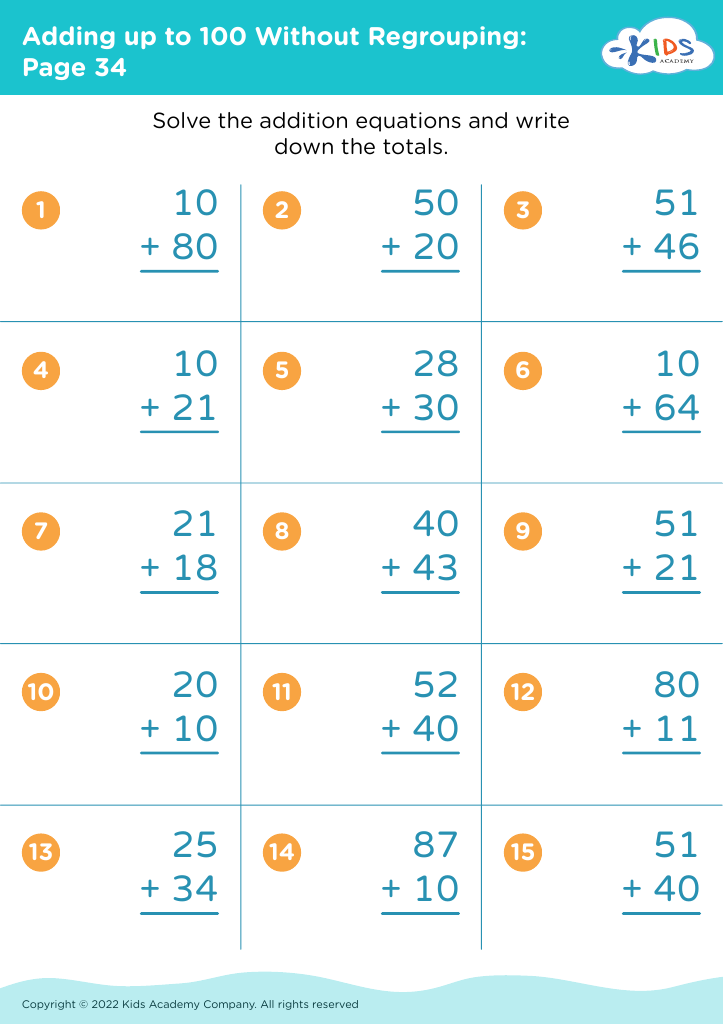
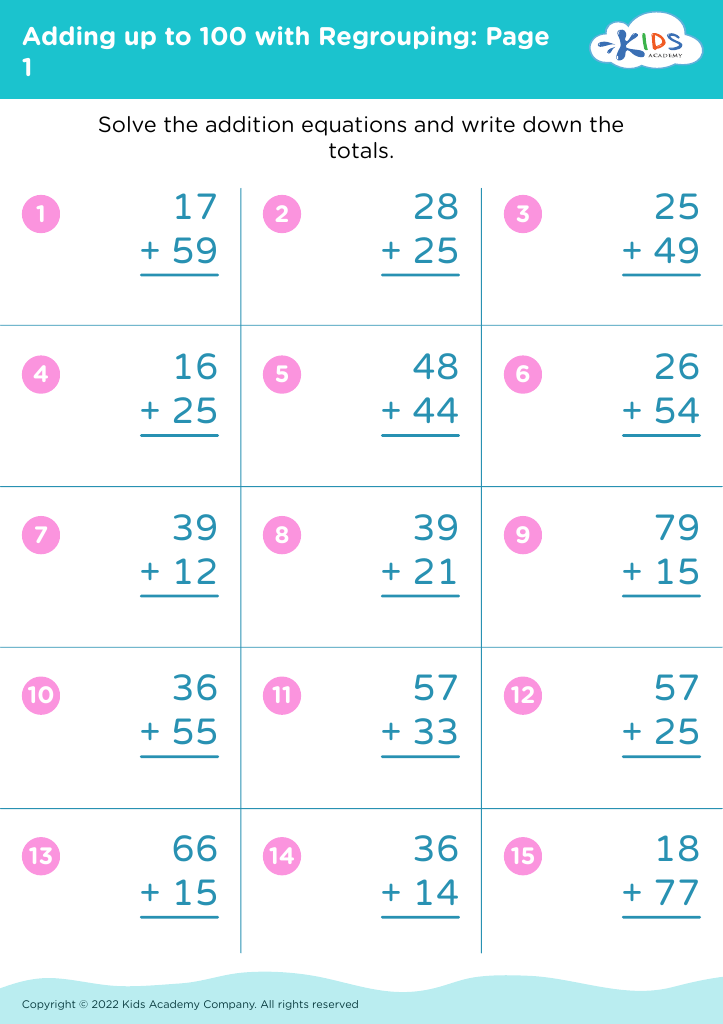




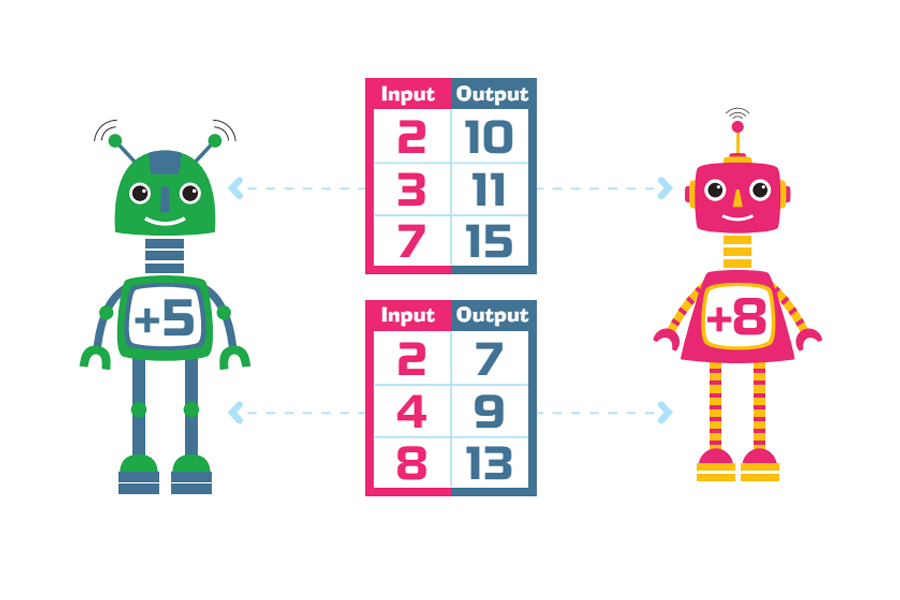



Understanding patterns in Grade 2 addition is vital for both parents and teachers as it lays a crucial foundation for students' mathematical skills. Recognizing patterns helps young learners develop number sense, allowing them to see relationships among numbers and simplify more complex problems later on. For instance, understanding how the commutative property works (e.g., 3 + 4 is the same as 4 + 3) encourages number flexibility and assists students in finding solutions more efficiently.
By focusing on patterns, students also develop critical thinking and problem-solving skills. When children learn to identify and apply these patterns, they become more confident in their ability to tackle mathematical challenges. This confidence will support their lifelong learning.
Moreover, parents’ involvement in their child’s exploration of patterns reinforces at-home learning. Engaging students in discussions about numerical patterns can enhance their understanding and make learning more enjoyable.
Finally, teaching pattern recognition nurtures a growth mindset. When students see that they can learn and adapt their strategy for addition through patterns, they build resilience, which benefits their overall academic journey. Thus, fostering an understanding of patterns in addition is essential for mastering not only addition but also advanced mathematical concepts in the future.