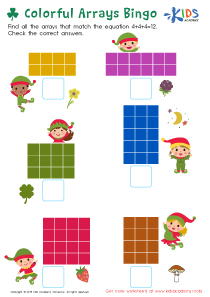
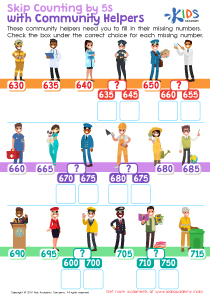
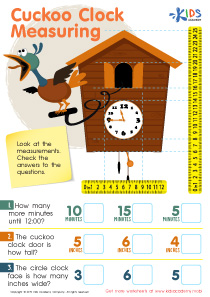
Building vocabulary Grade 2 Math Worksheets
3 filtered results
-
From - To
Enhance your second grader's math skills with our engaging "Building Vocabulary Grade 2 Math Worksheets." Designed to reinforce essential math terminology, these worksheets promote a deeper understanding of key concepts while expanding vocabulary. Each activity encourages students to connect words to their meanings, fostering a love for learning and improved communication in math. Tailored to match grade-level standards, our resources are perfect for both classroom and home use. Whether your child is solving word problems or exploring math operations, these worksheets provide a fun and effective way to master the language of mathematics. Start building a strong foundation today!
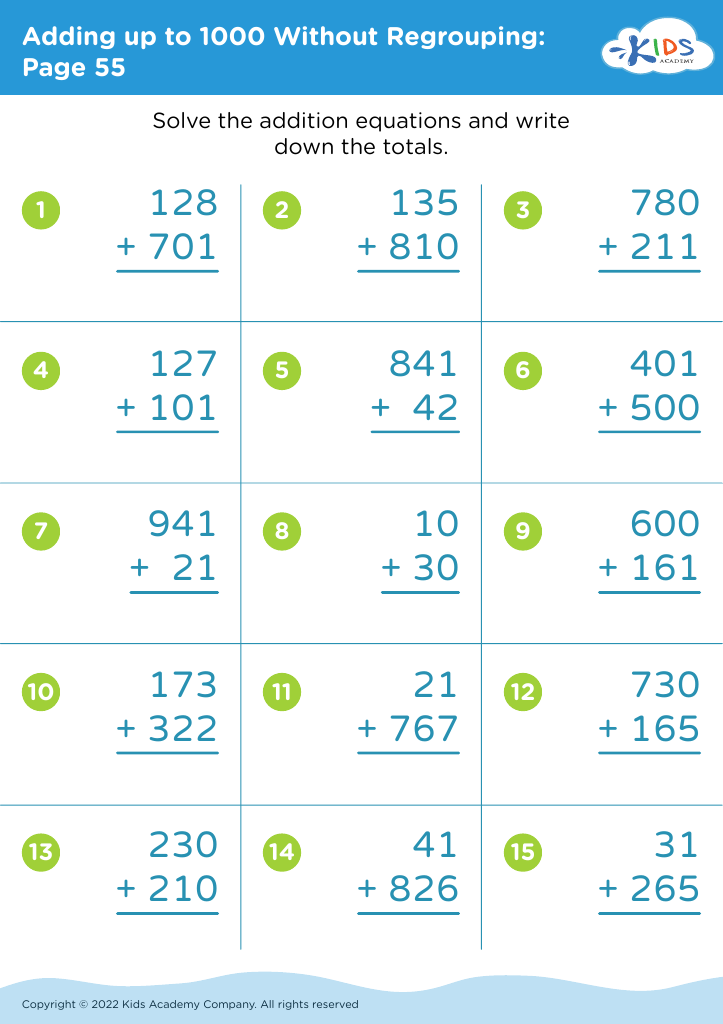
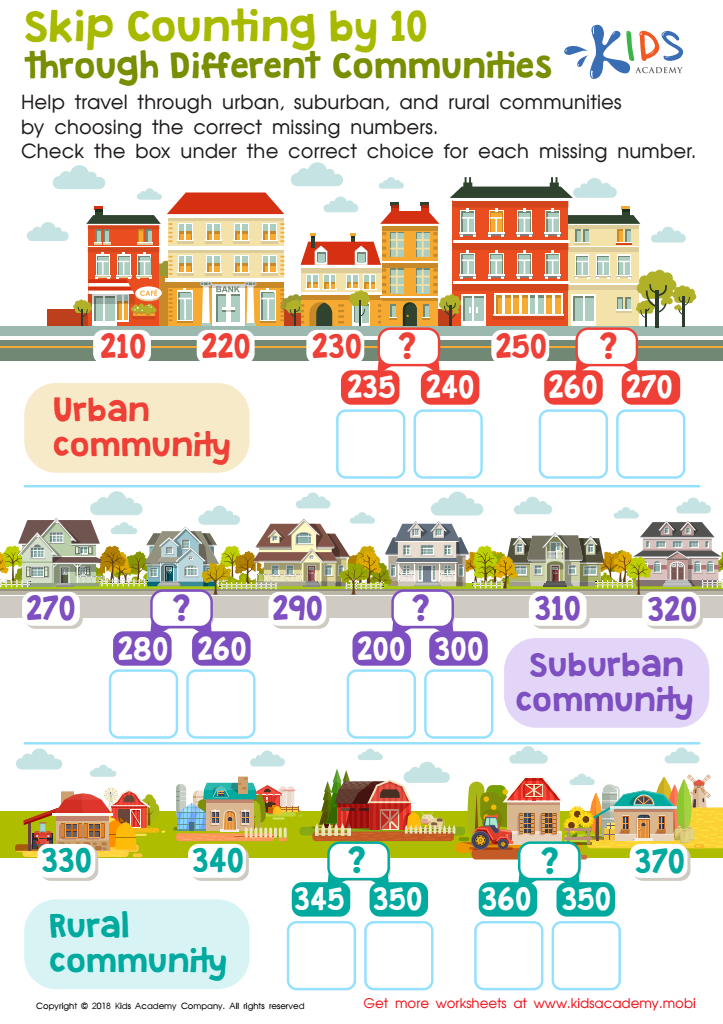
Skip Counting by 10 through Different Communities Worksheet
 Assign to My Students
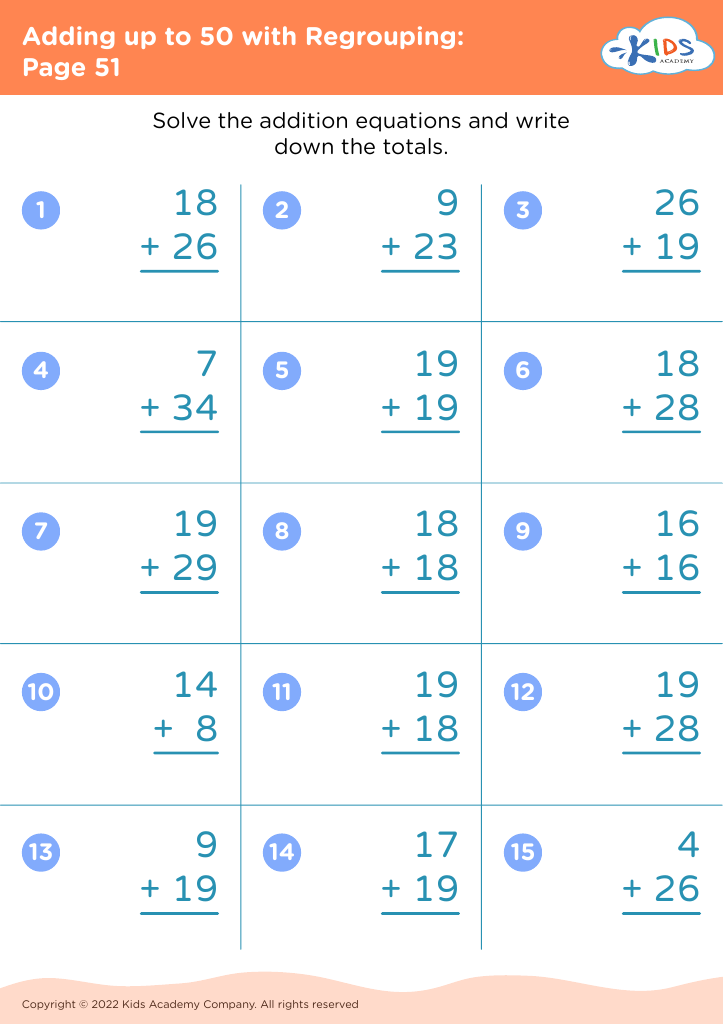







Building vocabulary in Grade 2 math is essential for several reasons. First, a strong mathematical vocabulary helps students comprehend and communicate complex ideas more effectively. As children learn new concepts such as addition, subtraction, measurement, and geometry, they encounter specific terms and phrases that are vital for their understanding. Familiarity with these terms empowers students to approach problems with confidence.
Moreover, vocabulary development fosters critical thinking skills. When children can articulate their mathematical reasoning, they are better equipped to analyze, discuss, and explain their thought processes. This leads to deeper understanding and retention of concepts, as students can connect new words to their experiences.
Additionally, enhancing math vocabulary promotes engagement and enthusiasm for learning. When parents and teachers introduce new terms in relatable contexts, students become more curious and motivated to learn. Collaborative activities, games, and discussions centered around math vocabulary create an interactive learning experience.
Lastly, in our increasingly standardized educational environment, possessing a strong math vocabulary is crucial for success on assessments. Students who can easily recognize and use mathematical terminology are more likely to excel and feel competent in their abilities. Investing in vocabulary building ultimately lays a foundation for future academic achievement and confidence in math.