Counting practice Grade 2 Math Worksheets
74 filtered results
-
From - To
Enhance your child's counting skills with our "Counting Practice Grade 2 Math Worksheets." This collection is designed to make learning fun and engaging for second graders through a variety of techniques to strengthen number sense and counting abilities. From skip counting to recognizing number patterns and sequences, these worksheets offer comprehensive practice through visually appealing and age-appropriate exercises. Ideal for both classroom and home use, these resources align with core educational standards, ensuring your child can confidently master essential math concepts. Boost their confidence and proficiency in math with our expertly curated counting practice worksheets!
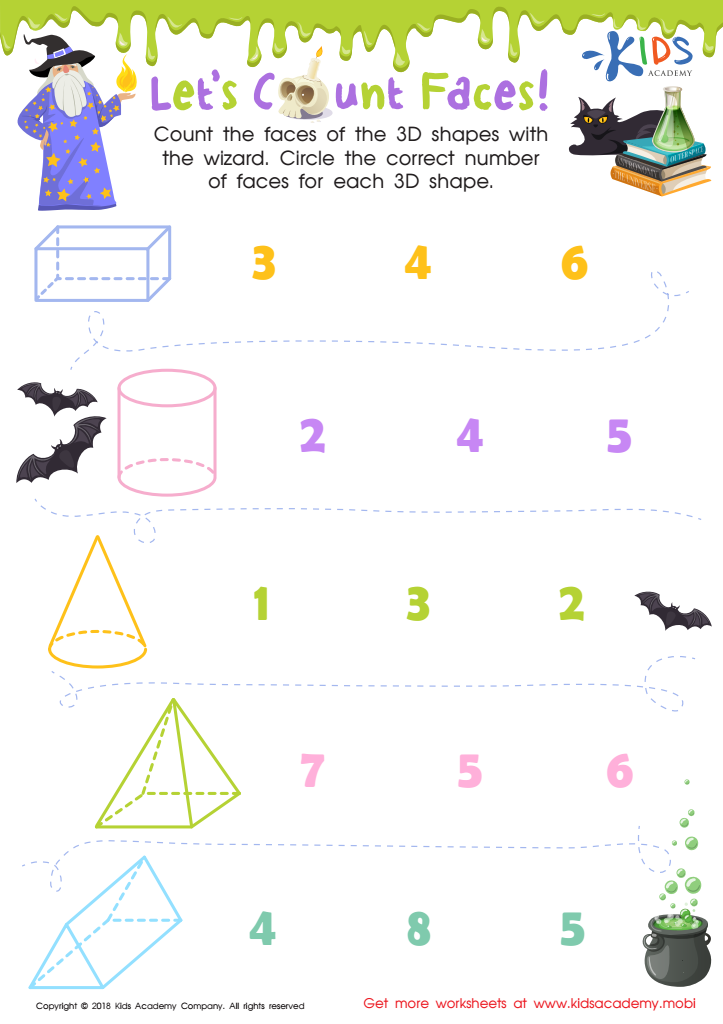
Let's Count Faces! Worksheet
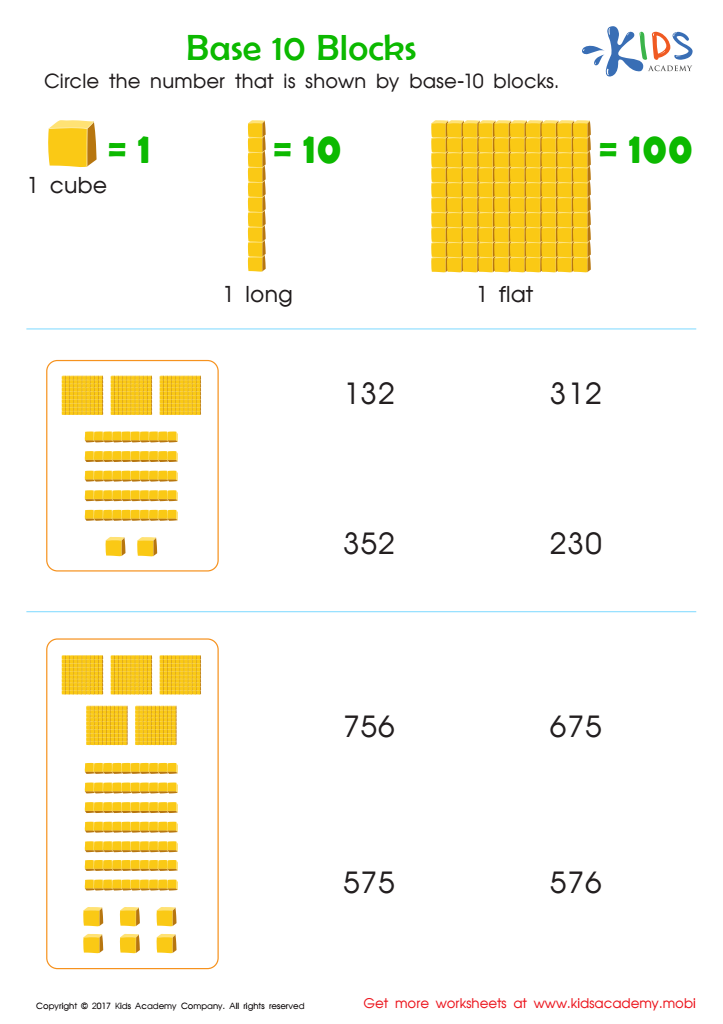
Base Ten Blocks Worksheet
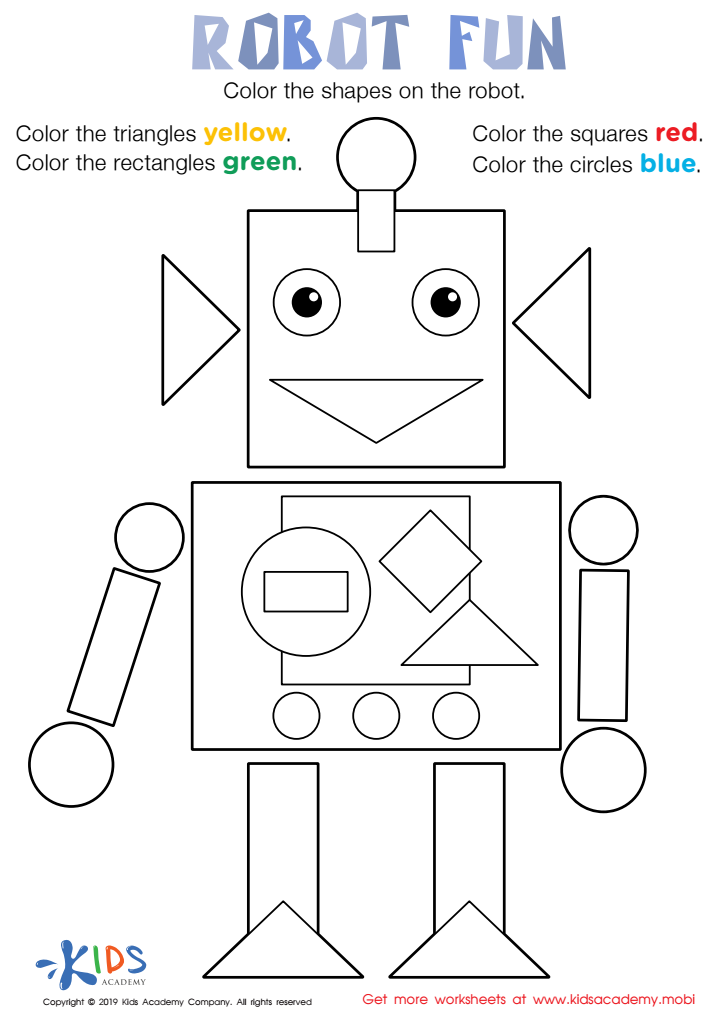
Robot Fun Worksheet
 Assign to My Students
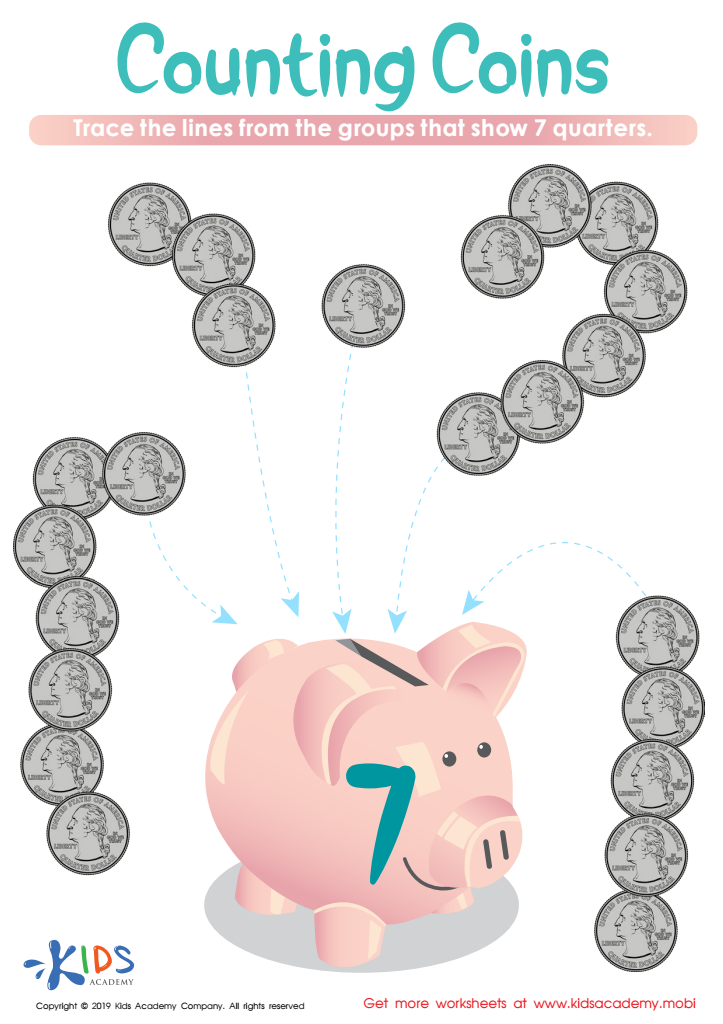
Counting Coins Worksheet
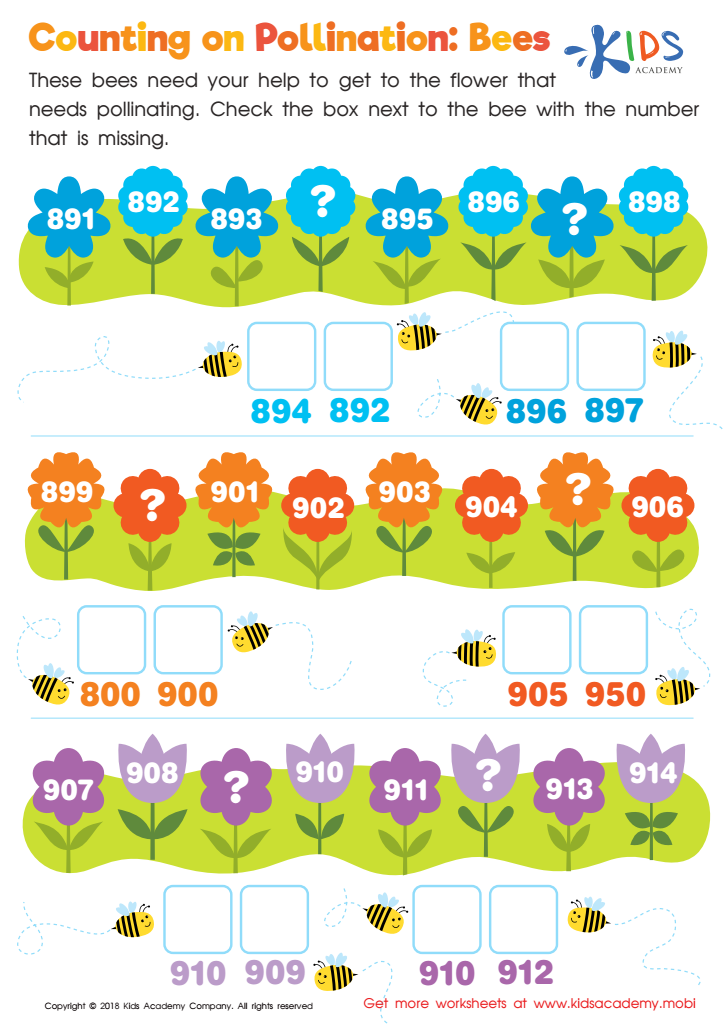
Counting on Pollination: Bees Worksheet
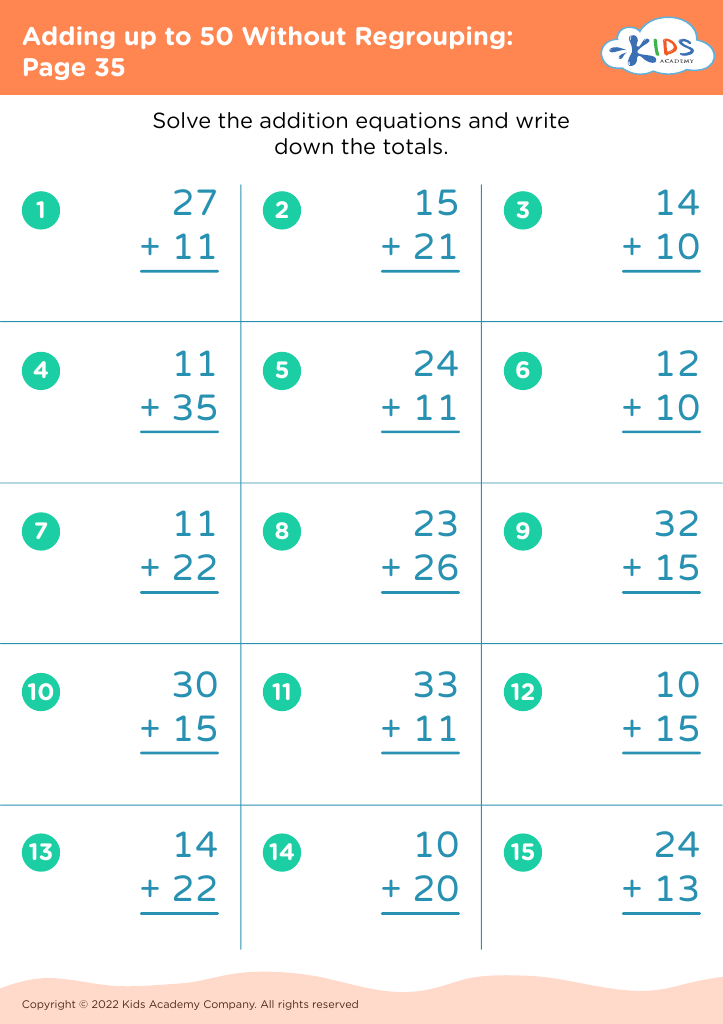
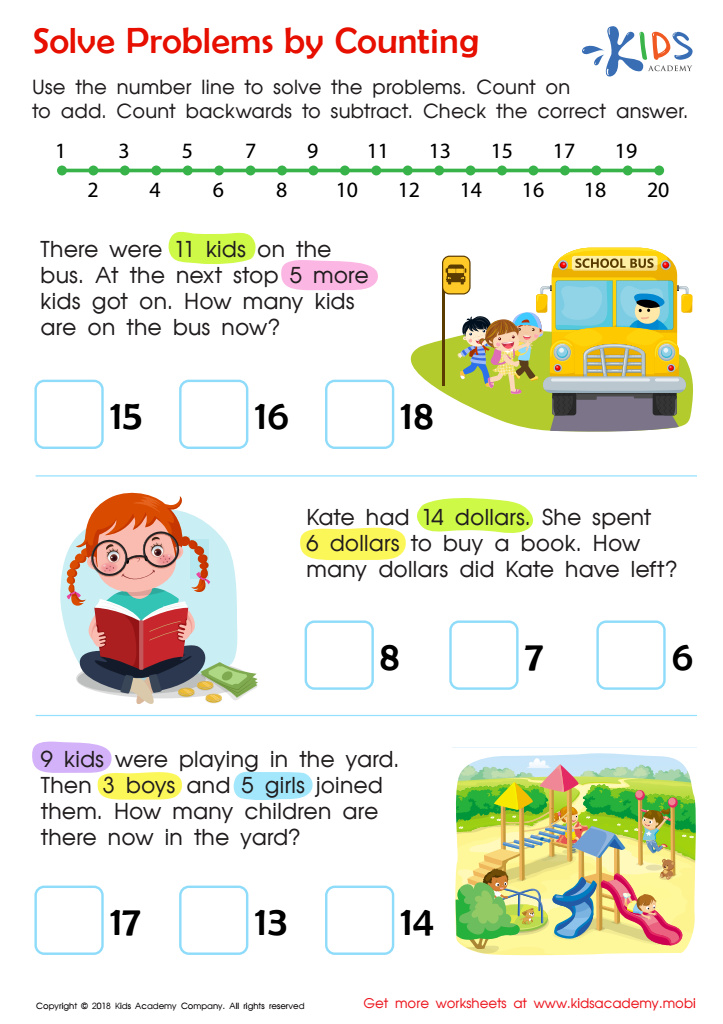
Solve Problems by Counting Worksheet
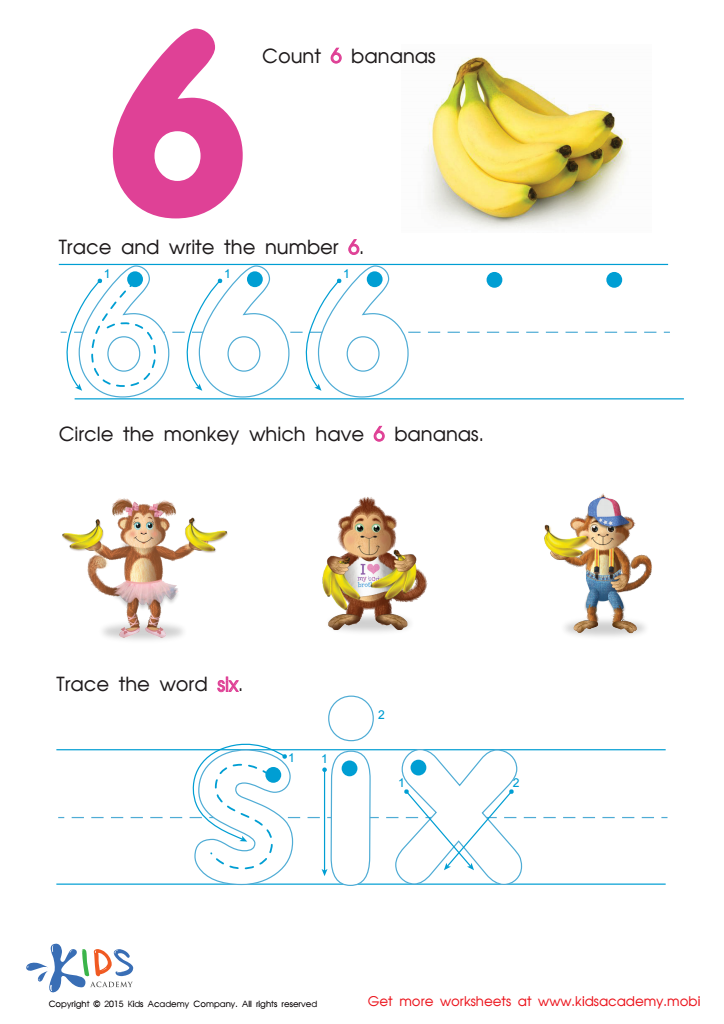
Tracing And Writing Number 6 Worksheet
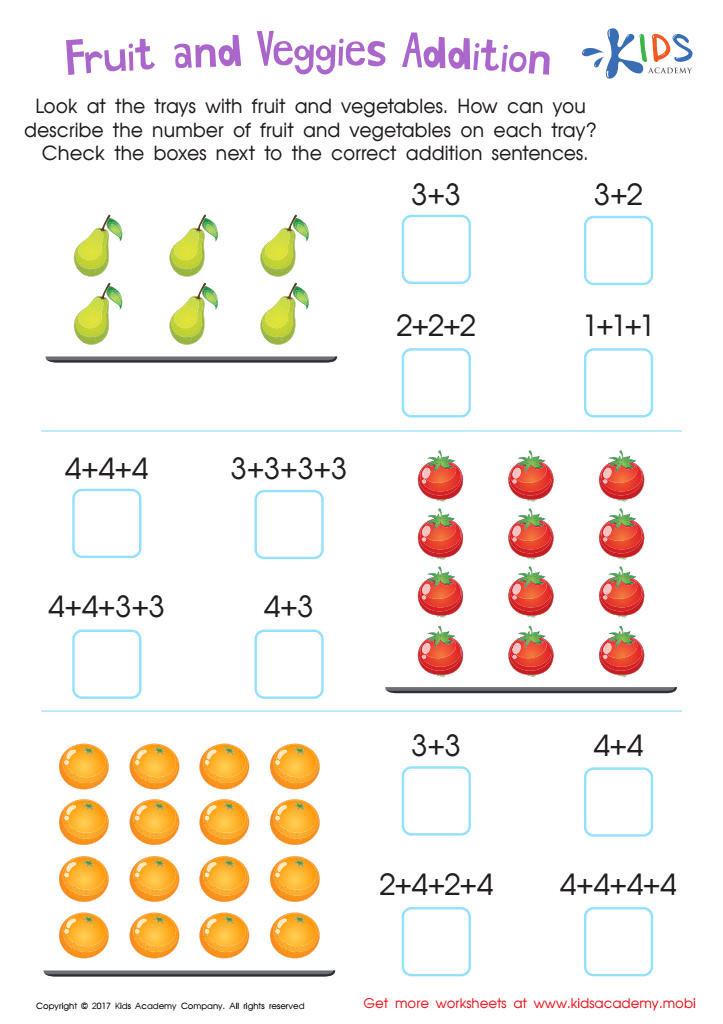
Fruit and Veggies Worksheet
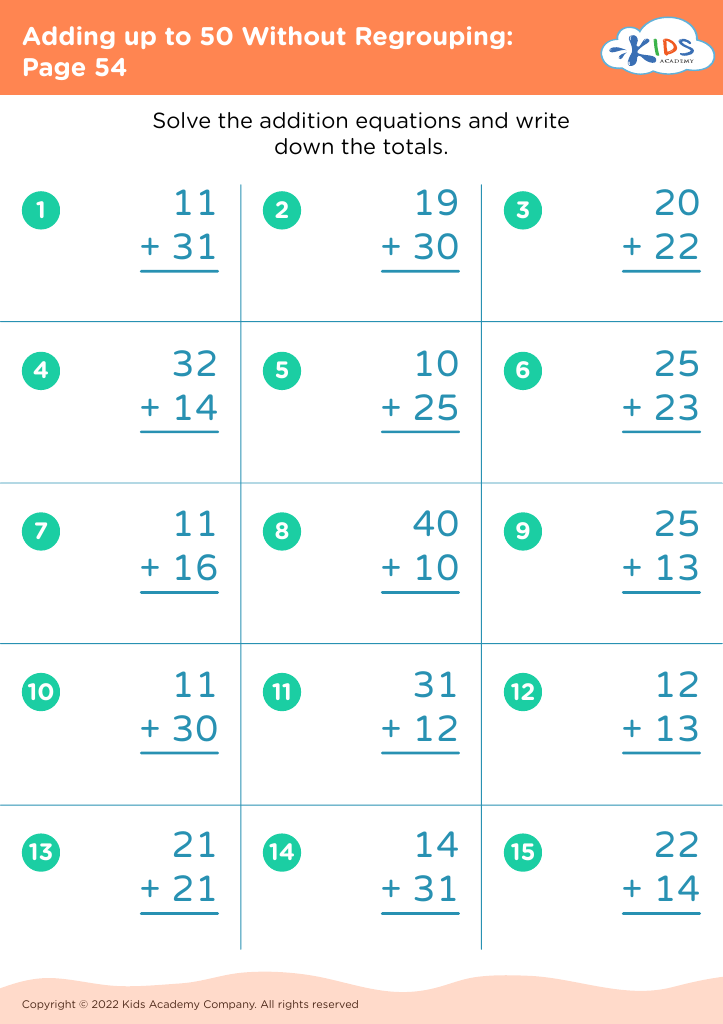
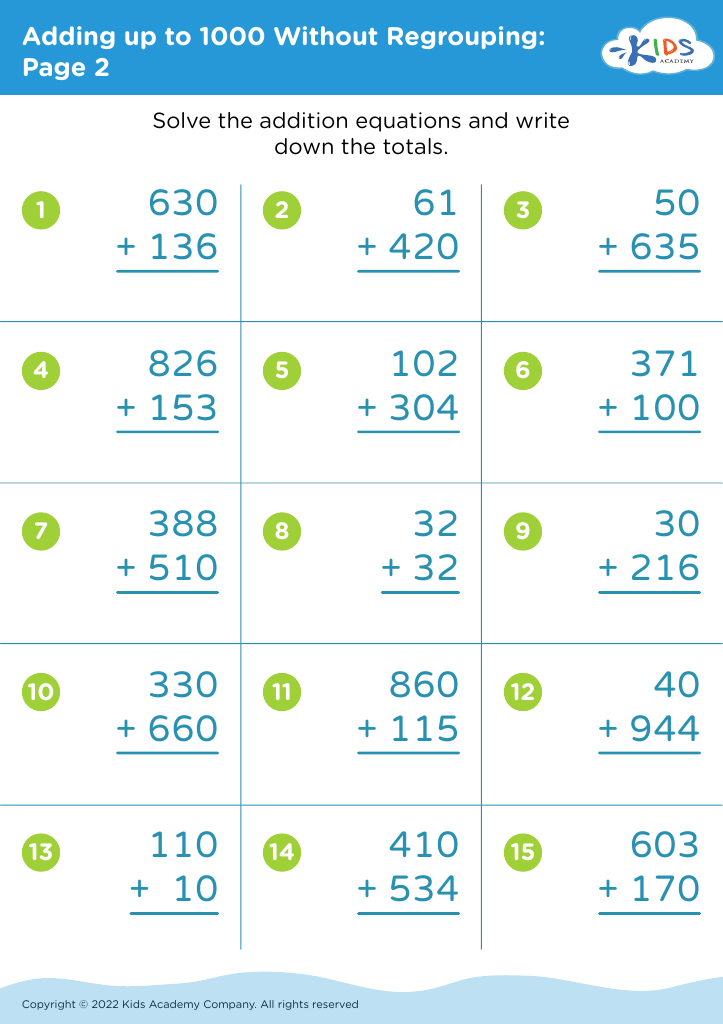
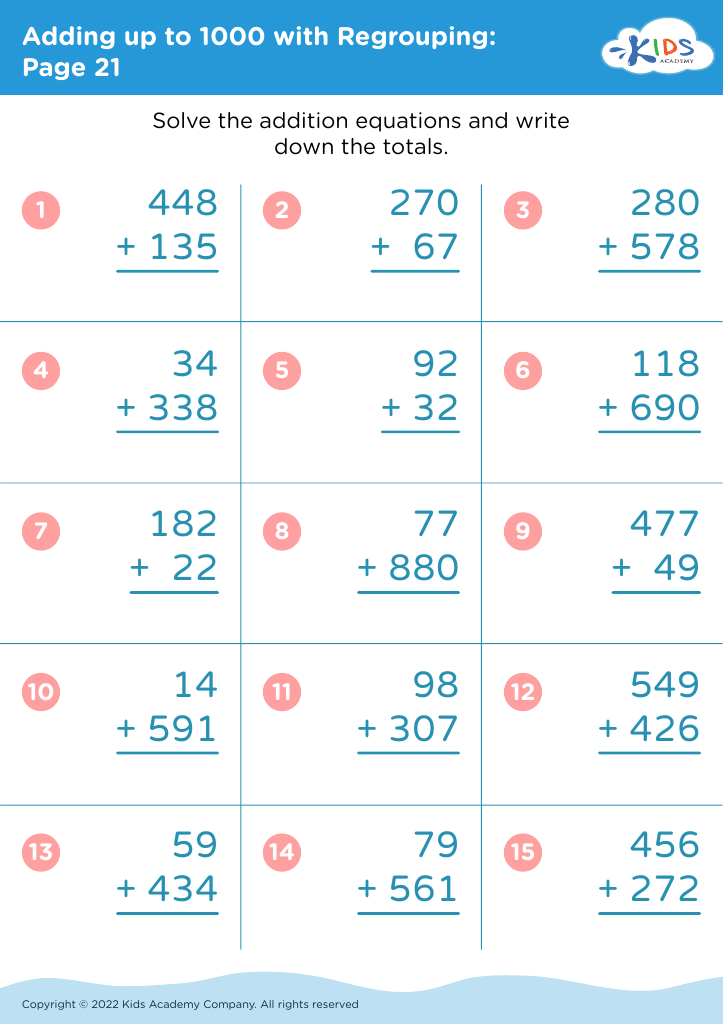
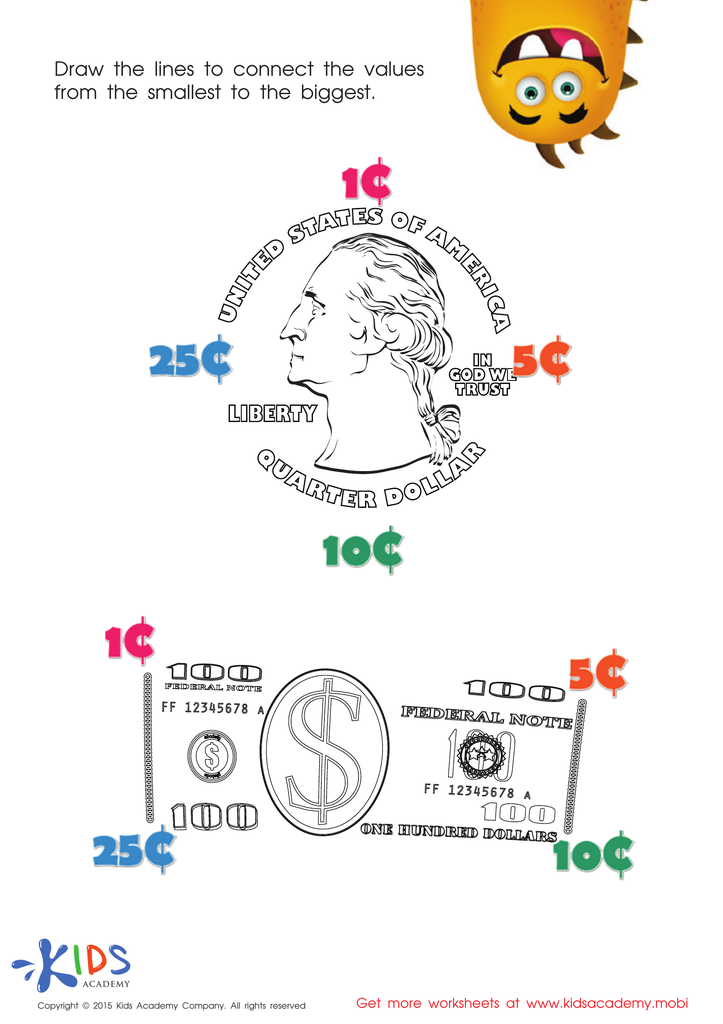
Connecting the Values Money Worksheet
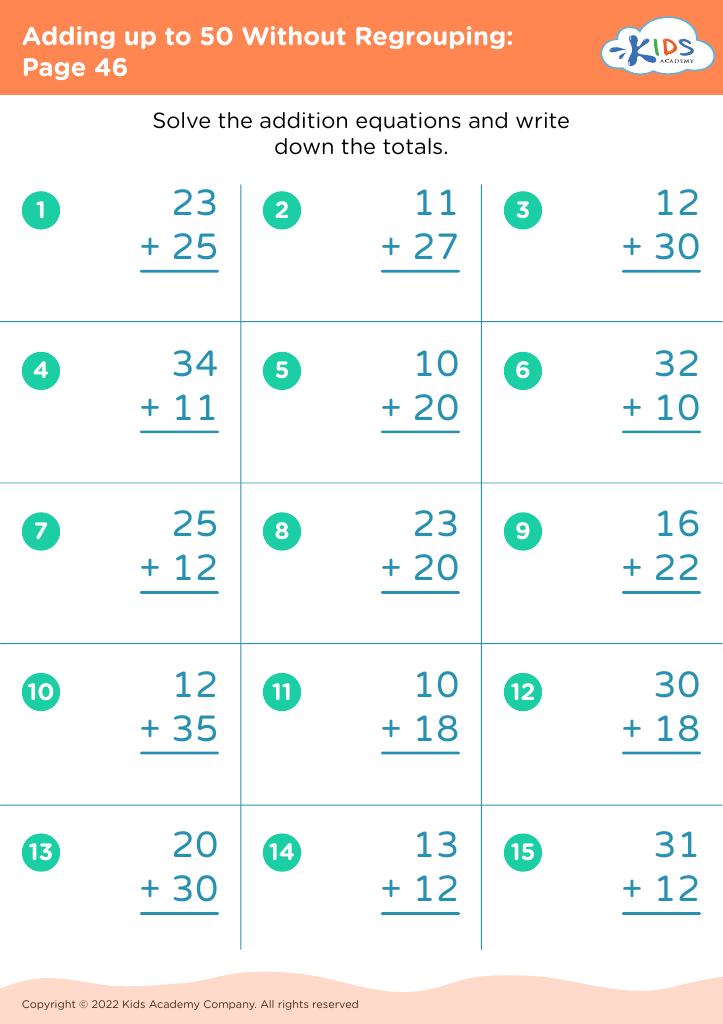
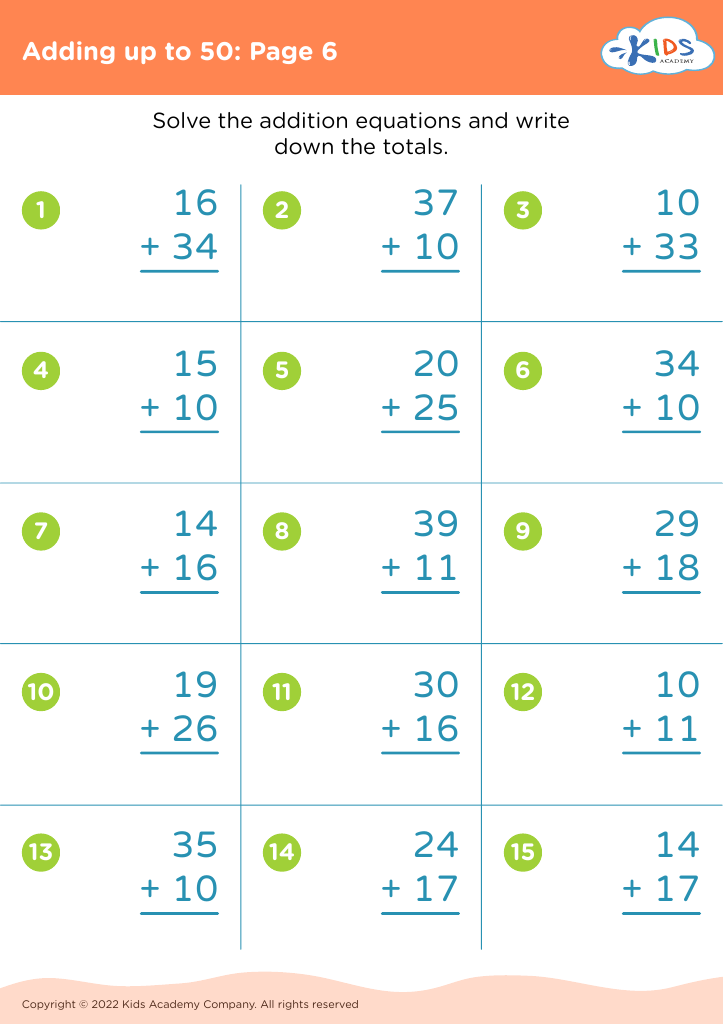
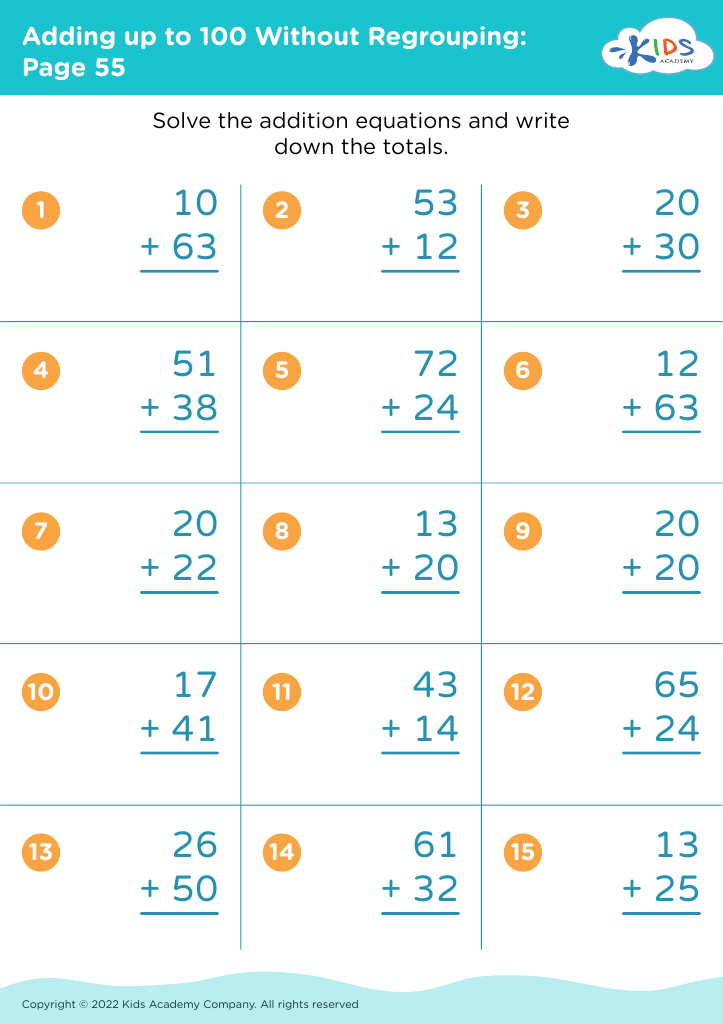





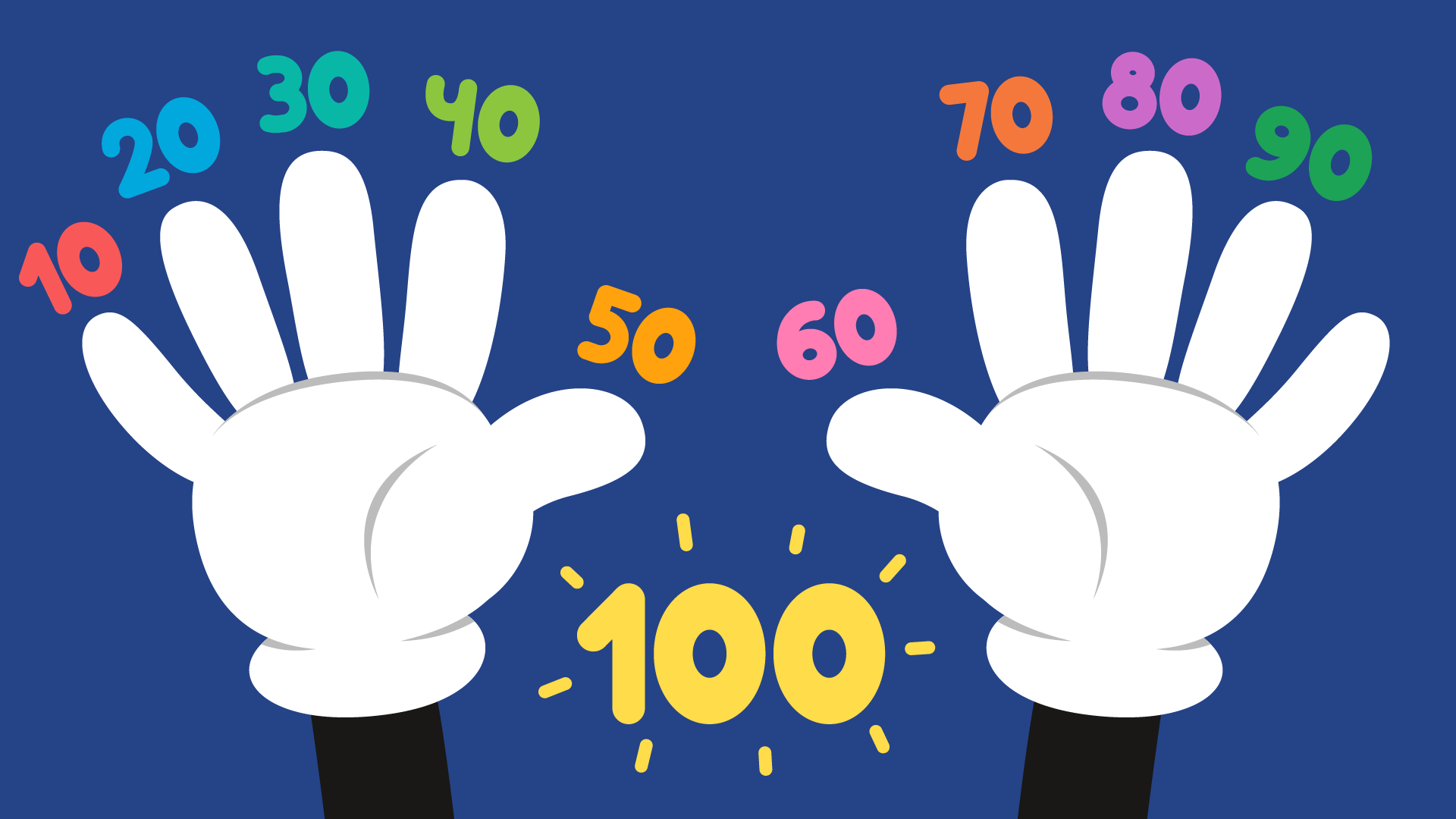

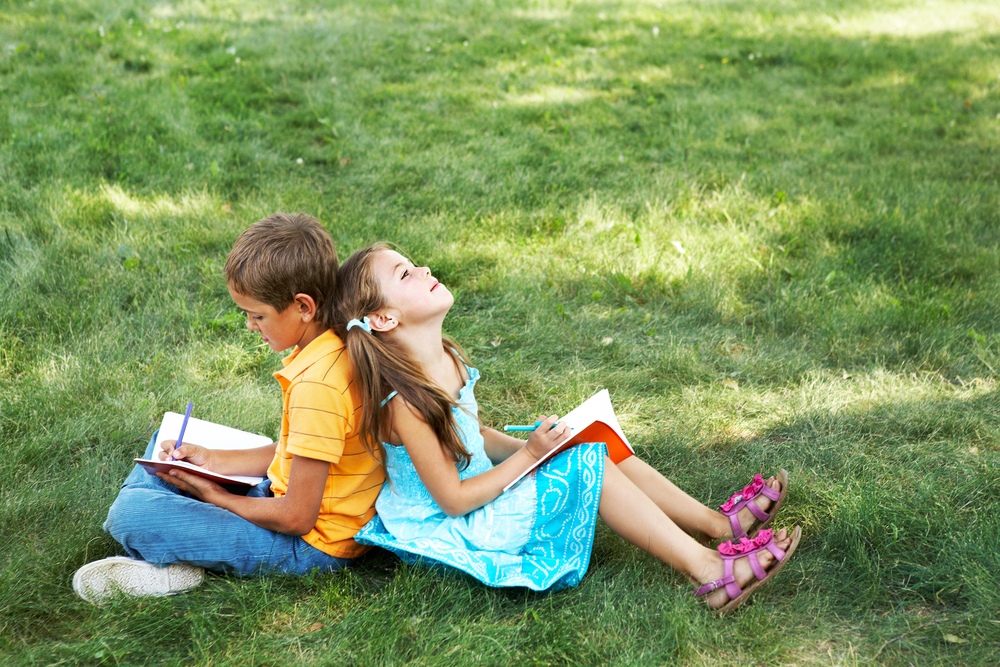
Counting practice in Grade 2 is fundamental for establishing a strong mathematical foundation, and parents and teachers play a crucial role in nurturing this skill. By mastering counting, children develop number sense, which is essential for understanding more complex math concepts in later grades, such as addition, subtraction, multiplication, and division. Counting helps children grasp the idea of quantity and the relationships between numbers, forming the basis for mathematical reasoning.
Involving parents and teachers in counting practice boosts a child’s confidence and motivation. When parents and teachers actively participate, they demonstrate the importance of math in daily life, making learning more relatable and enjoyable for children. Engaging with counting activities can strengthen the parent-child or teacher-student relationship, creating an encouraging learning environment.
For teachers, incorporating varied counting exercises in the classroom helps cater to different learning styles and keeps lessons dynamic. For parents, practicing counting at home through simple activities like counting toys, steps, or groceries reinforces classroom learning and provides additional opportunities for practice.
In summary, counting practice in Grade 2 is crucial because it builds a solid mathematical foundation, supports relationship-building, enhances understanding through practical activities, and prepares children for more advanced mathematical challenges.