Developing fine motor skills Grade 2 Math Worksheets
3 filtered results
-
From - To
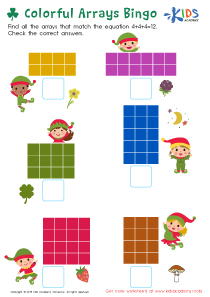
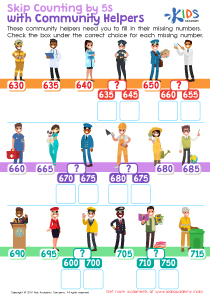
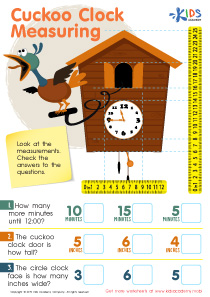
Enhance your child's fine motor skills with our engaging Grade 2 Math Worksheets! Designed specifically for second graders, these worksheets integrate math concepts with fun activities that promote hand-eye coordination and dexterity. As students solve problems, trace numbers, and complete various techniques, they not only improve their understanding of essential math skills but also refine their fine motor abilities. Our colorful, interactive format captivates young learners, making practice enjoyable. Whether at home or in the classroom, these worksheets are the perfect tool to foster both academic growth and physical development. Explore our resources to spark your child’s creativity while building confidence in math!
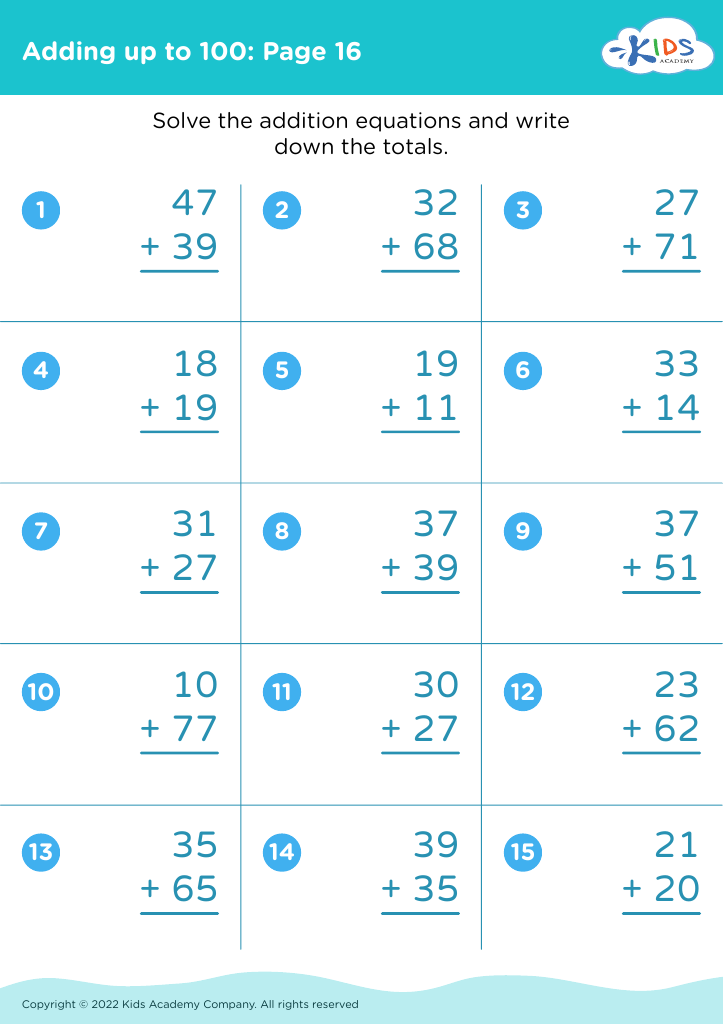
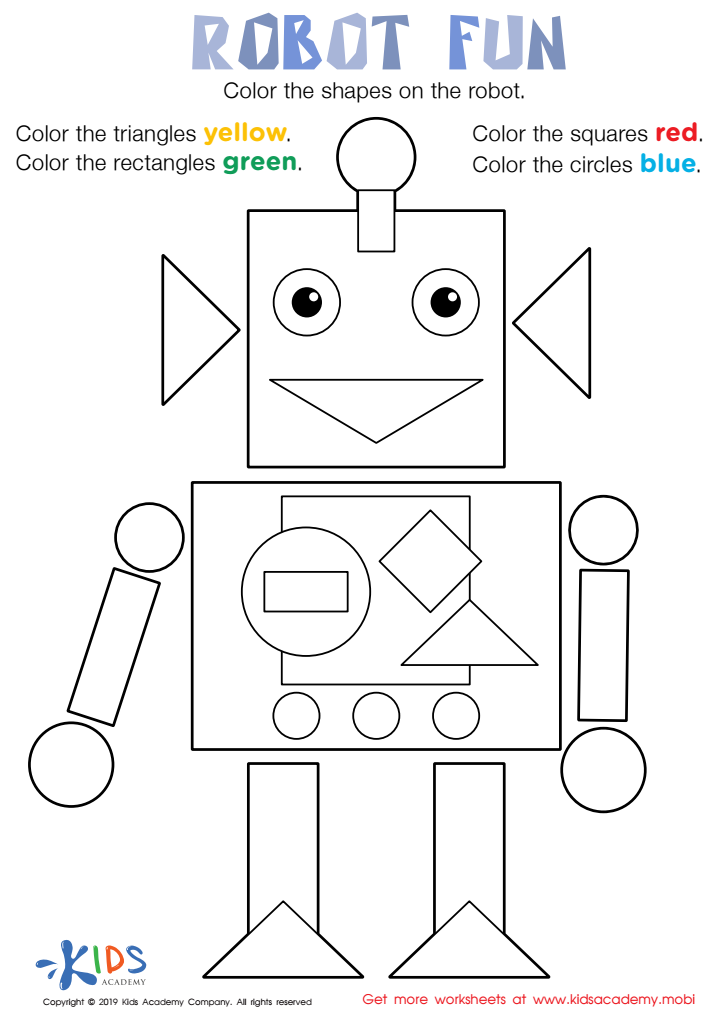
Robot Fun Worksheet
 Assign to My Students
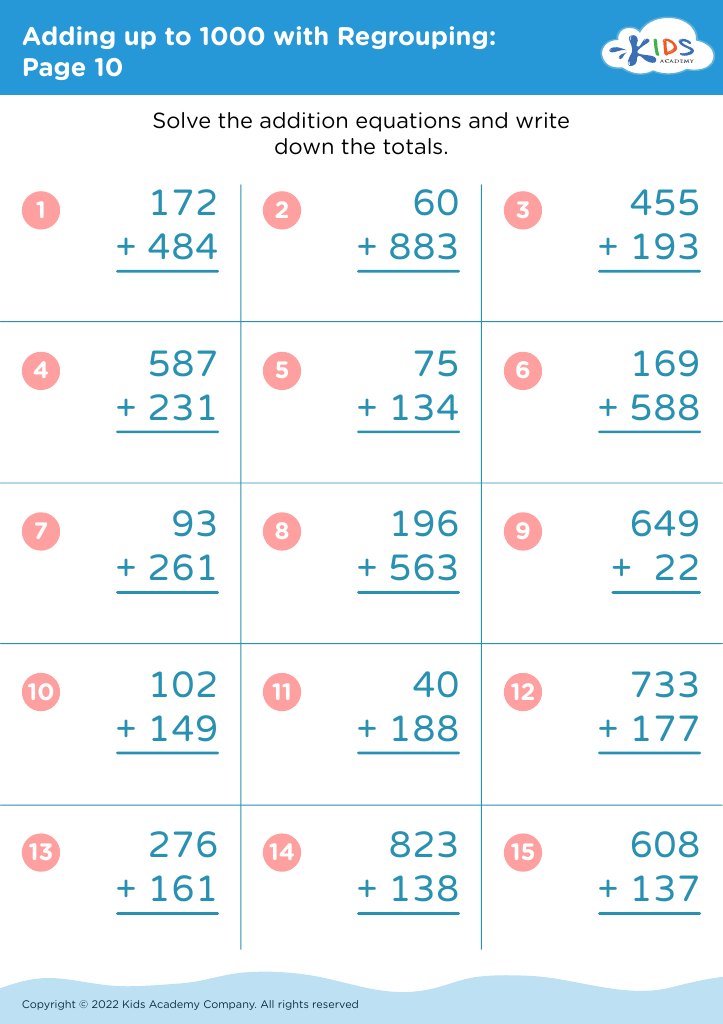





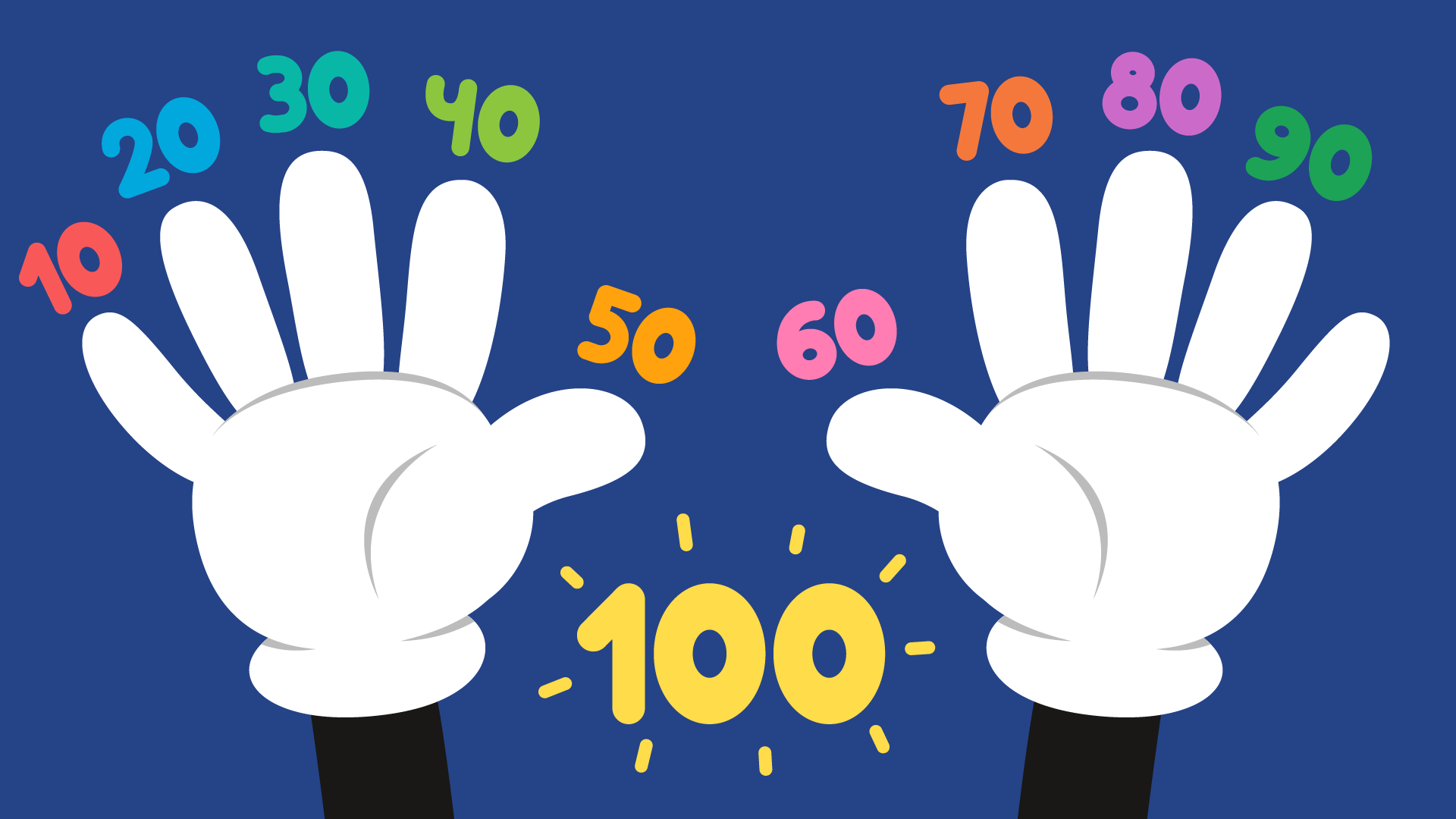


Developing fine motor skills is crucial for second-grade students, especially in the context of math education. Fine motor skills involve the intricate movements of the hands and fingers, which are essential for various activities, including writing, cutting, and manipulating small objects. In Grade 2 math, students frequently engage in tasks like writing numbers, solving problems using manipulatives, and creating geometric shapes. Strong fine motor skills support these activities, allowing children to express their understanding confidently and accurately.
Moreover, fine motor skills play a significant role in building concentration and coordination, both of which are necessary for success in mathematics. By fostering these skills, teachers and parents can enhance students' overall cognitive development. When children can effectively coordinate their hand movements, they can focus better on their learning, reducing frustration and boosting their motivation.
Additionally, fine motor skill development supports literacy, art, and self-care, contributing to a well-rounded education. When parents and educators prioritize these skills, they lay a strong foundation for students' future academic achievements. In summary, fostering fine motor skills supports Grade 2 students in math and enhances their broader learning experiences, preparing them for more complex tasks ahead.