Enhance number recognition Grade 2 Math Worksheets
17 filtered results
Difficulty Level
Grade
Age
-
From - To
Subject
Activity
Standards
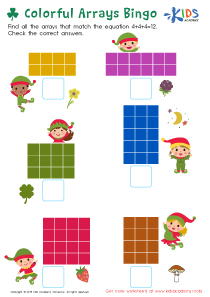
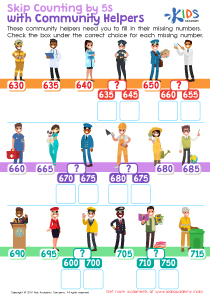
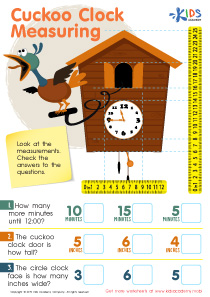
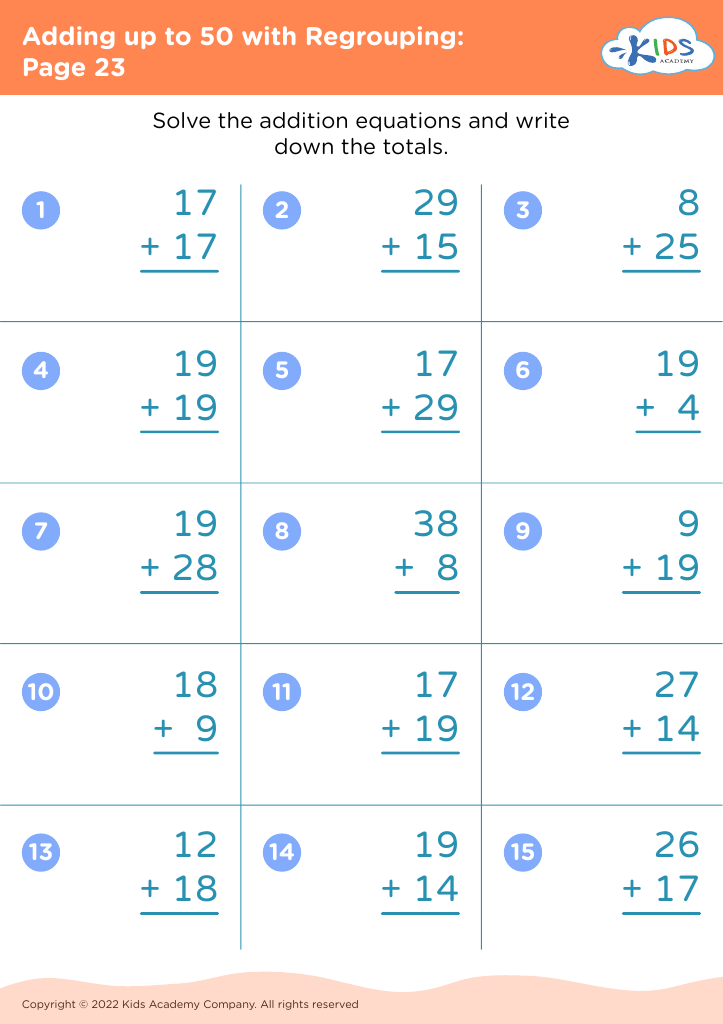
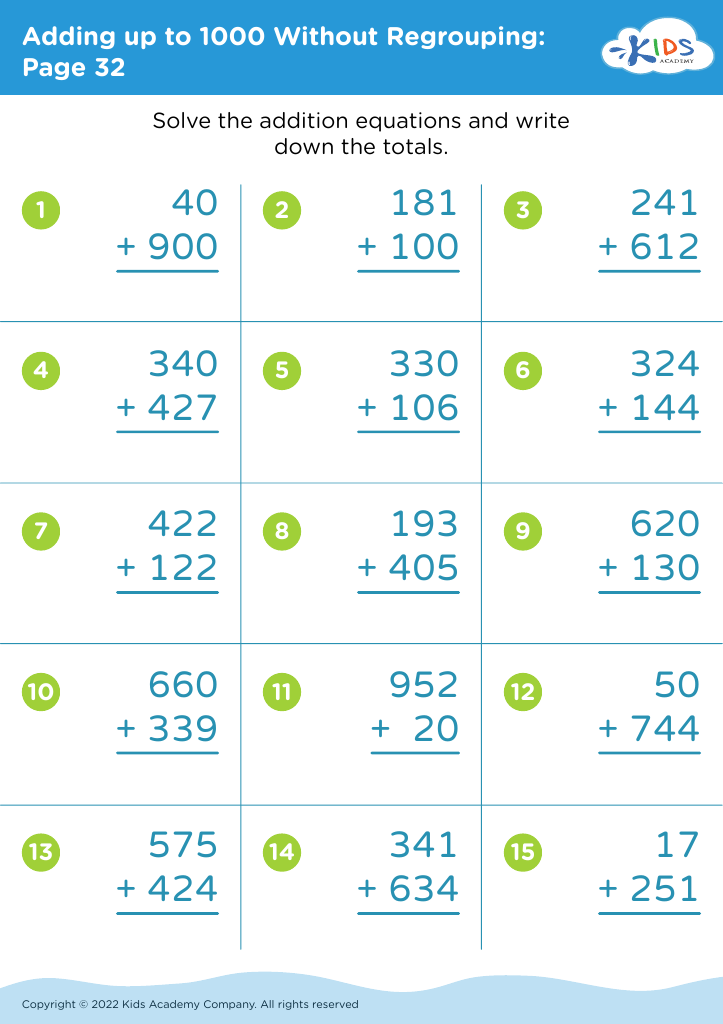
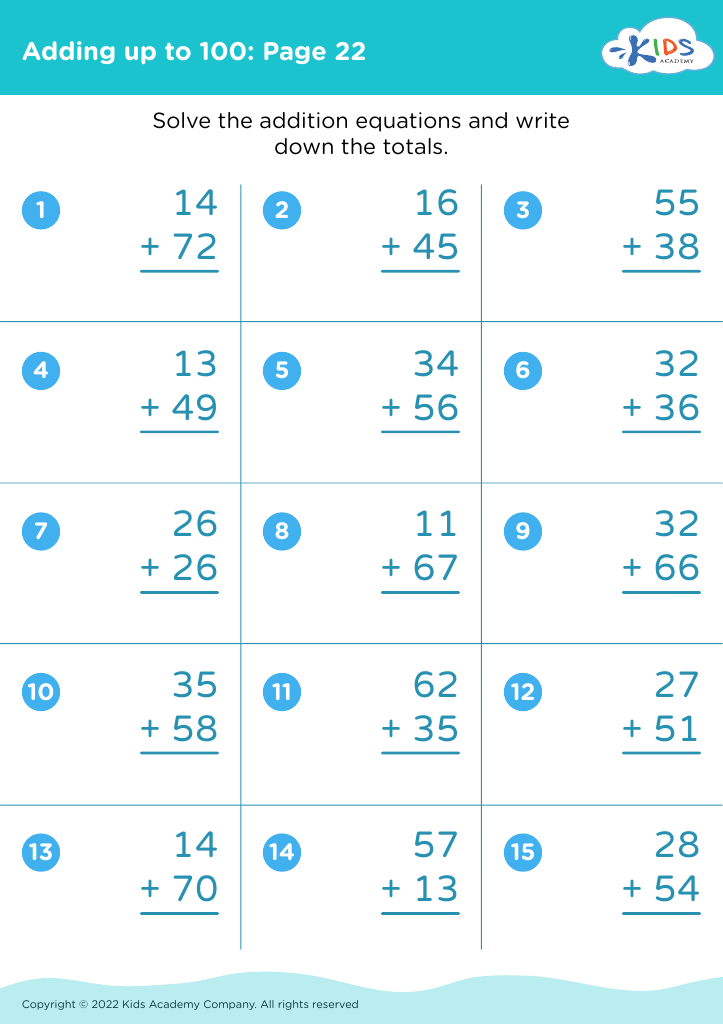
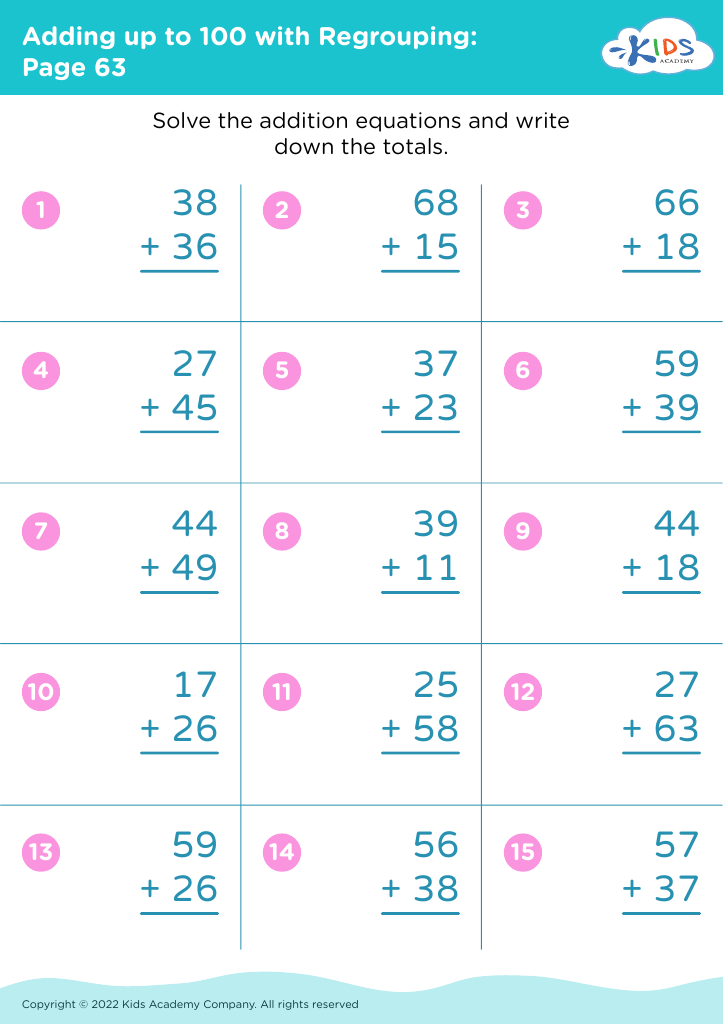
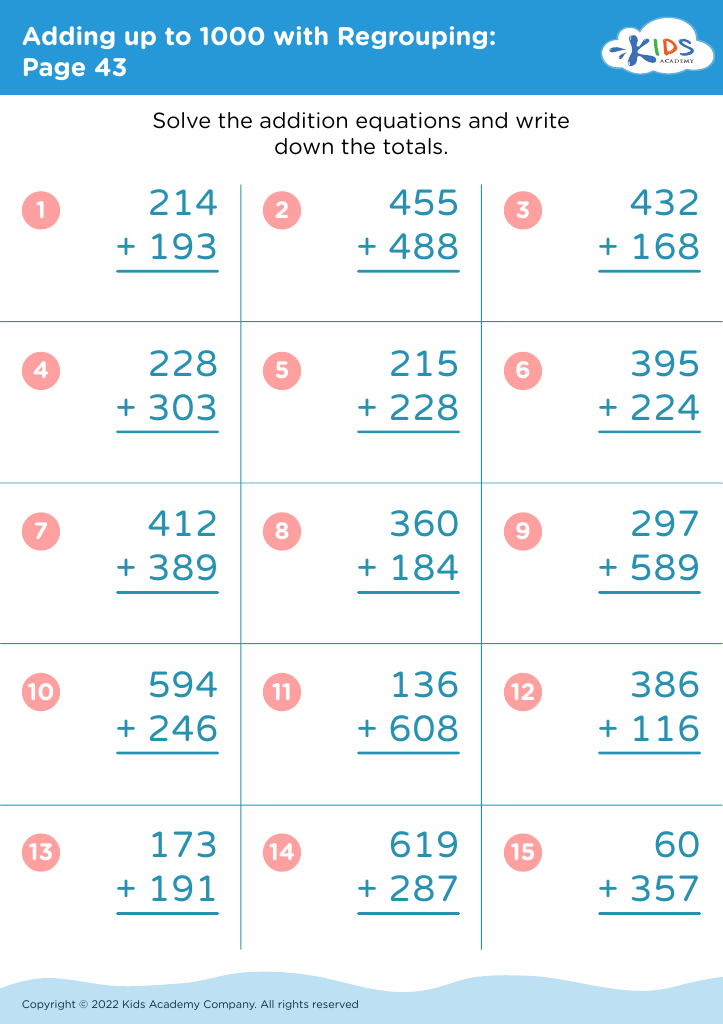
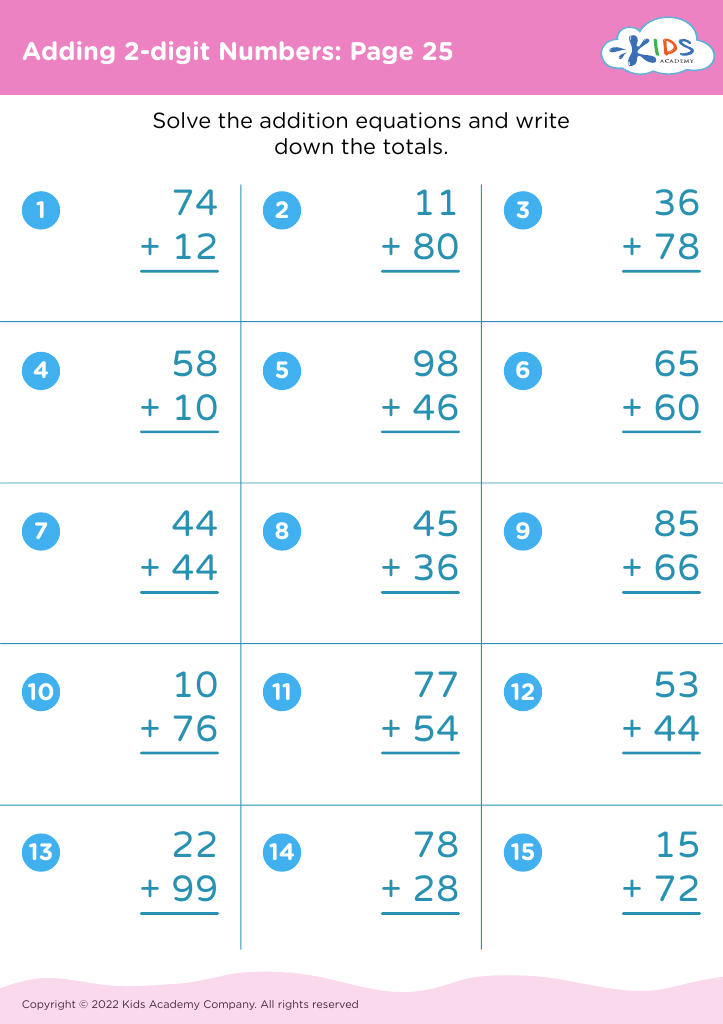
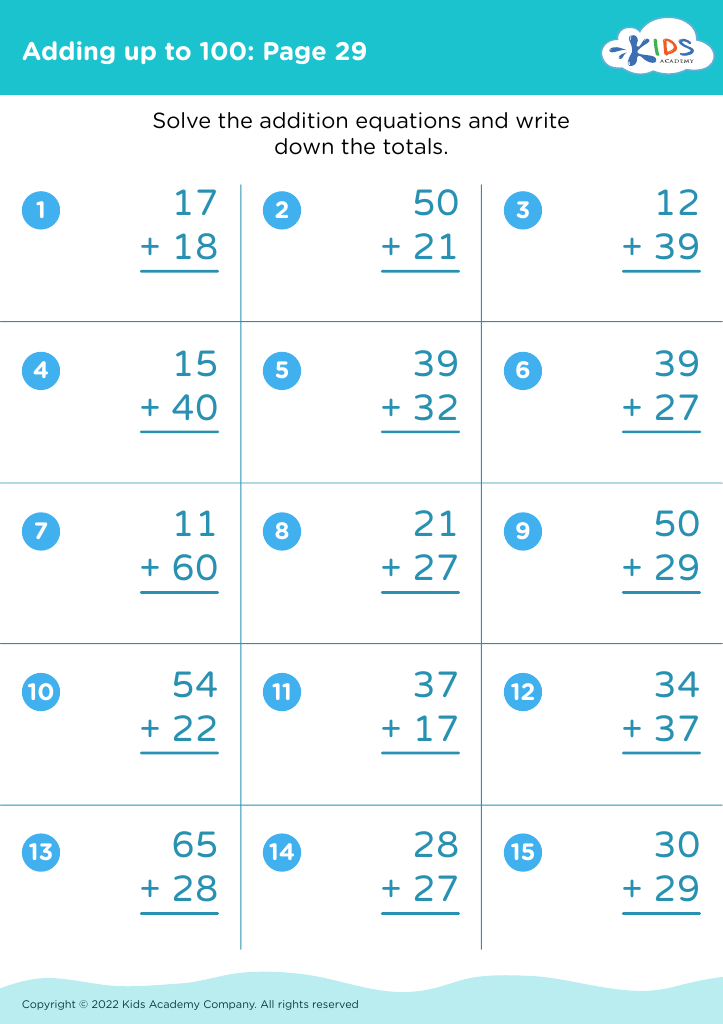
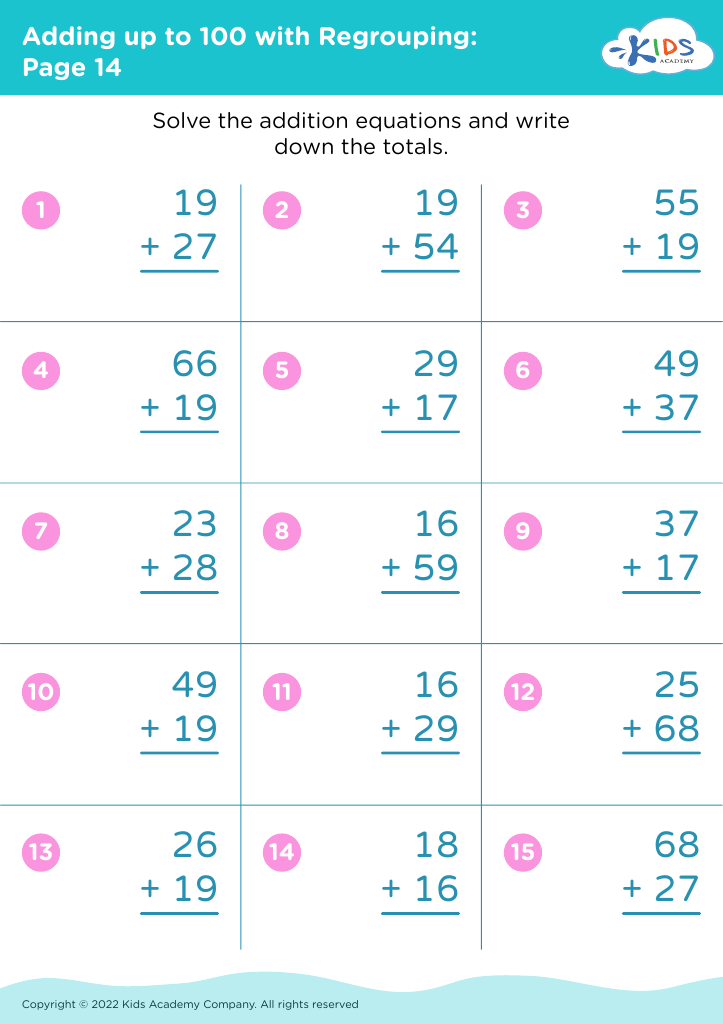
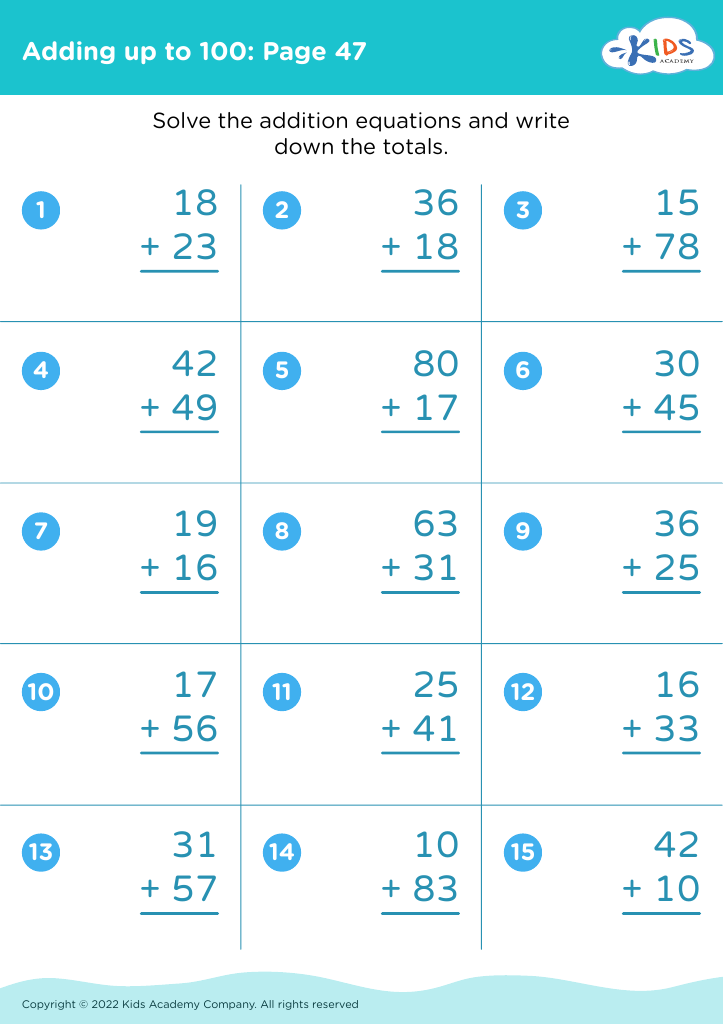
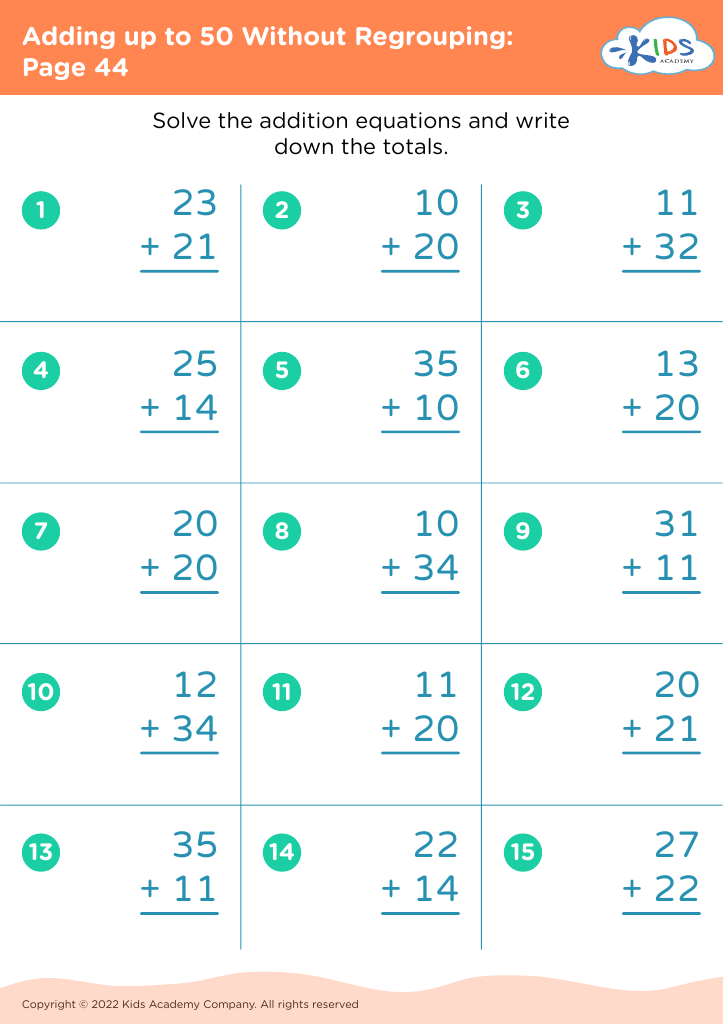
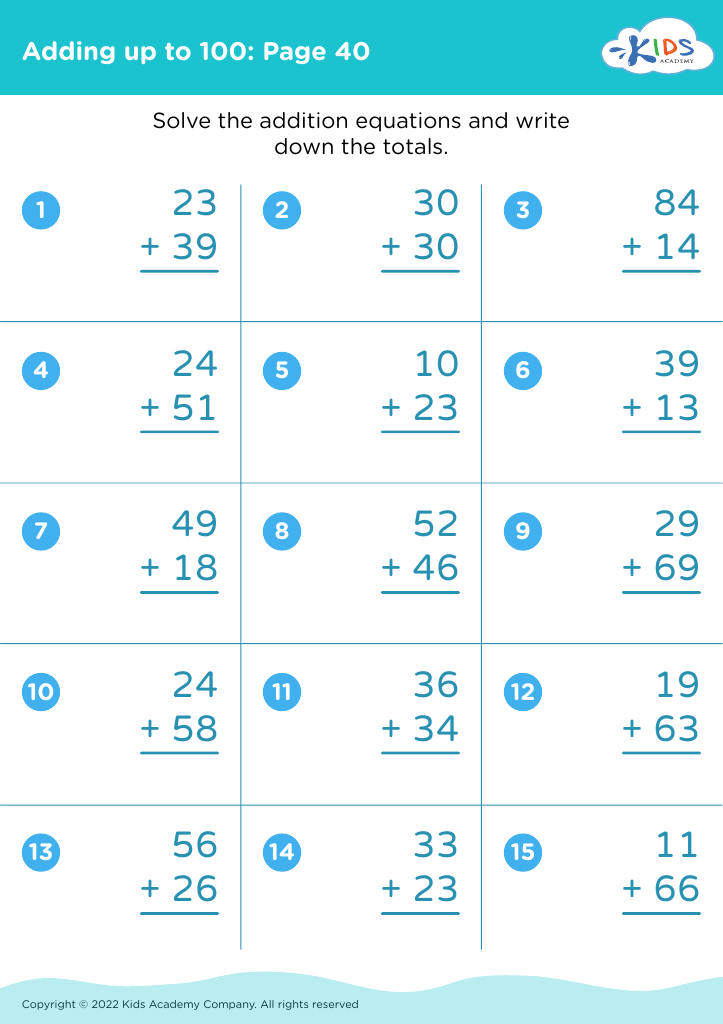
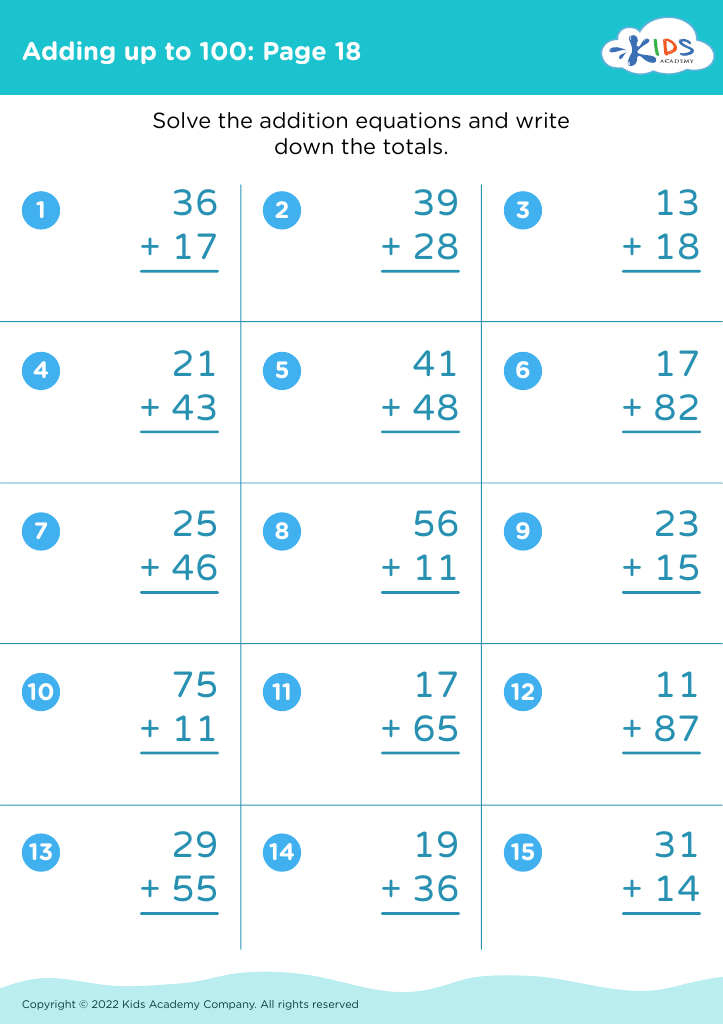
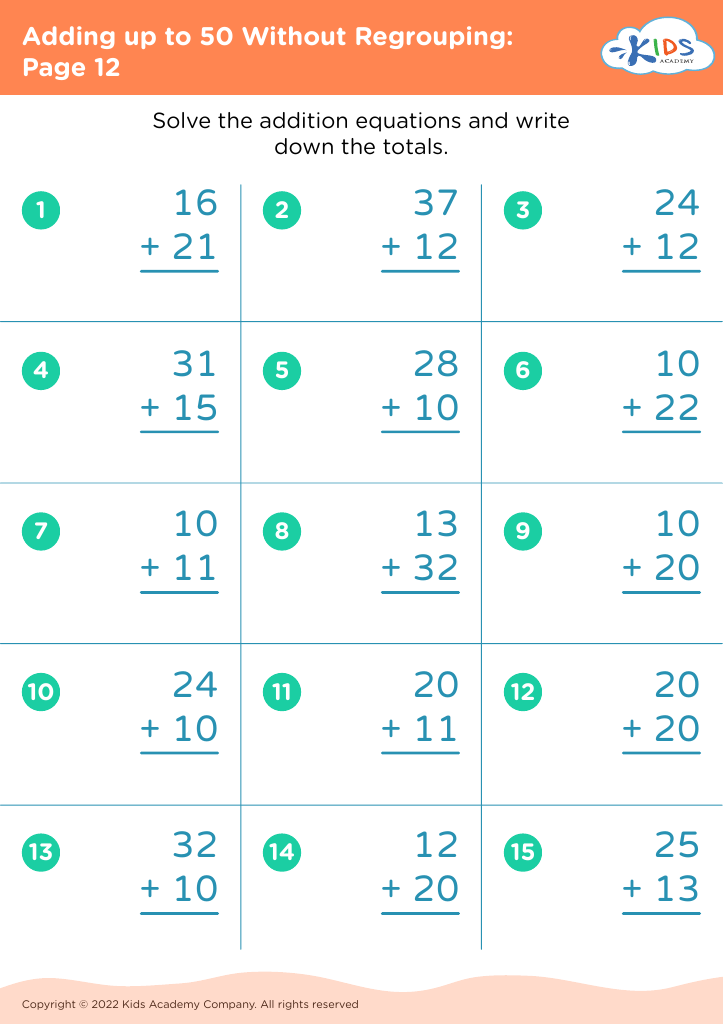
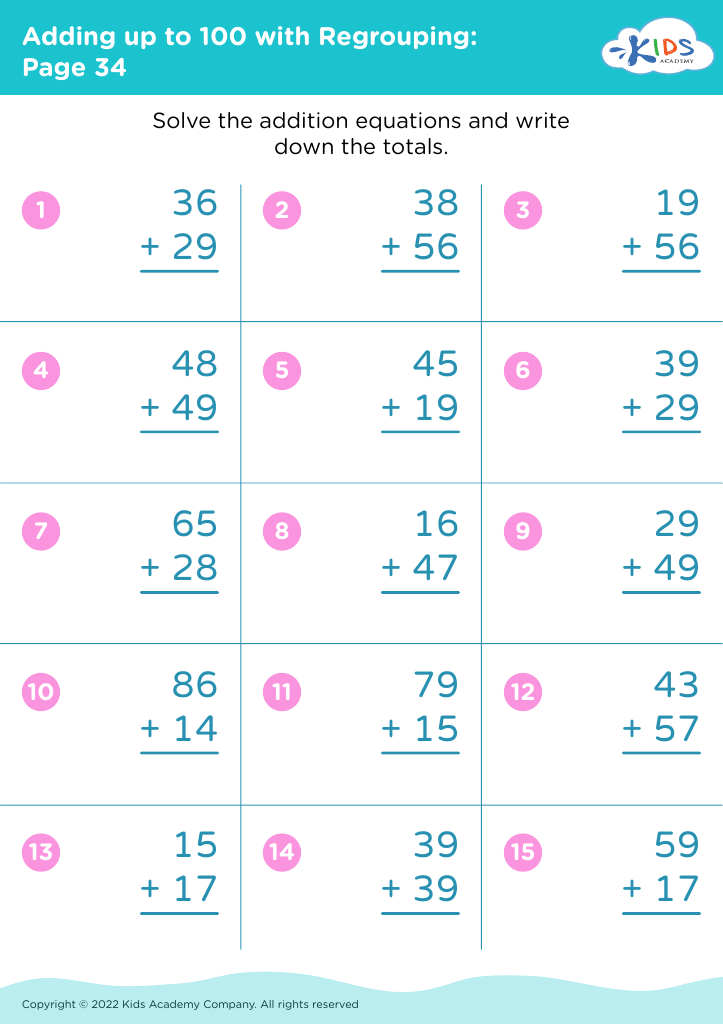
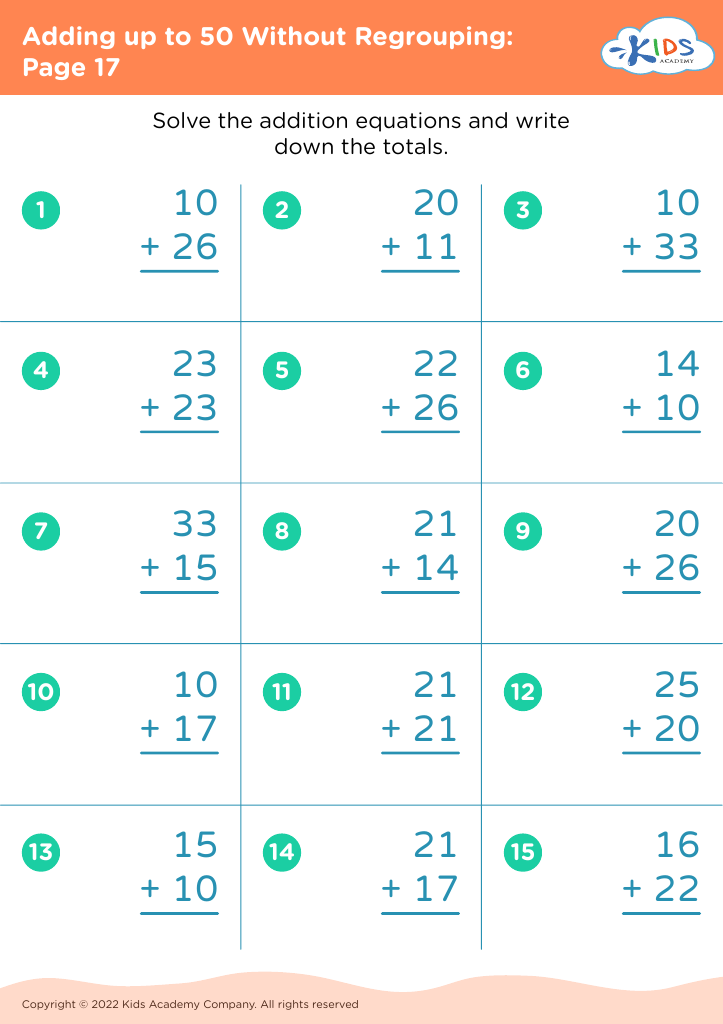
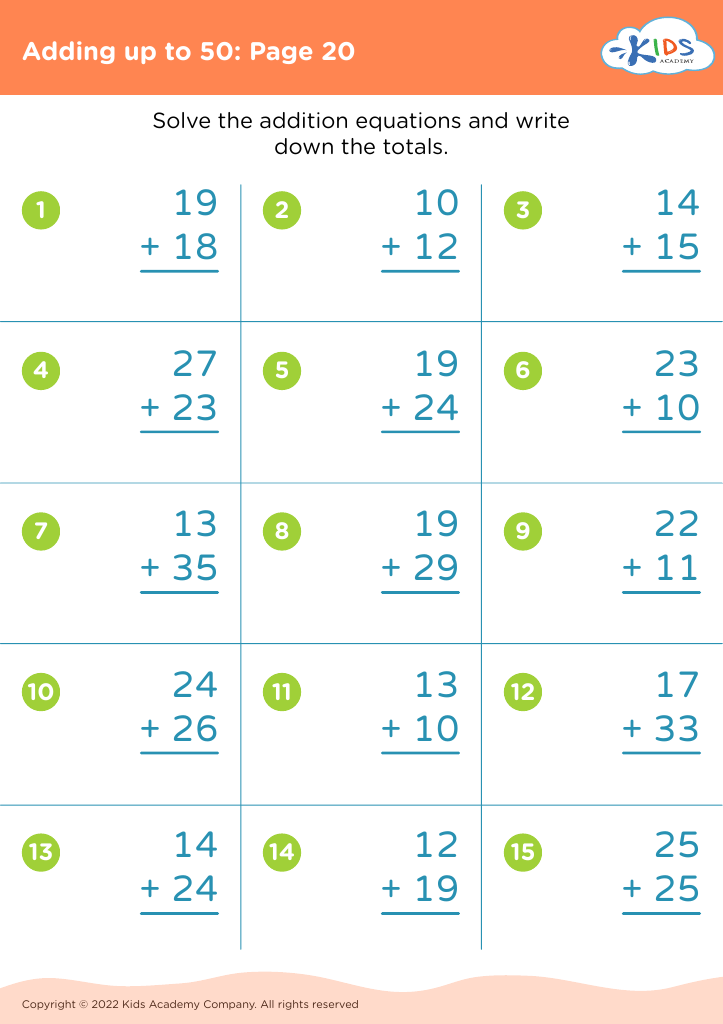
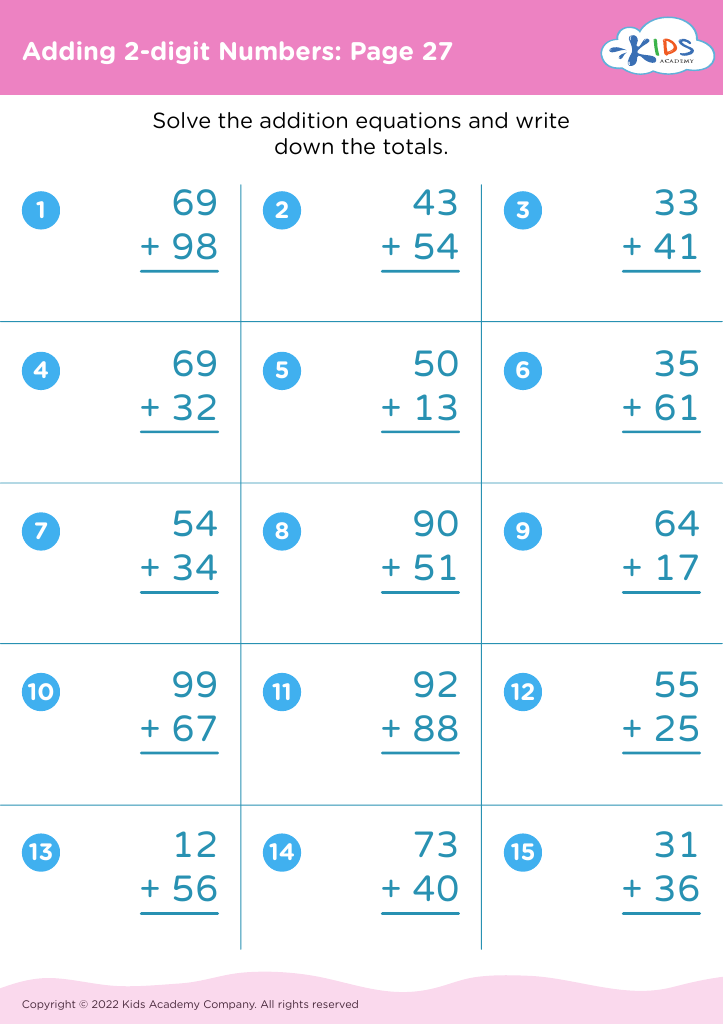
Boost your second grader's math prowess with our engaging Enhance Number Recognition Grade 2 Math Worksheets! Designed for young learners, these innovative worksheets help reinforce foundational number sense and boost confidence in identifying numbers. Filled with fun activities, ranging from matching and counting exercises to puzzles and quizzes, our resources cater to diverse learning styles. Ideal for both classroom and home practice, these worksheets encourage interactive and playful learning, ensuring a solid understanding of numbers 1-100. Perfect for enhancing cognitive skills and supporting early math success, these resources make learning enjoyable and effective. Empower your child’s math journey today!
Favorites
With answer key
Interactive
Join Kids Academy for Free
Who is primarily going to use this learning content?







Enhancing number recognition in Grade 2 math is crucial for several reasons. First and foremost, strong number recognition skills lay the foundation for more advanced mathematical concepts. At this stage, children are transitioning from basic counting to understanding the relationships between numbers, which is essential for arithmetic operations like addition and subtraction. When children can easily recognize numbers, they feel more confident in their problem-solving abilities, fostering a positive attitude towards math overall.
Moreover, early proficiency in number recognition has been shown to correlate with later academic success. By nurturing these skills, parents and teachers help ensure that children are not left behind as they progress through their educational journey. Additionally, number recognition is linked to everyday life skills, such as telling time or understanding money, which are critical as children grow older and become more independent.
Furthermore, engaging children in fun, interactive activities—like games and puzzles—makes the learning process enjoyable. This can also create valuable opportunities for bonding between parents and children or foster a collaborative learning environment in classrooms. By prioritizing number recognition, we equip children with essential tools that will benefit them academically and socially throughout their lives.