Number Sequencing Grade 2 Math Worksheets
12 filtered results
-
From - To
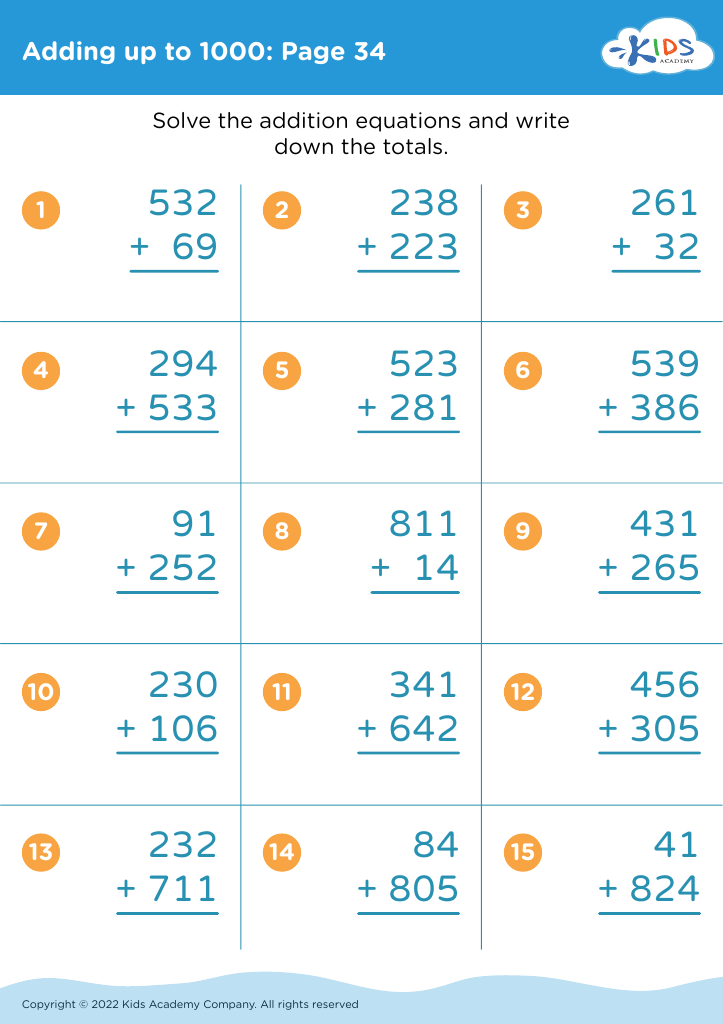
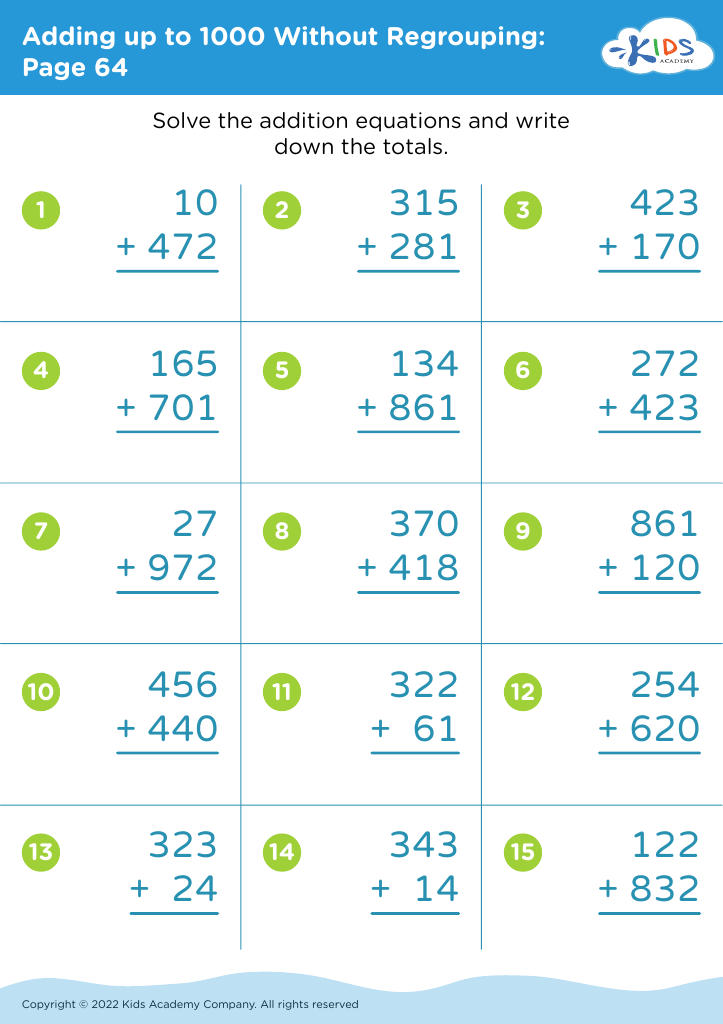
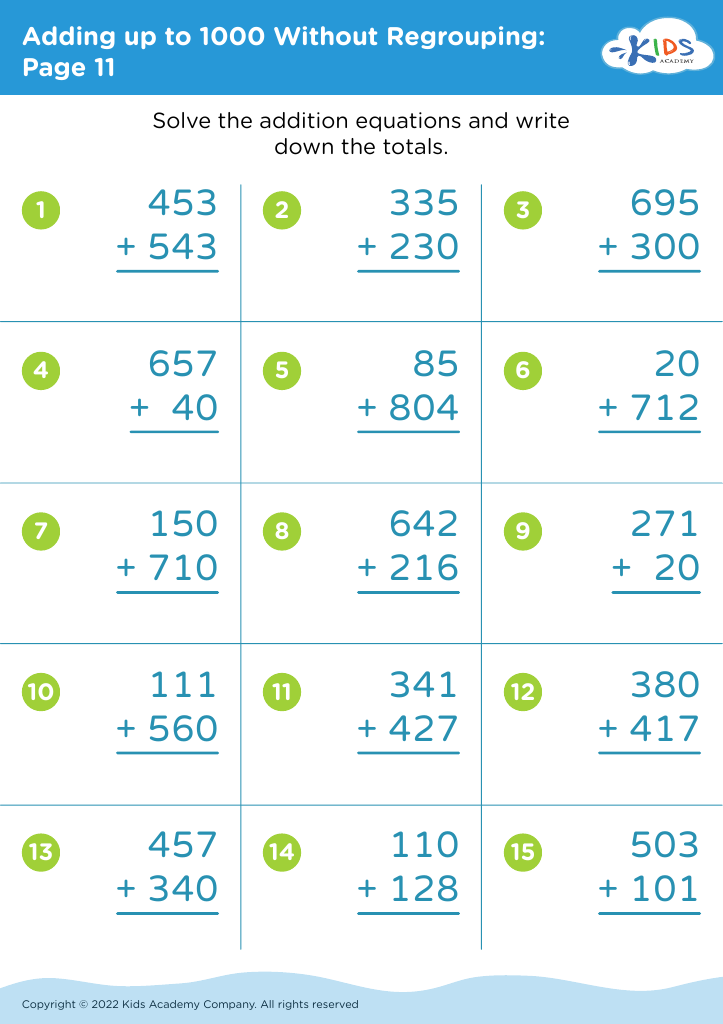
Engage your second graders with our Number Sequencing Grade 2 Math Worksheets from Kids Academy! These fun and educational worksheets are designed to enhance your child's understanding of numerical order and sequencing. Featuring various activities like counting, identifying patterns, and arranging numbers, these printable worksheets offer a comprehensive approach to mastering essential math skills. Perfect for classroom or at-home practice, they ensure children build a solid foundation in number sequencing. Our worksheets are aligned with Common Core standards, making math learning enjoyable and effective. Download now and help your child become a number sequencing whiz!
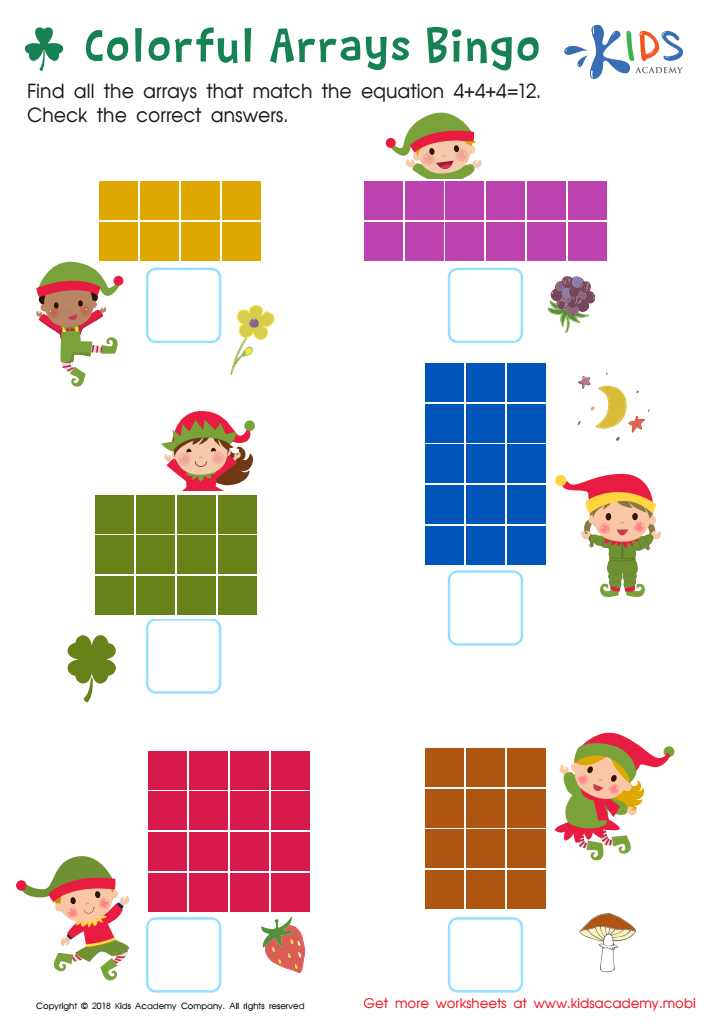
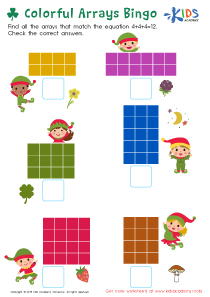
Colorful Arrays Bingo Worksheet
 Assign to My Students
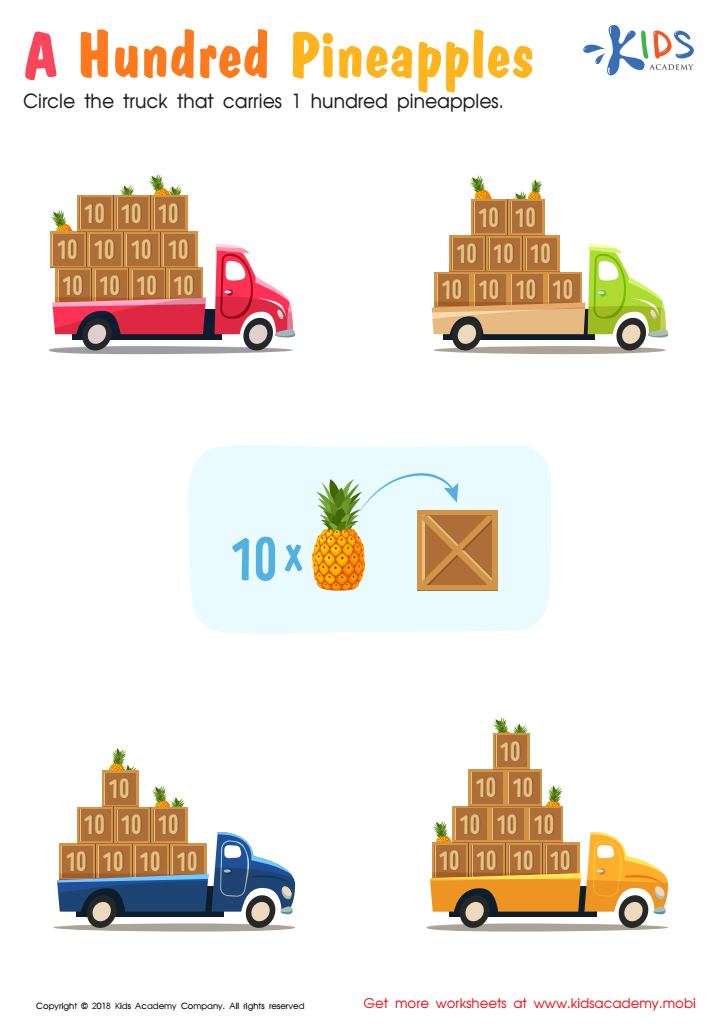
A Hundred Pineapples Worksheet
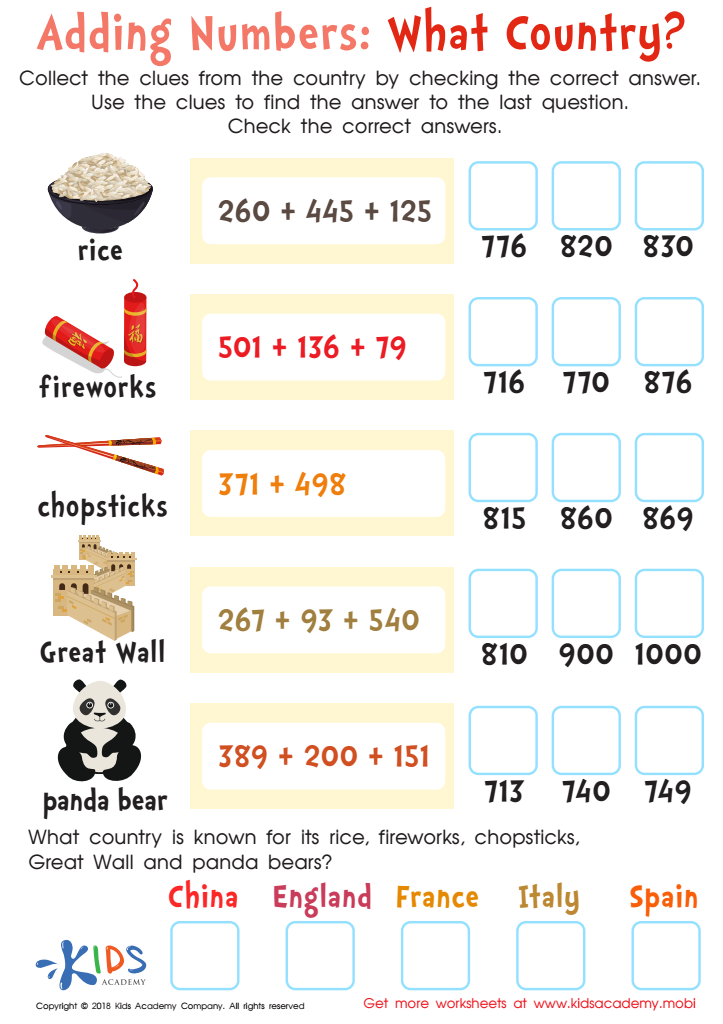
Adding Numbers: What Country Worksheet







Number sequencing is a cornerstone of Grade 2 math that parents and teachers should care about because it establishes a critical foundation for more advanced math concepts. Mastery of number sequencing helps children understand the order and relationship between numbers, which is crucial for developing skills such as addition, subtraction, and even multiplication and division later on.
Firstly, number sequencing enhances a child's ability to recognize patterns. By understanding sequences, children can predict what comes next, which is a fundamental cognitive skill that enhances problem-solving capabilities across various subjects, not just math. Recognizing patterns also supports logical thinking and the ability to make connections between concepts.
Secondly, counting forward and backward in different intervals (like by 2s, 5s, or 10s) reinforces their numerical fluency, making mental calculations quicker and more accurate. This fluency is vital for meeting not only everyday practical tasks but also future academic challenges.
Moreover, successfully internalizing number sequences promotes confidence in students. This confidence encourages an enthusiastic approach towards math and reduces math anxiety, setting them up for a positive attitude towards STEM subjects. Parents and teachers play a crucial role in providing practice, encouragement, and resources, making the learning process more engaging and effective.
Thus, caring about number sequencing in Grade 2 ensures children develop strong numerical skills, pattern recognition, and confidence, paving the way for future academic success.