Telling time Grade 2 Math Worksheets
3 filtered results
-
From - To
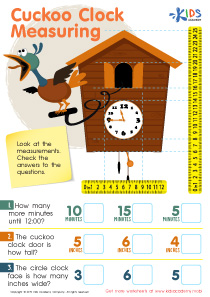
Discover engaging Grade 2 math worksheets designed to help young learners master the skill of telling time. Our comprehensive collection features a variety of worksheets that focus on both digital and analog clocks, enabling students to read, write, and understand time in a fun and interactive way. With exercises that include matching clocks to the correct times, solving word problems, and creating their own schedules, children will build confidence and fluency in this essential skill. These worksheets are perfect for classroom activities or at-home practice, ensuring that your child develops a strong foundation in time-telling. Get started today!






Teaching second graders to tell time is essential for several reasons that extend beyond sheer math skills. Firstly, understanding time helps children develop organizational skills. Learning to read both analog and digital clocks enables students to manage their day-to-day routines more effectively, as they learn to plan and allocate time for activities such as homework, meals, and play.
Secondly, telling time fosters responsibility and independence. As children practice these skills, they begin to take ownership of their schedules, promoting self-discipline and time management—crucial life skills.
Moreover, learning time enhances cognitive development. It involves recognizing patterns, making comparisons, and understanding sequencing, all of which build foundational skills in math and literacy.
Additionally, time concepts connect to real-life situations, making learning relevant and practical. By incorporating discussions around events tied to time (like bedtime or special occasions), parents and teachers can make learning fun and engaging.
Finally, knowledge of time cultivates social awareness as children coordinate plans and appointments with friends and adults. For all these reasons, investing time and focus into teaching students how to tell time is crucial for their growth as responsible and independent individuals.