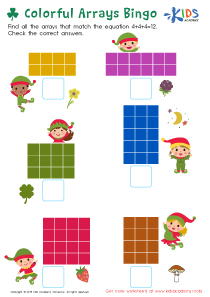
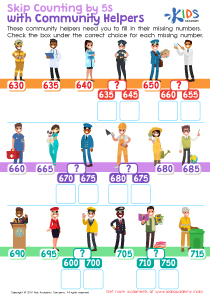
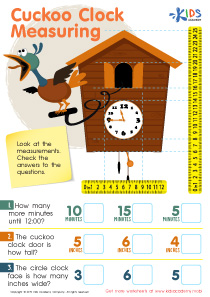
Visual perception improvement Grade 2 Math Worksheets
3 filtered results
-
From - To
Boost your child's mathematical abilities and visual perception with our Grade 2 Math Worksheets. These expertly designed printables from Kids Academy enhance essential skills like pattern recognition, spatial awareness, and the ability to identify shapes and numbers. Our engaging activities ensure that your second grader develops a keen eye for detail while solidifying foundational math concepts. Perfect for in-class practice or at-home learning, these worksheets are a valuable resource for educators and parents alike. Help your child succeed and enjoy math with our fun and educational visual perception improvement worksheets. Download now to support your child's academic growth!
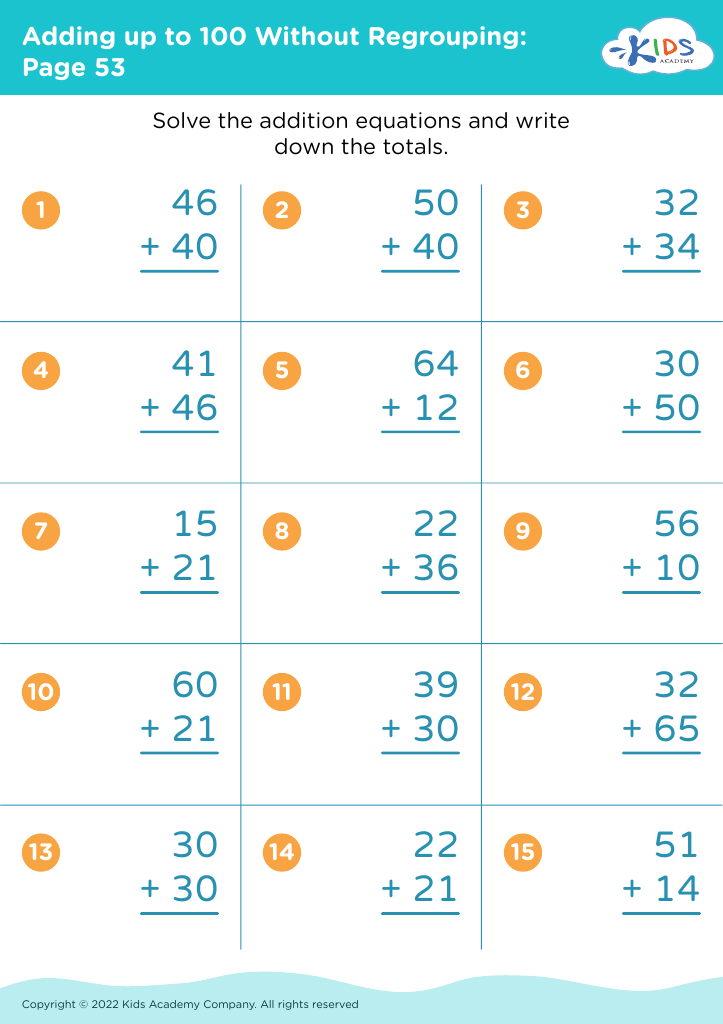
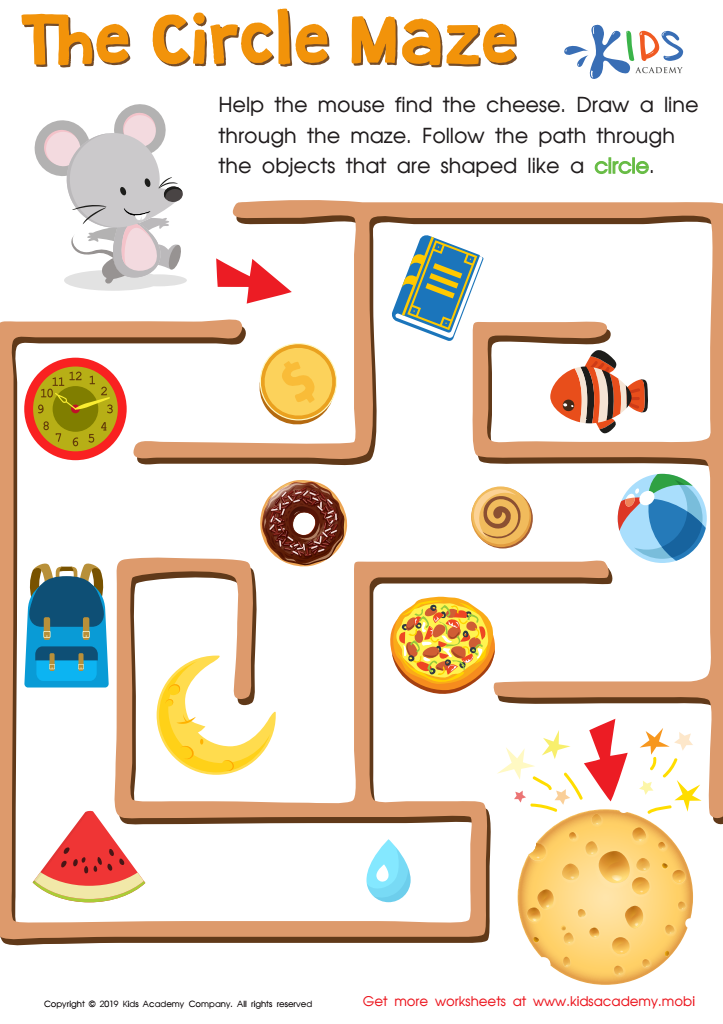
The Circle Maze Worksheet
 Assign to My Students
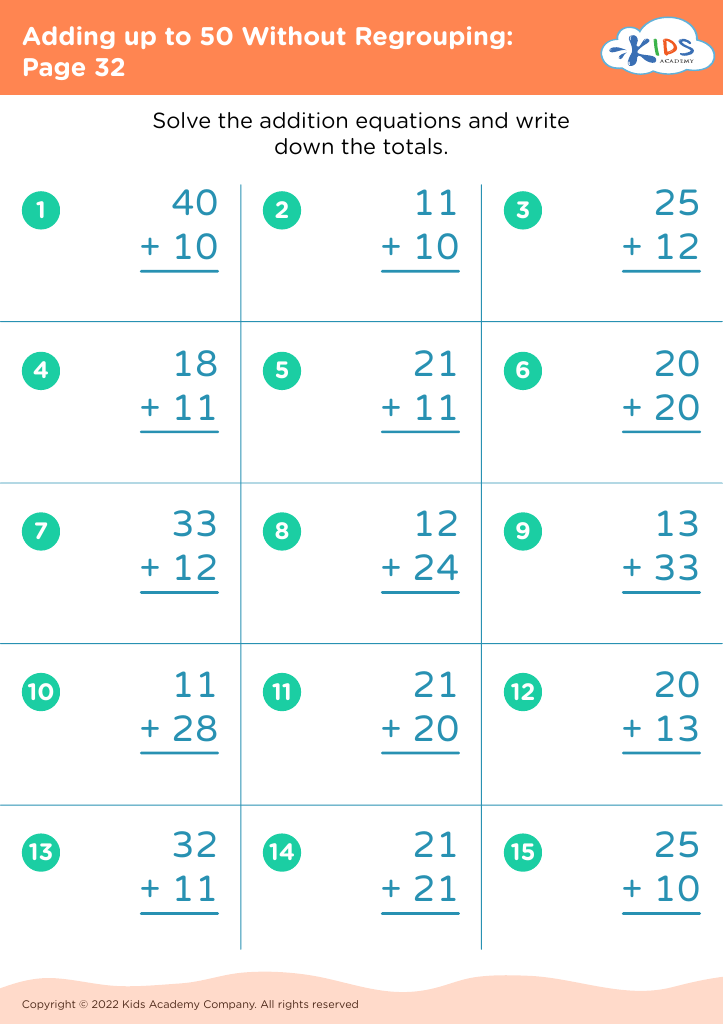








Improving visual perception is crucial for Grade 2 math success, and both parents and teachers should care deeply about this aspect of development. Visual perception—the ability to interpret and organize visual information—is foundational for many math skills. For instance, young learners use visual perception to recognize and differentiate between numbers, understand spatial relationships, and grasp geometric concepts.
Strong visual perceptual skills enable students to better interpret math problems, data, and patterns, facilitating their overall comprehension and analytical abilities. When these skills are well-developed, children find it easier to align numbers correctly, recognize shapes, and understand the positioning of objects—all of which are central concepts in early math education. Conversely, poor visual perception can lead to difficulties with handwriting, recognizing math symbols, and even following instructions, which can hinder academic progress and diminish confidence.
Parents and teachers can support visual perception through activities like puzzles, drawing, and interactive games that encourage visual discrimination and spatial reasoning. Such interventions not only bolster math proficiency but also improve focus, attention to detail, and problem-solving capabilities. Hence, investing in visual perception improvement ensures that Grade 2 students build a robust foundation for future academic success.