Fine Motor Skills Grade 2 Nursery Rhymes Worksheets
8 filtered results
-
From - To
Enhance your second grader's fine motor skills with our engaging Nursery Rhymes Worksheets! Designed specifically for young learners, these worksheets combine the fun of classic nursery rhymes with activities that promote hand-eye coordination, pencil grasp, and dexterity. From tracing to coloring, each exercise is crafted to build confidence and proficiency in essential fine motor abilities. Easily printable, these worksheets serve as a delightful supplement to your child's learning at home or in the classroom. Explore the joy of learning through rhythmic verses and dynamic tasks that support developmental growth, making fine motor skill practice both effective and enjoyable!
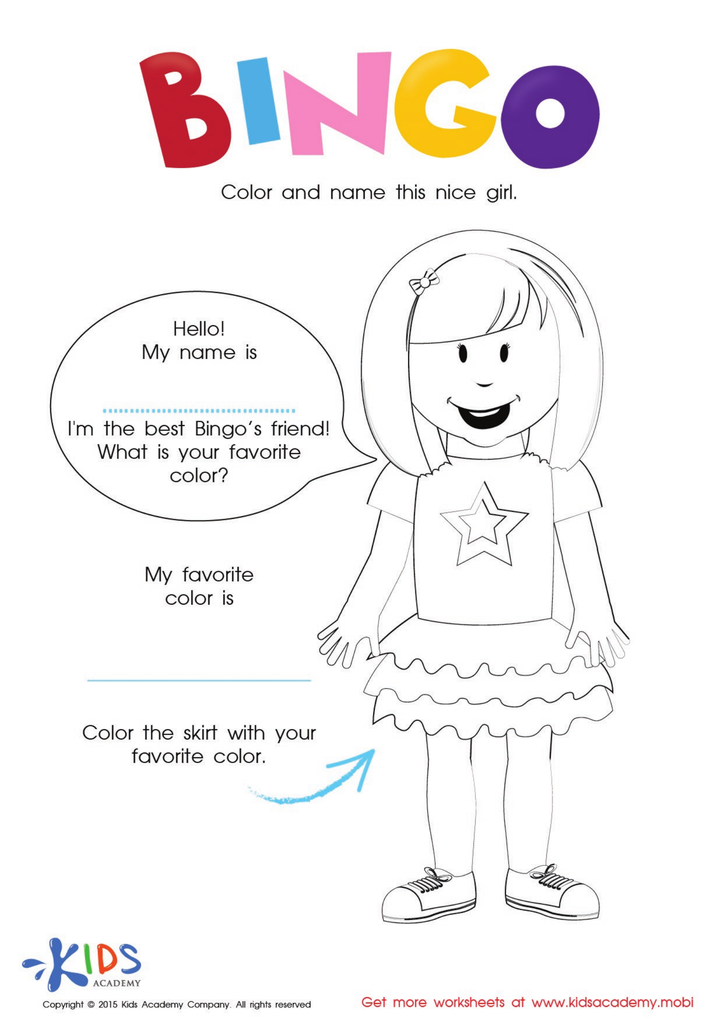
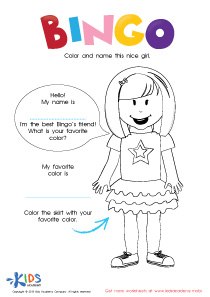
The Bingo Song: Coloring The Girl Worksheet
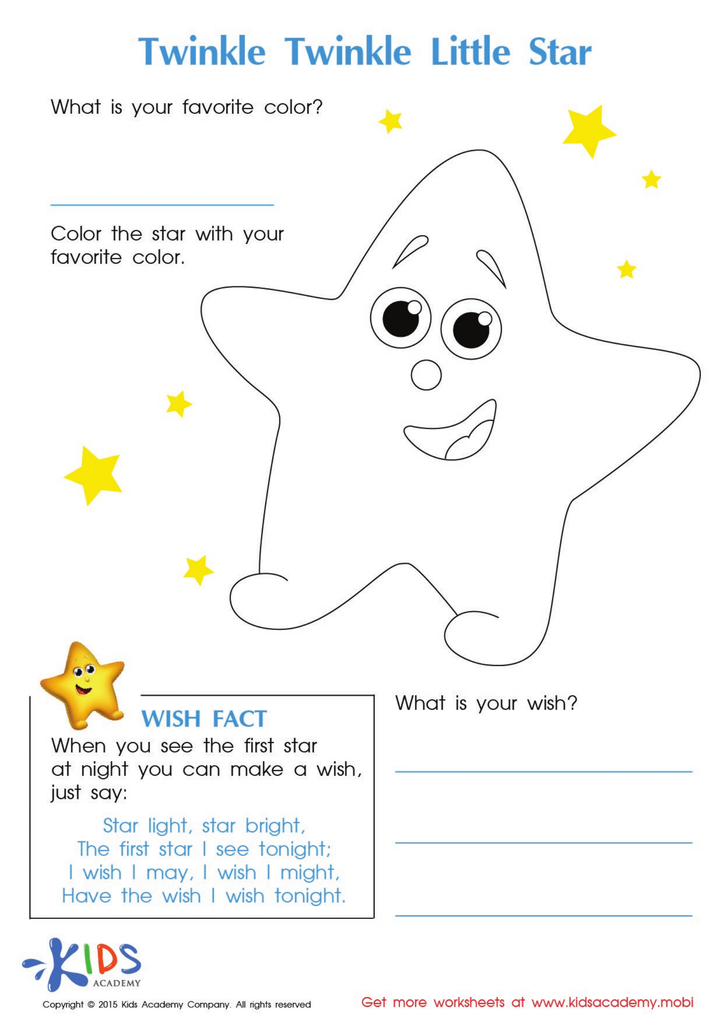
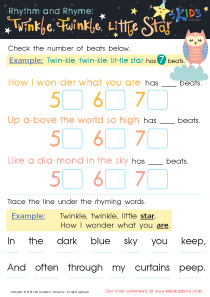
Twinkle Little Star Coloring Worksheet

Twinkle Twinkle Little Star Coloring Page
 Assign to My Students
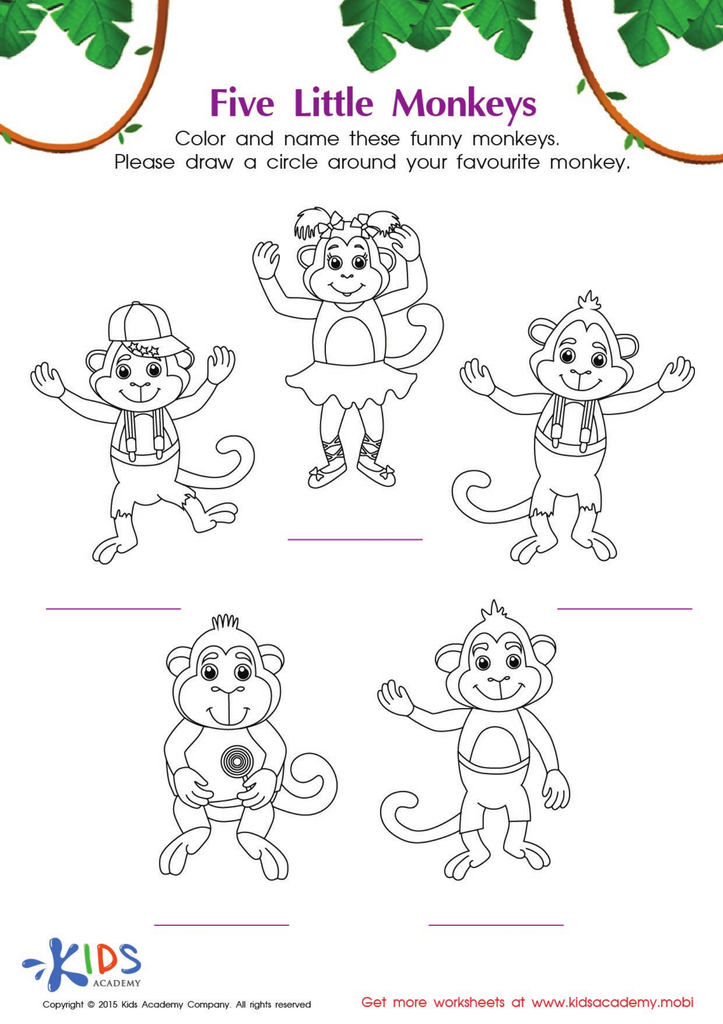
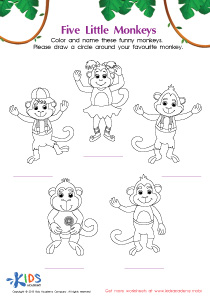
The Five Little Monkeys Coloring Worksheet
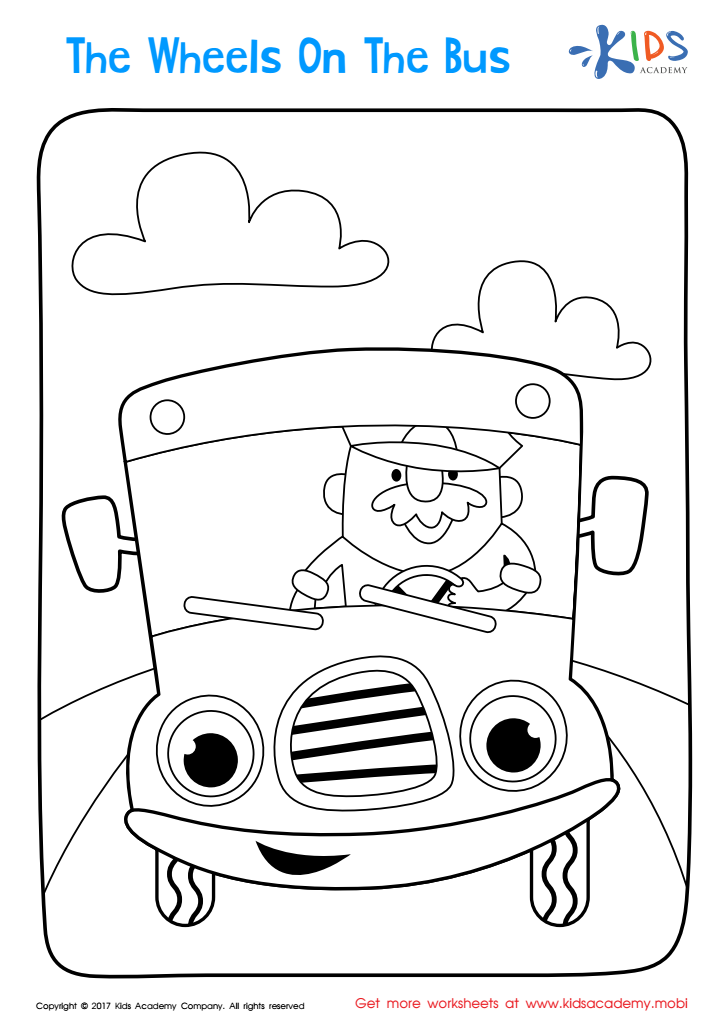
The Wheels on the Bus Coloring Page
Assign to My Students
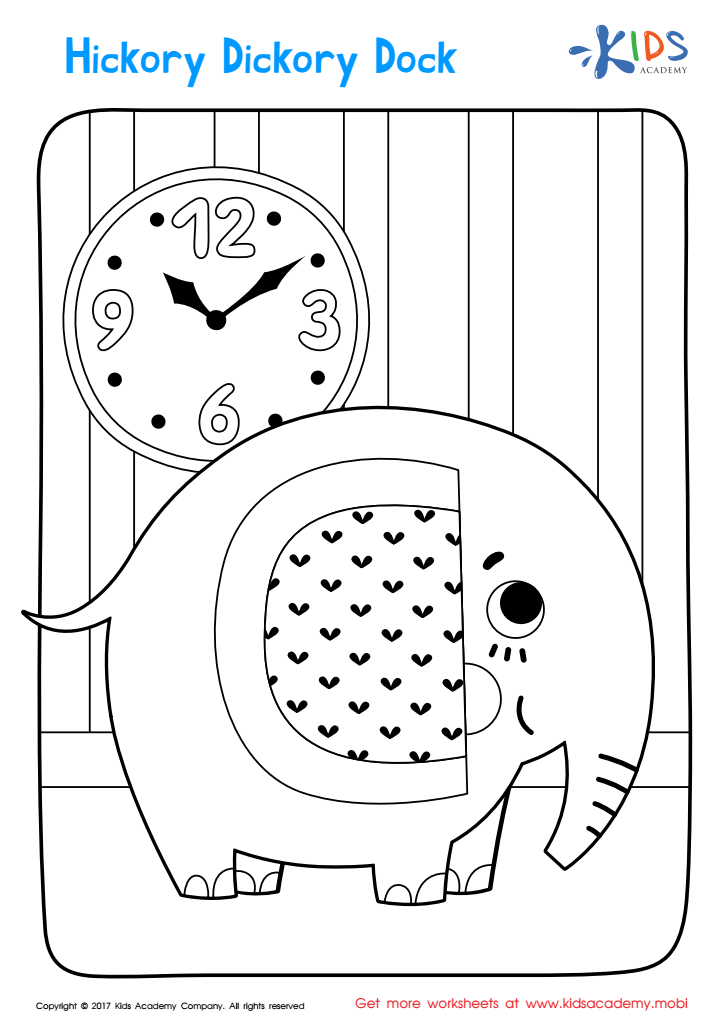
Hickory Dickory Dock Coloring Page
Assign to My Students
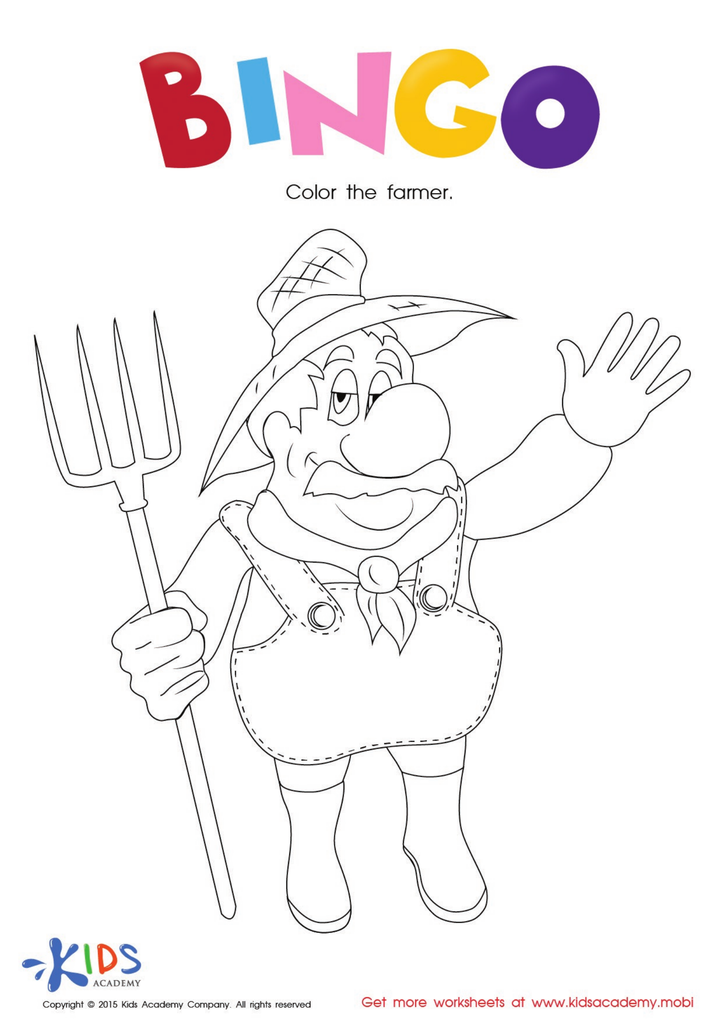
The Bingo Song: Coloring The Farmer Worksheet
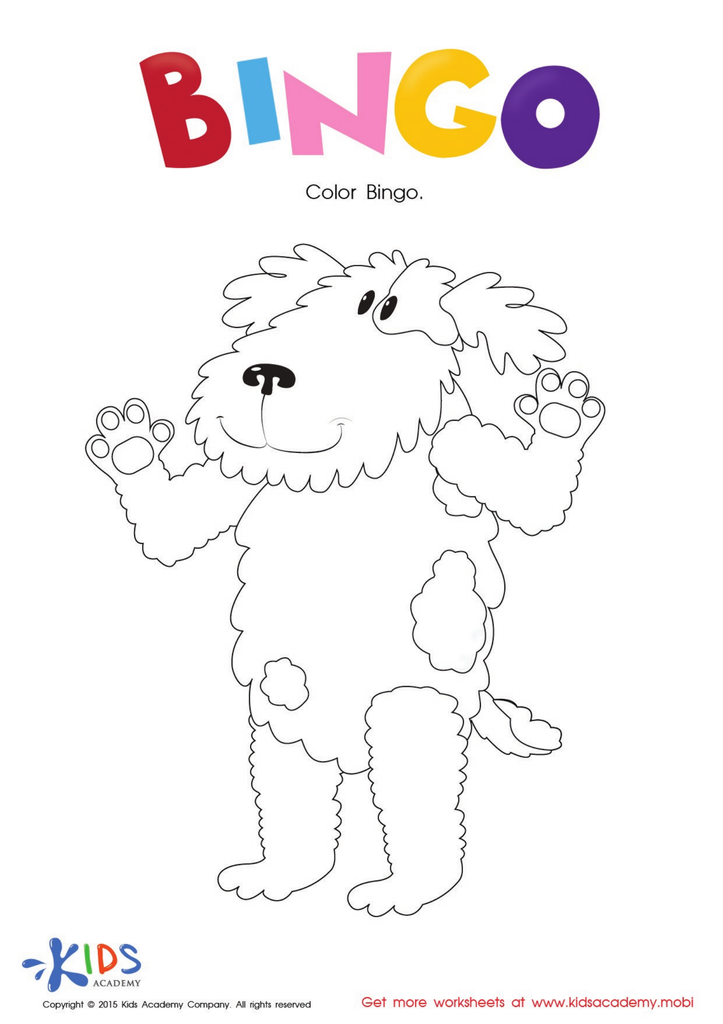
The Bingo Song: Coloring The Dog Worksheet





Fine motor skills are essential for young children's overall development, and they play a vital role in Grade 2 nursery rhymes activities. Firstly, engaging children in nursery rhymes often involves actions like clapping, waving, and using manipulatives, which enhance hand-eye coordination and dexterity. These skills are crucial as children advance in their academic work, particularly in writing, drawing, and manipulating everyday objects.
Additionally, nursery rhymes are effective tools for language development. As children listen and interact with rhymes, they enrich their vocabulary and improve phonemic awareness—both of which are foundational for reading. Encouraging fine motor skills through nursery rhymes also fosters creativity and imagination. When children create visual or tactile representations of the rhymes, they can explore various textures and tools, further developing their grasps.
Moreover, participating in these activities strengthens the bond between parents, teachers, and children, reinforcing positive social interactions. As they work together, children not only develop fine motor skills but also learn the importance of cooperation and communication.
In conclusion, fostering fine motor skills through Grade 2 nursery rhymes promotes a holistic approach to learning, enabling children to thrive in academic and social settings while laying the groundwork for future learning experiences.