Counting skills Grade 2 Building Vocabulary Worksheets
9 filtered results
Difficulty Level
Grade
Age
-
From - To
Subject
Activity
Standards
Enhance your Grade 2 students' counting skills with our engaging Building Vocabulary Worksheets! Designed to support young learners, these interactive resources combine fun activities with essential vocabulary development. Students will explore numbers and their meanings through various exercises that reinforce counting proficiency—from basic numerals to simple arithmetic operations. Our worksheets foster a solid understanding of counting concepts while expanding vocabulary through creative tasks and real-world applications. Ideal for classroom use or at-home learning, these worksheets aim to build both confidence and competence in mathematics. Equip your second graders with the skills they need to succeed by accessing our user-friendly and printable material today!
Favorites
With answer key
Interactive
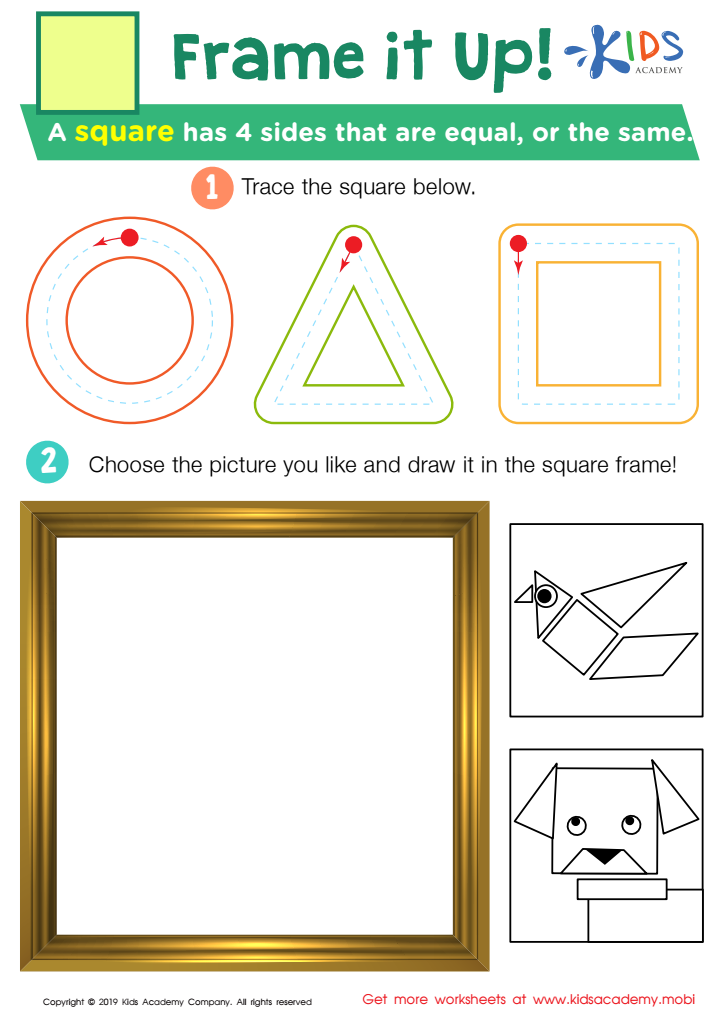
Frame it Up Worksheet
This worksheet helps kids learn the difference between squares and other shapes. It guides them to trace a square and draw a picture inside it. Examples of shapes-based drawings are included. Kids will have fun and clear up any confusion about squares.
 Assign to My Students
Frame it Up Worksheet
Worksheet
Join Kids Academy for Free
Who is primarily going to use this learning content?







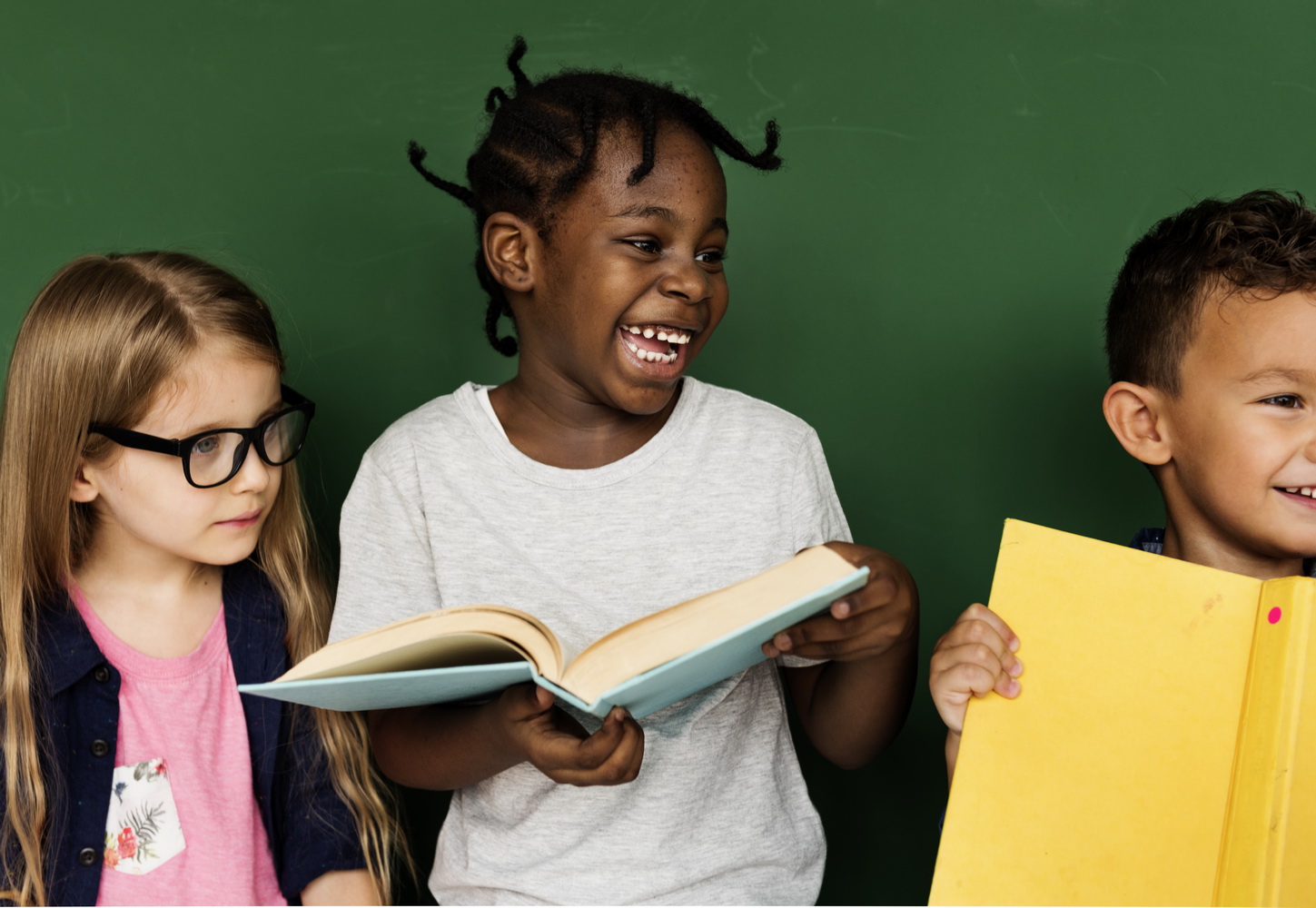
Counting skills and building vocabulary are essential components of early education, particularly in Grade 2. Understanding numbers forms the foundation for all future mathematical concepts, and as students progress, these skills become increasingly critical. Proficient counting not only helps with basic arithmetic but also enhances problem-solving abilities and cognitive development. When children confidently count and recognize numerical patterns, they are better equipped to tackle more complex equations.
Simultaneously, building vocabulary is crucial for literacy and comprehension. In Grade 2, children's reading skills advance rapidly, and a strong vocabulary aids their ability to understand and relate to texts. It empowers them to express their thoughts clearly, encourages curiosity about the world, and enhances their communication skills.
When parents and teachers prioritize these skills, they create a supportive learning environment that fosters confidence and enthusiasm for learning. Integrating counting activities with vocabulary exercises—such as counting objects and naming them, or using math-related terms in context—can make these experiences engaging and interconnected. Ultimately, enhancing counting skills and vocabulary not only improves academic performance but also lays the groundwork for critical thinking and lifelong learning. Prioritizing these areas equips children with the tools they need to succeed both in school and beyond.