Fraction simplification Grade 2 Reading Worksheets
5 filtered results
-
From - To
Explore our engaging collection of Fraction Simplification reading worksheets designed specifically for Grade 2 students. These worksheets aim to enhance students’ understanding of fractions while developing their reading comprehension skills. Each worksheet features age-appropriate content that tackles the fundamentals of fraction simplification through fun and interactive activities. With clear instructions and appealing visuals, children will enjoy practicing their skills while building confidence in math and literacy. Perfect for classroom use or at-home learning, these worksheets will support educators and parents in fostering a love for learning. Equip your young learners with essential skills by downloading our Fraction Simplification worksheets today!
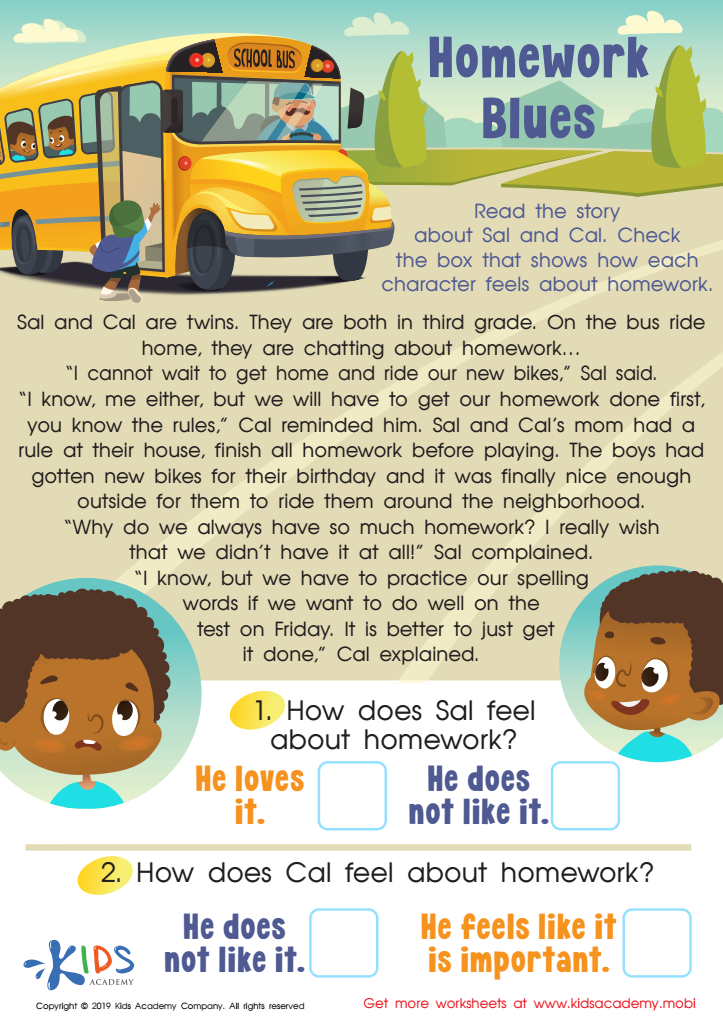
Homework Blues Worksheet
 Assign to My Students
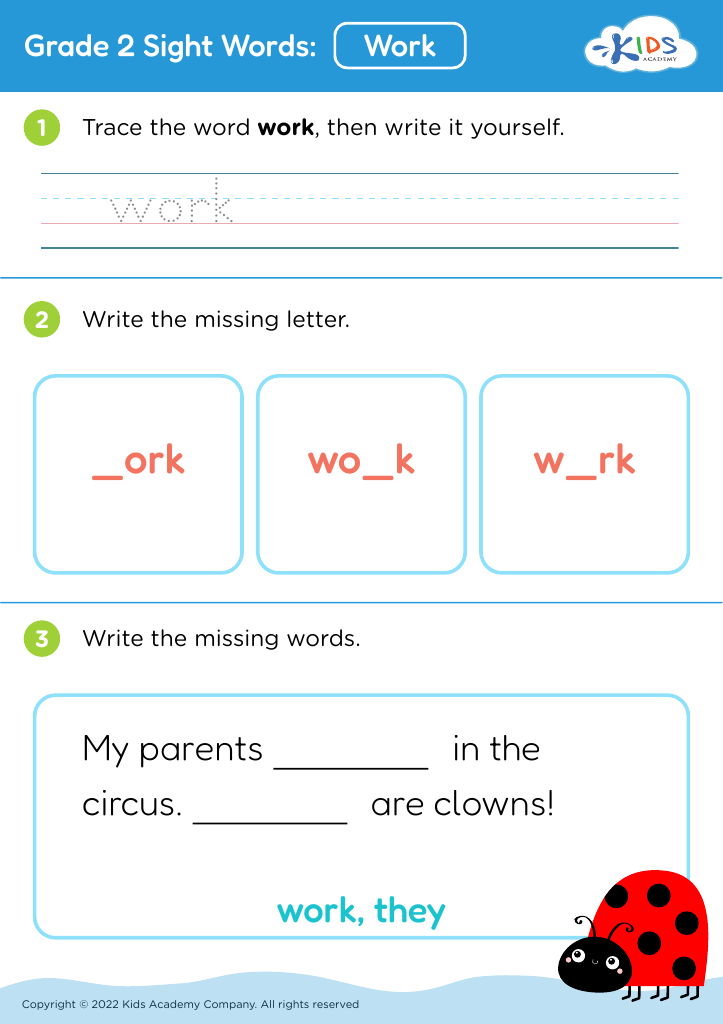
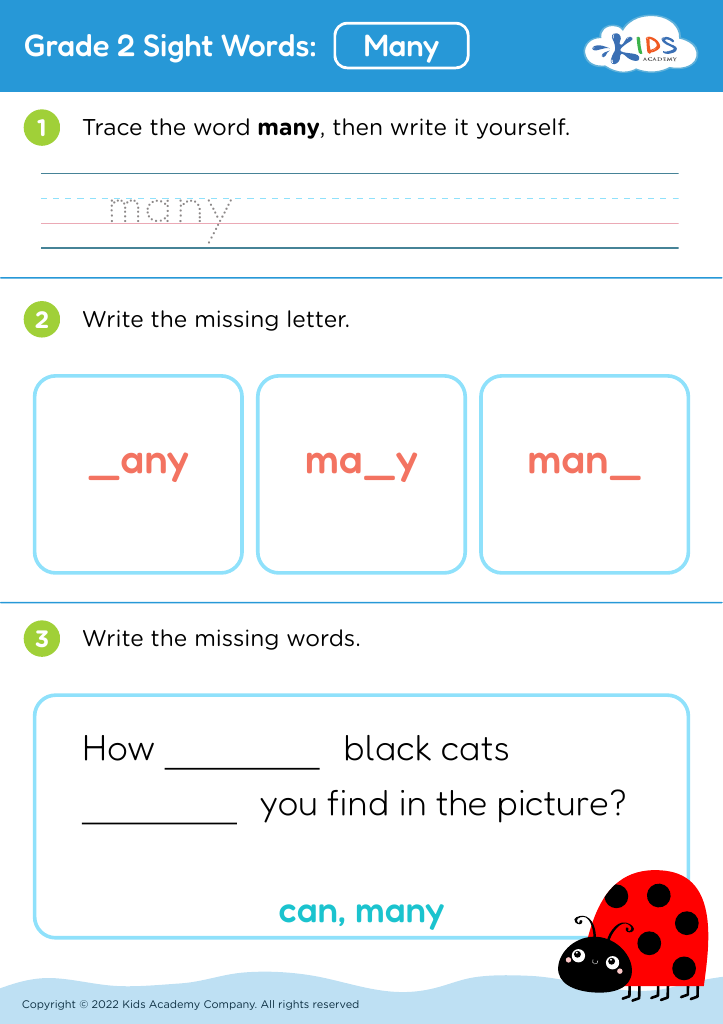
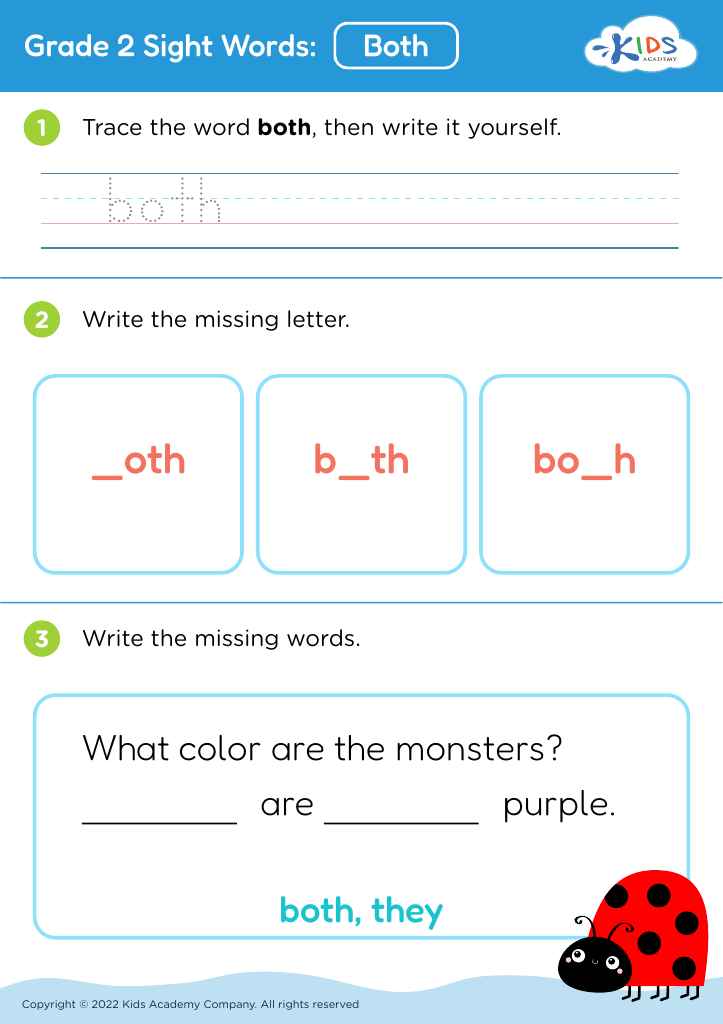







Parents and teachers should care about fraction simplification for Grade 2 students because it lays the foundation for essential mathematical skills. Understanding fractions and their simplification is crucial as it promotes not only number sense but also critical thinking and problem-solving abilities. In Grade 2, students begin to encounter fractions in daily contexts, such as sharing food or dividing objects, which makes the concept relatable and engaging.
Simplifying fractions helps students recognize relationships between numbers, enabling them to understand concepts like equivalence and comparison. This skill aids in developing a better grasp of larger mathematical ideas they will encounter in higher grades, including addition and subtraction of fractions.
Furthermore, teaching simplification at this early stage encourages perseverance and resilience in tackling complex problems. When children learn to break down fractions, they build confidence in their mathematical abilities, fostering a positive attitude towards math.
Incorporating fraction simplification into learning activities supports the development of communication skills, as students articulate their thought processes and reasoning. This holistic approach to mathematics can enhance students' overall academic performance. Ultimately, supporting children in mastering these fundamental skills creates a solid groundwork for future learning and inspires a lifelong interest in mathematics.