Number Recognition Grade 2 Songs Worksheets
4 filtered results
-
From - To
Our "Number Recognition Grade 2 Songs Worksheets" make learning fun and engaging for second graders. These colorful, interactive worksheets combine the power of music with effective learning techniques, helping children effortlessly recognize and remember numbers. Each worksheet includes catchy songs paired with vibrant illustrations, designed to reinforce number recognition while keeping kids entertained. Verified by educational experts, our worksheets align with common core standards, ensuring your child gains essential skills while having a blast. Ideal for both classroom and home use, these worksheets provide a creative, enjoyable approach to mastering number recognition in young learners. Watch their skills soar while they sing along!
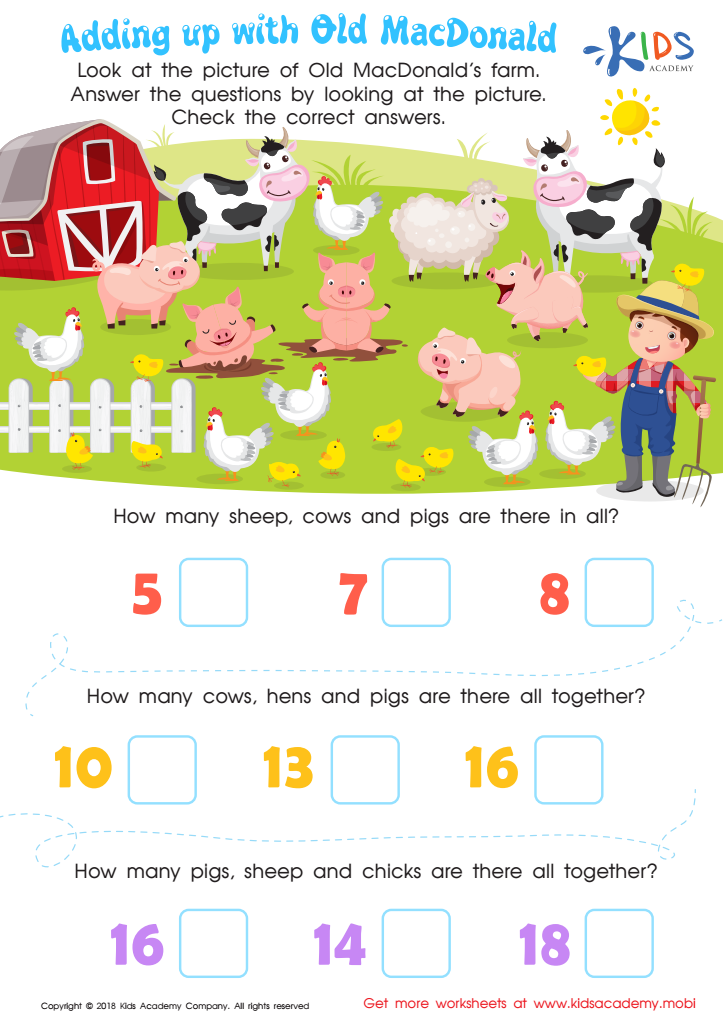
Adding Up with Old MacDonald Worksheet
 Assign to My Students
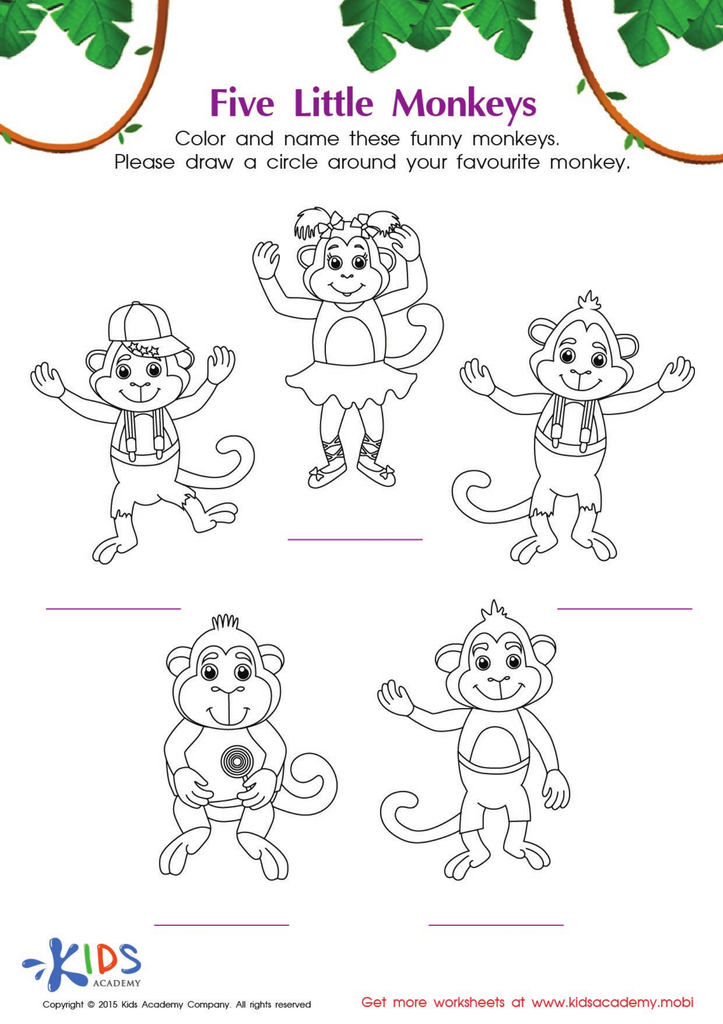
The Five Little Monkeys Coloring Worksheet
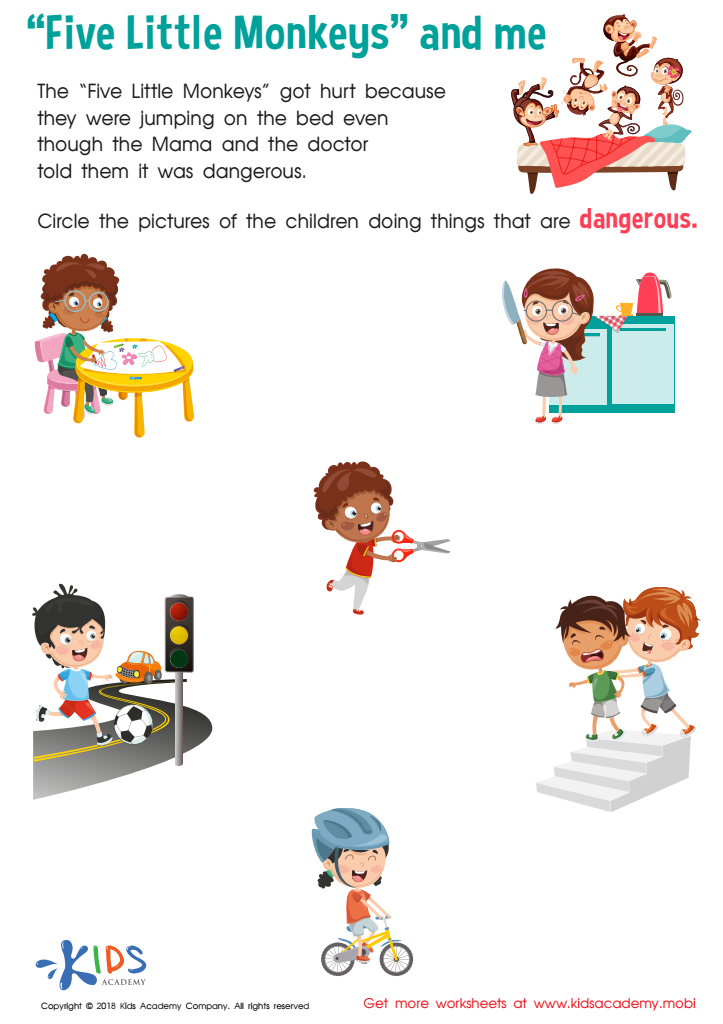
Five Little Monkeys and Me Worksheet
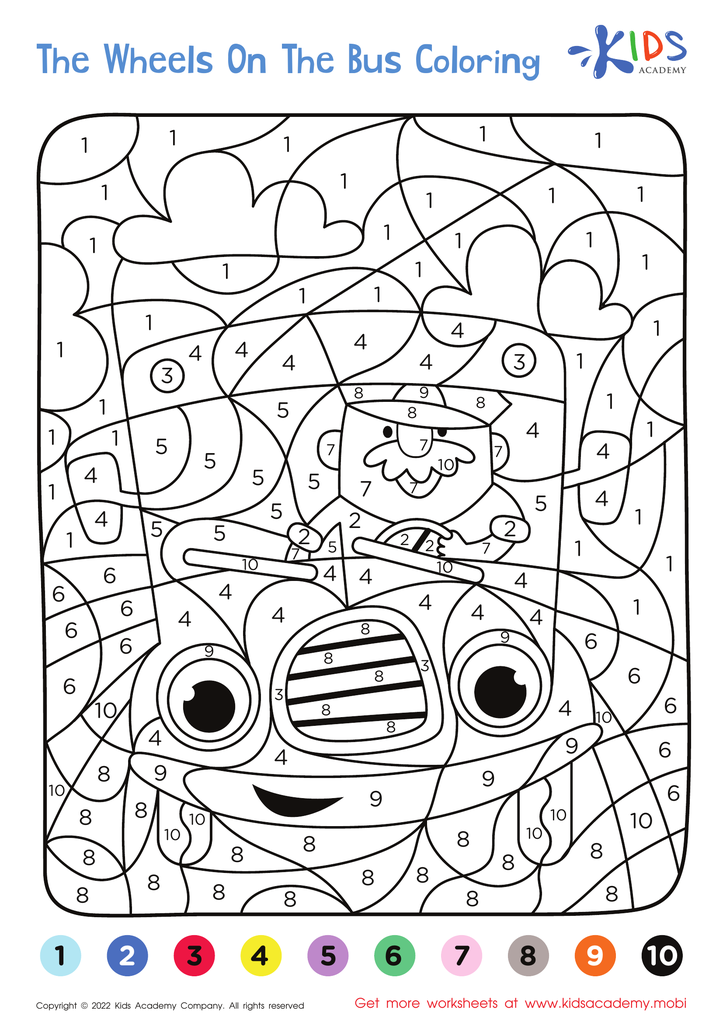
Wheels on the Bus – Coloring by Numbers








Number Recognition Grade 2 Songs are an invaluable tool for both parents and teachers, encompassing much more than just catchy tunes. Firstly, these songs transform learning into an enjoyable experience, making abstract concepts like numbers more tangible and memorable for young children. Music has a unique way of engaging multiple parts of the brain, enhancing memory retention, and fostering a love for learning.
Secondly, these songs cater to various learning styles. Auditory learners engage with the melodic content, while kinesthetic learners may benefit from accompanying actions or dance moves linked to the numbers being taught. Moreover, musical repetition reinforces long-term memory, helping second graders cement their understanding of numerical concepts and sequences.
Using songs specifically designed for number recognition also makes home practice seamless. Parents can easily create a musical learning environment, reinforcing classroom teachings and engendering a sense of continuity. Furthermore, consistent exposure to such educational songs can bridge gaps in linguistic and cognitive development, providing a strong foundation for more complex mathematical operations in the future.
In summary, Number Recognition Grade 2 Songs combine fun and education, accommodate diverse learning styles, and promote neurological development. These benefits make them an essential educational resource, aiding in the holistic growth of young learners.