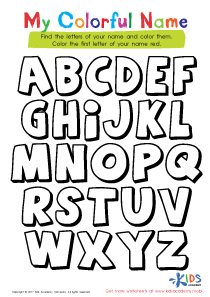
Fine Motor Skills Grade 3 ABC Letters Worksheets - Page 2
36 filtered results
-
From - To
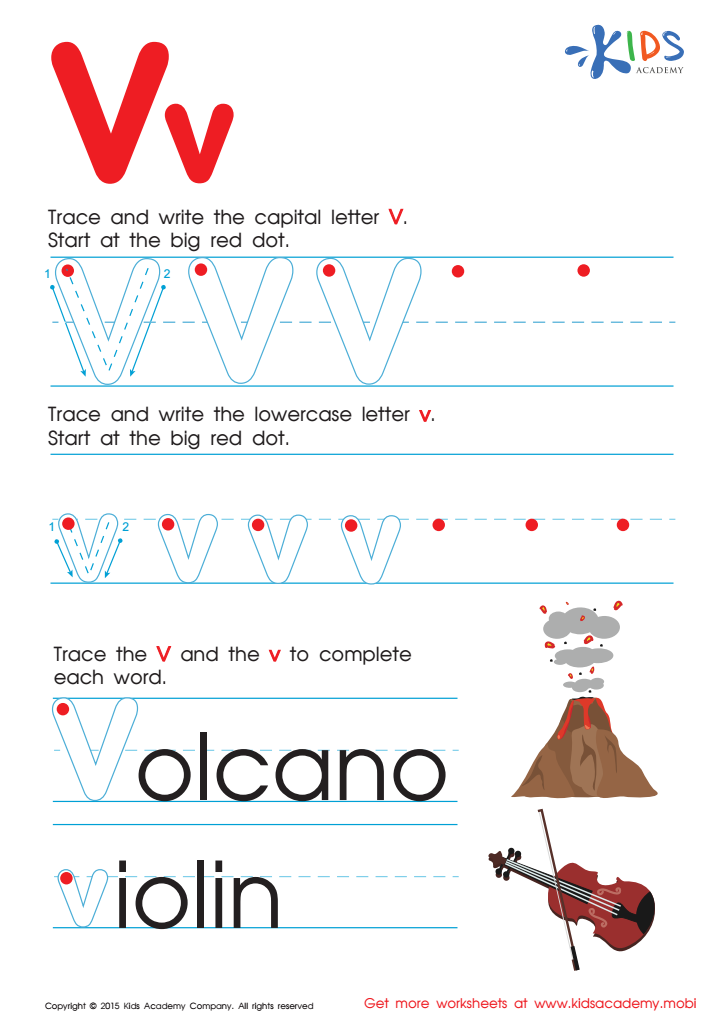
Letter V Tracing Page
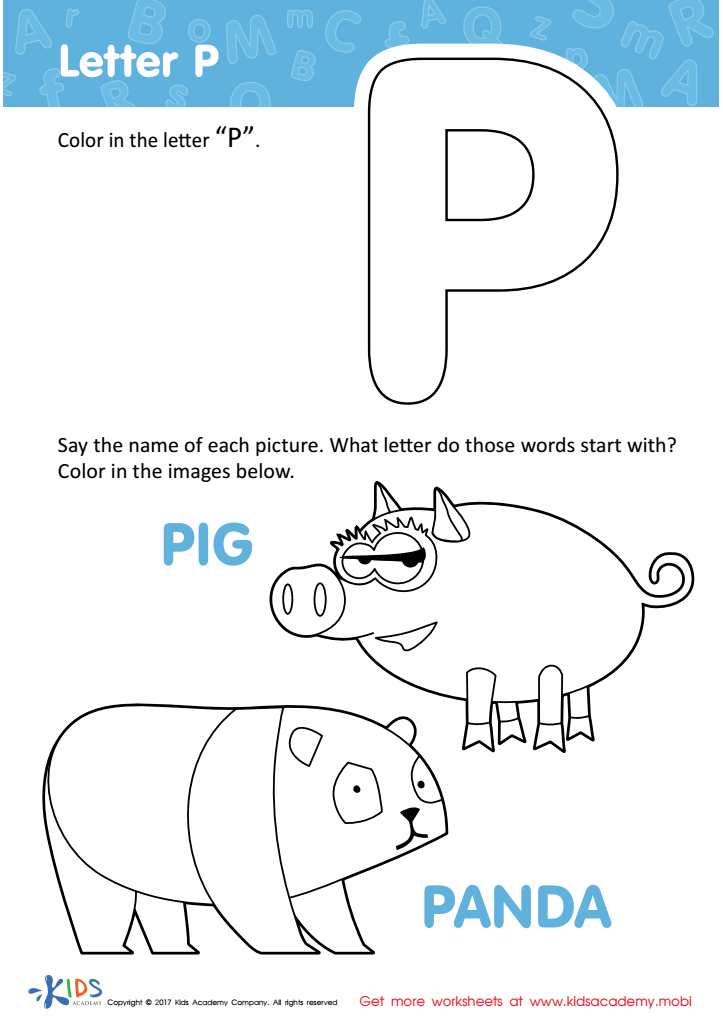
Letter P Coloring Sheet
 Assign to My Students
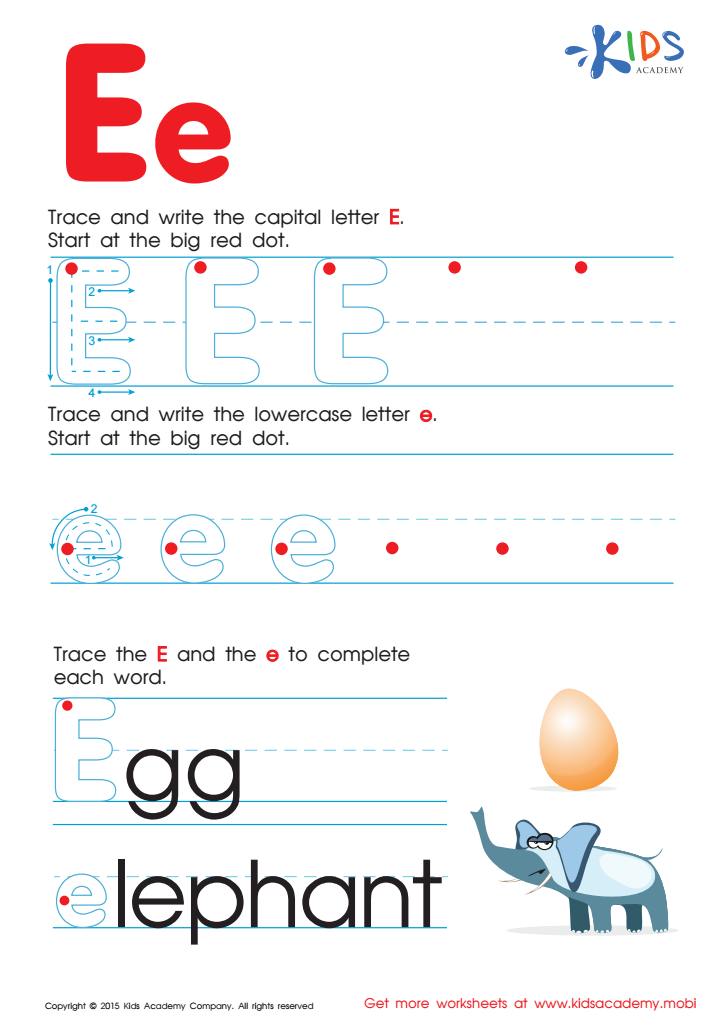
Letter E Tracing Page
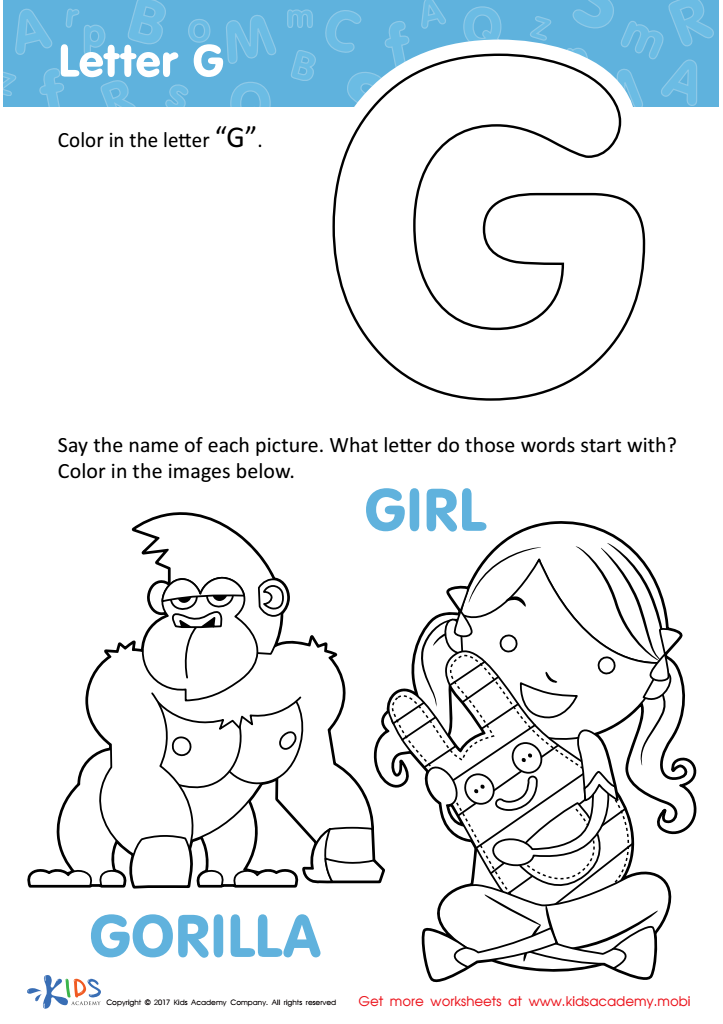
Letter G Coloring Sheet
Assign to My Students
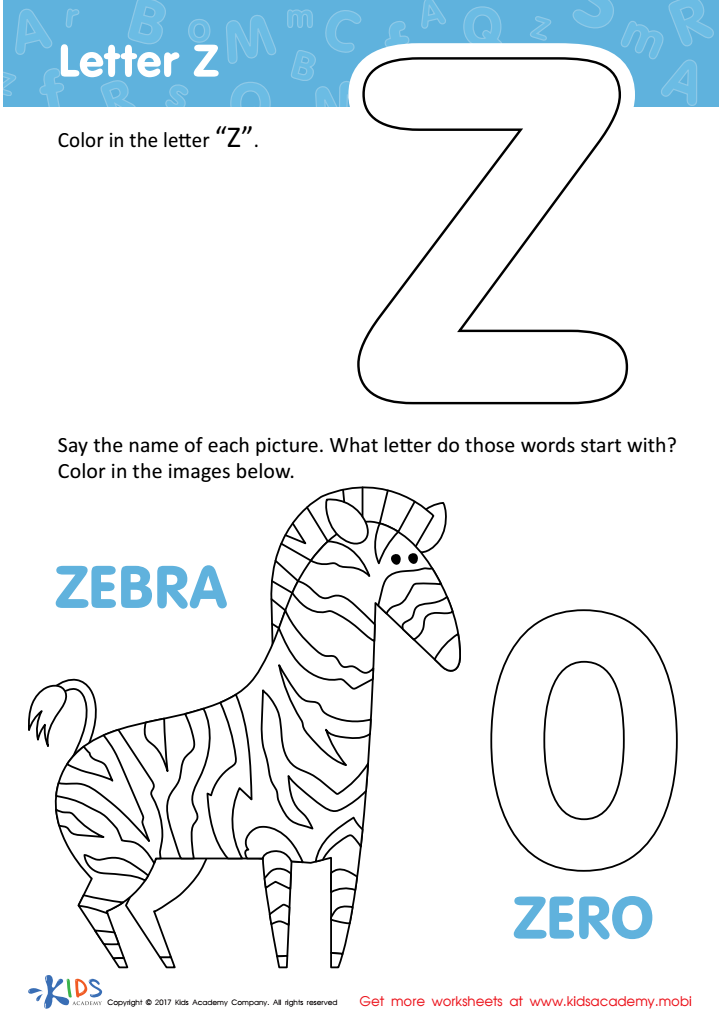
Letter Z Coloring Sheet
Assign to My Students
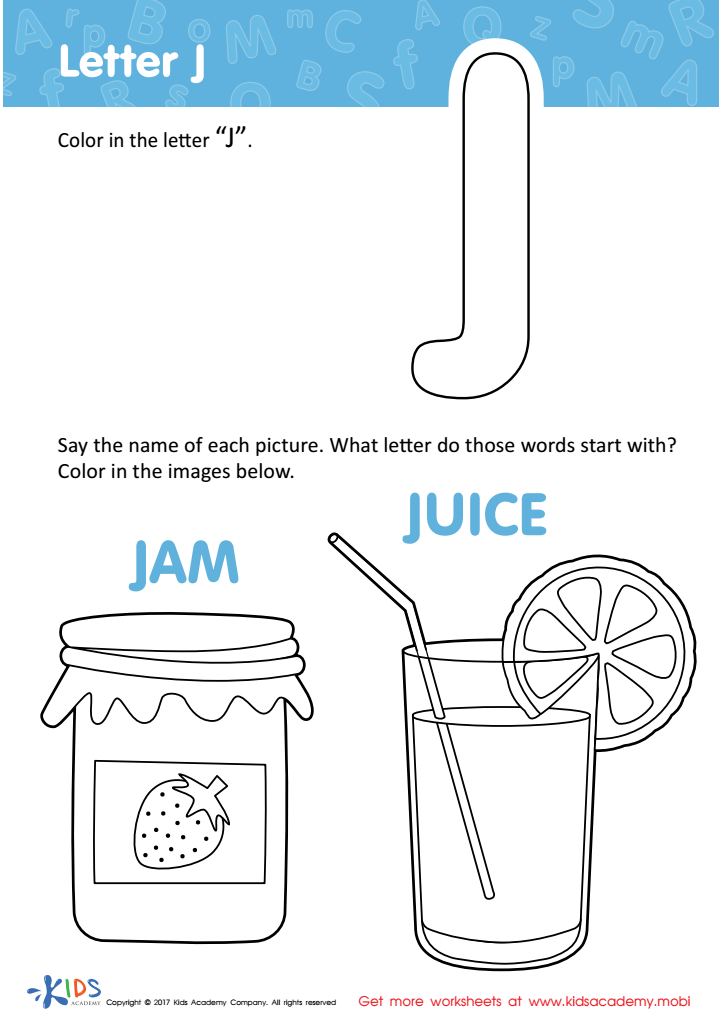
Letter J Coloring Sheet
Assign to My Students
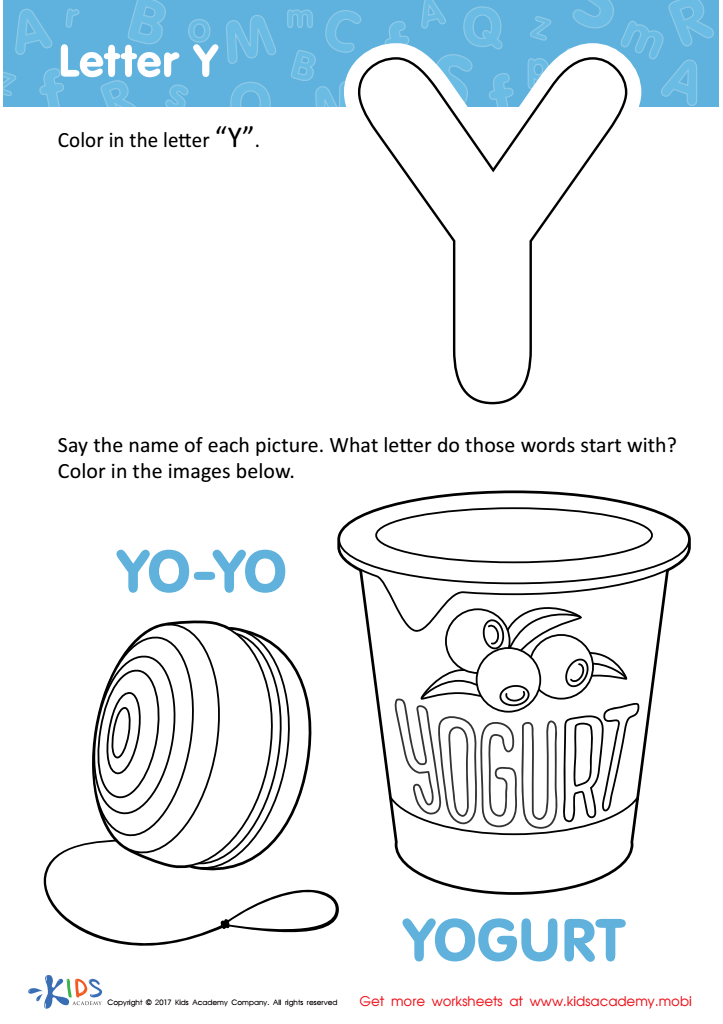
Letter Y Coloring Sheet
Assign to My Students
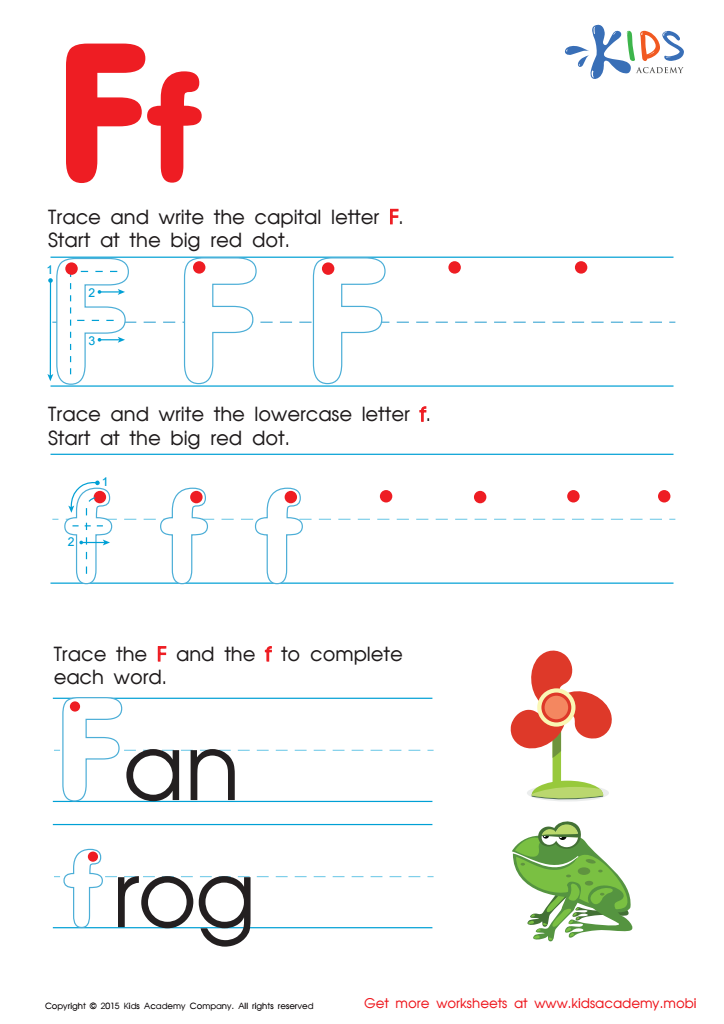
Letter F Tracing Page
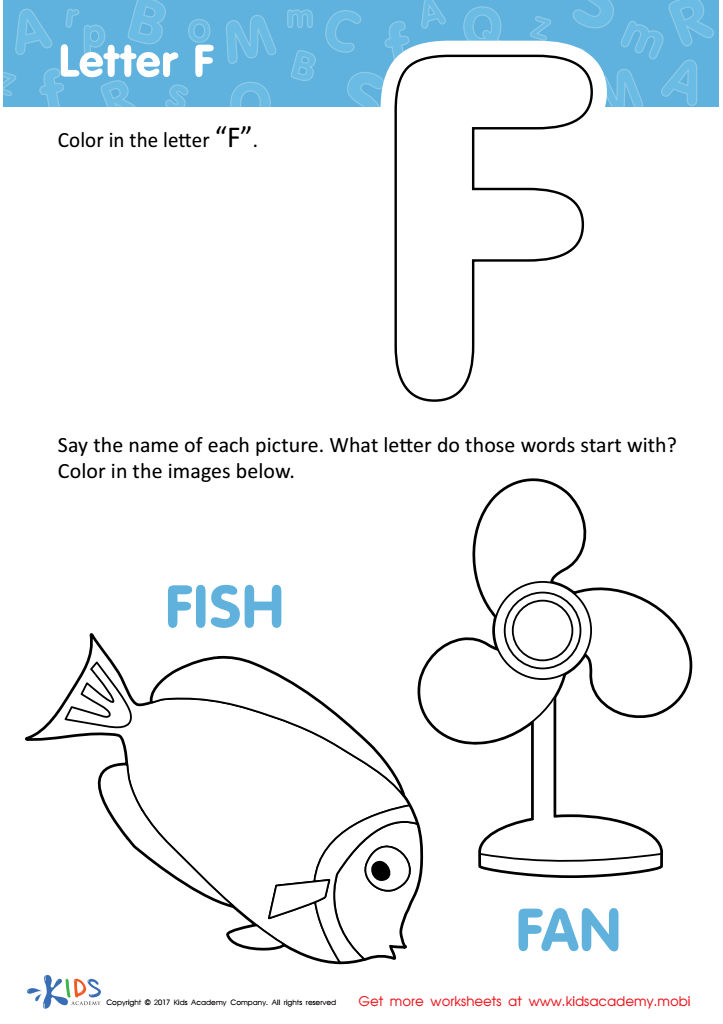
Letter F Coloring Sheet
Assign to My Students
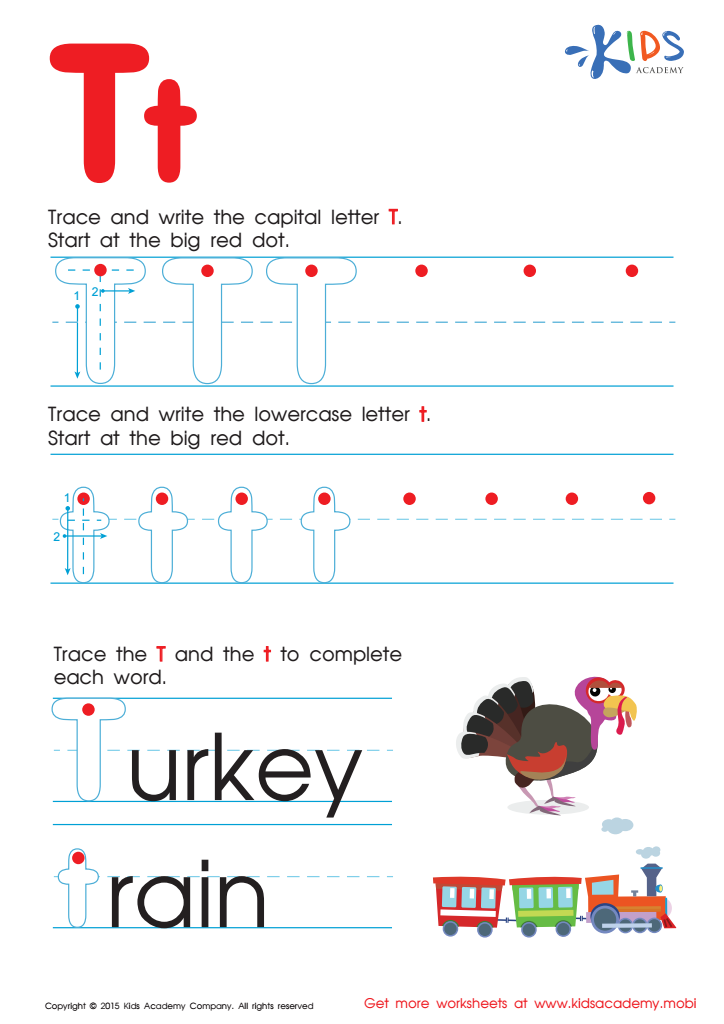
Letter T Tracing Page
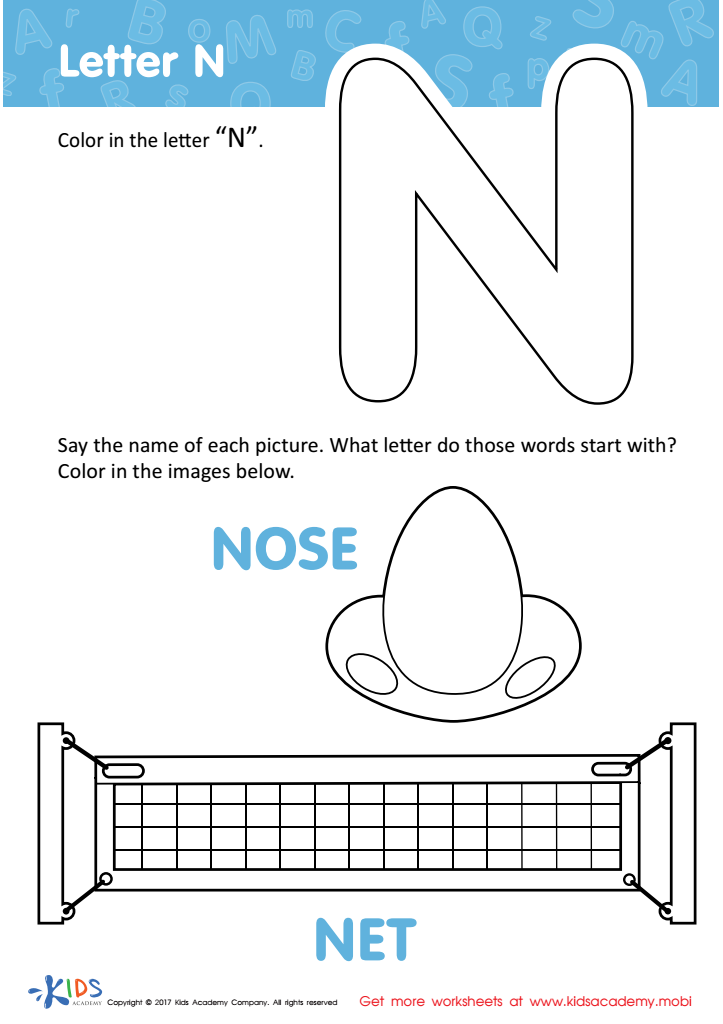
Letter N Coloring Sheet
Assign to My Students

Letter D Tracing Page




Fine motor skills are crucial for Grade 3 students as they form the foundation for a child’s academic and everyday abilities. At this age, children are refining their coordination and dexterity, which are essential for writing letters and numbers clearly. Mastery of fine motor skills can significantly influence a child’s confidence in their writing and other tasks that require precision, such as drawing or manipulating small objects.
Parents and teachers should care about fine motor skills because they are interconnected with cognitive development. Strong fine motor skills enhance a child’s ability to learn and process information, laying the groundwork for future academic success. When children struggle with writing, it can lead to frustration, disengagement, and lower self-esteem.
Additionally, mastering fine motor skills fosters independence, enabling children to manage everyday tasks like buttoning clothes or tying shoelaces. Encouraging activities like drawing, cutting, and using tools can strengthen these skills, enriching a child’s learning experience. Overall, prioritizing fine motor development not only supports academic growth but also promotes essential life skills that will benefit children throughout their education and beyond. This is why parents and teachers should actively engage in promoting fine motor activities for their students.