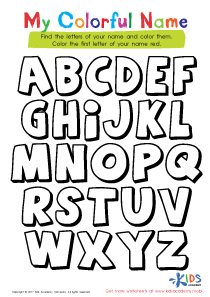
Hand-eye Coordination Grade 3 ABC Letters Worksheets
7 filtered results
-
From - To
Boost your third grader's hand-eye coordination with our engaging ABC Letter Worksheets! These expertly designed printables combine fun activities with essential learning skills to enhance motor abilities and letter recognition. Your child will enjoy tracing, drawing, and writing exercises that improve coordination between visual input and hand movement. Perfect for developing critical motor skills, these worksheets are aligned with educational standards, ensuring a smooth transition to more complex tasks. Ideal for both classrooms and home learning, nourish your child's growth with our interactive, education-focused worksheets. Watch as they confidently master their ABCs while refining their hand-eye coordination!
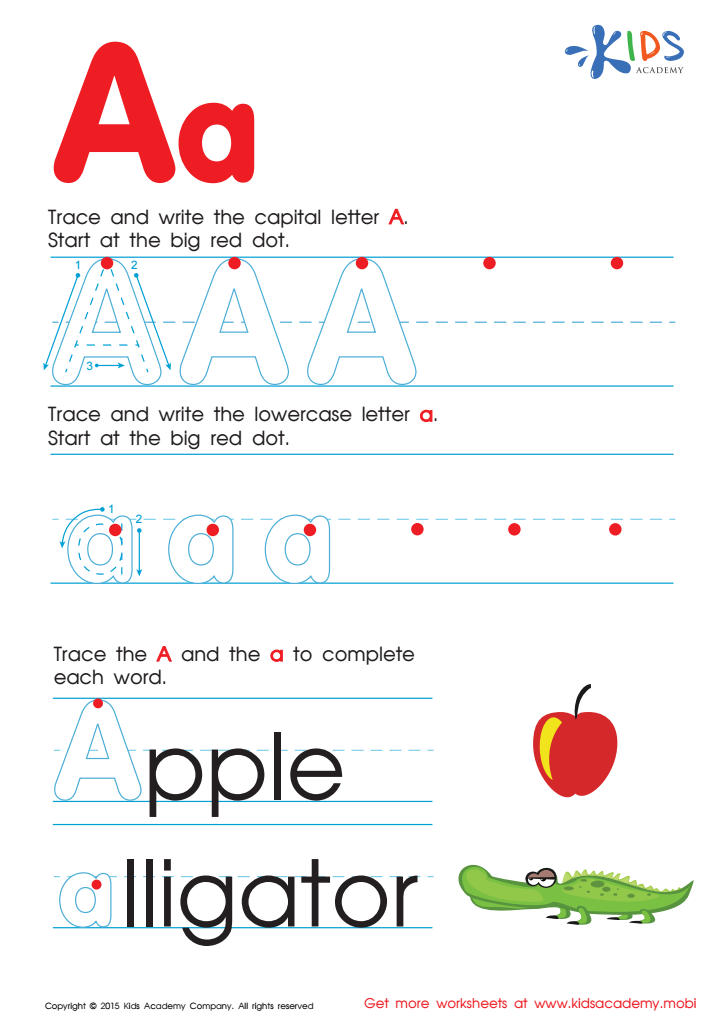
Letter A Tracing Page
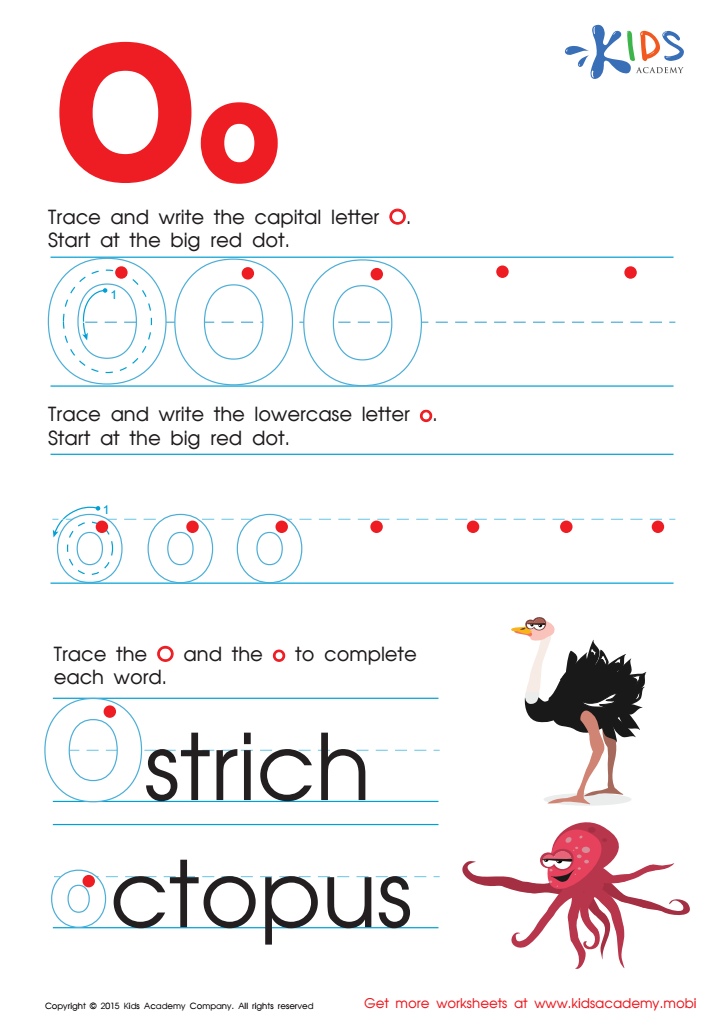
Letter O Tracing Page

Letter P Tracing Page
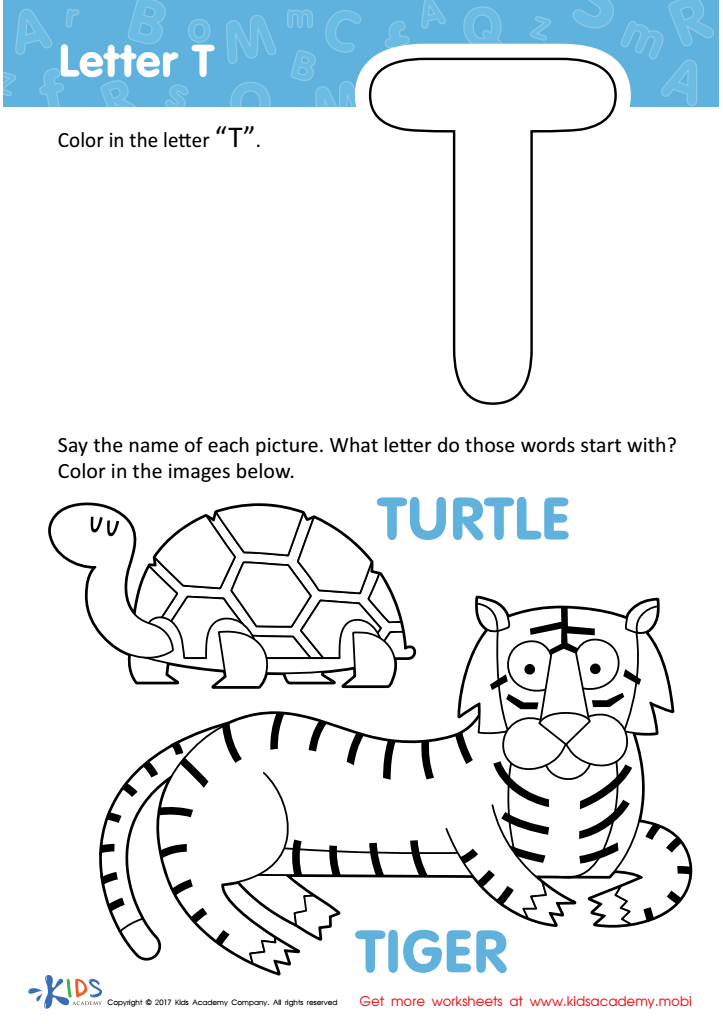
Letter T Coloring Sheet
 Assign to My Students

Letter H Tracing Page
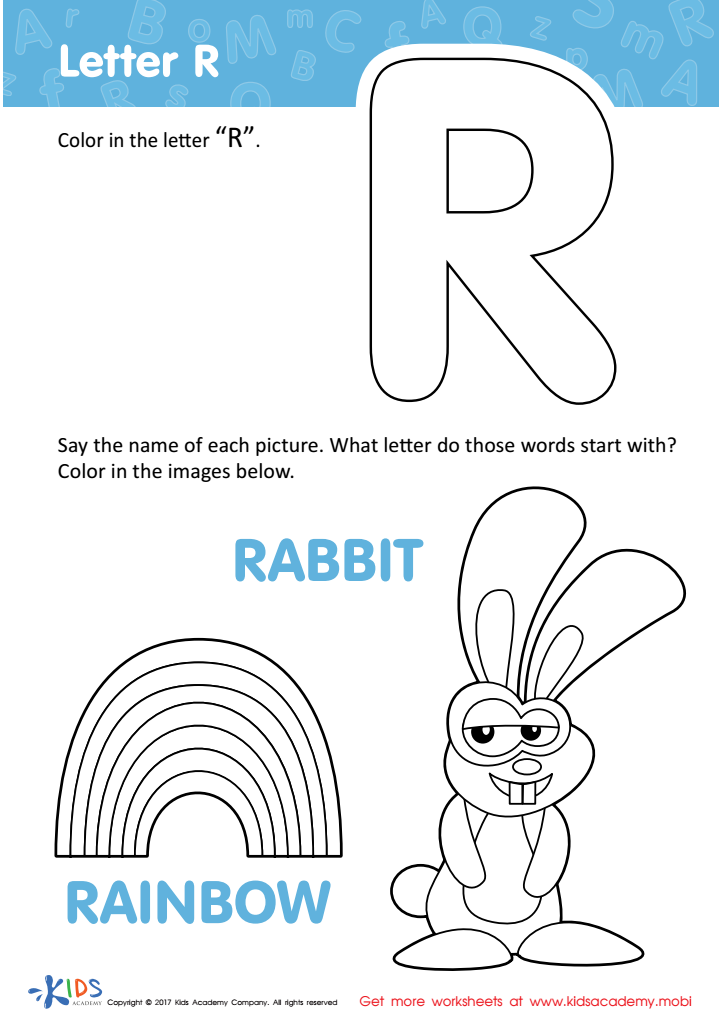
Letter R Coloring Sheet
Assign to My Students

Letter D Tracing Page




Parents and teachers should prioritize hand-eye coordination in Grade 3 ABC letter activities because it is crucial for a child's academic and motor skill development. Hand-eye coordination refers to the ability to synchronize visual input with hand movements. In grade 3, children transition from basic printing to more complex writing and other academic tasks. Strong hand-eye coordination facilitates neat and legible handwriting, which can enhance a child’s ability to communicate ideas on paper effectively. This can ultimately reduce frustration and boost their confidence.
Furthermore, activities involving ABC letters often demand precision, such as drawing within lines or copying words accurately, which reinforces neural connections between the brain and hand movements. These skills are not solely beneficial for writing but also essential for other subjects and activities, including drawing, playing musical instruments, and manipulating educational tools.
Developing robust hand-eye coordination supports daily tasks like buttoning clothes, tying shoelaces, and handling utensils, promoting independence. Neglecting this aspect may lead to difficulties not only academically but in practical life skills. Hence, integrating activities aimed at enhancing hand-eye coordination in educational curriculums can foster comprehensive cognitive and motor development in children, preparing them for future challenges inside and outside the classroom.