Alphabet Recognition Grade 3 Alphabet Coloring Pages Worksheets
16 filtered results
-
From - To
Discover our engaging Alphabet Recognition Grade 3 coloring pages and worksheets, designed to enhance students’ understanding of letters and sounds in a fun, interactive way. Perfect for third graders, these printable resources combine creativity and learning, helping children recognize uppercase and lowercase letters through vibrant illustrations. Each worksheet encourages kids to color, trace, and identify letters while improving their fine motor skills. These activities not only reinforce phonemic awareness but also make learning enjoyable. Perfect for classroom or at-home use, our Alphabet Coloring Pages support an effective literacy foundation. Explore our collection and inspire young learners today!
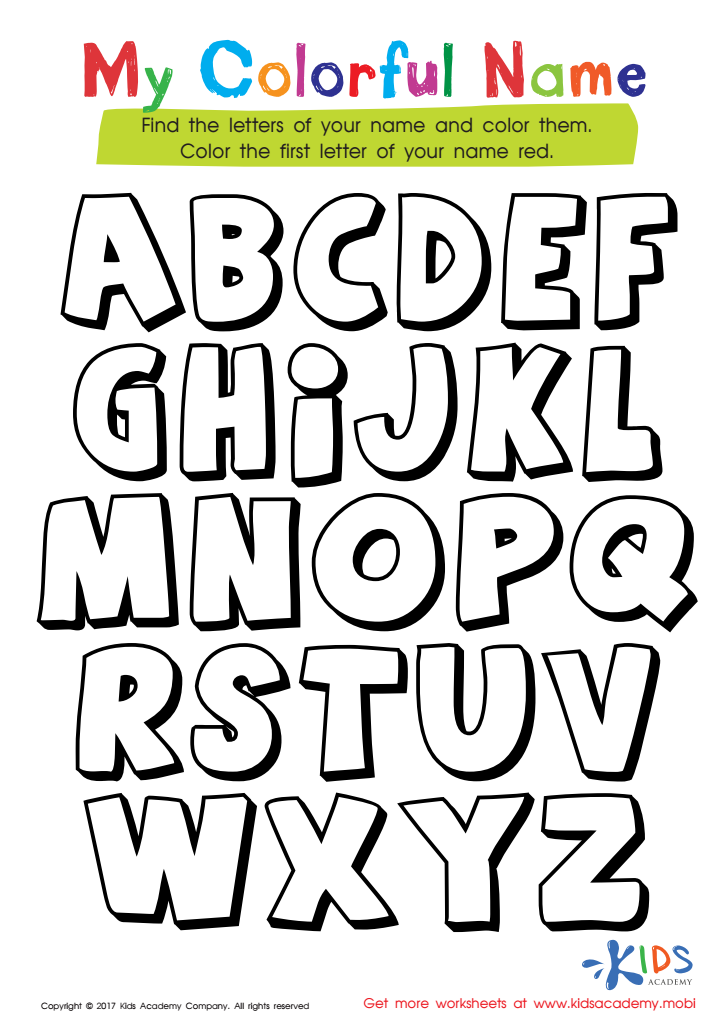
My Colorful Name Worksheet
 Assign to My Students
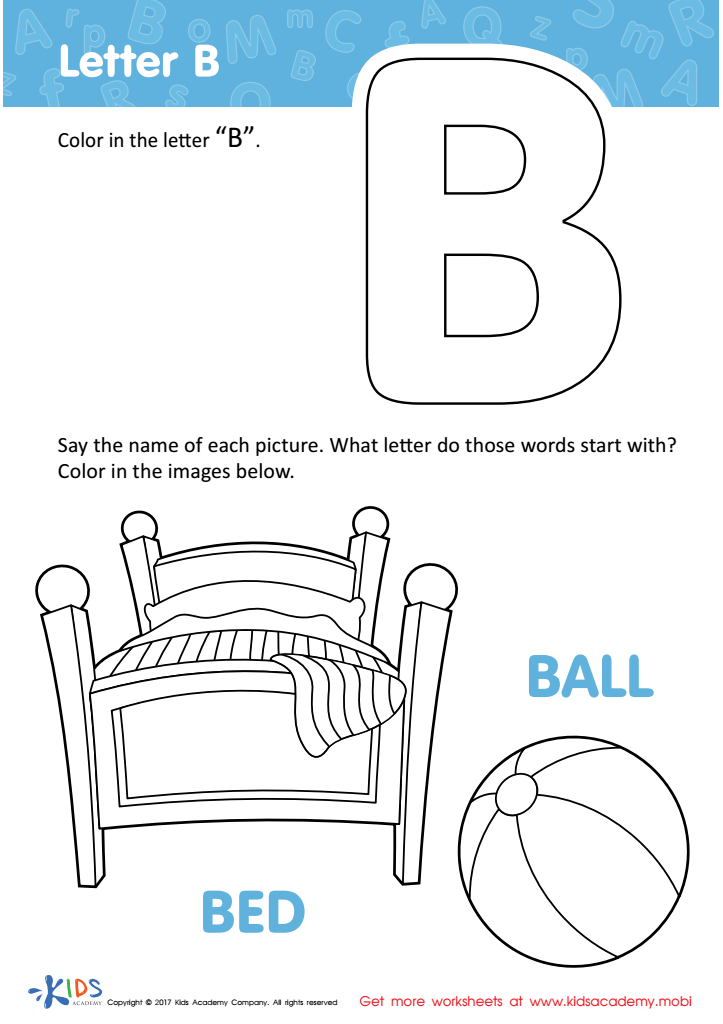
Letter B Coloring Sheet
Assign to My Students
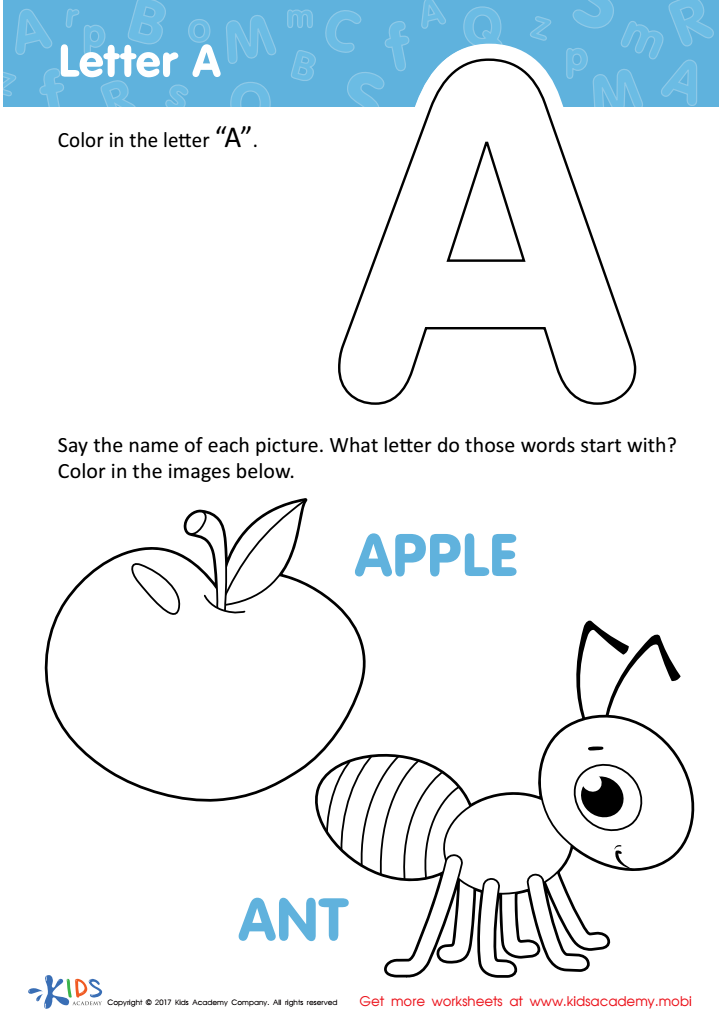
Letter A Coloring Sheet
Assign to My Students
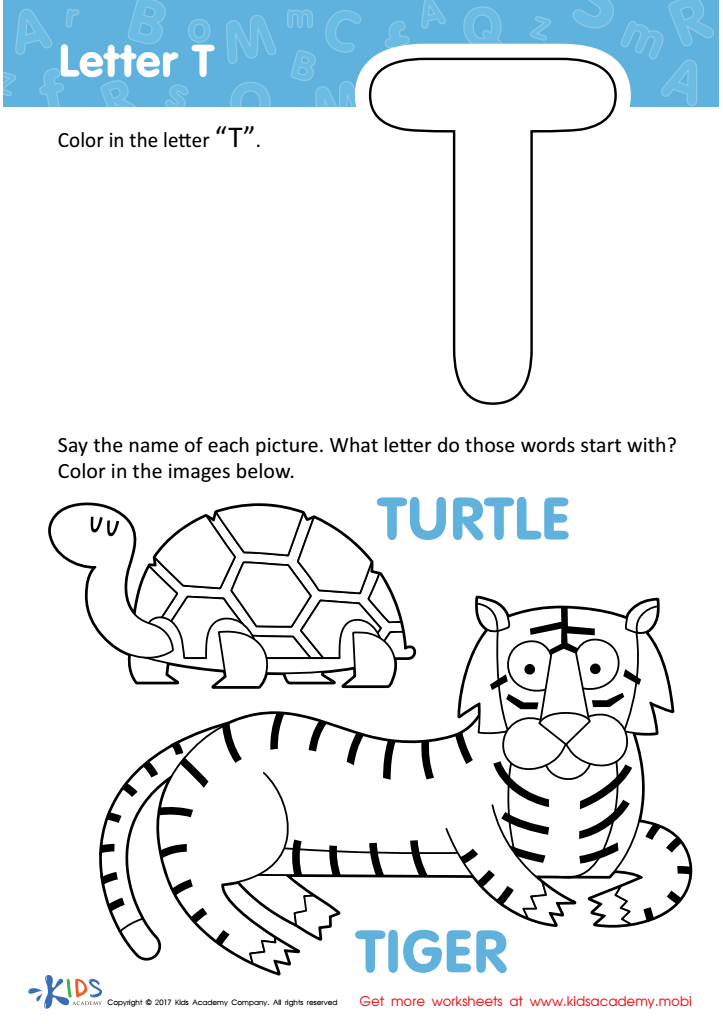
Letter T Coloring Sheet
Assign to My Students
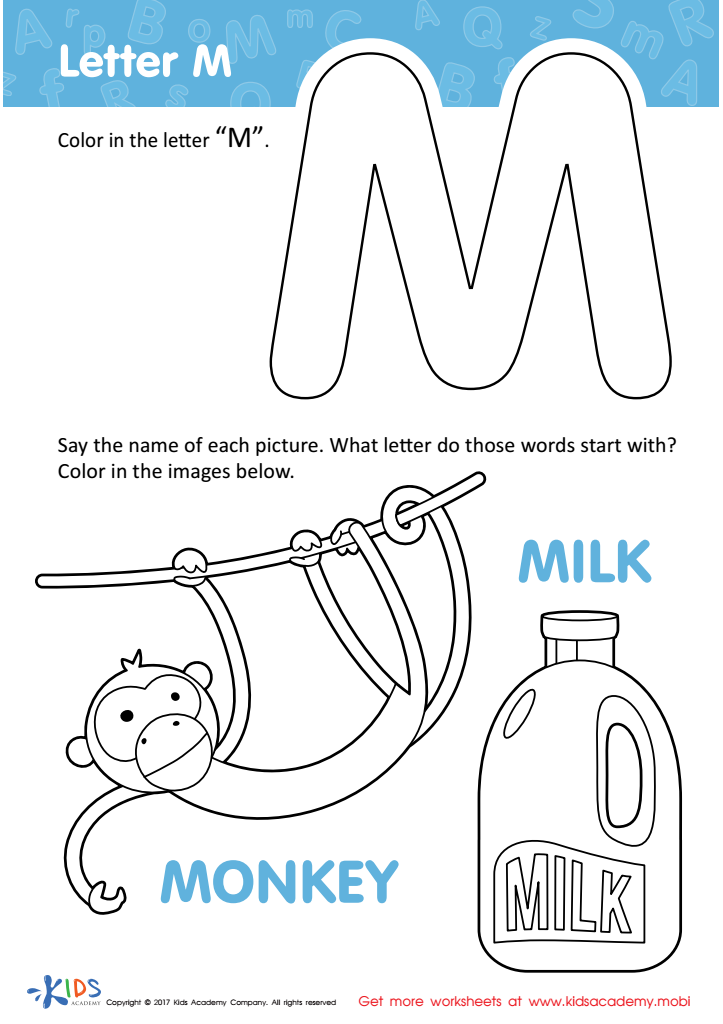
Letter M Coloring Sheet
Assign to My Students
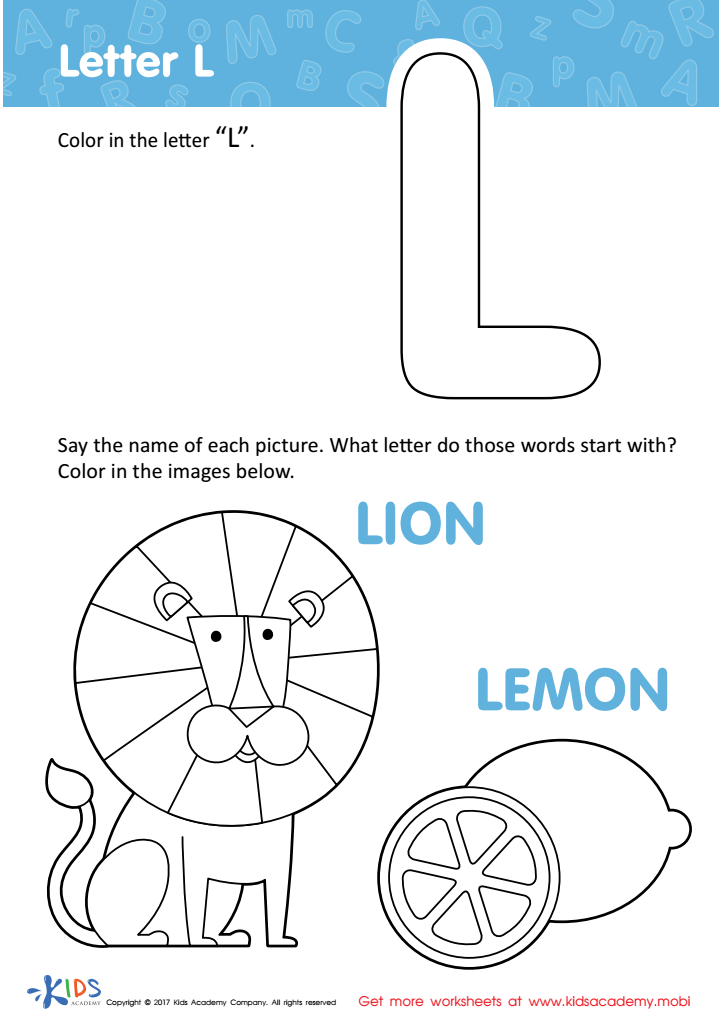
Letter L Coloring Sheet
Assign to My Students
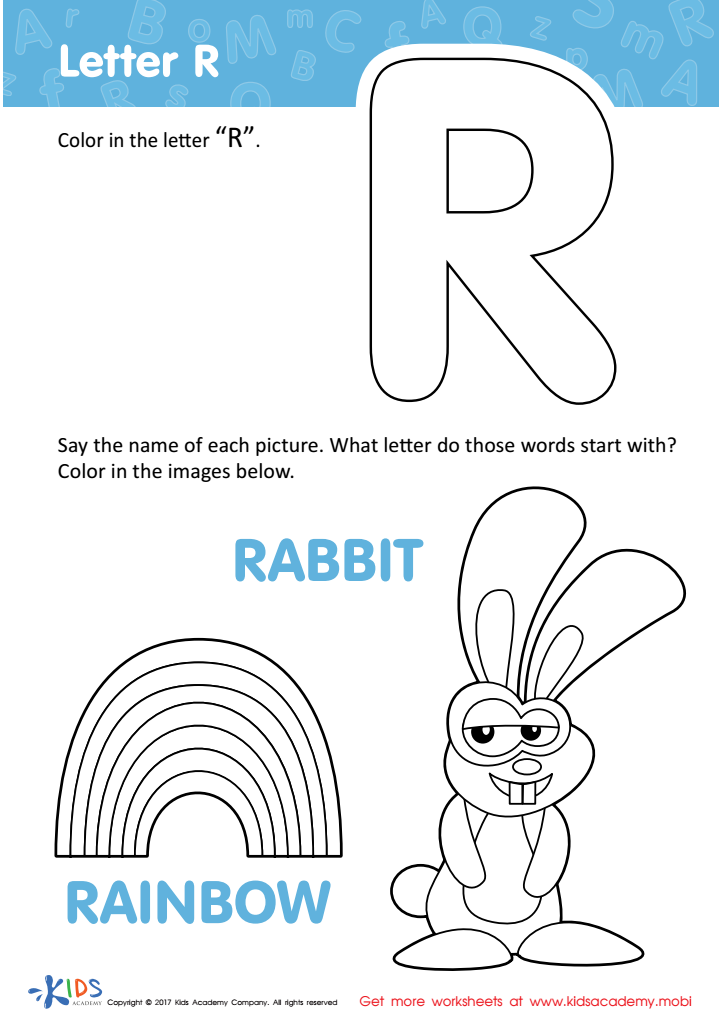
Letter R Coloring Sheet
Assign to My Students
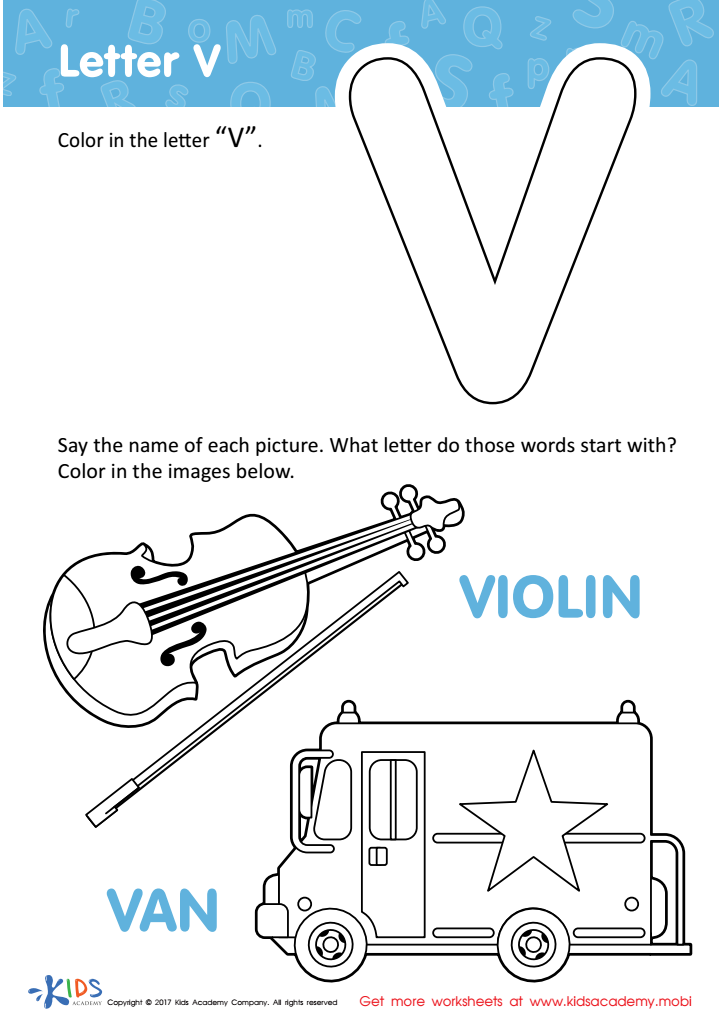
Letter V Coloring Sheet
Assign to My Students
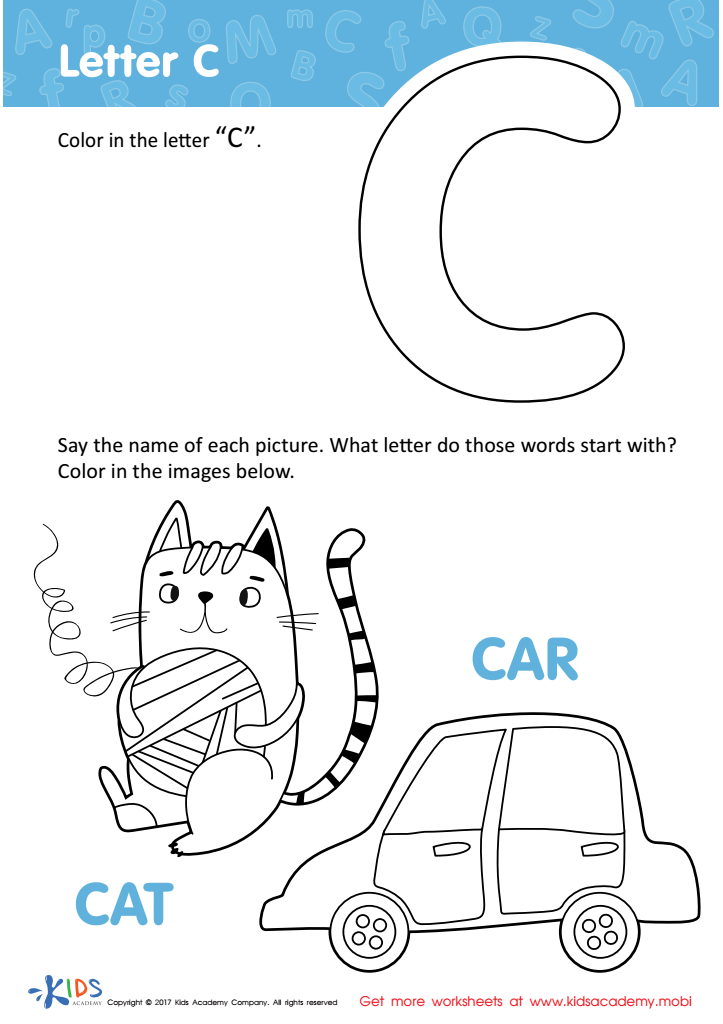
Letter C Coloring Sheet
Assign to My Students
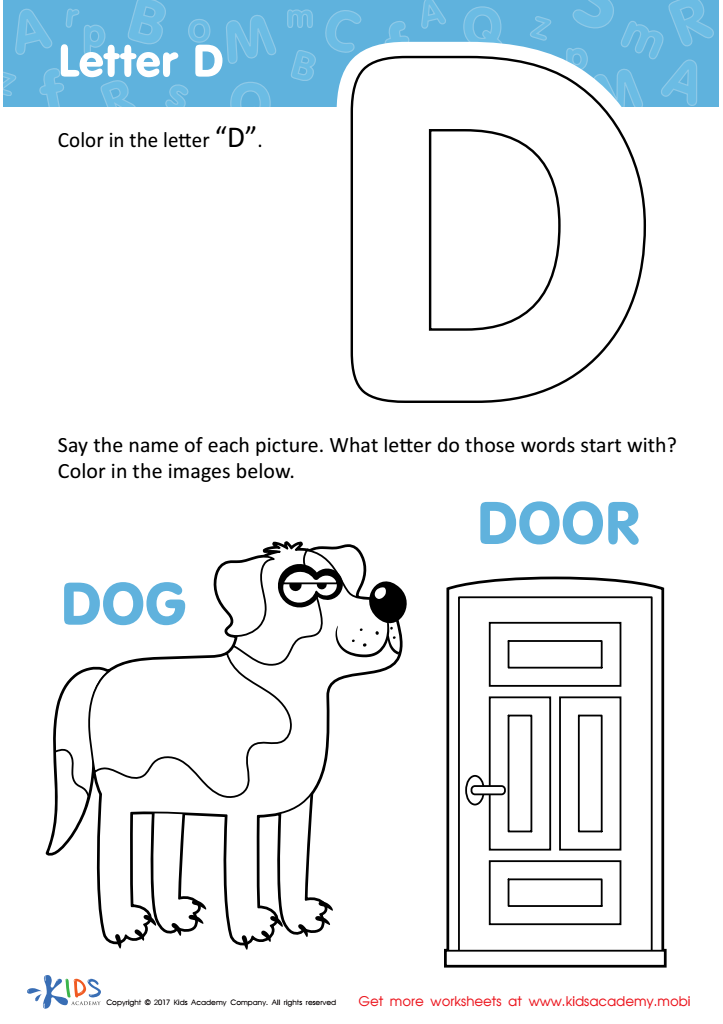
Letter D Coloring Sheet
Assign to My Students
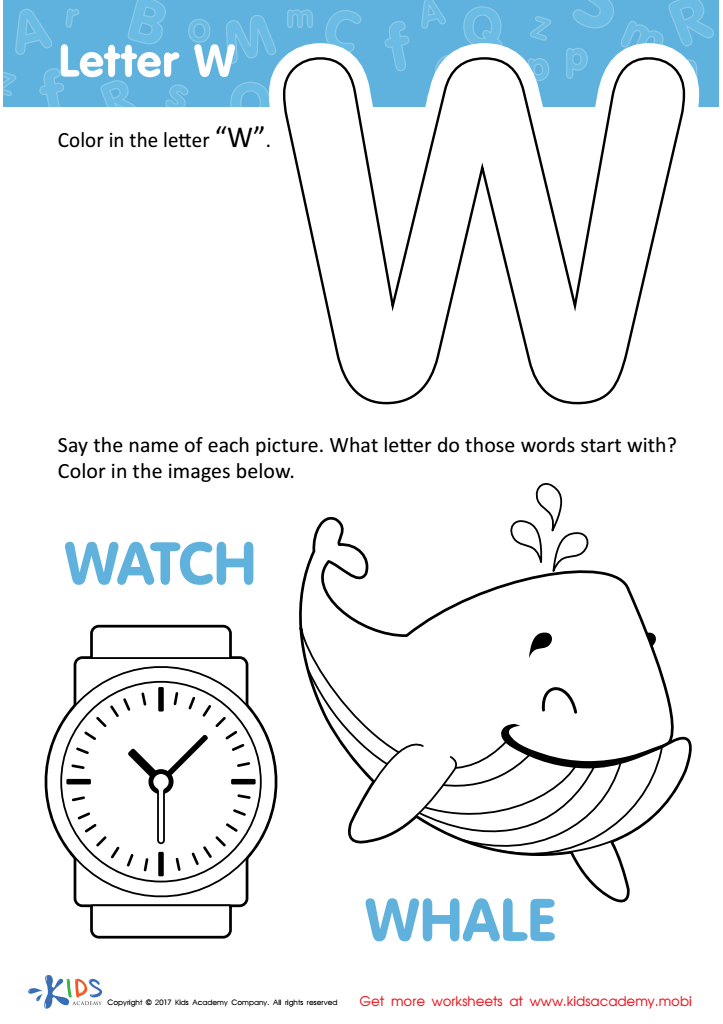
Letter W Coloring Sheet
Assign to My Students
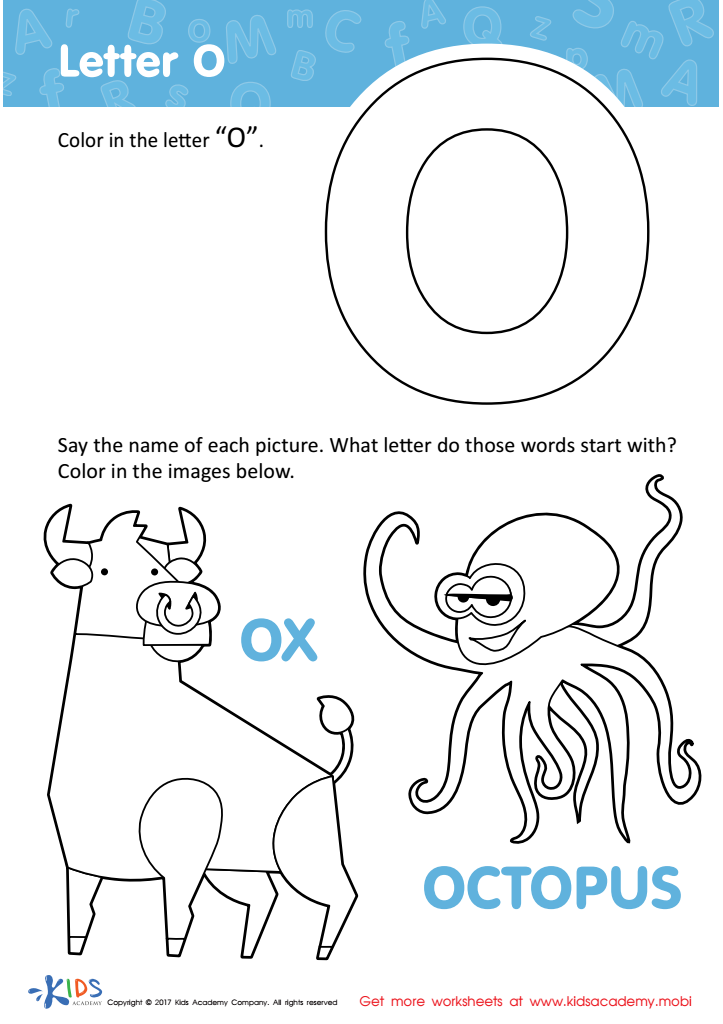
Letter O Coloring Sheet
Assign to My Students
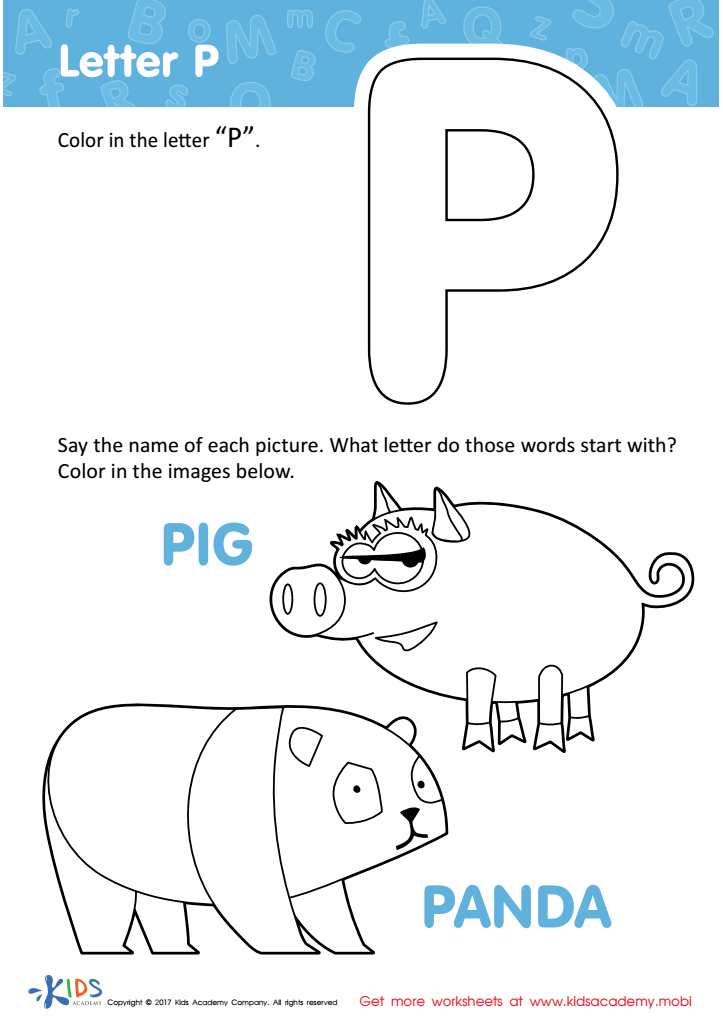
Letter P Coloring Sheet
Assign to My Students
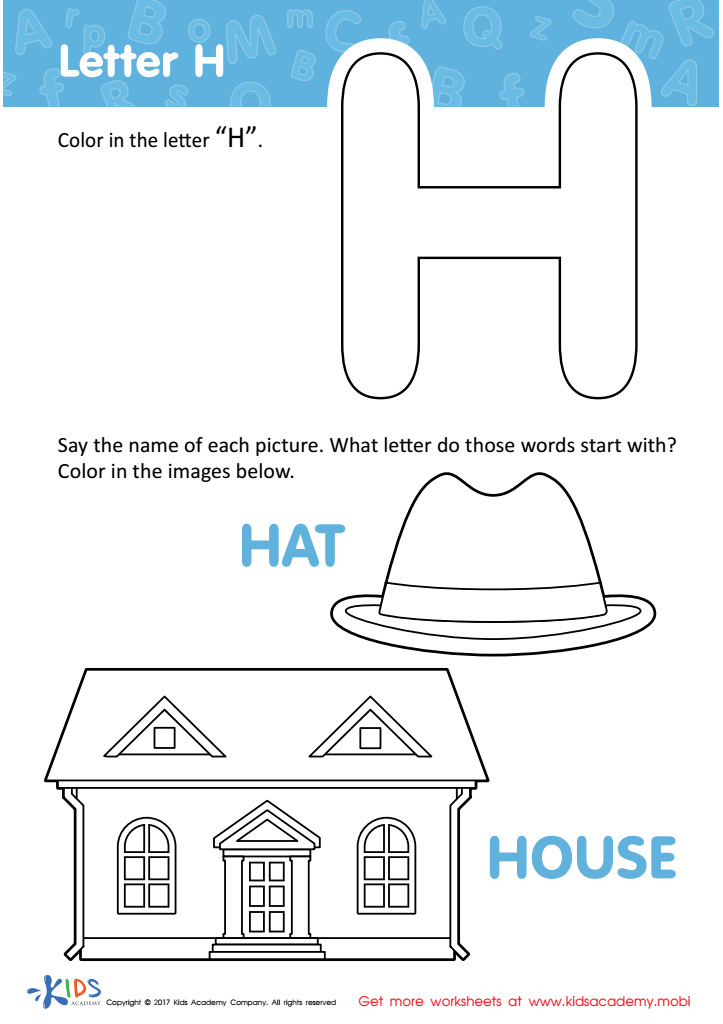
Letter H Coloring Sheet
Assign to My Students
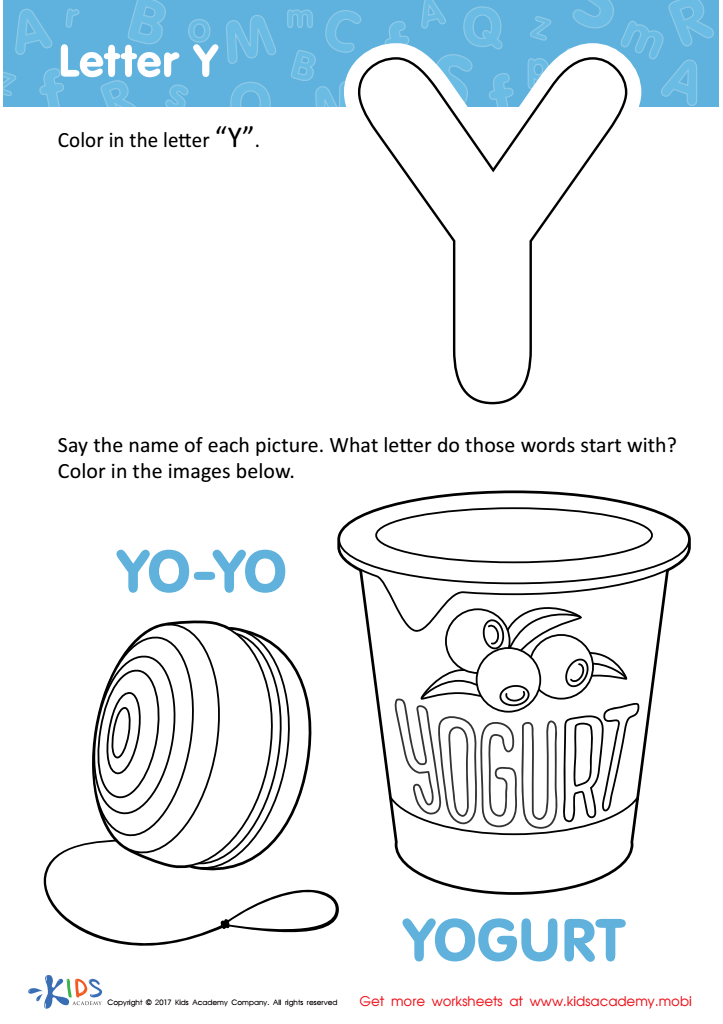
Letter Y Coloring Sheet
Assign to My Students
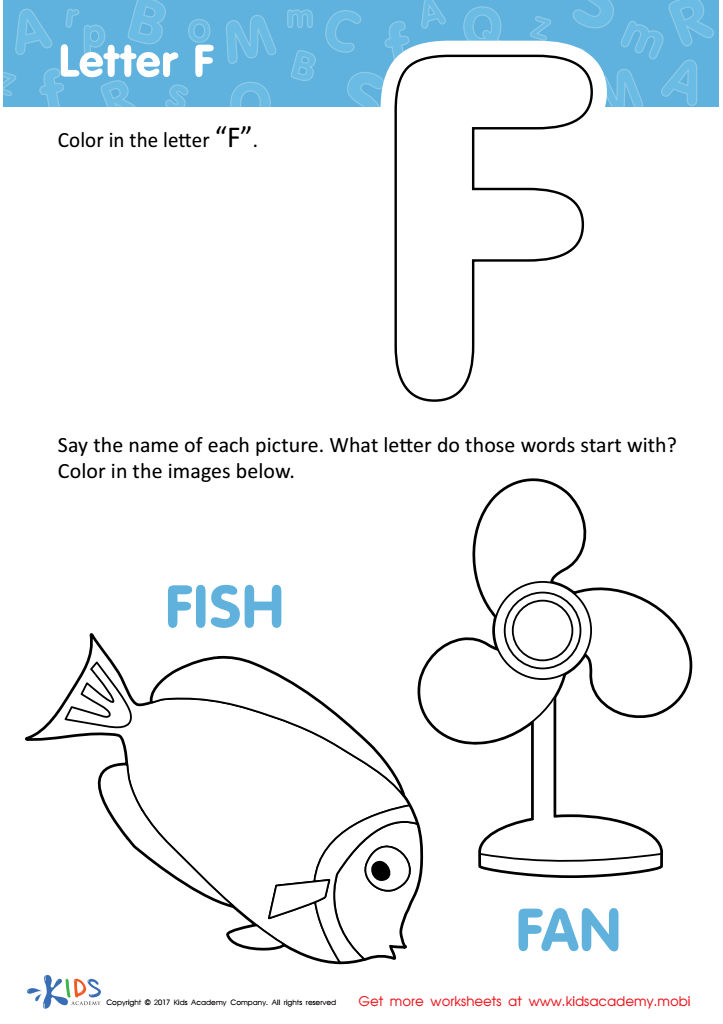
Letter F Coloring Sheet
Assign to My Students



Alphabet recognition is a foundational skill critical for young learners, especially by Grade 3, when they transition from learning to read to reading for understanding. Engaging activities such as alphabet coloring pages can significantly enhance this learning process.
First, alphabet coloring pages integrate creativity with learning, making the experience enjoyable and memorable. This creativity can motivate students to engage more deeply with letters, fostering a love for reading and writing. When students differentiate letters through coloring, they strengthen their recognition skills in a fun context.
Additionally, these activities promote fine motor skills, essential for writing. As children hold coloring tools, they improve hand-eye coordination and develop the dexterity needed for fine motor tasks.
Moreover, alphabet coloring pages often introduce words and sound associations, helping learners connect each letter with its corresponding phonetic sounds and associated vocabulary. This association enhances their overall language acquisition and literacy skills.
For parents and teachers, advocating for these engaging, multifaceted opportunities equips children with the necessary literacy skills to excel in future academic challenges. Ultimately, investing in tools like alphabet coloring pages cultivates a supportive and enriching environment for literacy development.