Letter recognition Grade 3 Alphabet Worksheets - Page 2
40 filtered results
-
From - To
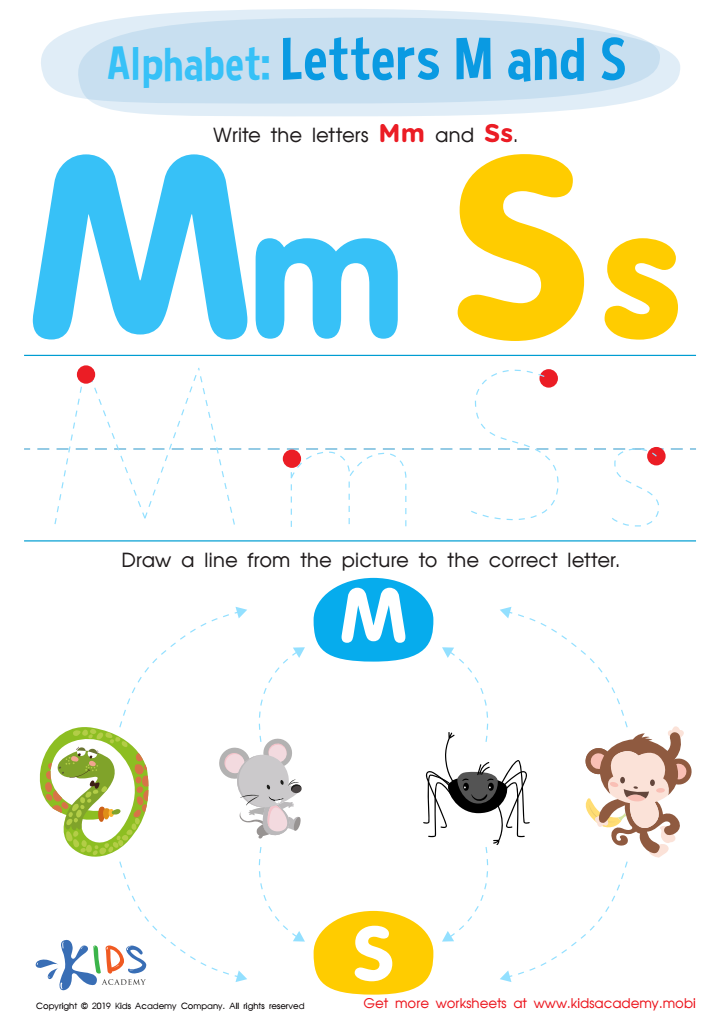
Letters M and S Tracing Worksheet
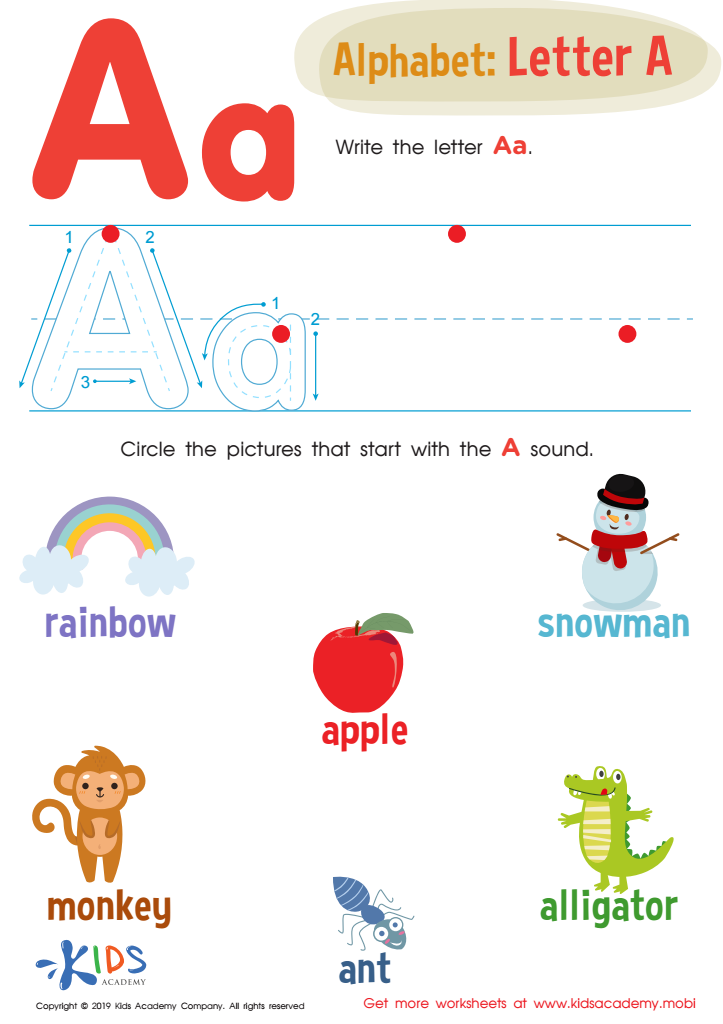
Letter A Tracing Worksheet
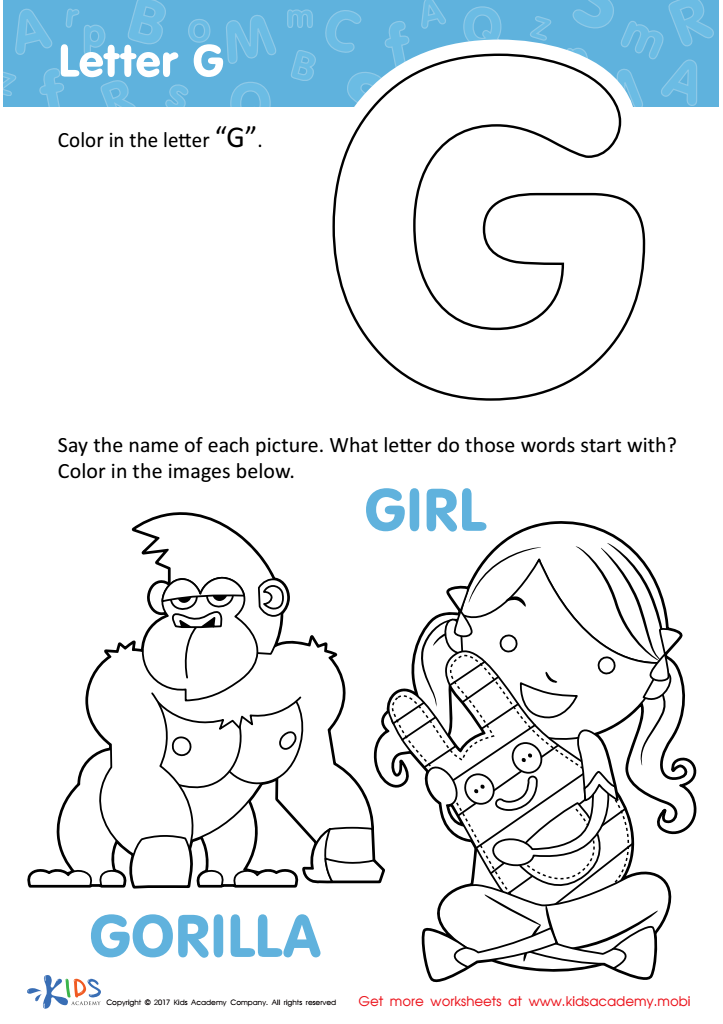
Letter G Coloring Sheet
 Assign to My Students
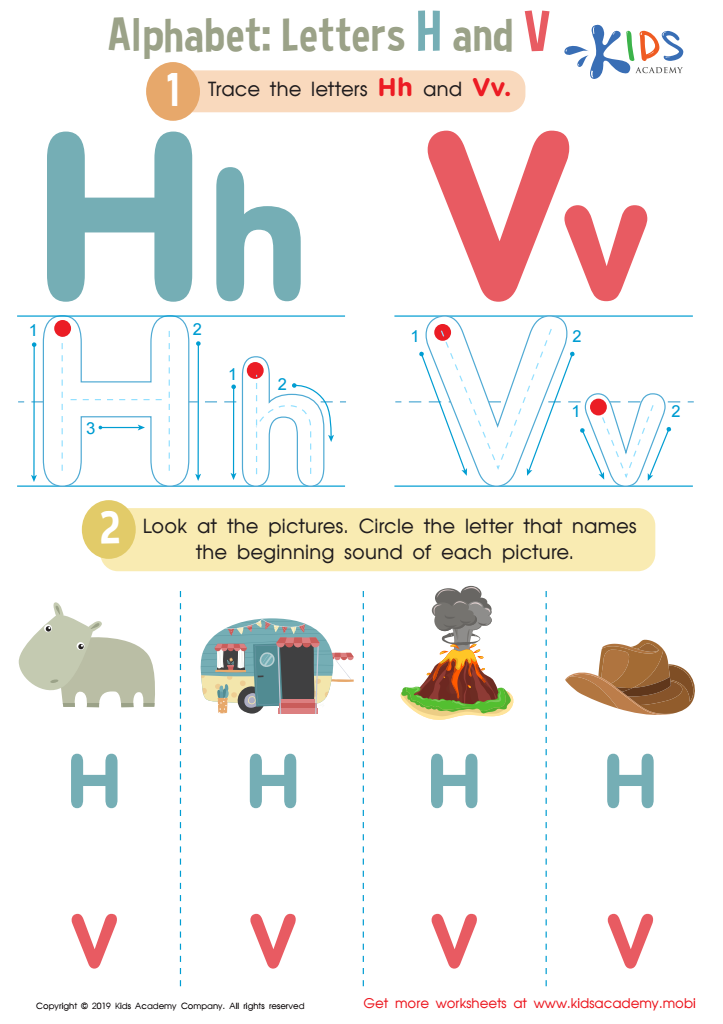
Letters H and V Tracing Worksheet
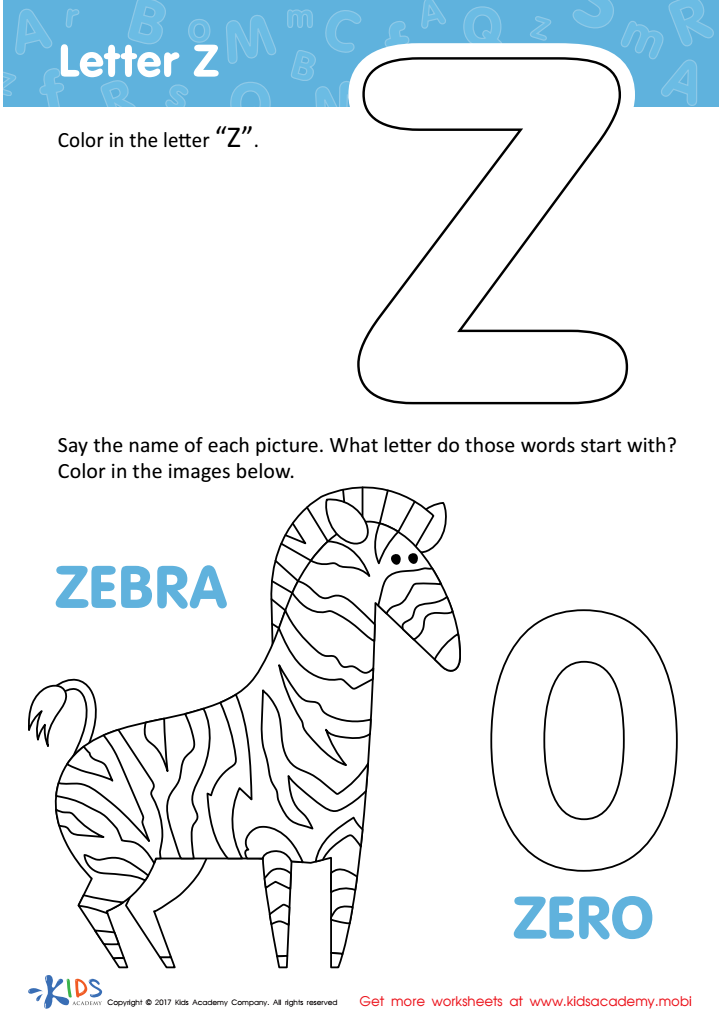
Letter Z Coloring Sheet
Assign to My Students
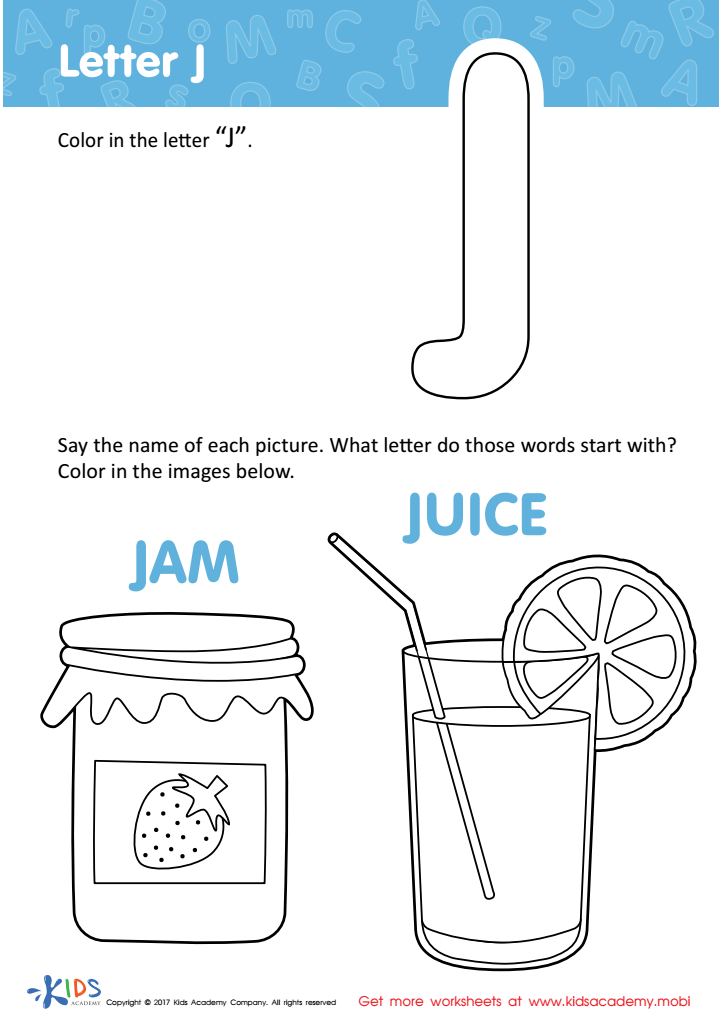
Letter J Coloring Sheet
Assign to My Students
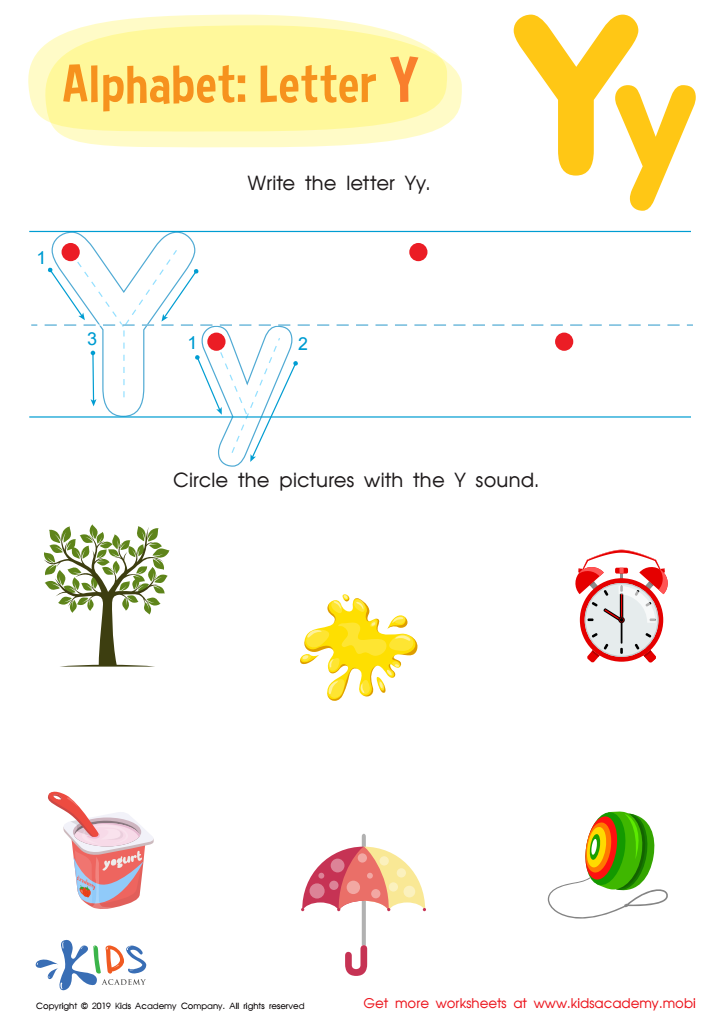
Letter Y Tracing Worksheet
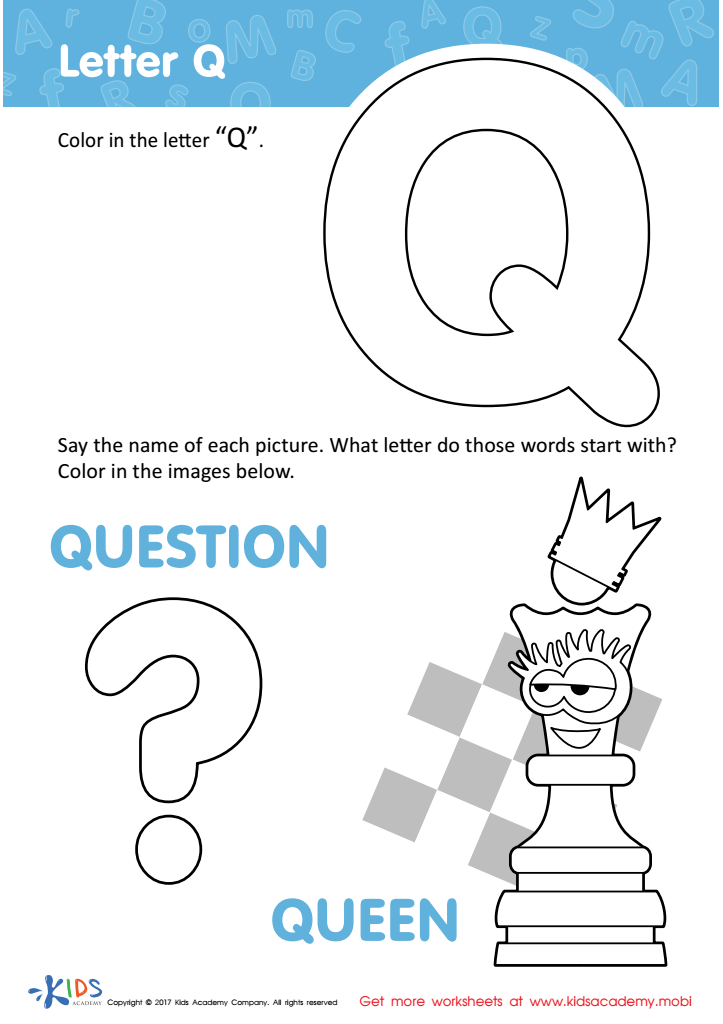
Letter Q Coloring Sheet
Assign to My Students
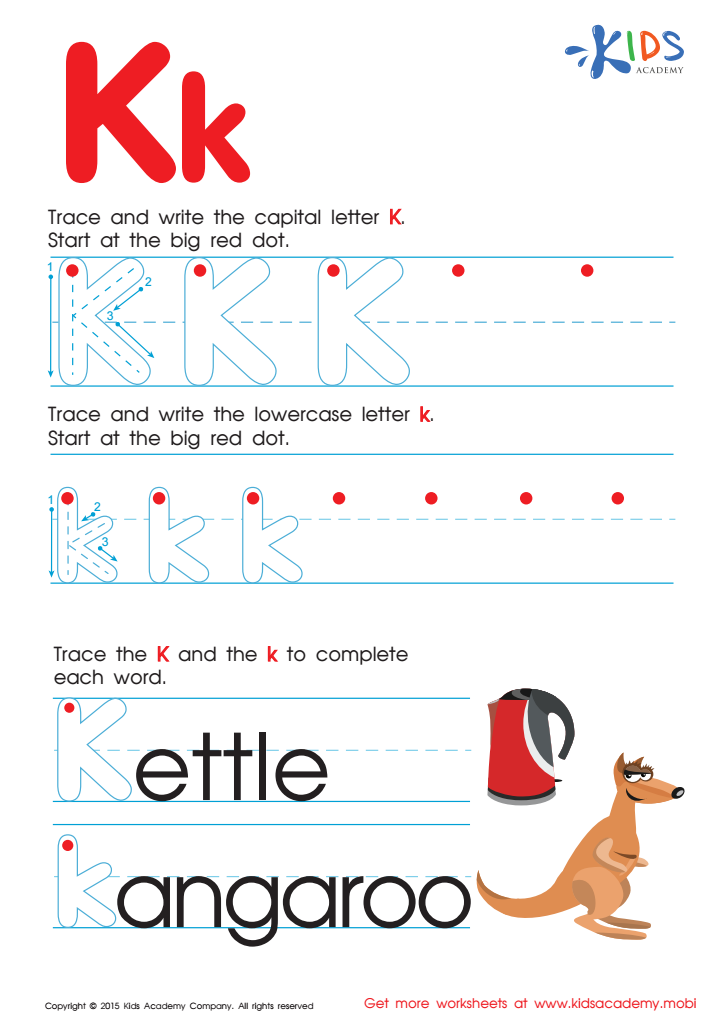
Letter K Tracing Page
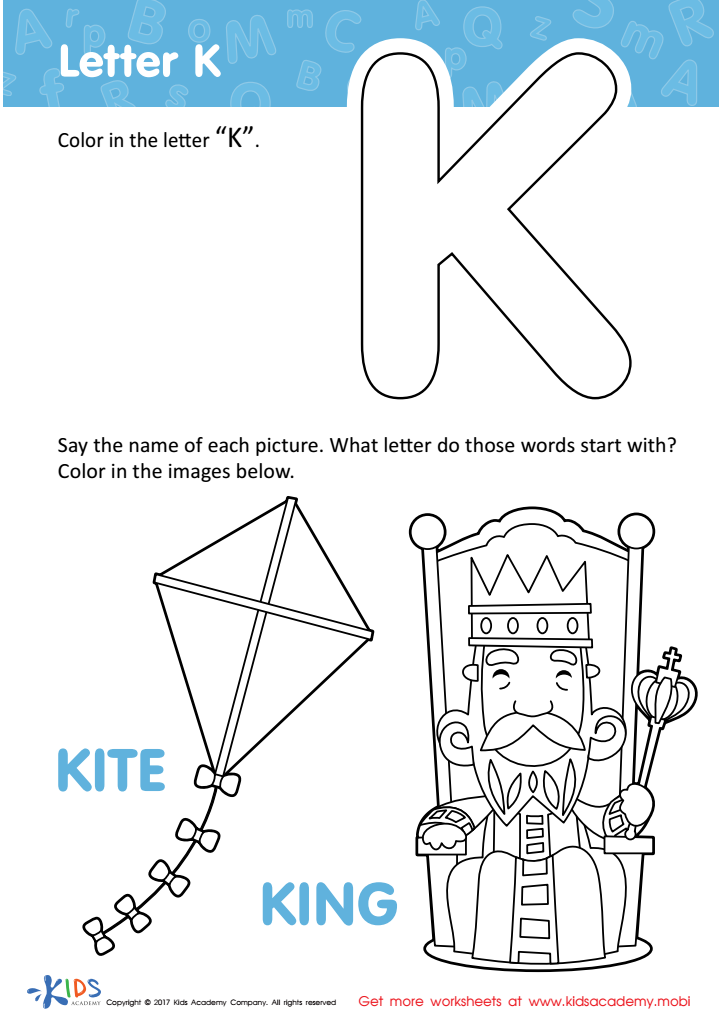
Letter K Coloring Sheet
Assign to My Students
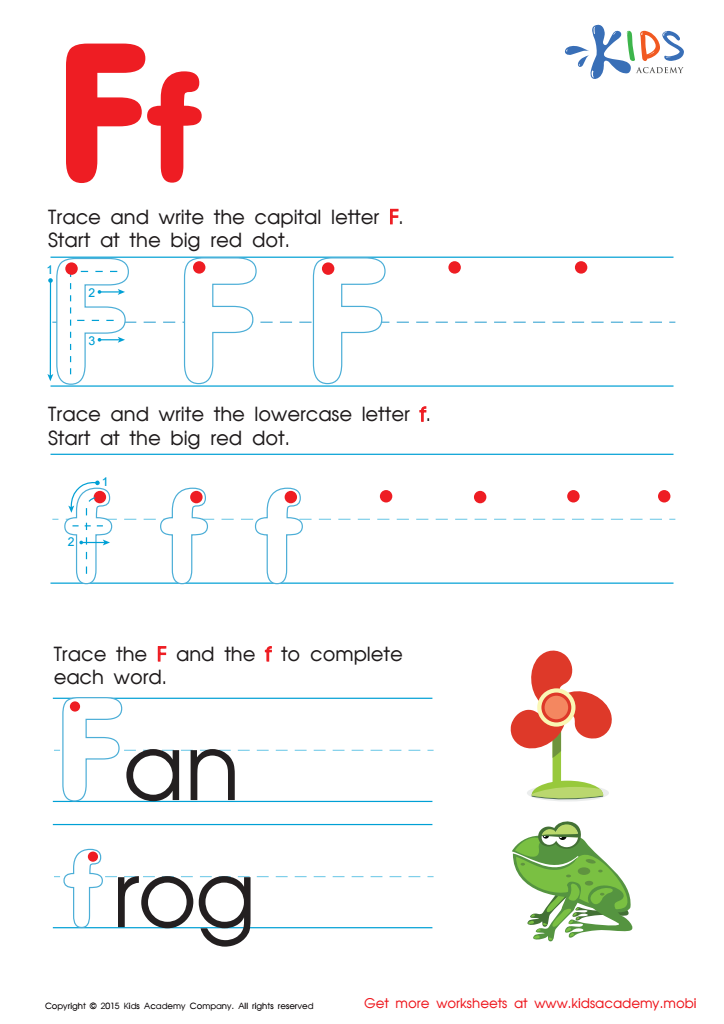
Letter F Tracing Page

Long and Short E Worksheet
Assign to My Students
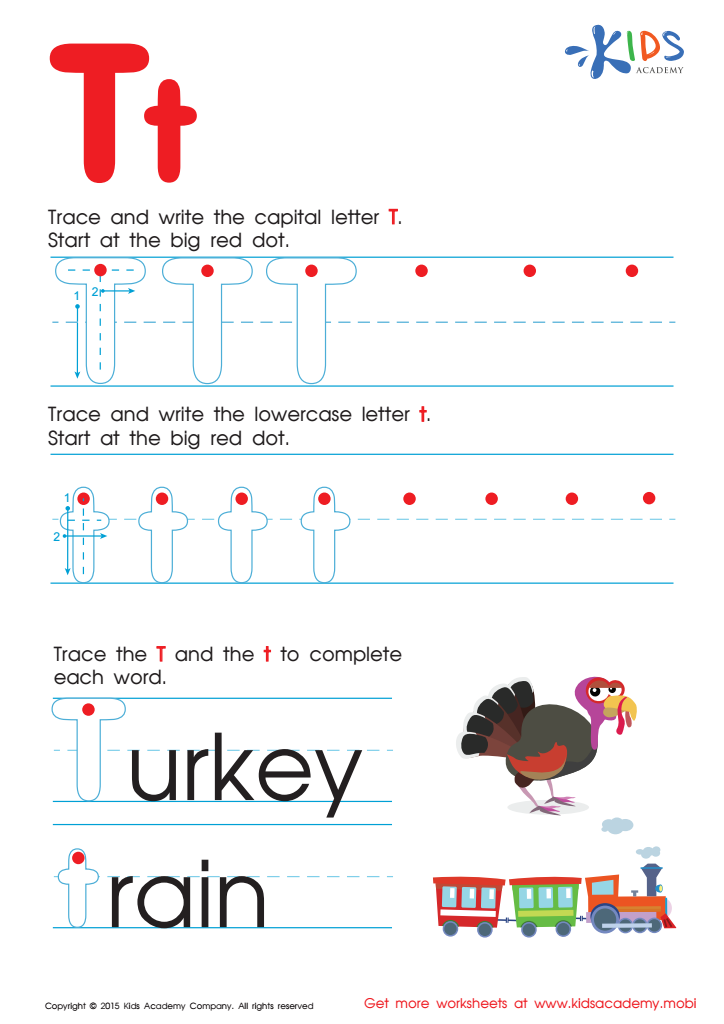
Letter T Tracing Page
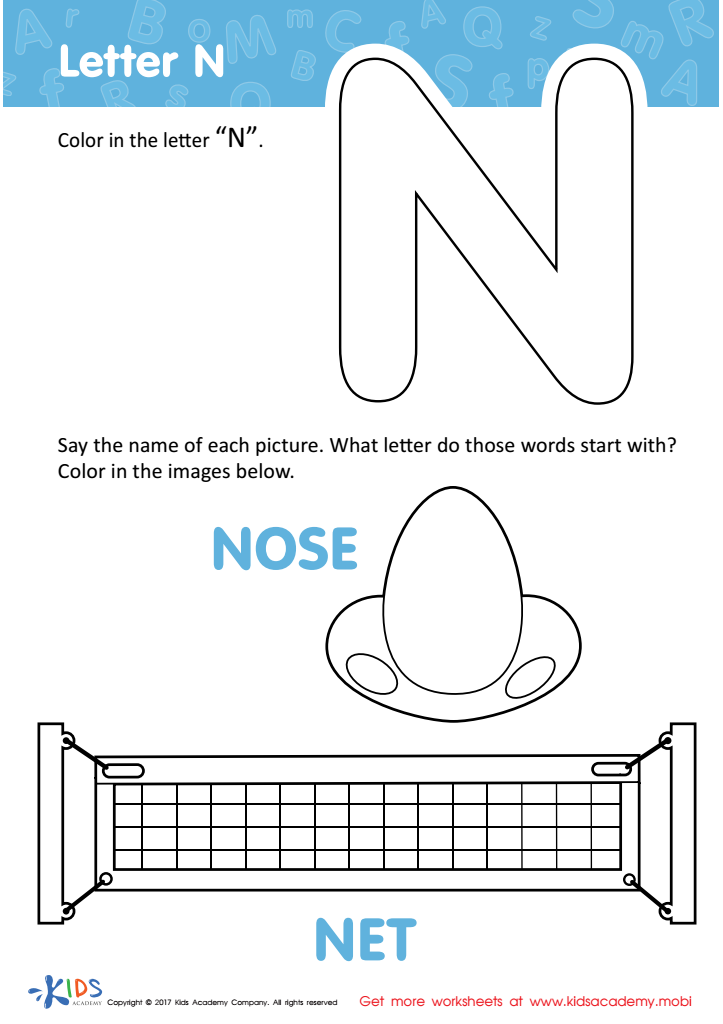
Letter N Coloring Sheet
Assign to My Students
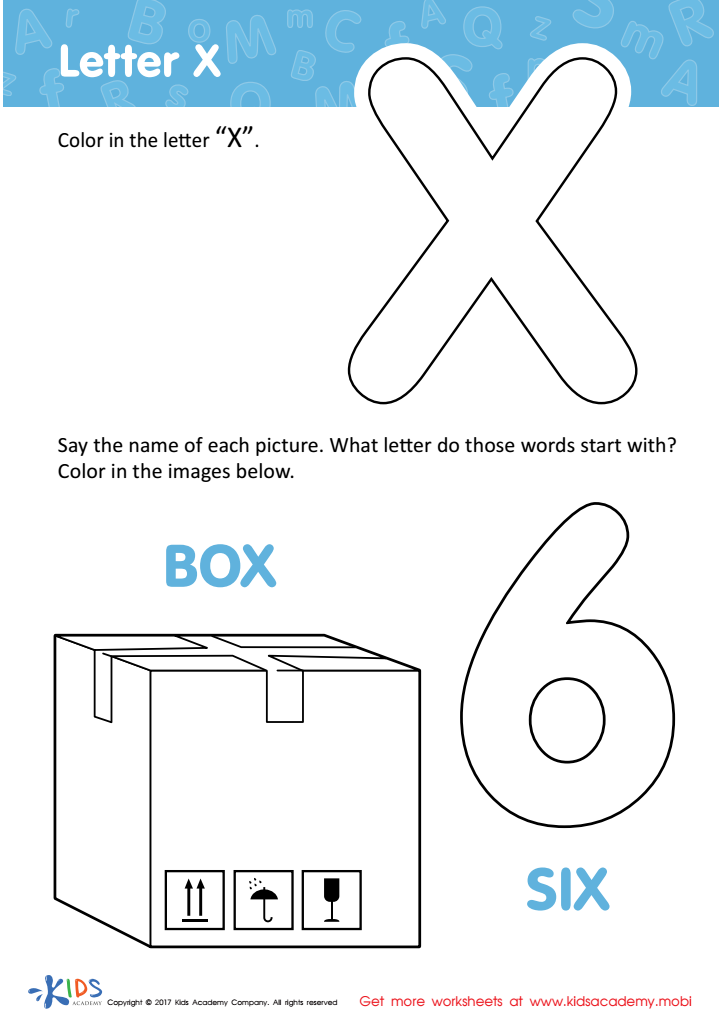
Letter X Coloring Sheet
Assign to My Students

Letter D Tracing Page








Letter recognition is foundational for literacy and a crucial skill that impacts a child's academic success. In Grade 3, children transition from learning to read to reading to learn. Mastery of the alphabet facilitates this transition by helping students decode words, build vocabulary, and enhance comprehension. If students struggle with recognizing letters, they are likely to face significant challenges in reading fluency and understanding, negatively affecting their overall academic performance.
Parents and teachers should be concerned about letter recognition because it is intertwined with a child's confidence and motivation to read. When children can confidently recognize letters and relate them to sounds, they are more inclined to engage with reading materials, fostering a love for books and learning. This early engagement lays the groundwork for critical skills needed not just in literacy but across all subjects.
Furthermore, letter recognition assists with spelling, writing, and communication skills, which are essential for expressing ideas effectively. Parents and caregivers can support this development at home through reading together, playing alphabet games, and encouraging writing activities. Teachers, on the other hand, can integrate letter recognition in their lessons and assessments to ensure students are on track and adequately supported. Overall, fostering letter recognition is integral for building proficient, confident readers.