Fine Motor Skills Grade 3 Letter Recognition Worksheets - Page 2
46 filtered results
-
From - To
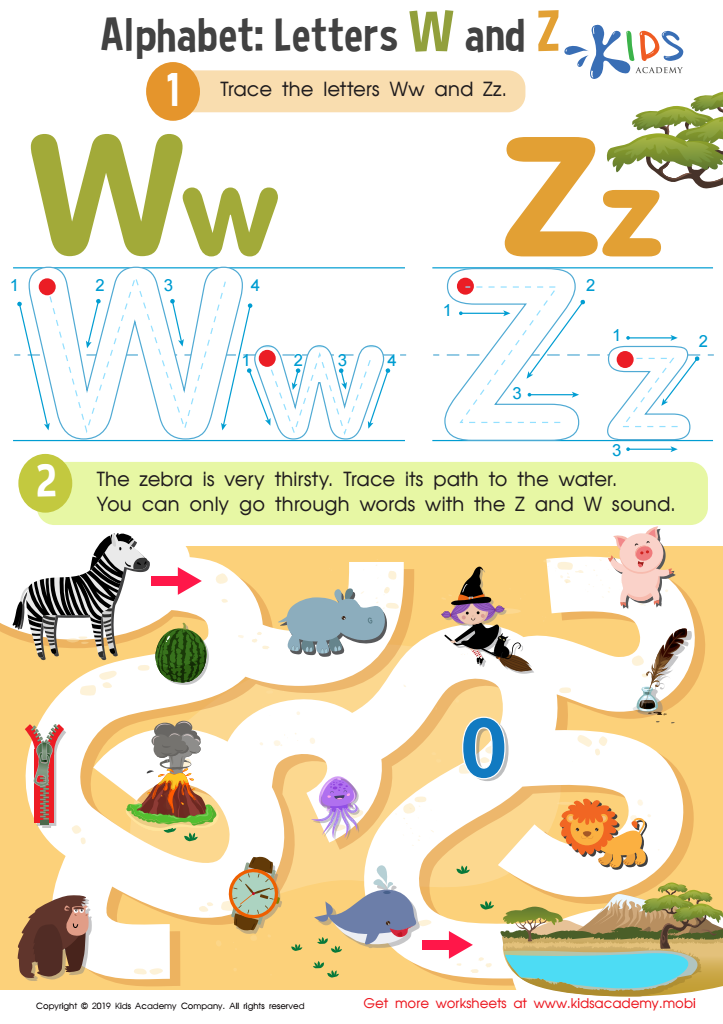
Letters W and Z Tracing Worksheet
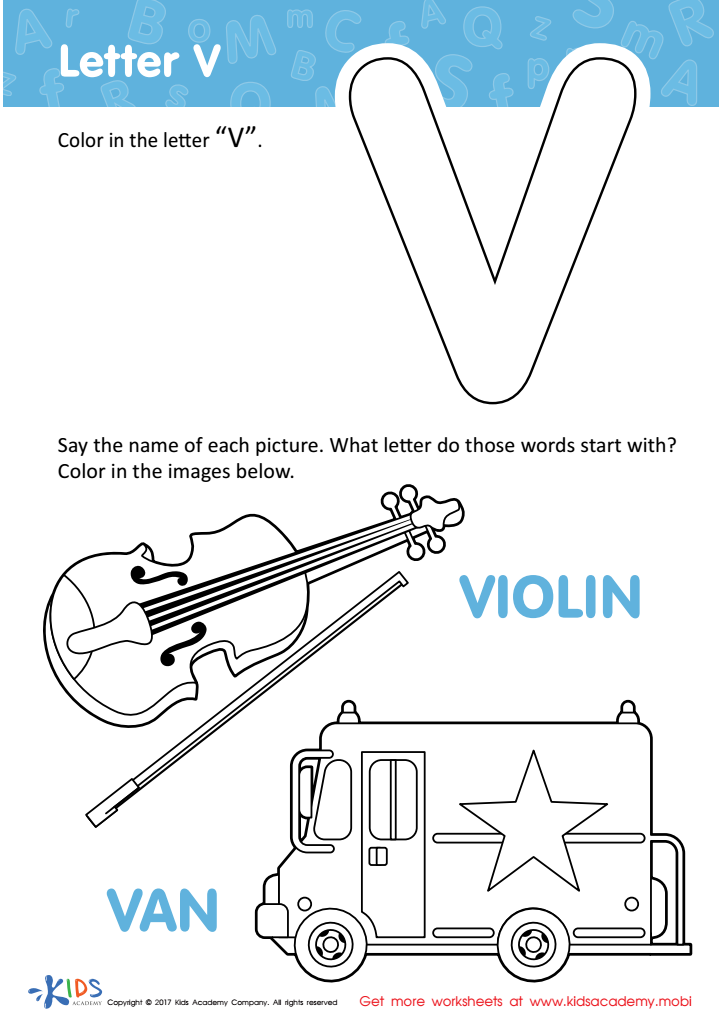
Letter V Coloring Sheet
 Assign to My Students
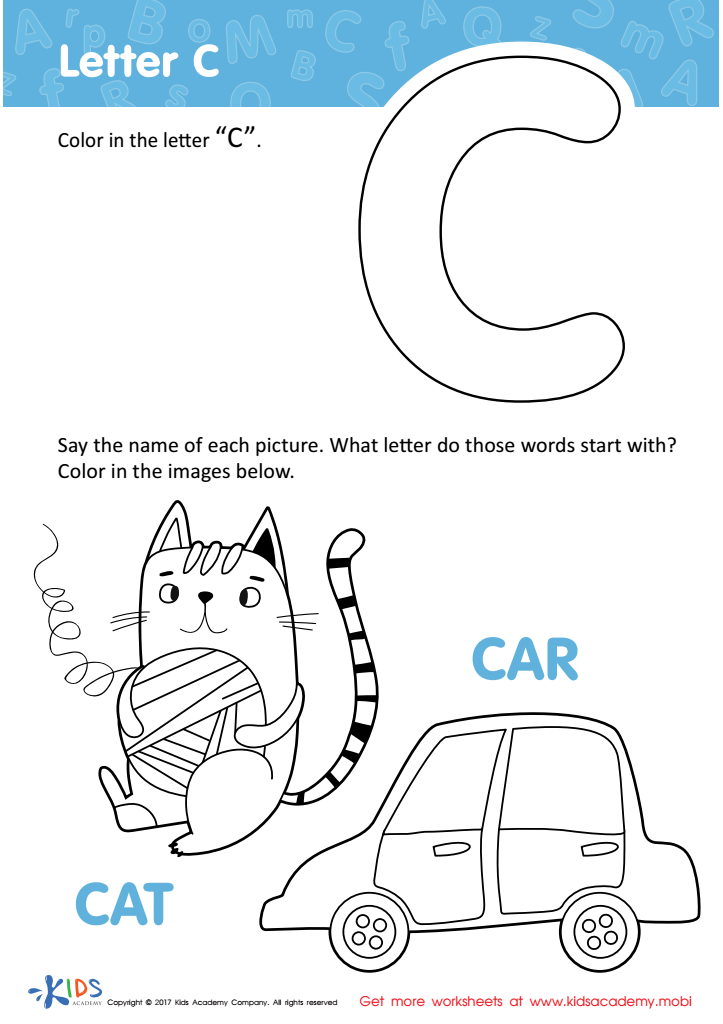
Letter C Coloring Sheet
Assign to My Students
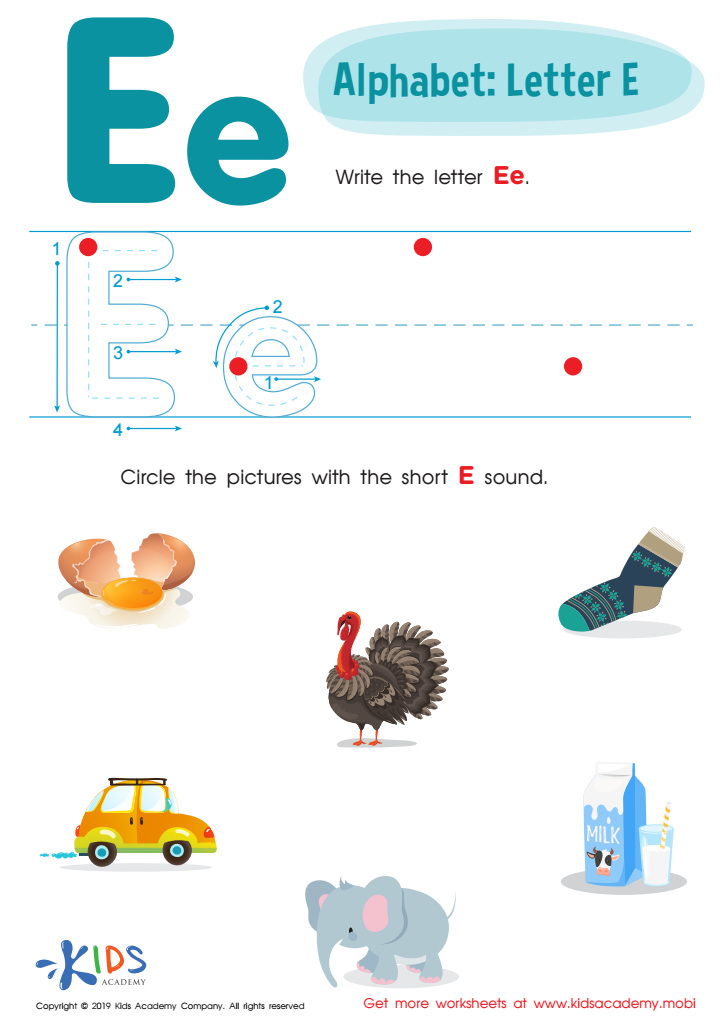
Letter E Tracing Worksheet
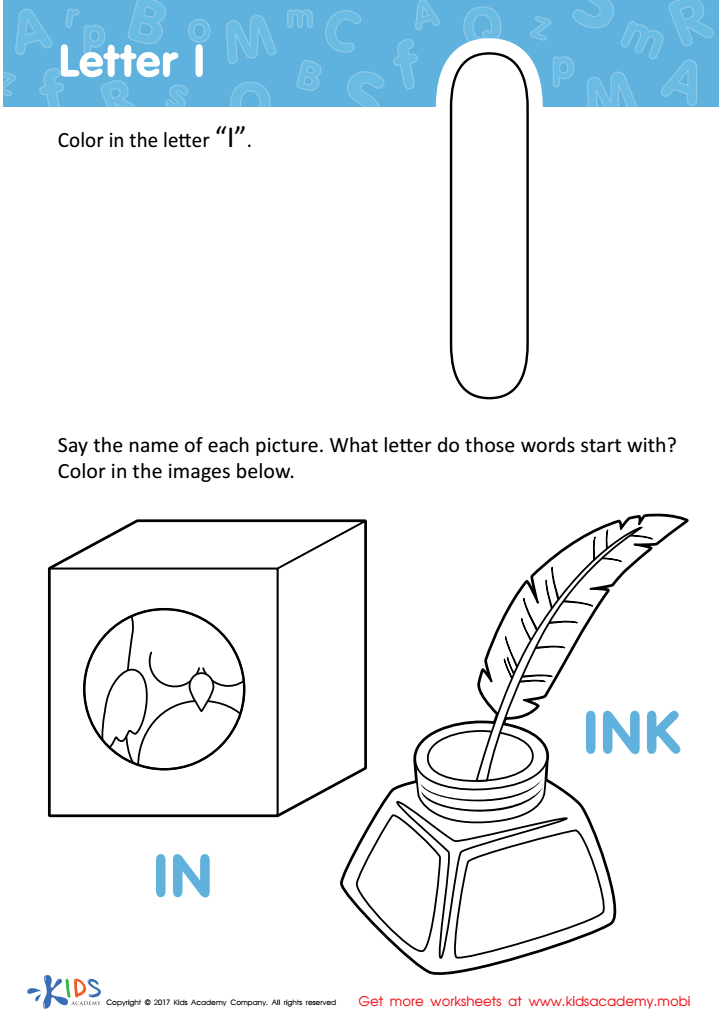
Letter I Coloring Sheet
Assign to My Students
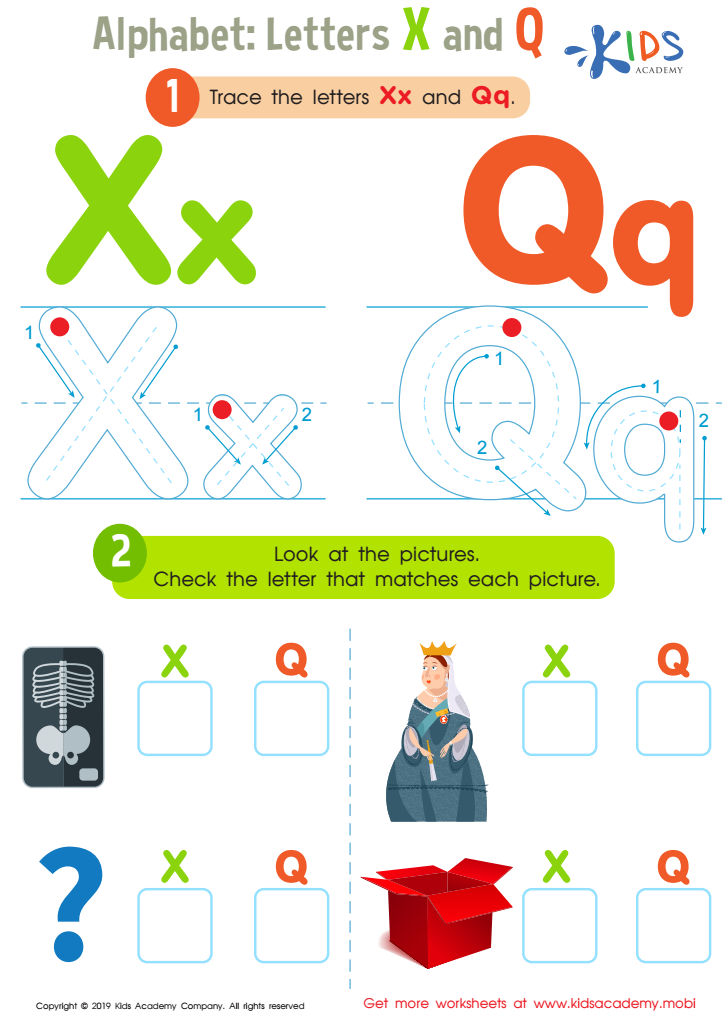
Letters X and Q Tracing Worksheet
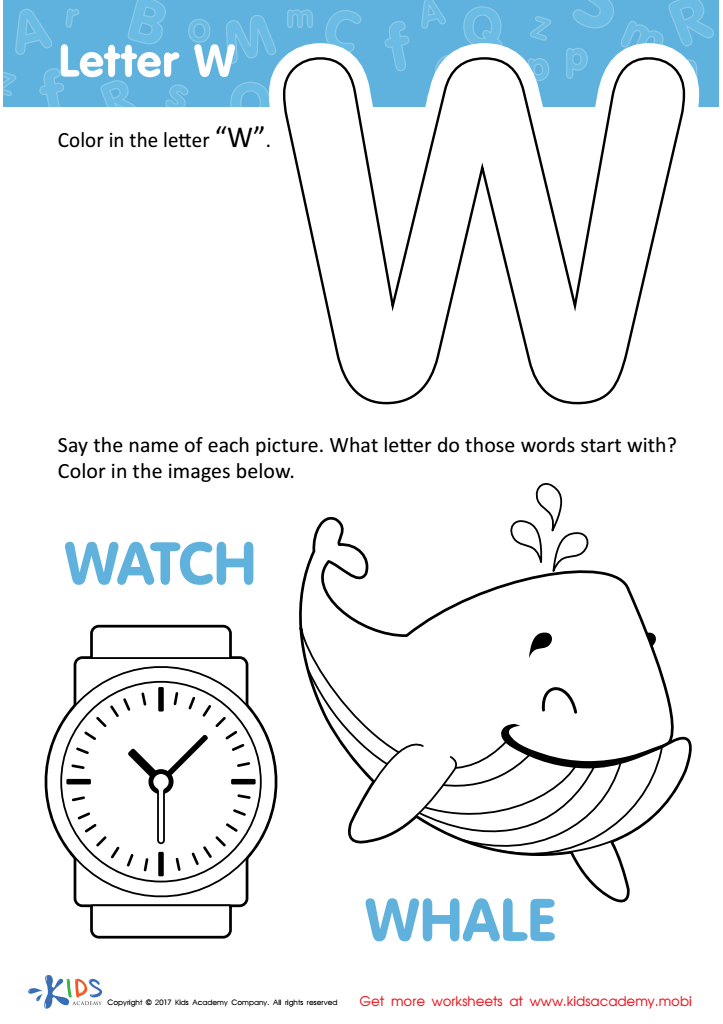
Letter W Coloring Sheet
Assign to My Students
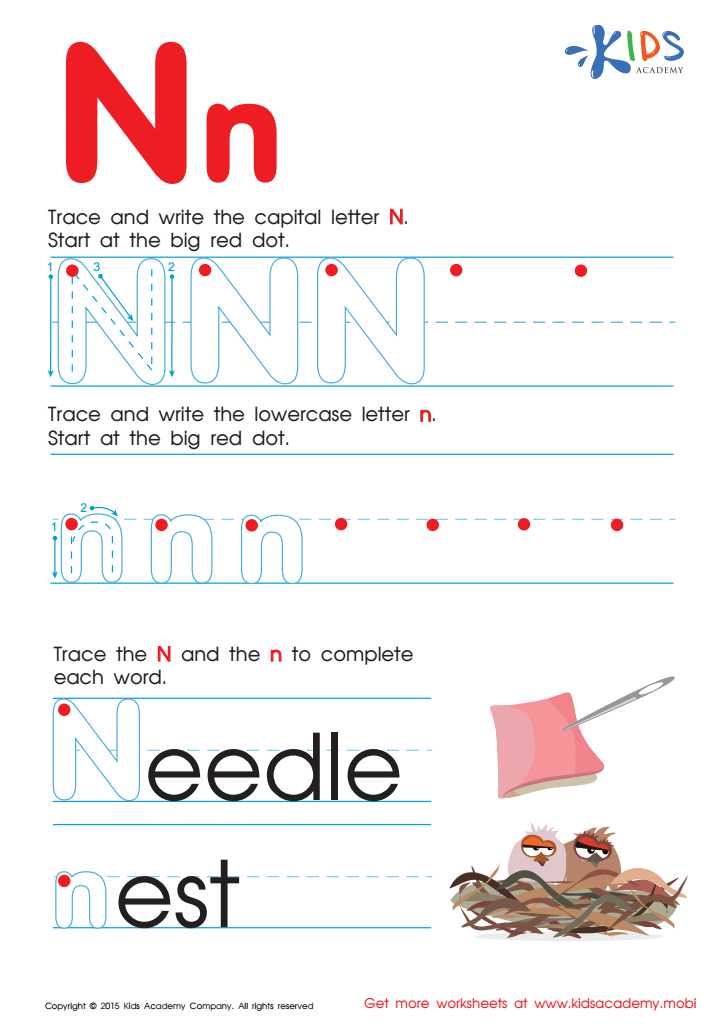
Letter N Tracing Page
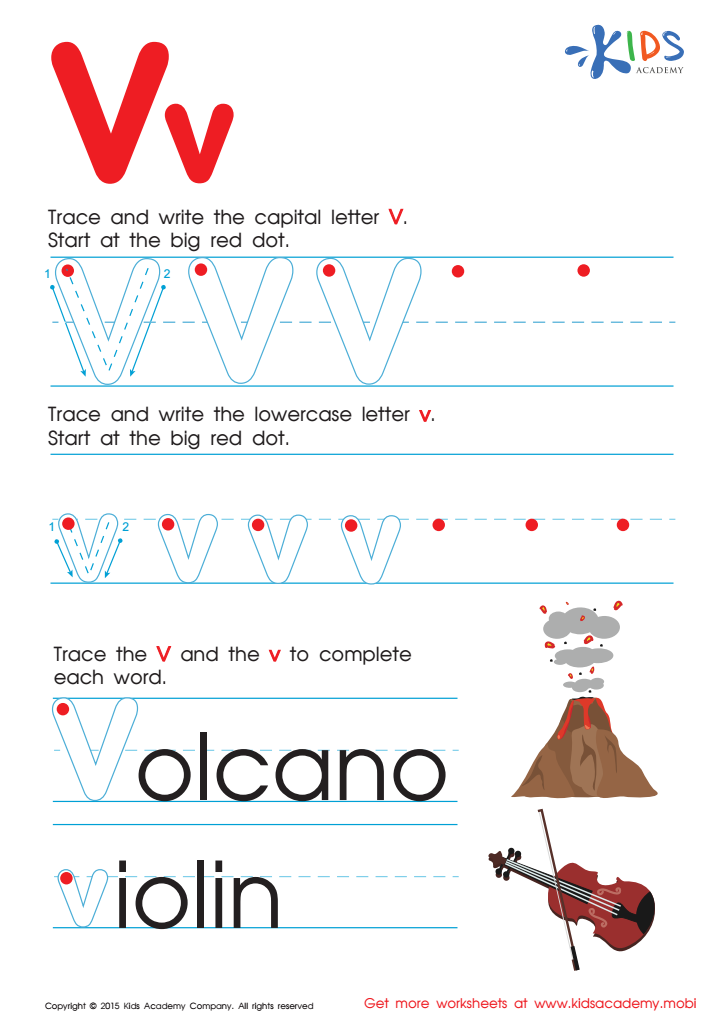
Letter V Tracing Page
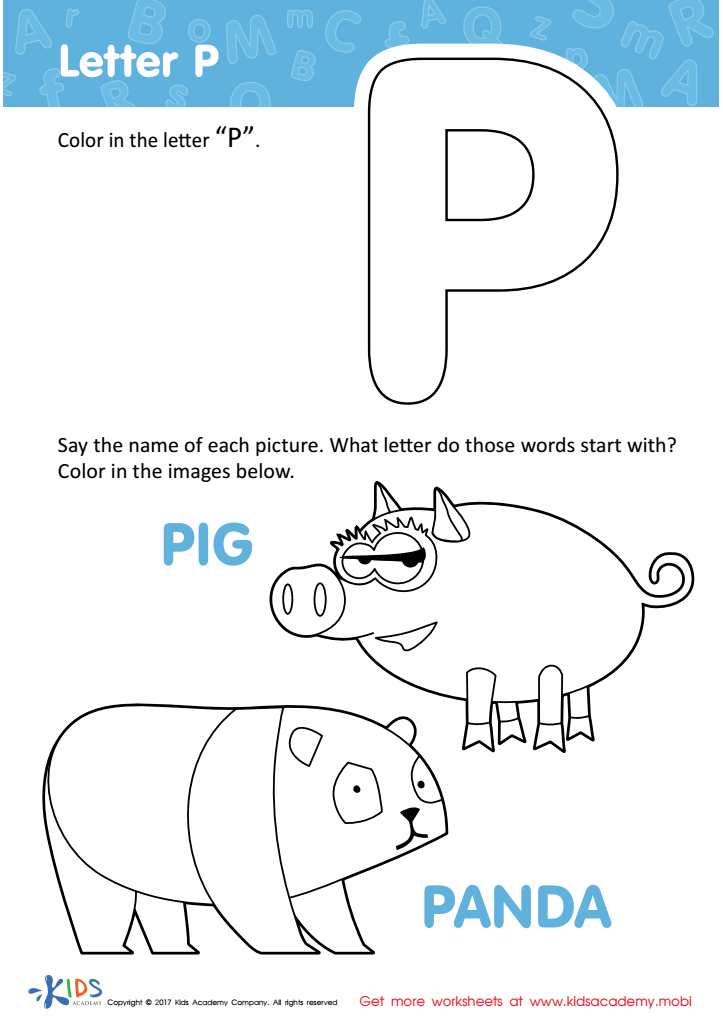
Letter P Coloring Sheet
Assign to My Students
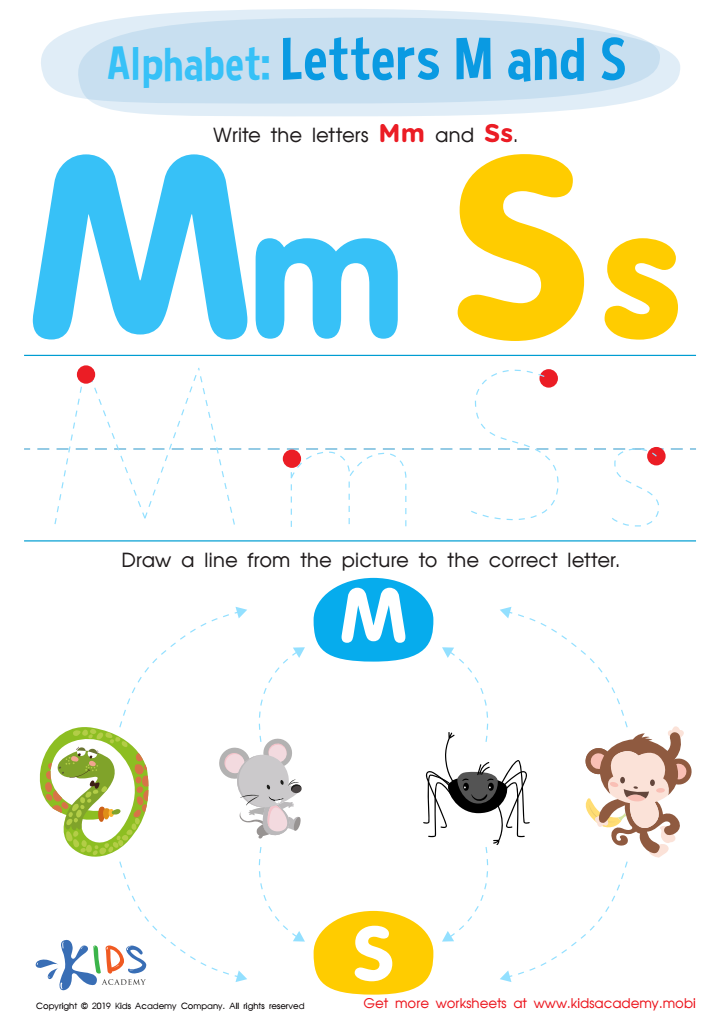
Letters M and S Tracing Worksheet

Letter E Tracing Page
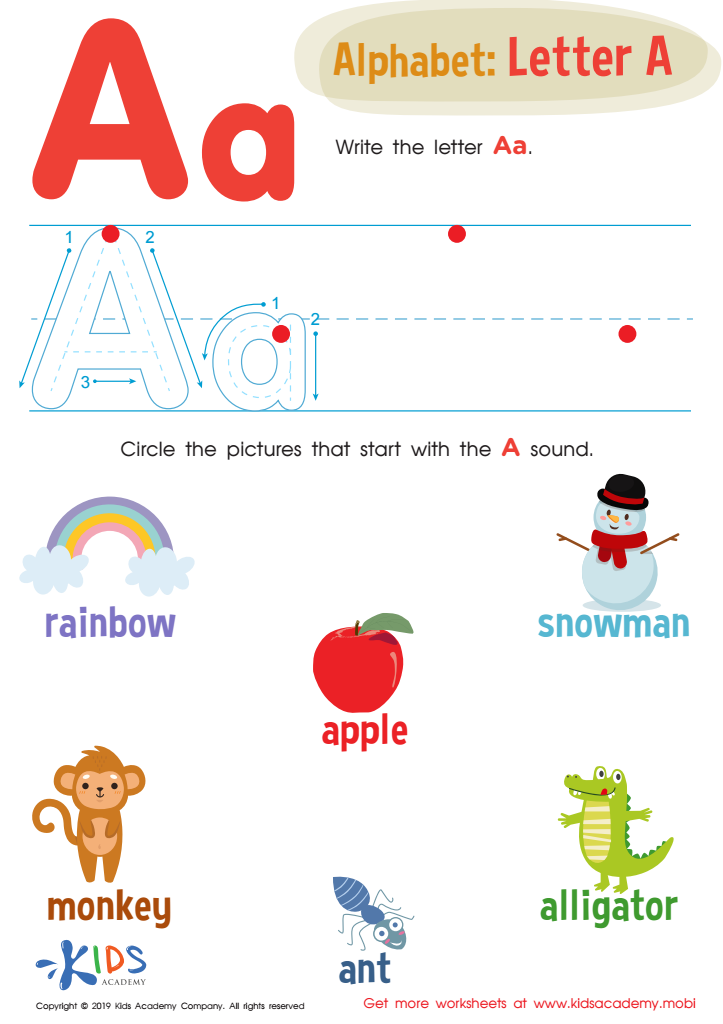
Letter A Tracing Worksheet
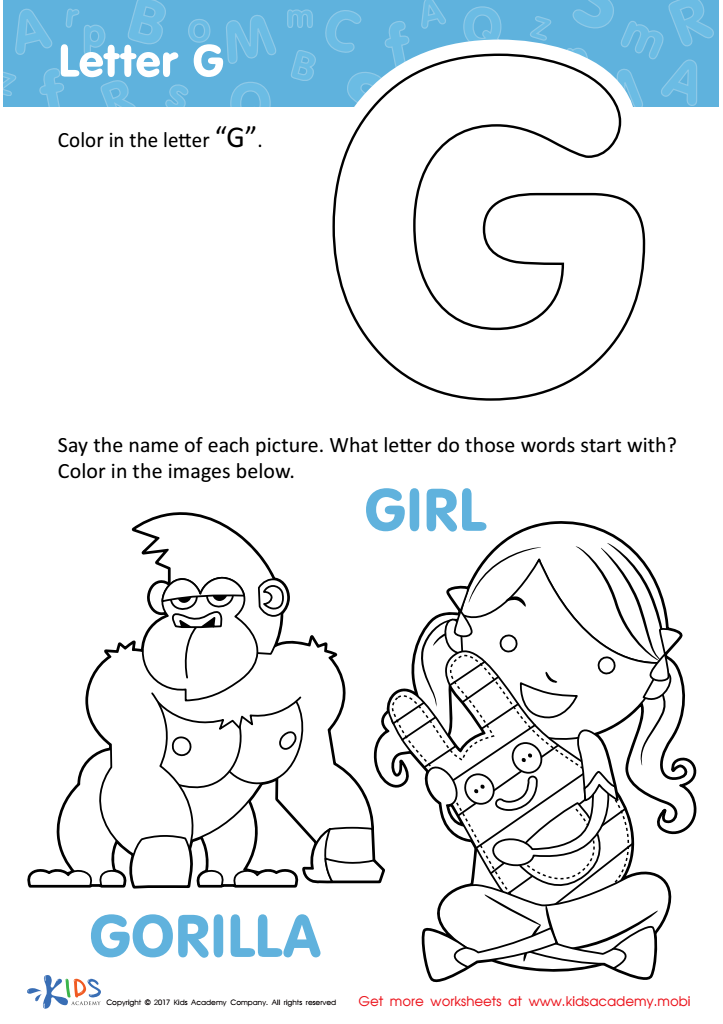
Letter G Coloring Sheet
Assign to My Students
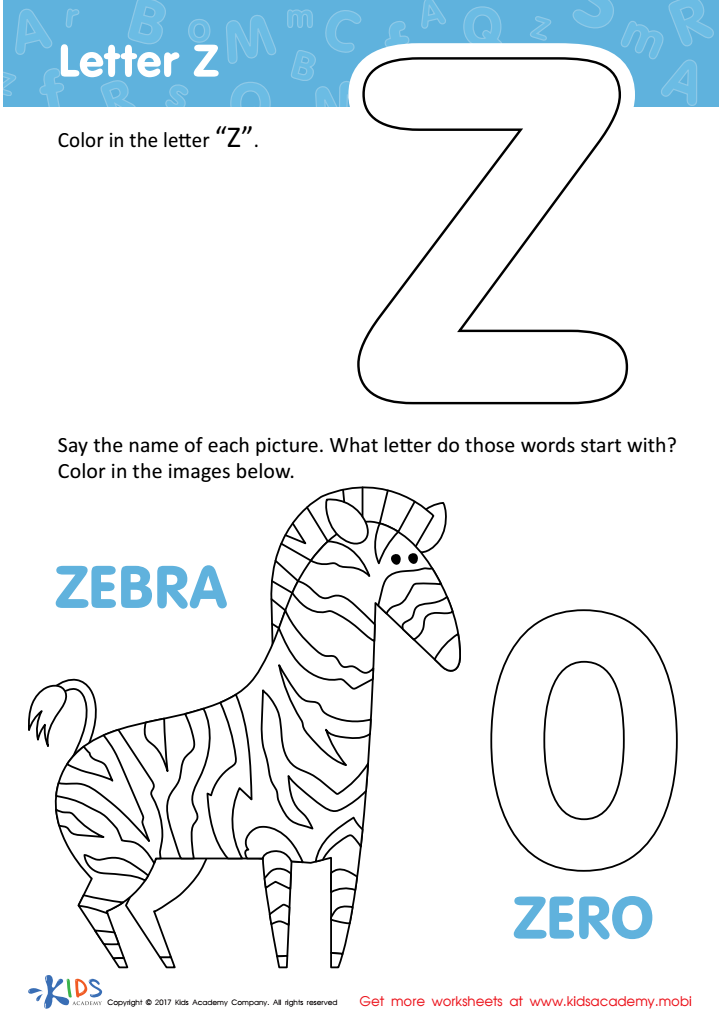
Letter Z Coloring Sheet
Assign to My Students
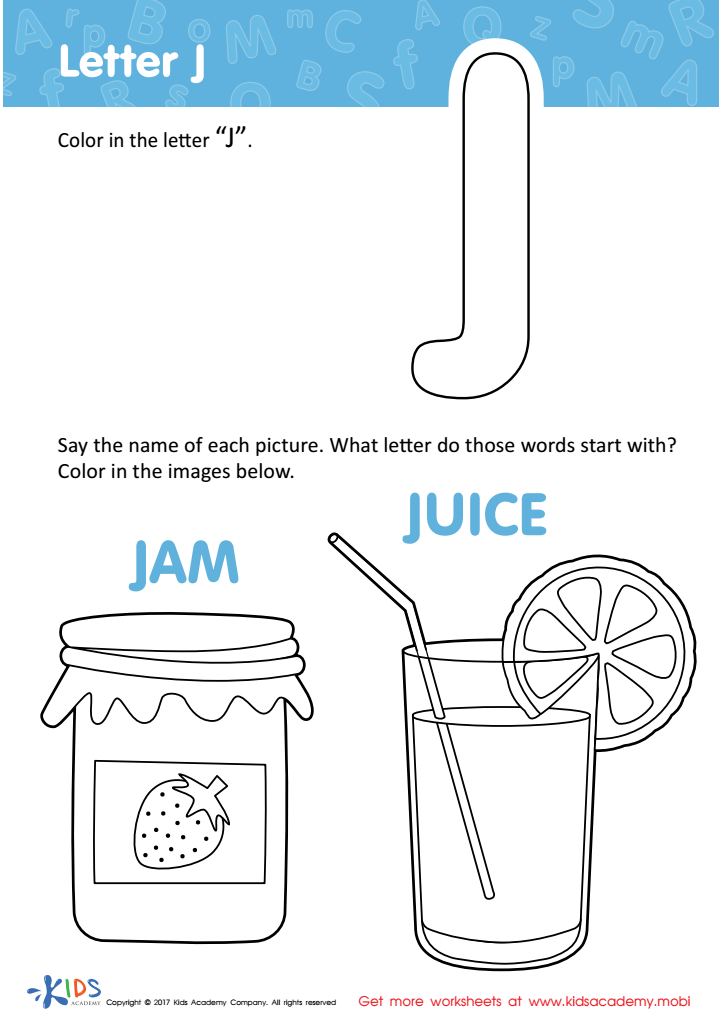
Letter J Coloring Sheet
Assign to My Students
Letter Y Coloring Sheet
Assign to My Students
Letter F Tracing Page
Letter F Coloring Sheet
Assign to My Students
Letter T Tracing Page
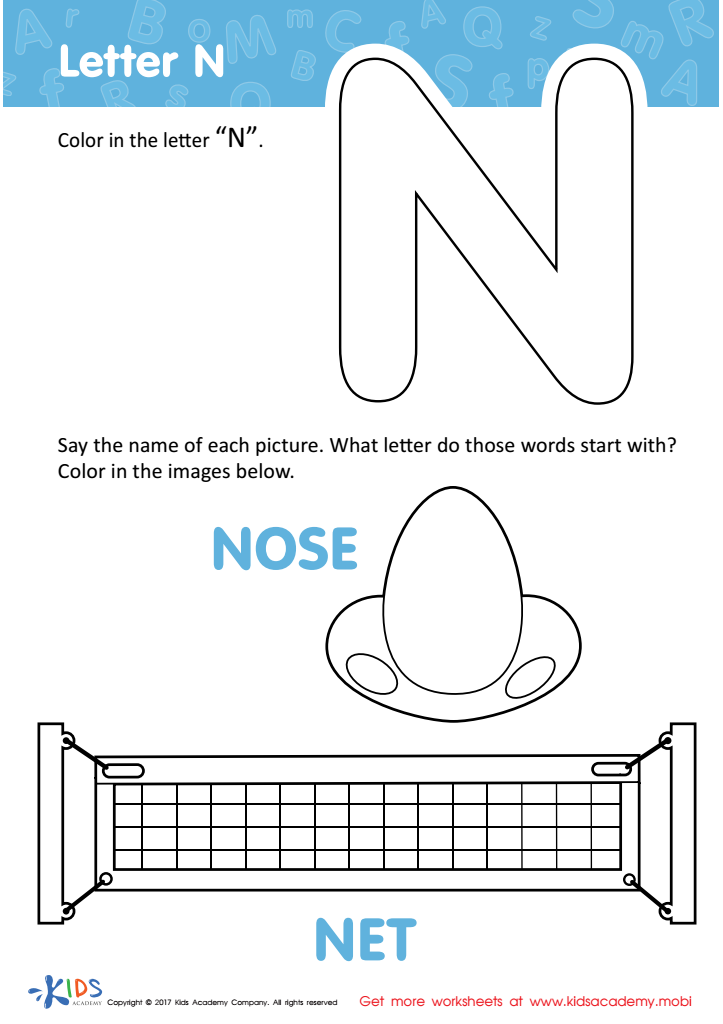
Letter N Coloring Sheet
Assign to My Students

Letter D Tracing Page





Fine motor skills, which involve the coordination of small muscles, such as those in the hands and fingers, are essential for young children, particularly in Grade 3 as they develop letter recognition. Strengthening these skills should be a priority for both parents and teachers because they are foundational for a child’s academic success and overall development.
Firstly, good fine motor control enhances handwriting abilities. In Grade 3, students often transition from learning to write to writing to learn. Clear, legible handwriting enables children to express their thoughts and ideas effectively without the added stress of illegibility.
Moreover, improved letter recognition, facilitated by strong fine motor skills, boosts reading proficiency. Recognizing and writing letters accurately aids in decoding words during reading, which is pivotal for comprehension and fluent reading. Children who read well early on are more likely to excel across other subjects.
Additionally, fine motor development fosters independence, confidence, and problem-solving skills. Tasks like cutting with scissors or buttoning clothes become easier, leading to a sense of accomplishment.
In involving parents in this development, children get additional practice and support outside school, creating a strong home-school connection that can yield more synchronized progress and motivation.
In summary, prioritizing fine motor skills includes academic, social, and practical benefits that can significantly influence a child’s educational trajectory and personal growth.