Hand-eye Coordination Grade 3 Letter Recognition Worksheets
7 filtered results
-
From - To
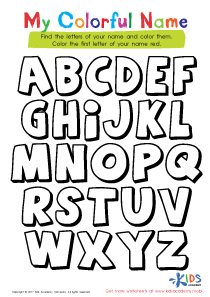
Enhance your child's reading and writing skills with our Hand-eye Coordination Grade 3 Letter Recognition Worksheets! Designed for third graders, these engaging worksheets focus on developing essential hand-eye coordination while reinforcing letter recognition. Students will enjoy fun and interactive activities that challenge them to visually identify letters and accurately trace or write them. Our resources are perfect for classroom use or at-home practice, fostering independence and confidence in young learners. By integrating these worksheets into your teaching toolkit, you will help your students improve their fine motor skills and literacy, setting a strong foundation for future academic success. Download today and inspire learning!
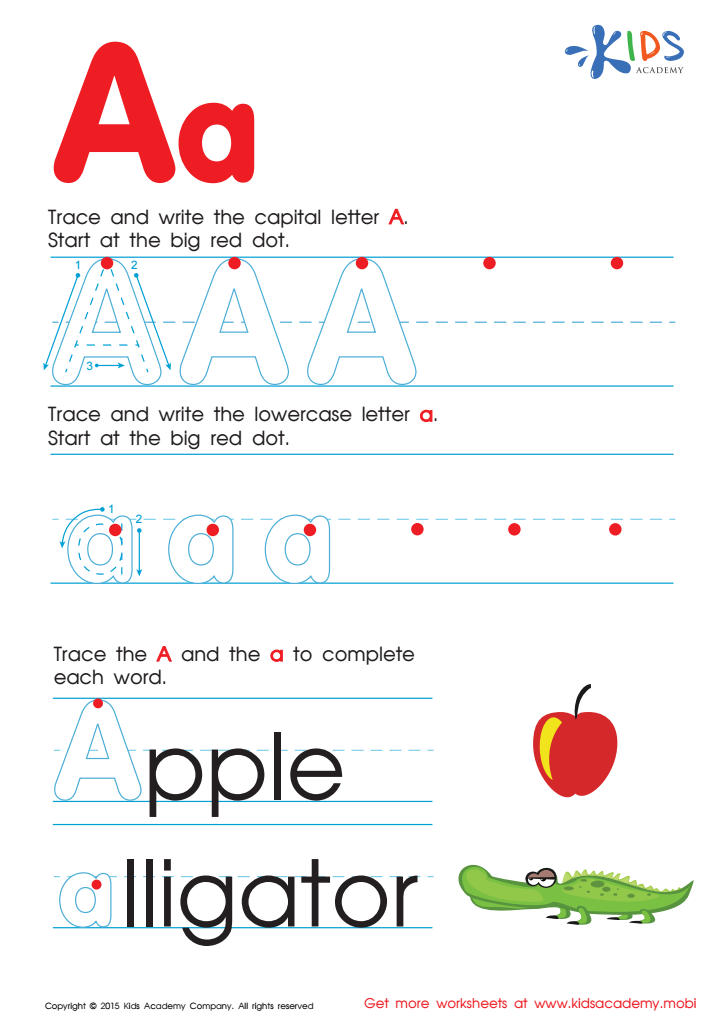
Letter A Tracing Page
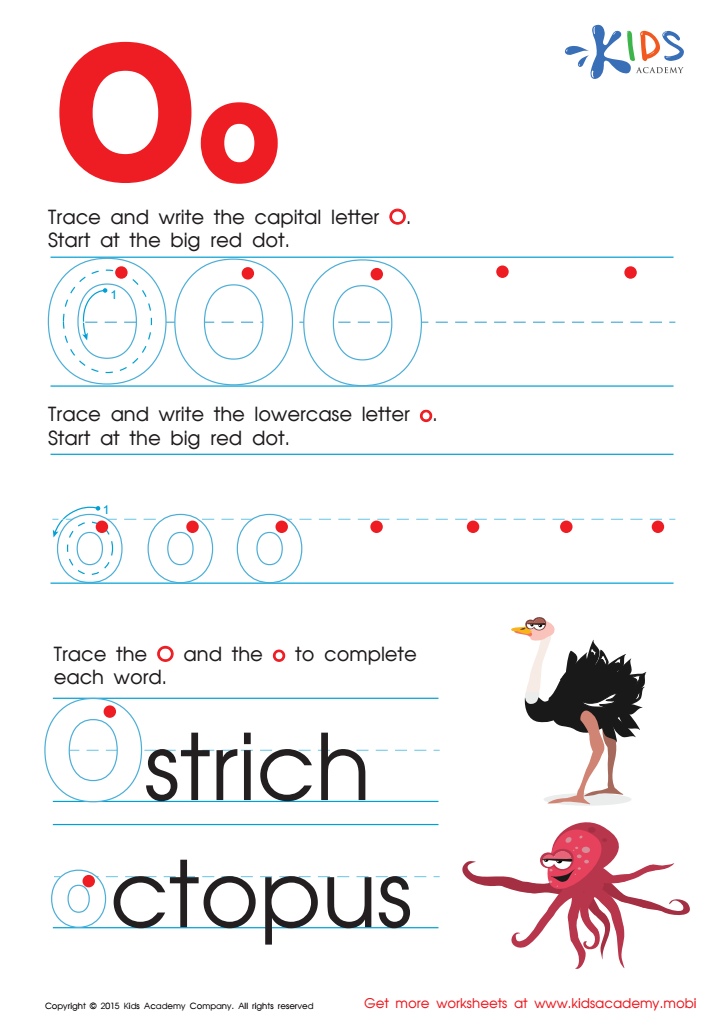
Letter O Tracing Page
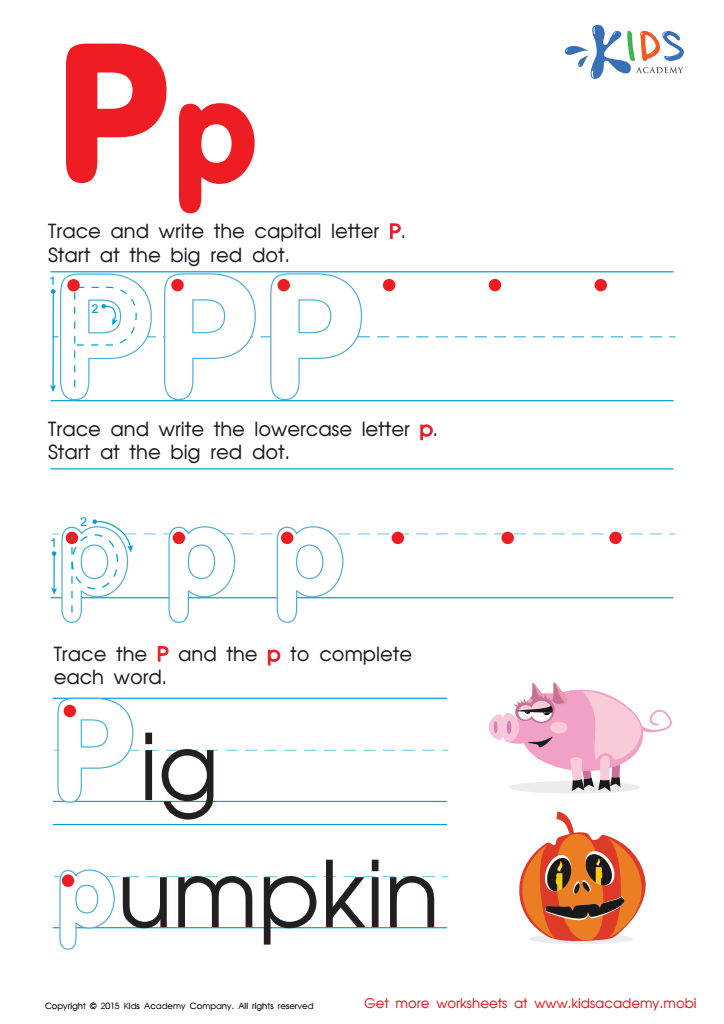
Letter P Tracing Page
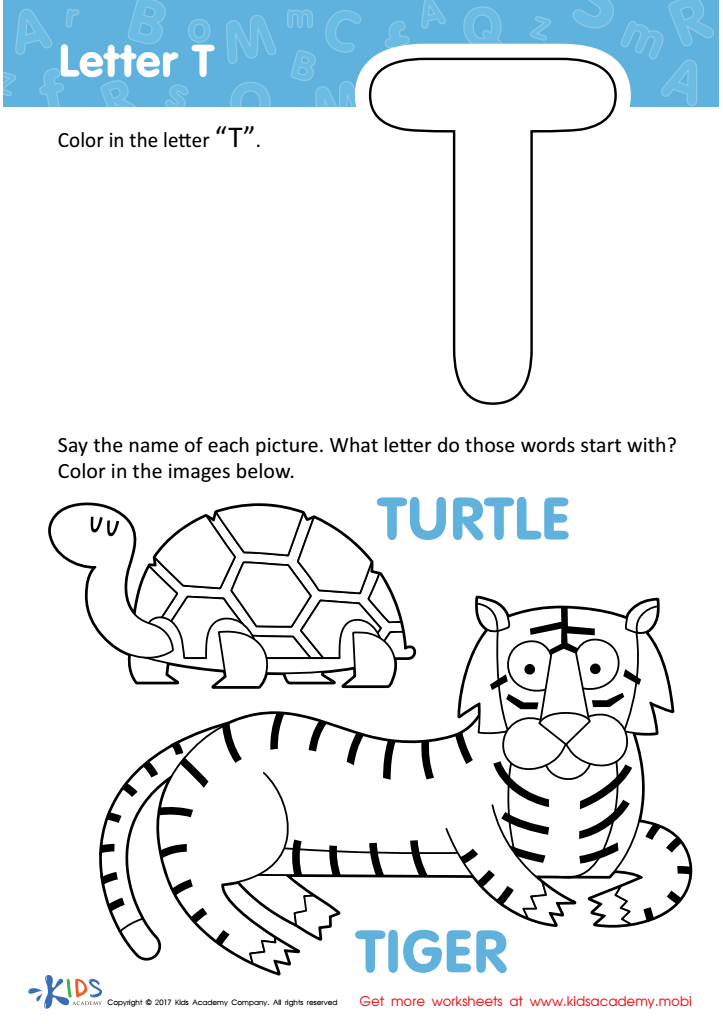
Letter T Coloring Sheet
 Assign to My Students
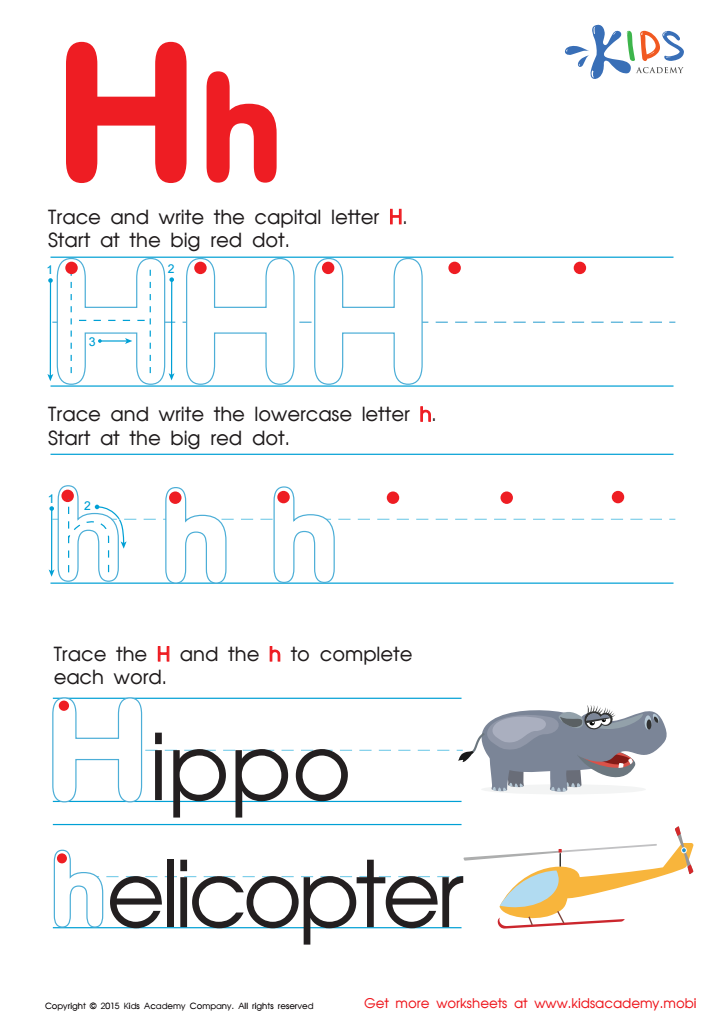
Letter H Tracing Page
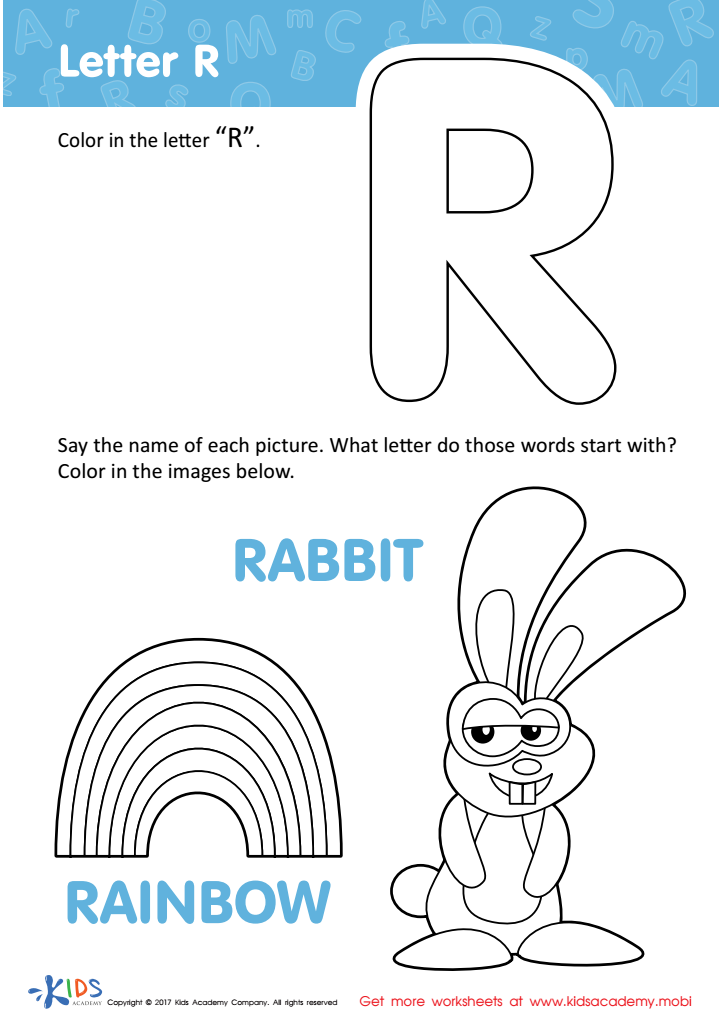
Letter R Coloring Sheet
Assign to My Students

Letter D Tracing Page





Hand-eye coordination is crucial for children's overall development, significantly impacting academic success, particularly in areas such as literacy and numeracy. For Grade 3 students, letter recognition is a foundational skill for reading and writing. When children exhibit strong hand-eye coordination, they are better equipped to recognize letters and their corresponding sounds, enhancing their ability to decode words.
Teachers and parents should prioritize activities that strengthen this skill, as it not only aids in letter recognition but also fosters other cognitive and motor skills. This coordination helps with writing neatly, drawing shapes, and completing tasks efficiently—skills vital for classroom activities.
Moreover, children with good hand-eye coordination often experience increased confidence. As they improve their letter recognition through practice and play, they become more engaged and willing to participate in literacy activities. Therefore, fostering hand-eye coordination can lead to a smoother and more enjoyable learning experience.
Finally, by integrating hand-eye coordination exercises into daily routines—such as playing sports, engaging in art, or using educational games—parents and teachers can encourage holistic development, preparing children for future academic endeavors and lifelong learning. Balancing these skills is crucial for fostering well-rounded, capable learners.