Color recognition Grade 3 English for Beginners Worksheets
21 filtered results
-
From - To
Discover our engaging Color Recognition worksheets designed specifically for Grade 3 English language beginners! These printables help students grasp essential vocabulary while enhancing their understanding of colors. Through fun activities and vibrant visuals, learners will build their language skills in a supportive environment. Each worksheet is crafted to engage young minds, fostering creativity and comprehension as students explore color identification in various contexts. Perfect for both classroom use and at-home practice, our resources ensure that children can connect language with everyday experiences. Help your students develop confidence in their language abilities and color knowledge today with our expertly designed worksheets!
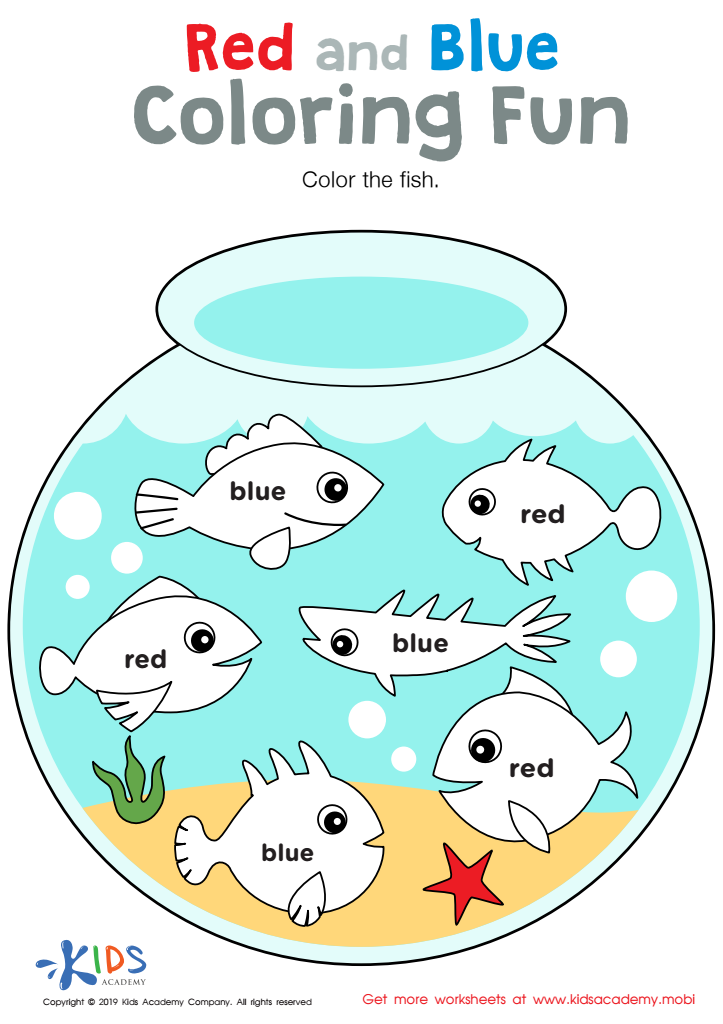
Red and Blue Coloring Fun Worksheet
 Assign to My Students
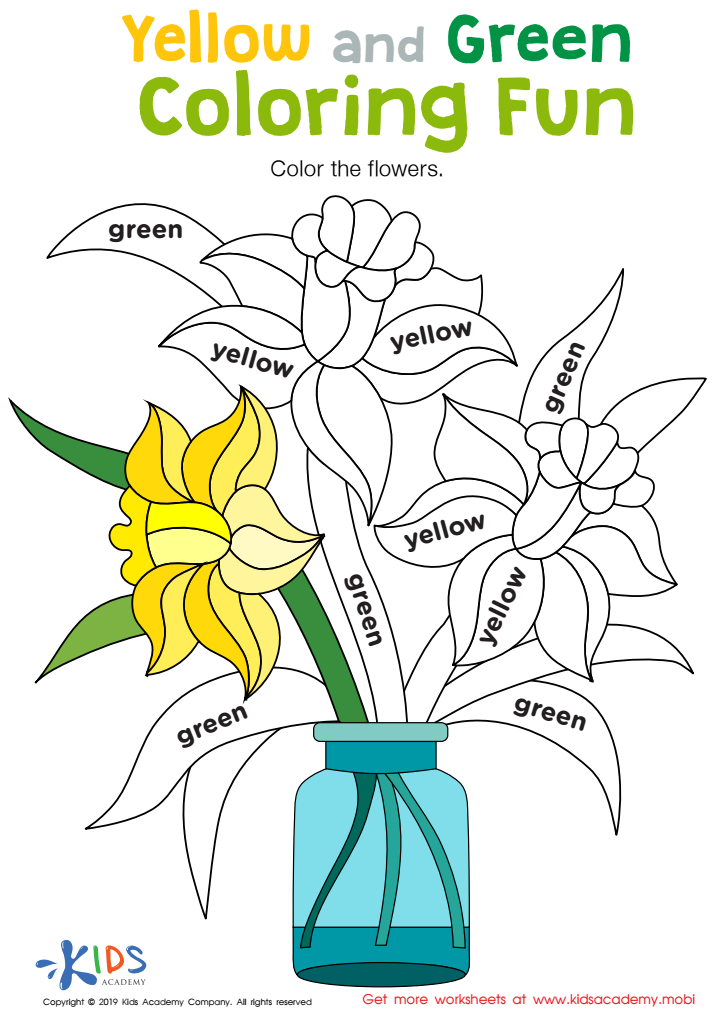
Yellow and Green Coloring Fun Worksheet
Assign to My Students
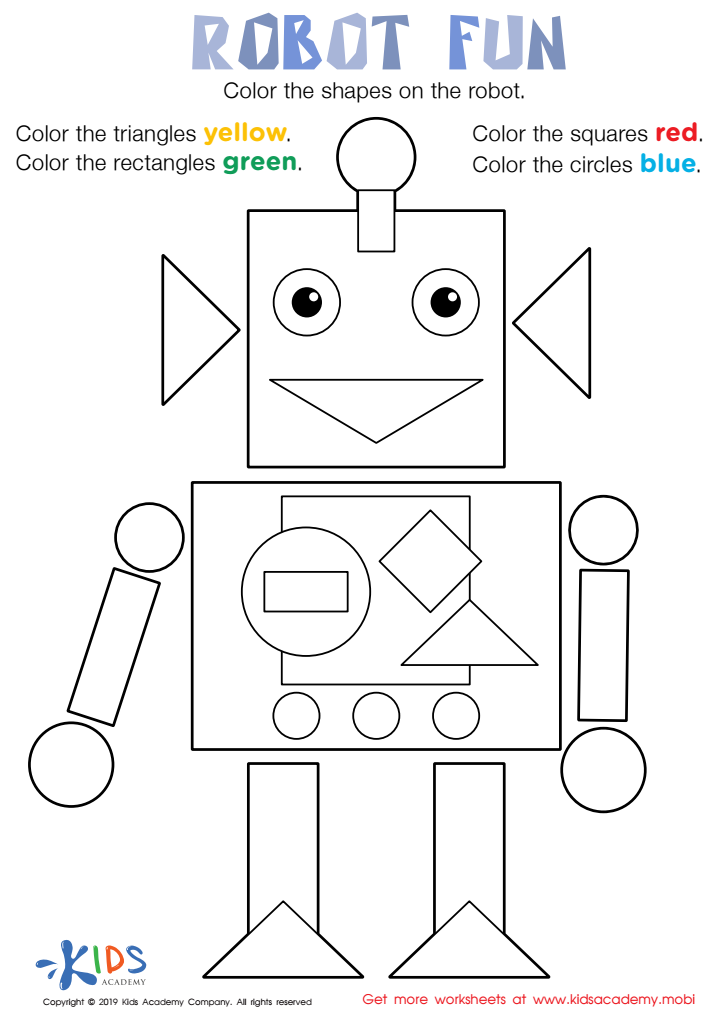
Robot Fun Worksheet
Assign to My Students
Yellow Tracing Color Words Worksheet
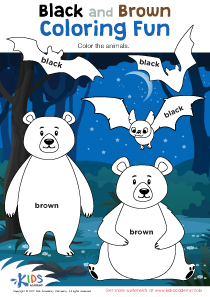
Black and Brown Coloring Fun Worksheet
Assign to My Students
Pink Tracing Color Words Worksheet
Purple and Orange Coloring Fun Worksheet
Assign to My Students
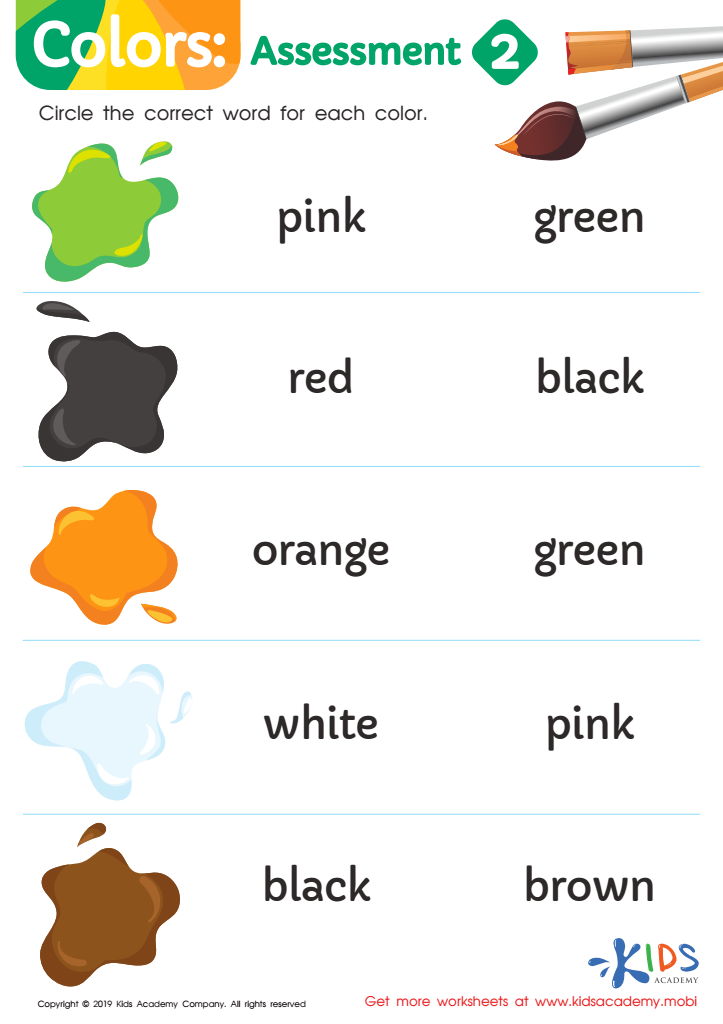
Colors: Assessment 2 Worksheet
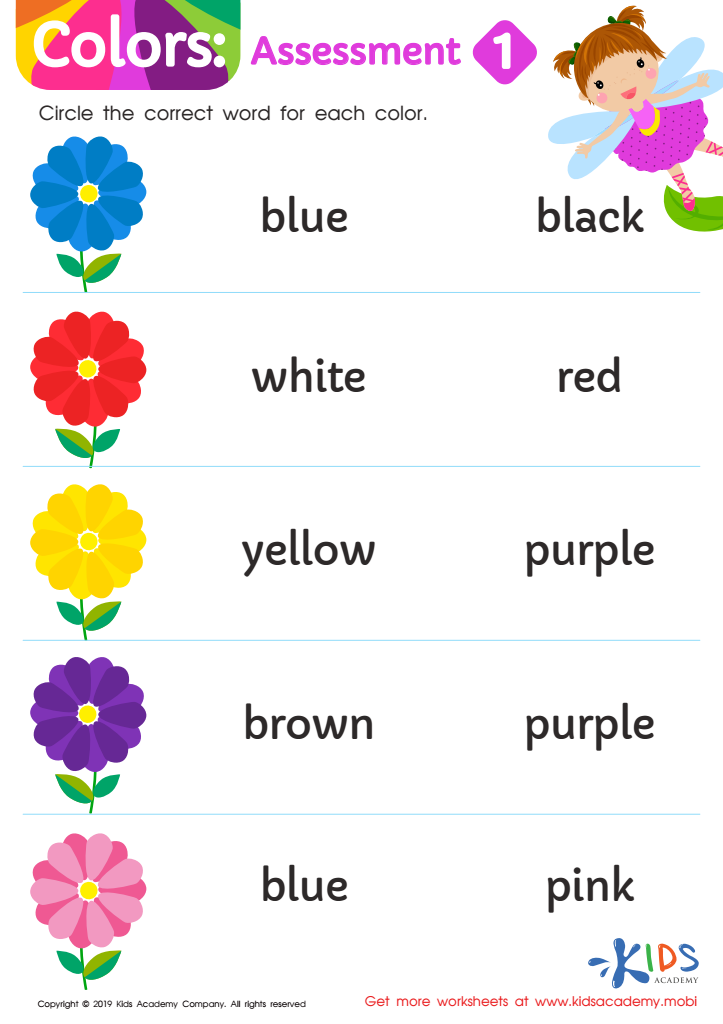
Colors: Assessment 1 Worksheet
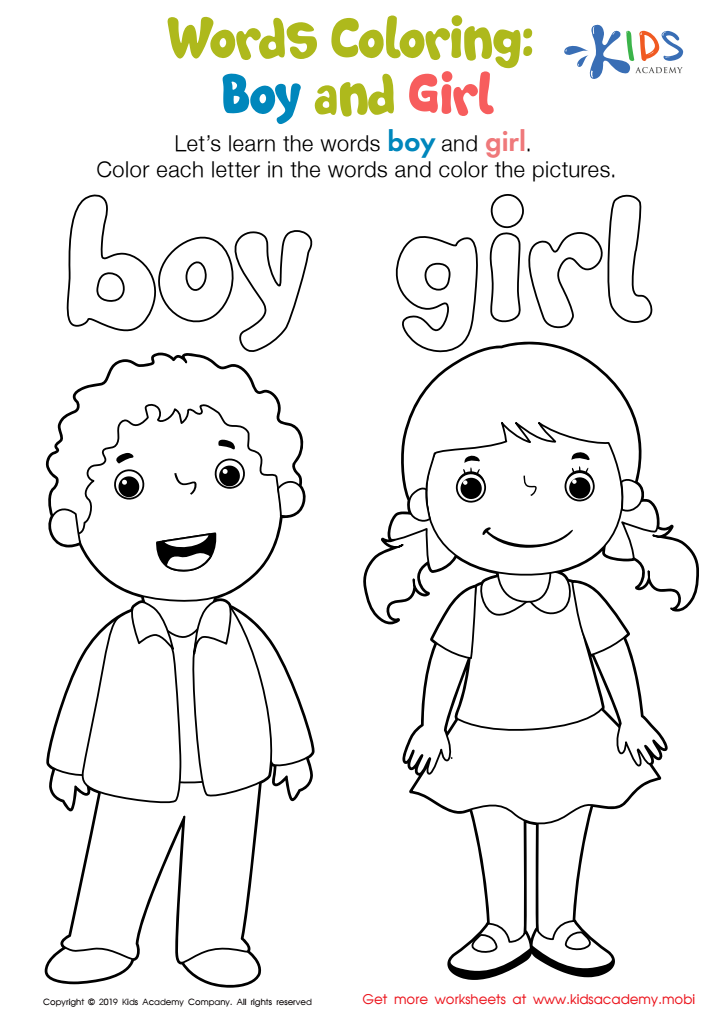
Boy and Girl Words Coloring Worksheet
Assign to My Students
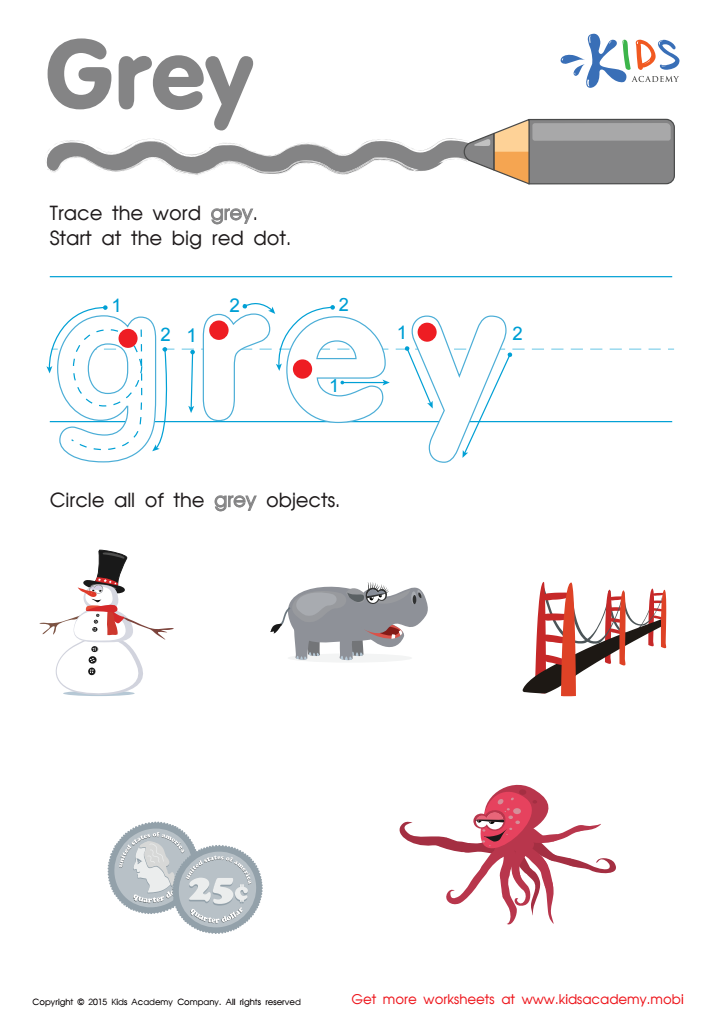
Grey Tracing Color Words Worksheet
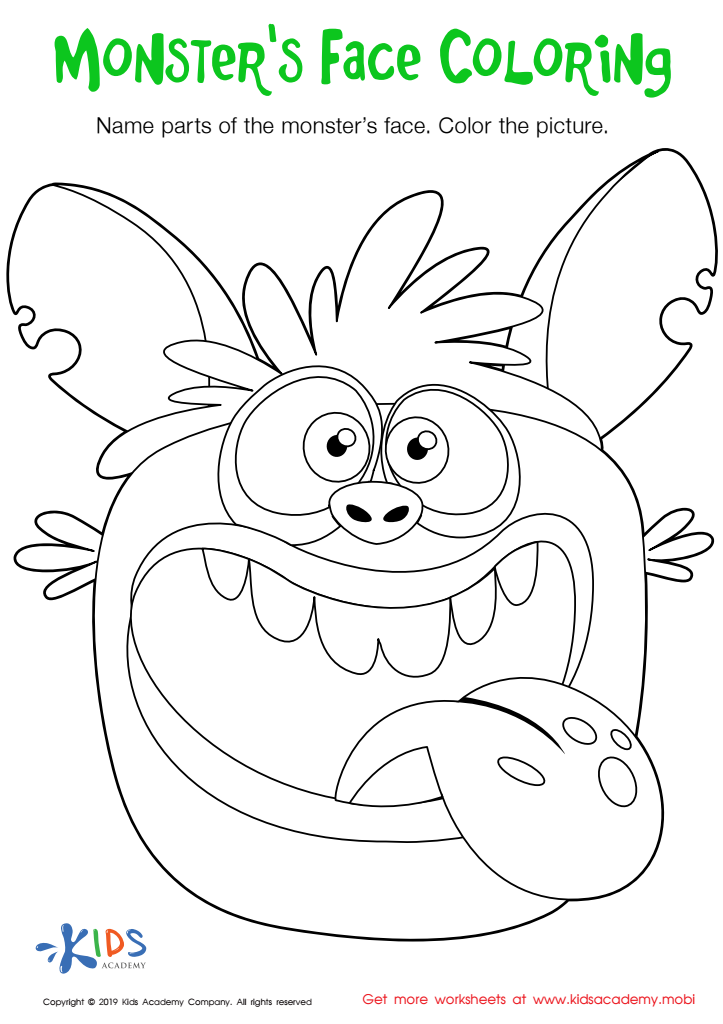
Monster's Face Coloring Worksheet
Assign to My Students
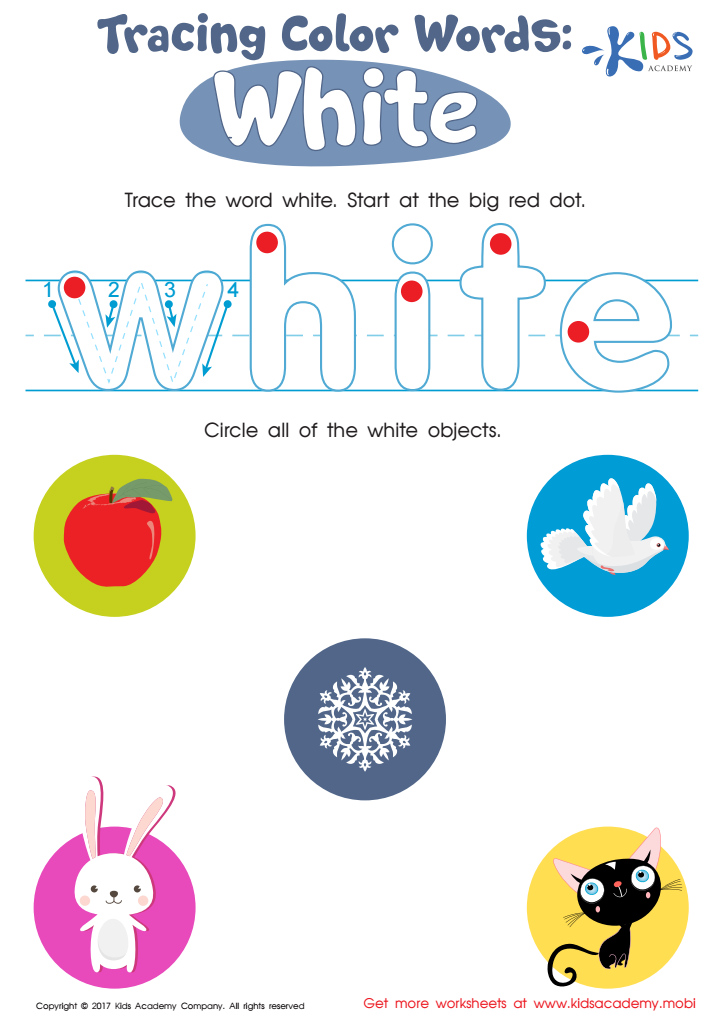
White Tracing Color Words Worksheet
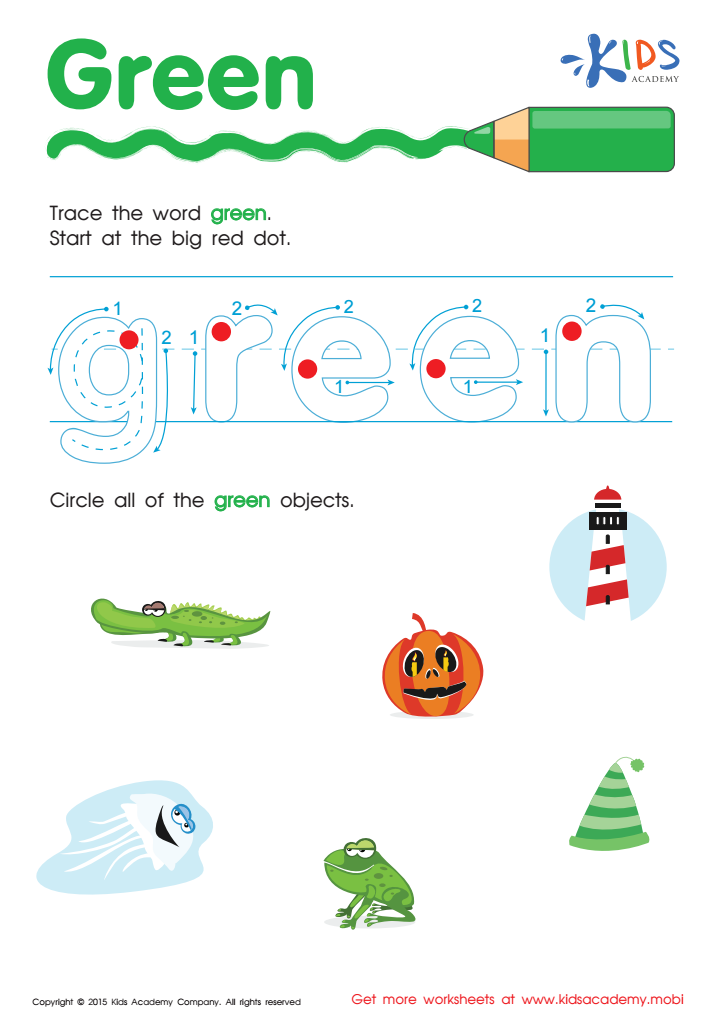
Green Tracing Color Words Worksheet
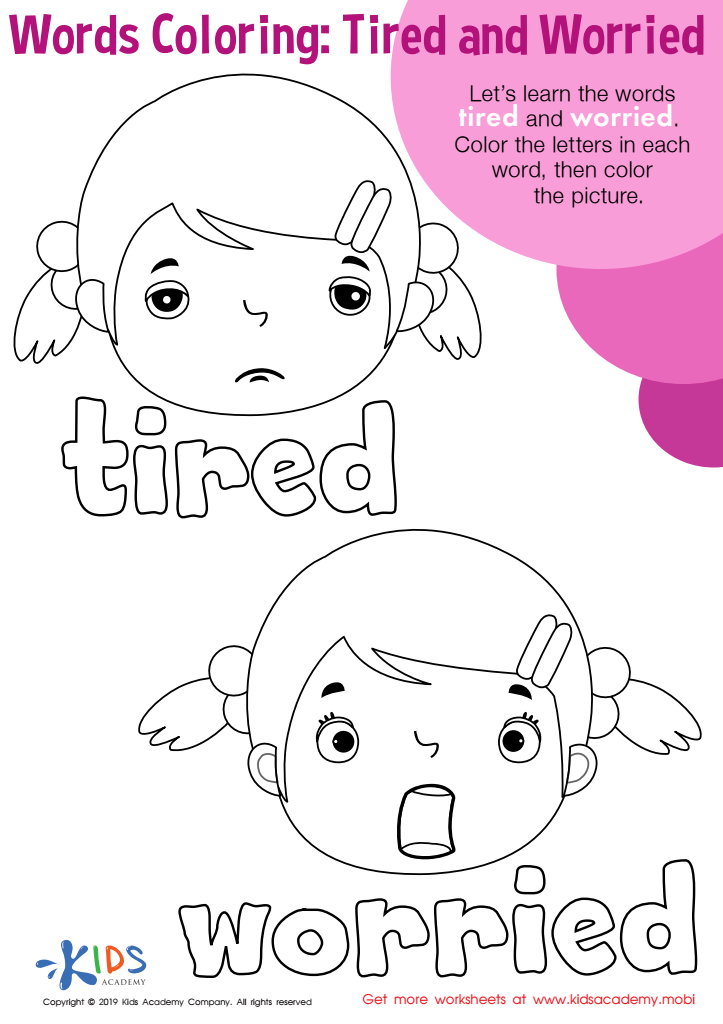
Tired and Worried Words Coloring Worksheet
Assign to My Students
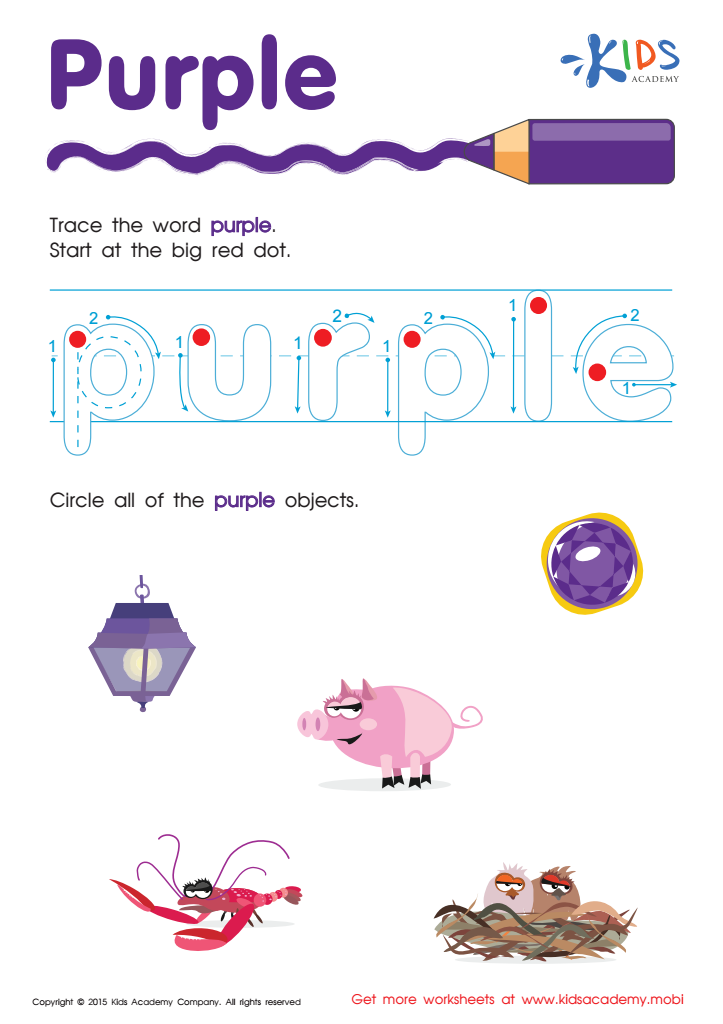
Purple Tracing Color Words Worksheet
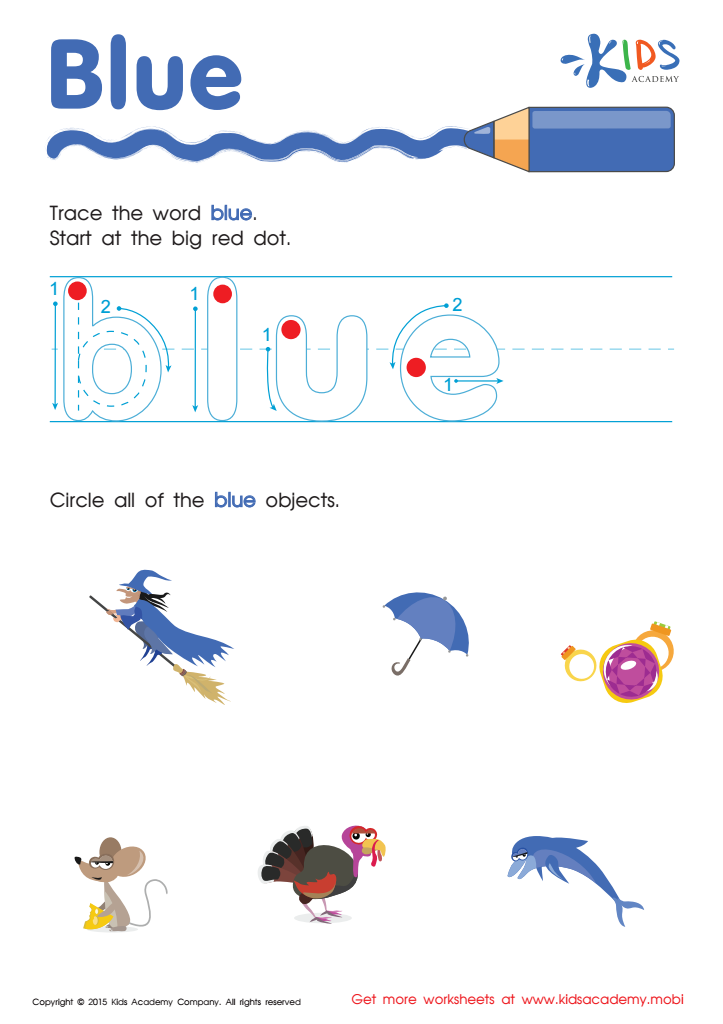
Blue Tracing Color Words Printable
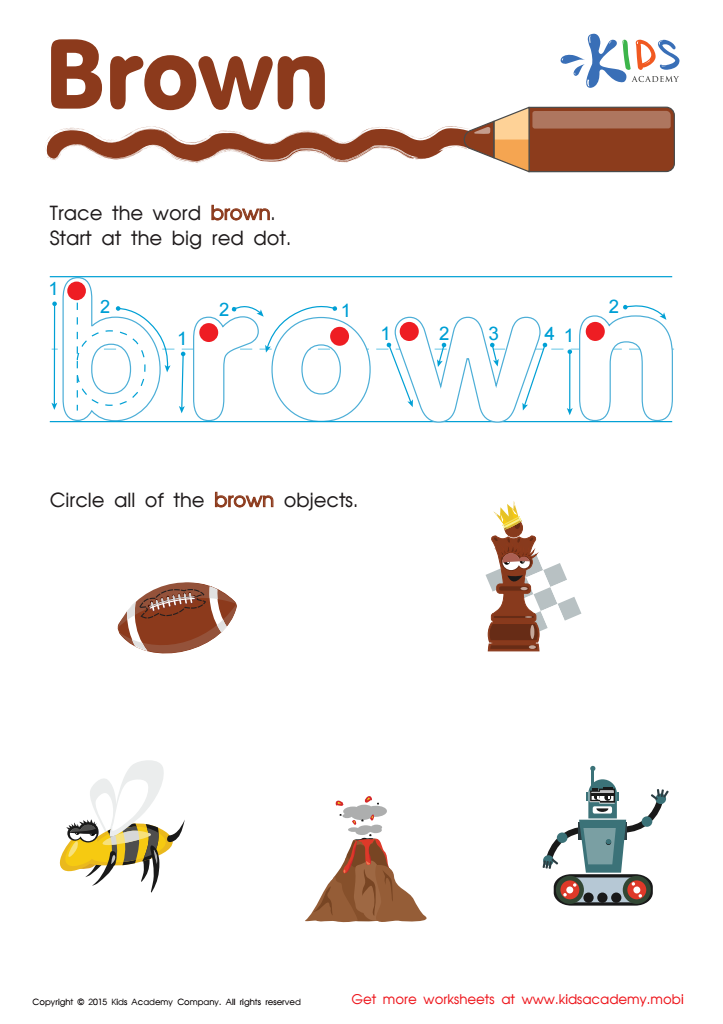
Brown Tracing Color Words Worksheet
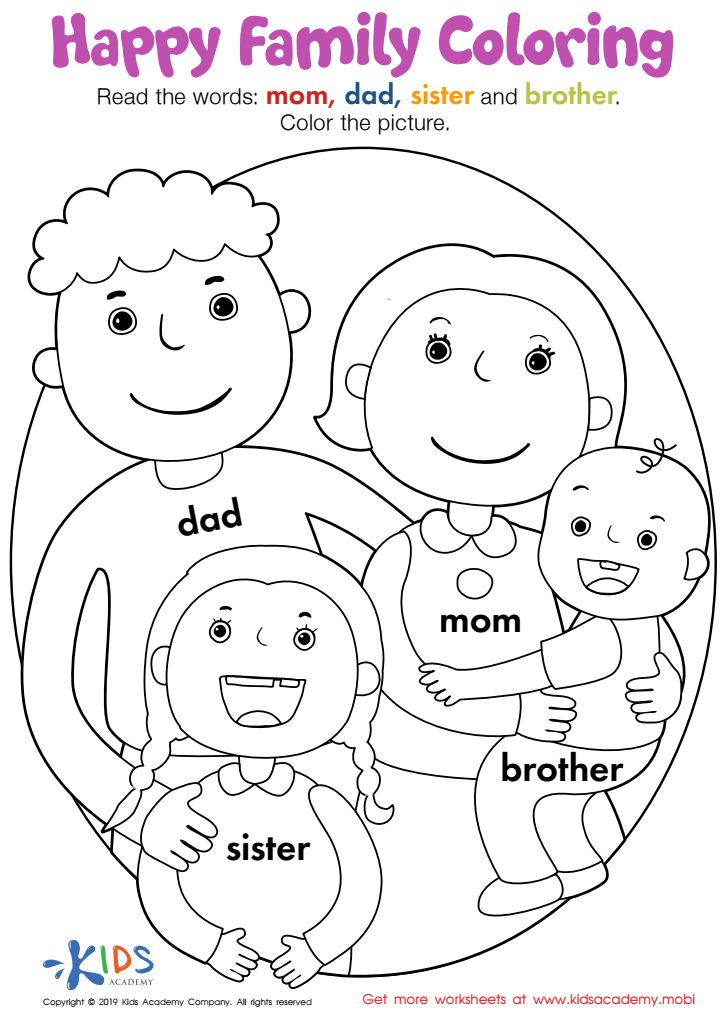
Happy Family Coloring Worksheet
Assign to My Students
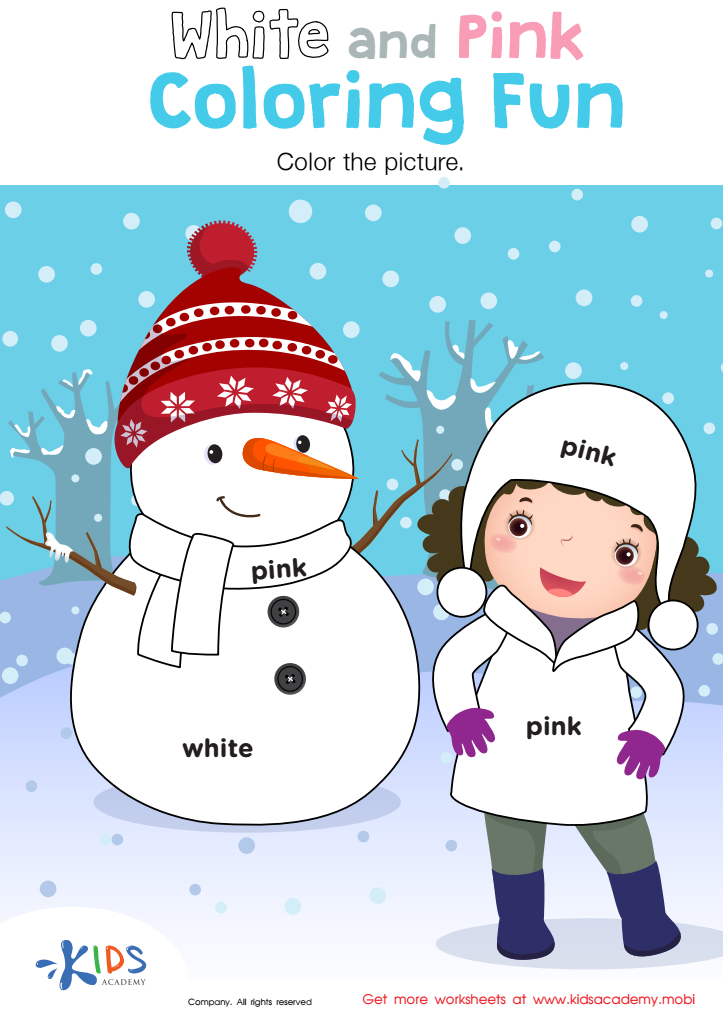
White and Pink Coloring Fun Worksheet
Assign to My Students
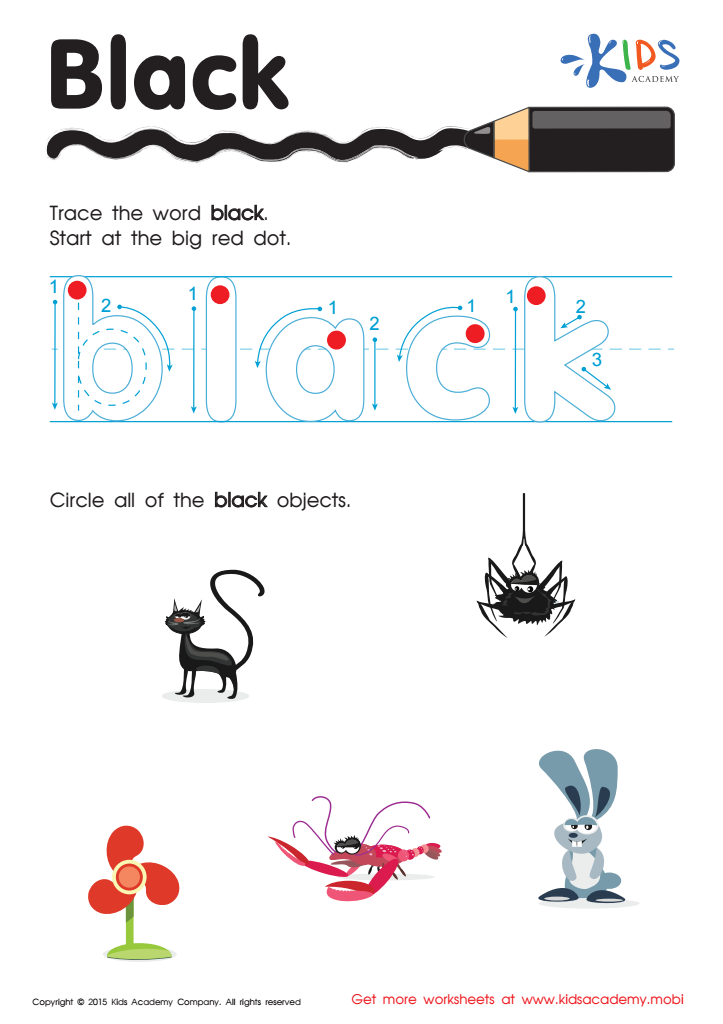
Black Tracing Color Words Printable


Color recognition plays a vital role in the cognitive and developmental growth of children in Grade 3, particularly for English beginners. First, colors are foundational in communicating and expressing ideas. When children can identify and name colors, they develop essential language skills, allowing them to describe objects in their environment, enhancing their vocabulary and encouraging more complex sentence formation.
Moreover, color recognition aids in critical thinking and categorization. By associating different objects with specific colors, children learn to make connections and organize information effectively, skills that are essential in other subjects, such as math and science.
Recognizing colors is also an important aspect of emotional and artistic expression. Encouraging discussions about colors in art, nature, and everyday life helps students better express their feelings and creativity, fostering self-confidence and individuality.
For parents and teachers, supporting color recognition nurtures a rich learning environment. Engaging students through colorful materials, games, and art activities can make lessons more dynamic and enjoyable, ultimately leading to enhanced learning outcomes. By prioritizing color recognition, caregivers not only aid in language development but also promote holistic growth in children's cognitive and emotional capabilities, laying a solid foundation for their future education.