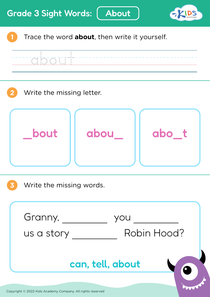
Alphabetical understanding Grade 3 Worksheets
3 filtered results
-
From - To
Enhance your Grade 3 students' alphabetical understanding with our expertly designed worksheets! These engaging resources help children master alphabetic order, recognize letter patterns, and reinforce their vocabulary skills. Each worksheet incorporates fun activities and prompts that make learning enjoyable, ensuring that students stay motivated as they develop essential organizational skills. Perfect for teachers and homeschooling parents, our worksheets can be easily printed and utilized in the classroom or at home. Support your third graders' literacy journey and build their confidence in navigating the alphabet with our comprehensive and interactive alphabetical understanding worksheets. Start making learning fun today!
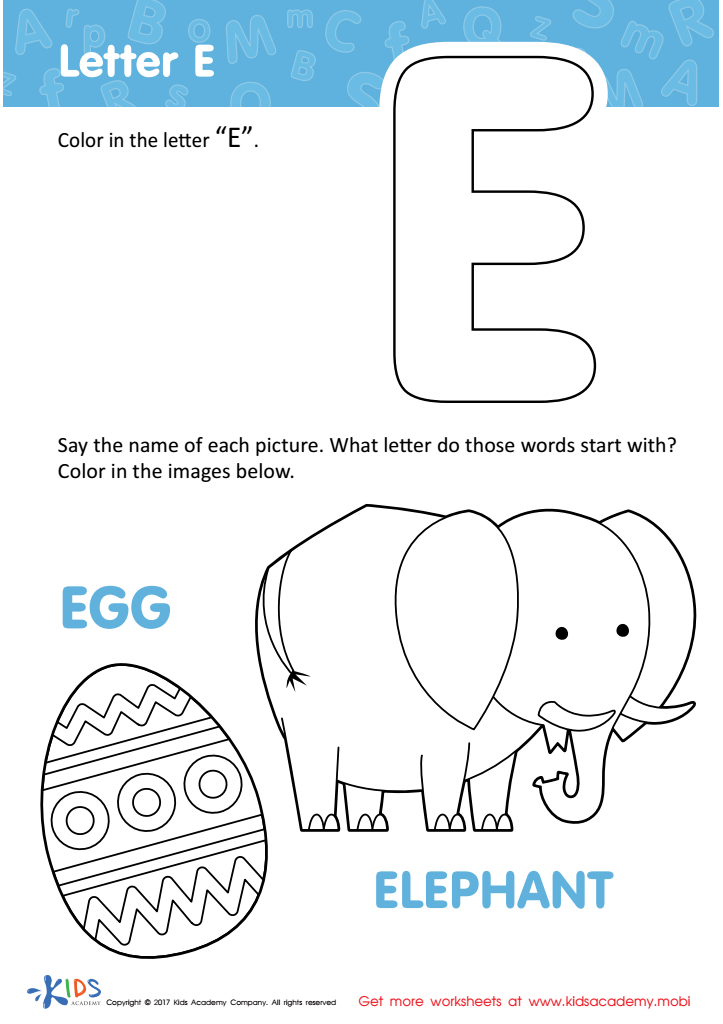
Letter E Coloring Sheet
 Assign to My Students
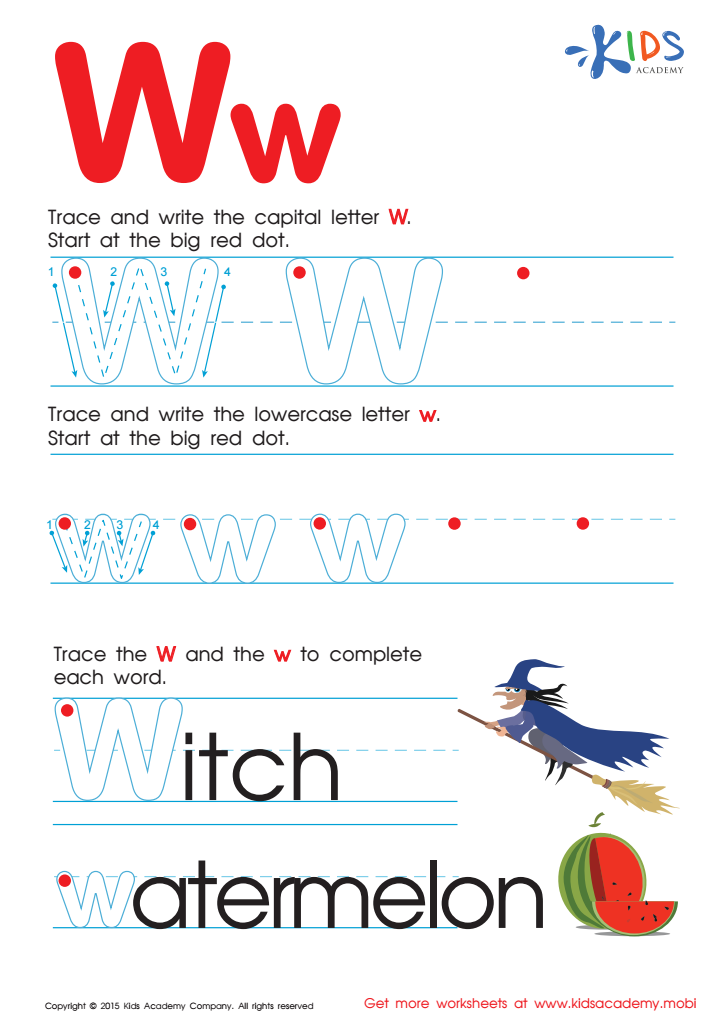
Letter W Tracing Page
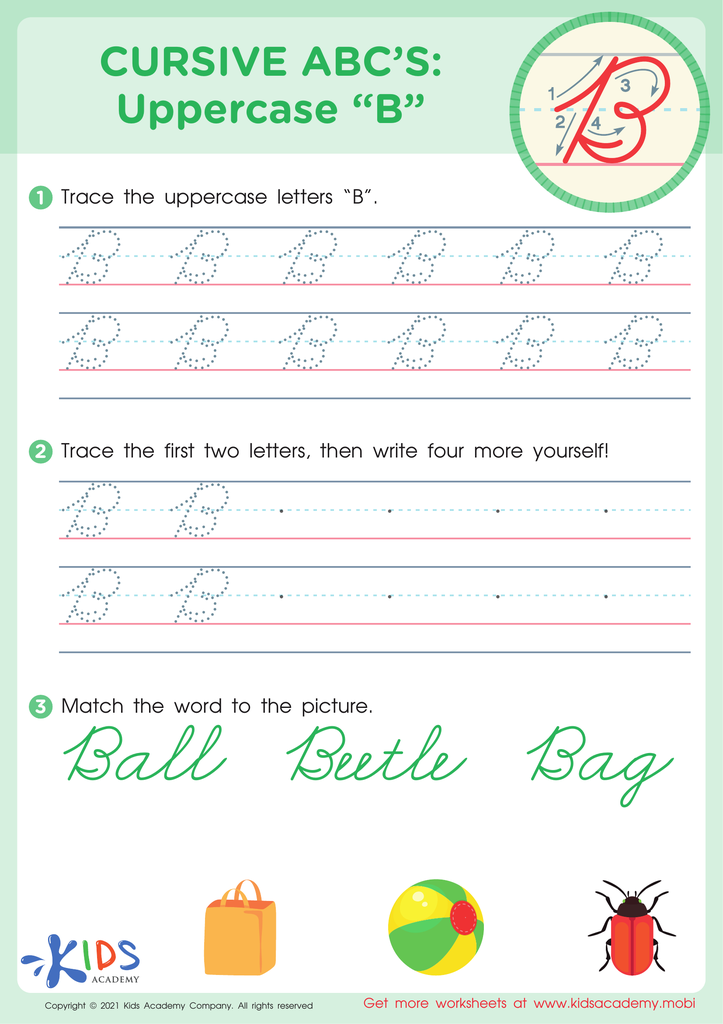
Cursive ABCs: Uppercase B





Alphabetical understanding is critical for third graders as it lays the groundwork for reading fluency and comprehension. At this stage, students transition from learning to read to reading to learn. A strong grasp of the alphabet helps them decode unfamiliar words, which strengthens their vocabulary and confidence.
Parents and teachers should care about this developmental milestone because reading proficiency is closely tied to academic success across all subjects. If students struggle with basic letter recognition and phonics, they may face challenges in more complex material as they advance in their studies. Furthermore, effective reading skills encourage a love for literature, which can foster greater intellectual curiosity and critical thinking.
Involvement from both parents and teachers can significantly enhance a child's alphabetical understanding. Engaging in fun, alphabet-related activities at home or in the classroom, such as phonics games, reading together, or exploring words in context, can solidify these essential skills. By nurturing a strong foundation in alphabetical understanding, we can empower children to become confident readers who can navigate not just their education, but life beyond the classroom. Essentially, fostering these skills is an investment in a child's future learning and success.