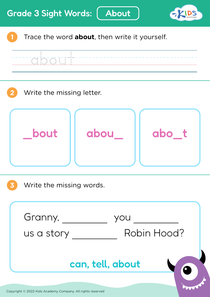
Enhance critical thinking Grade 3 Worksheets
3 filtered results
-
From - To
Enhance critical thinking with our Grade 3 worksheets designed to foster analytical skills and promote problem-solving. Tailored for young learners, these engaging activities encourage students to think outside the box, make connections, and explore various perspectives. From intriguing puzzles to thought-provoking scenarios, our worksheets stimulate curiosity and promote creativity. Ideal for classroom use or at-home learning, these resources help students develop essential cognitive skills that are vital for academic success. Increase your child's confidence and abilities in critical thinking with our thoughtfully crafted worksheets, making learning both fun and effective! Explore and download now to support your third grader’s educational journey!
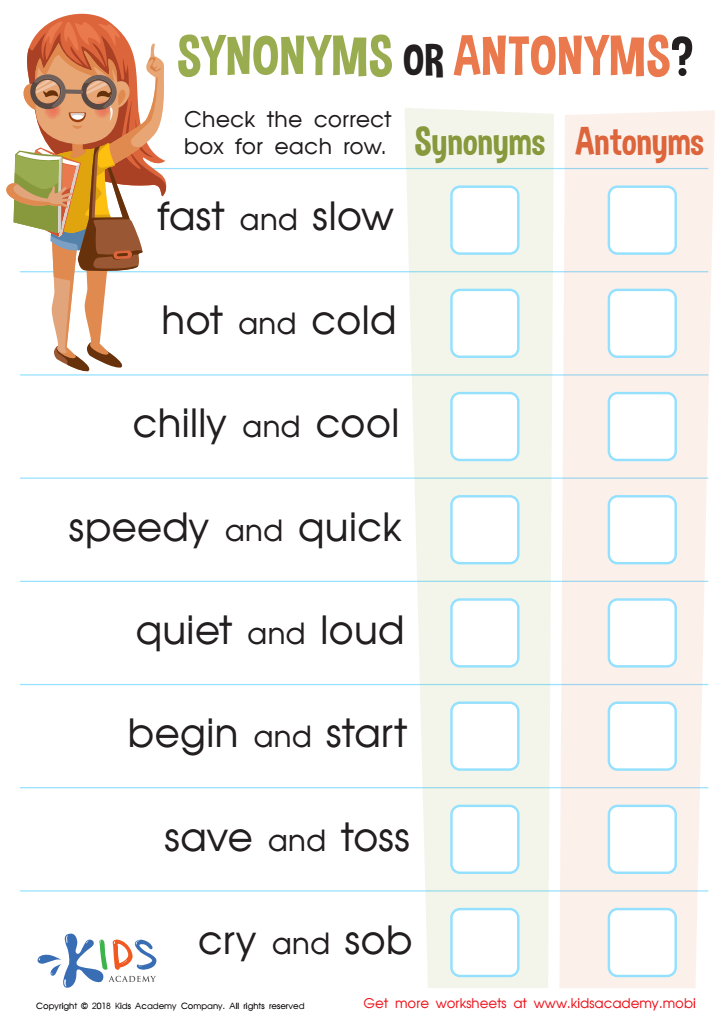
Synonyms or Antonyms: Assessment Worksheet
 Assign to My Students
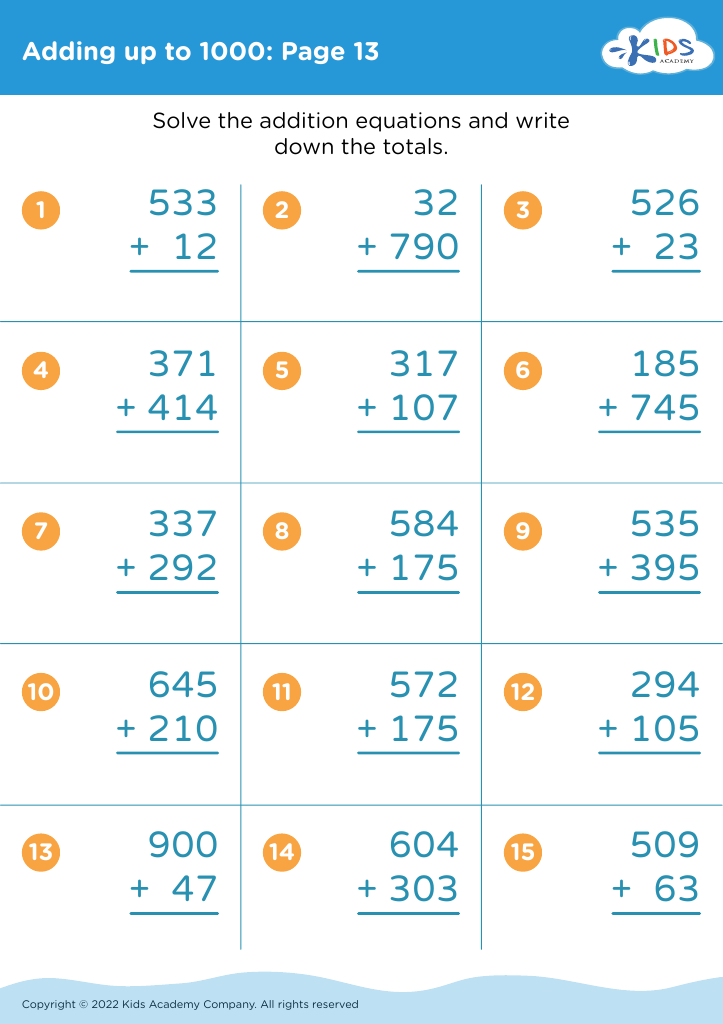
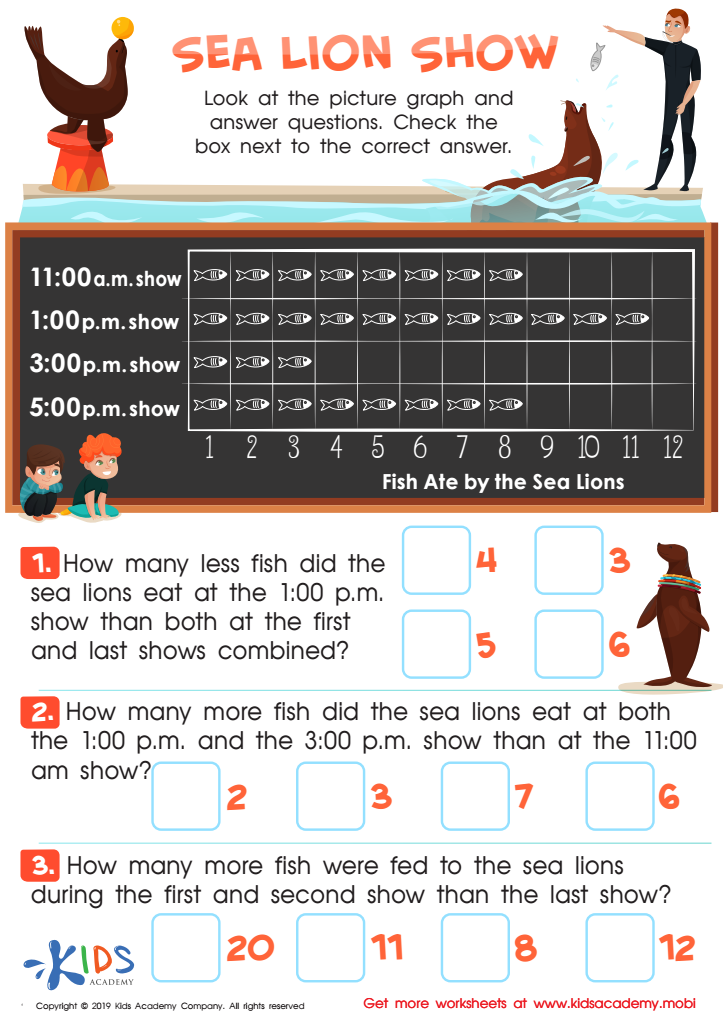
Sea Lion Show Worksheet








Enhancing critical thinking skills in Grade 3 is crucial for parents and teachers as it lays the foundation for a child's academic and personal development. At this age, children begin to transition from concrete to more abstract thinking, exploring complex ideas and relationships. By fostering critical thinking, educators and parents help children develop the ability to analyze, evaluate, and synthesize information, making them better problem solvers.
Critical thinking equips students with the skills to make informed decisions, encouraging curiosity and a love of learning. It enables young learners to ask questions, consider various viewpoints, and articulate their thoughts clearly—skills essential for effective communication and collaboration. As children engage in critical thinking activities, they build confidence, resilience, and independence, essential traits for future academic pursuits and life challenges.
Moreover, fostering critical thinking prepares children for a rapidly changing world. In an era where information is abundant, distinguishing between credible and misleading information is vital. By emphasizing critical thinking in Grade 3, parents and teachers not only enhance academic performance but also prepare children to become thoughtful, engaged citizens capable of contributing positively to society. Such skills are essential for navigating future challenges and helping build a more informed and thoughtful generation.