Hand-eye Coordination Grade 3 Worksheets - Page 2
35 filtered results
-
From - To
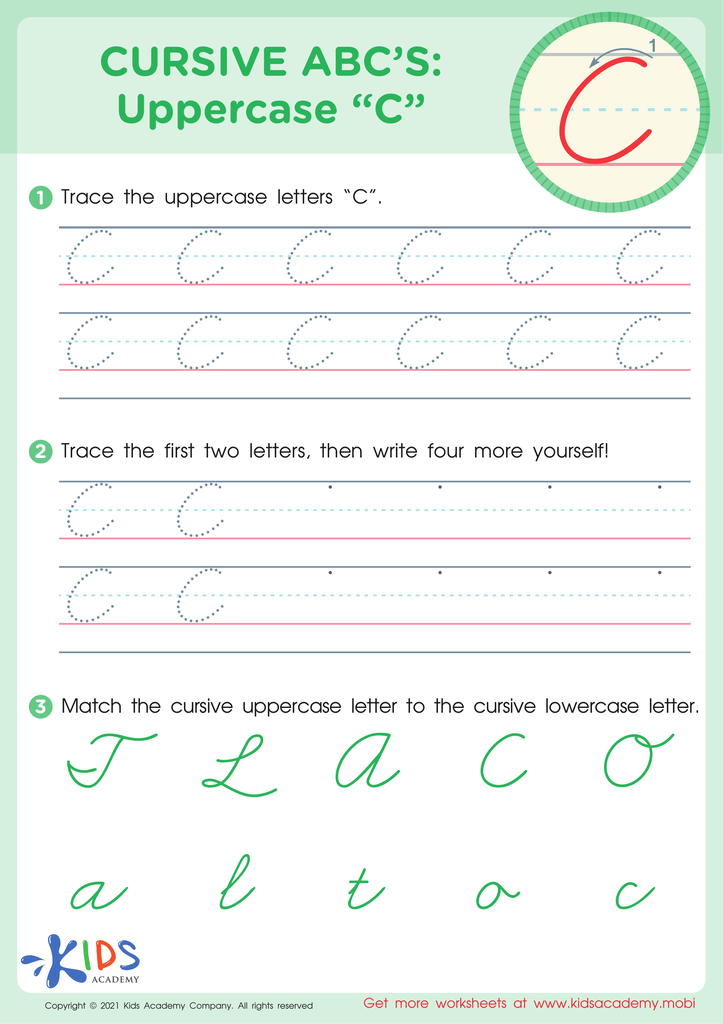
Cursive ABCs: Uppercase C
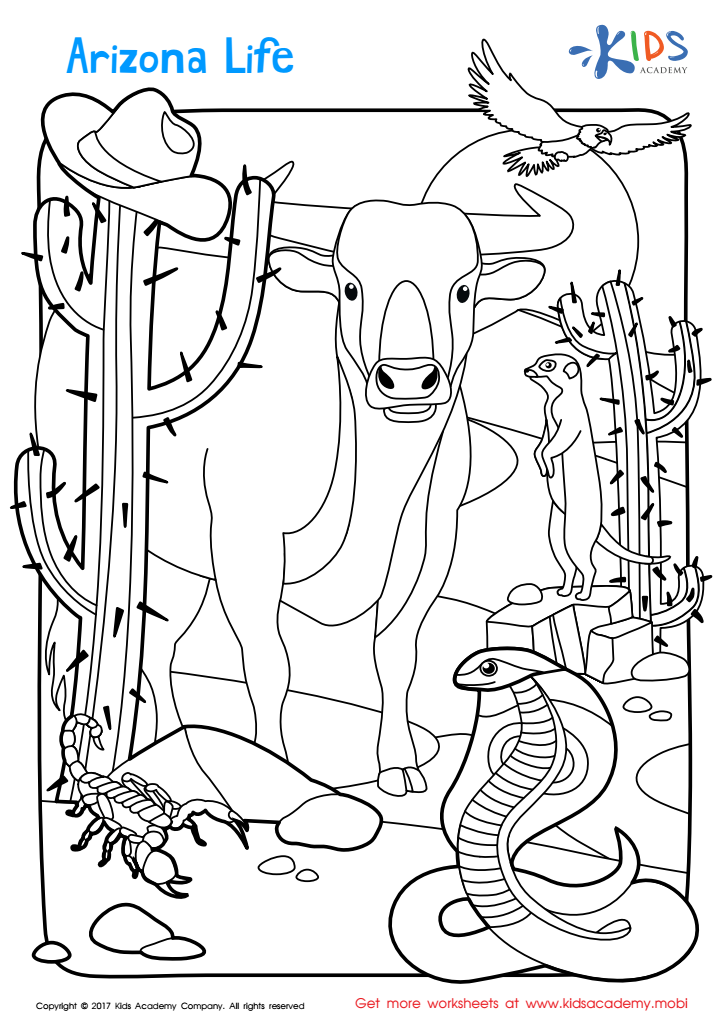
Arizona Coloring Page Worksheet
 Assign to My Students
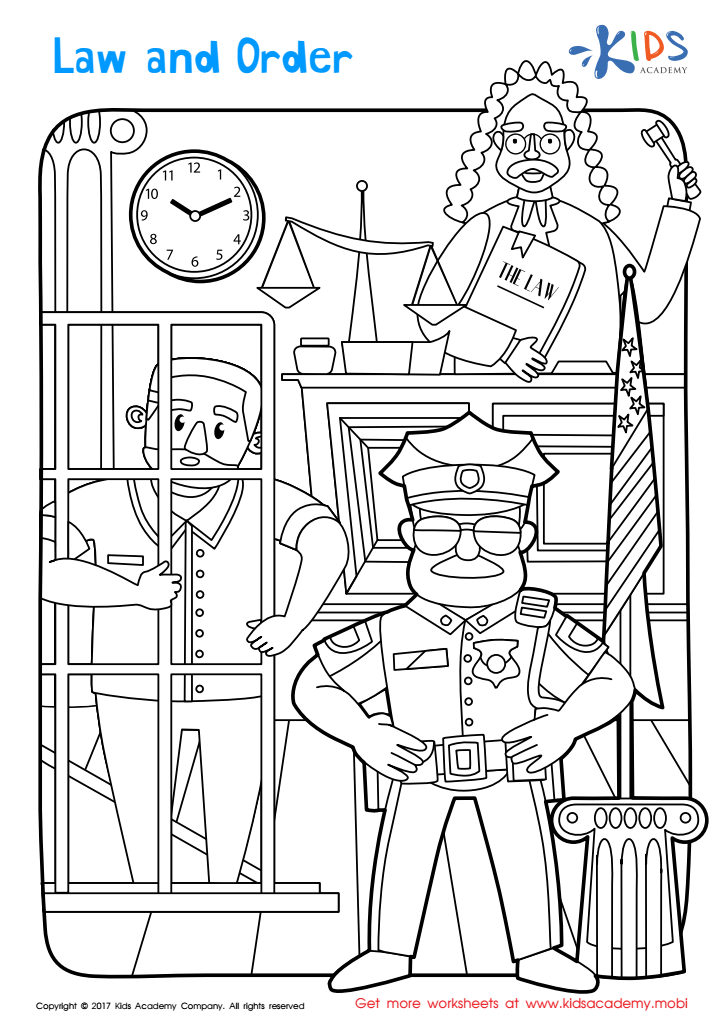
Law and Order Coloring Page Worksheet
Assign to My Students
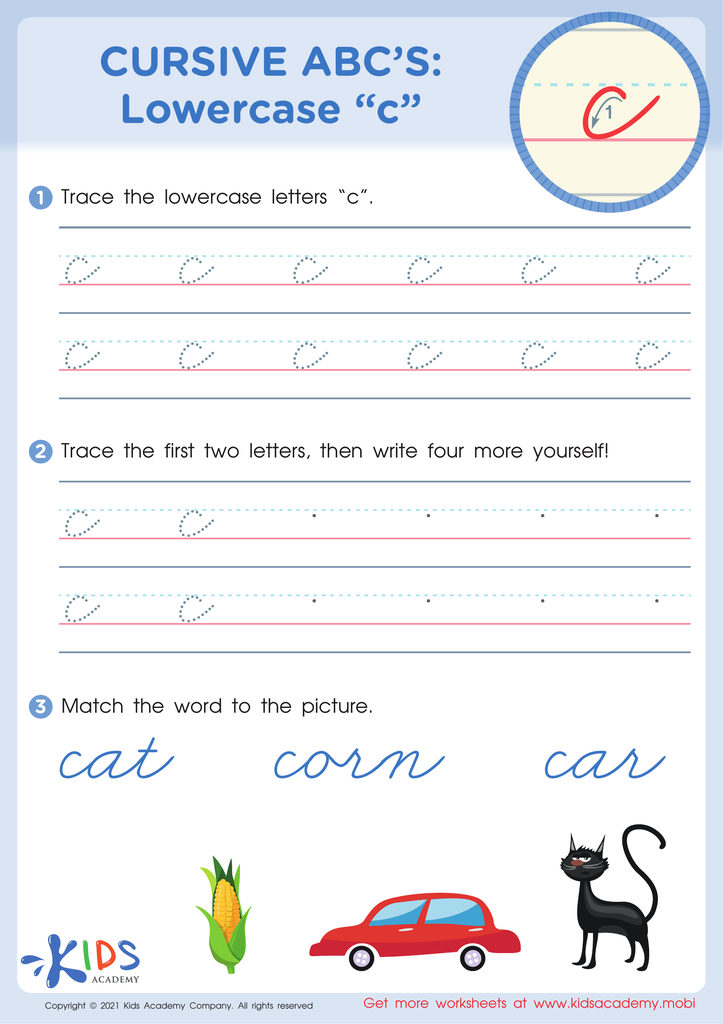
Cursive ABCs: Lowercase c
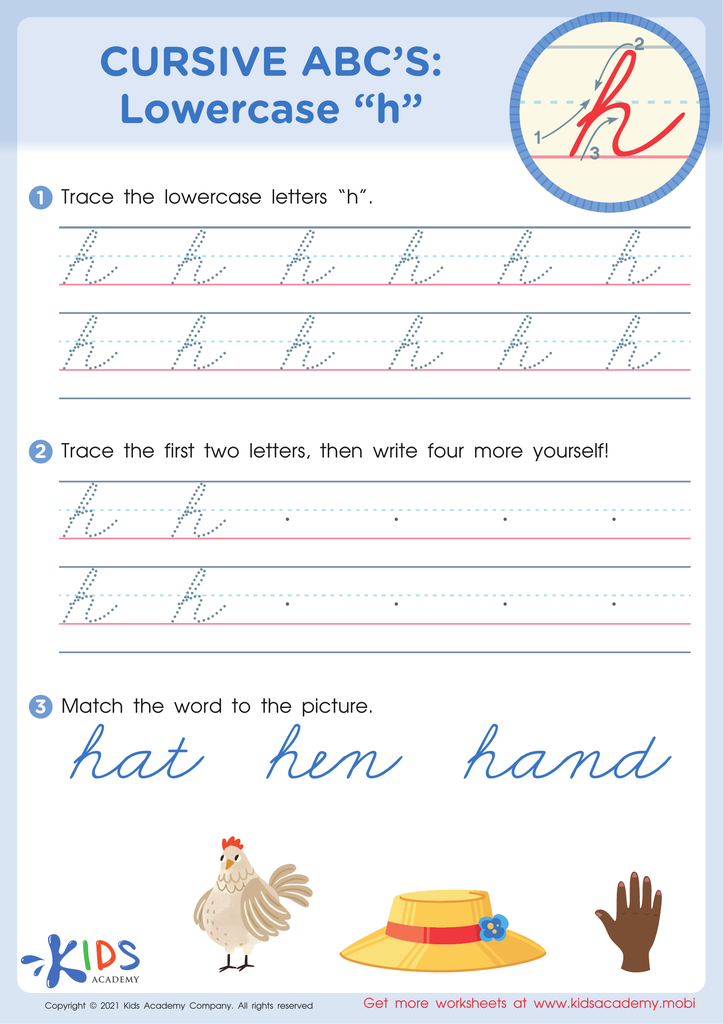
Cursive ABCs: Lowercase h
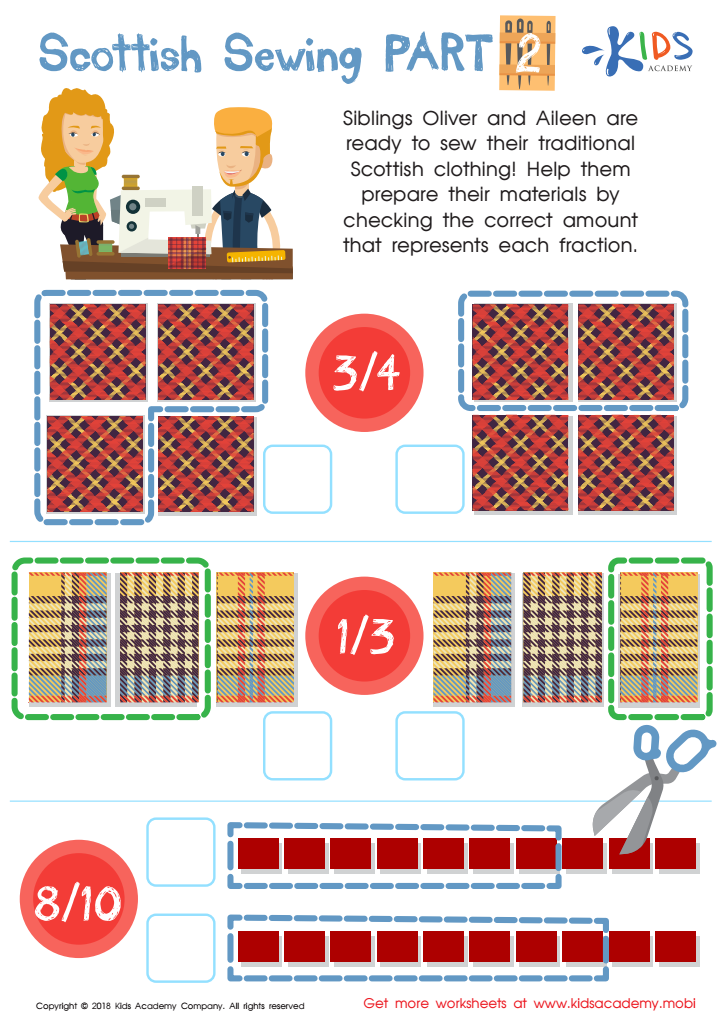
Scottish Sewing Part 2 Worksheet
Tower Coloring Page
Assign to My Students
Long and Short E Worksheet
Assign to My Students

Letter D Tracing Page
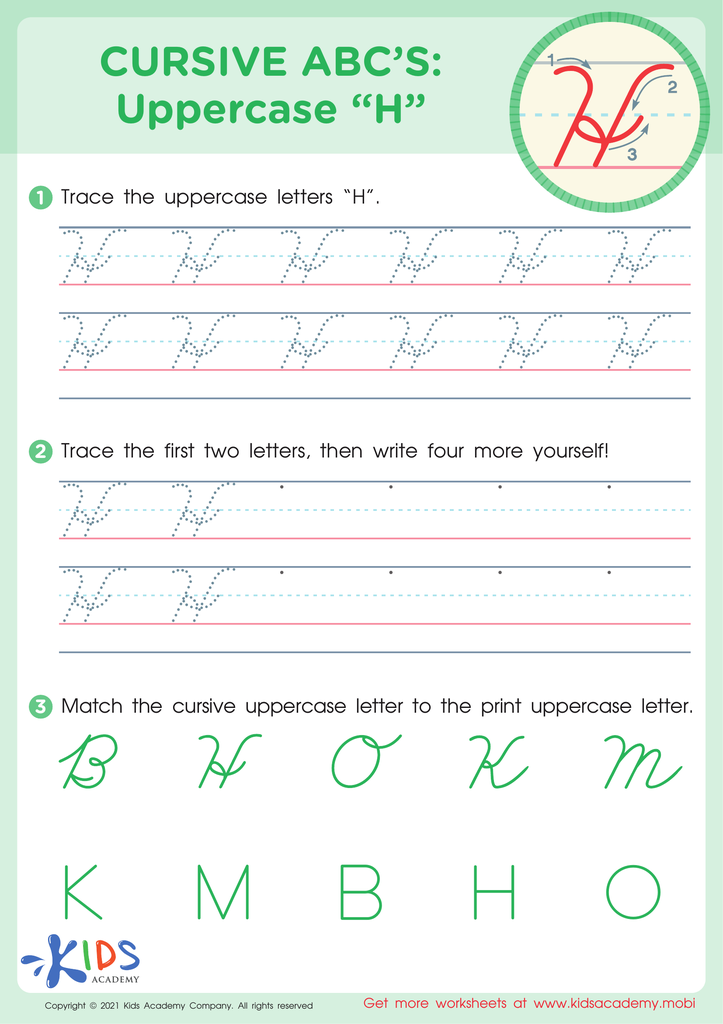
Cursive ABCs: Uppercase H


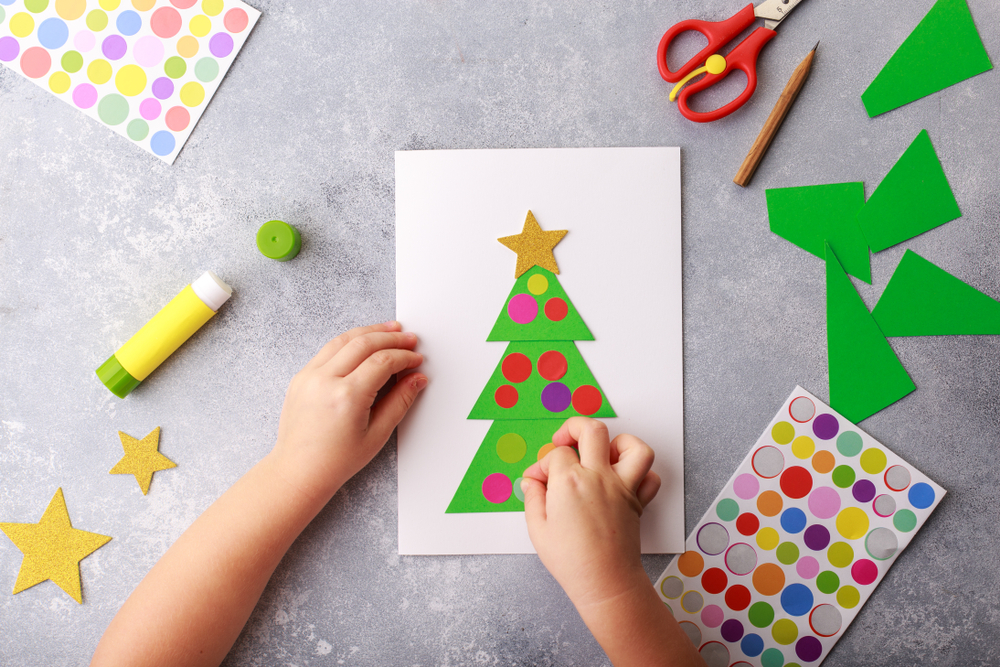


Hand-eye coordination is a fundamental skill essential for children's development, especially in Grade 3, where academics become more rigorous, and physical activities are abundant. This coordination involves the ability to synchronize visual input with motor actions, enabling children to perform tasks efficiently, from writing and drawing to playing sports.
Parents and teachers should care about developing this skill because it significantly impacts a child's overall learning and physical capabilities. Strong hand-eye coordination helps improve fine motor skills important for writing and crafting, setting the groundwork for academic success. Furthermore, it can bolster a child's confidence in participating in physical activities, encouraging teamwork, sportsmanship, and social interaction.
Additionally, good hand-eye coordination aids in problem-solving and critical thinking as children engage in activities like puzzles, building blocks, and various games. These activities promote cognitive growth and assessment of cause-and-effect relationships.
Supporting the development of hand-eye coordination in Grade 3 encourages a well-rounded education, combining academic achievement with physical health. By focusing on this skill, parents and teachers not only enhance children's learning experiences but also help cultivate balanced individuals who are prepared for future challenges, both in academic and life settings.