Improve vocabulary Grade 3 Worksheets
5 filtered results
-
From - To
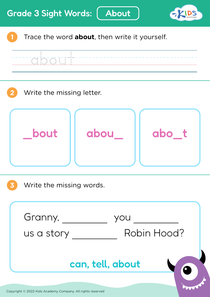
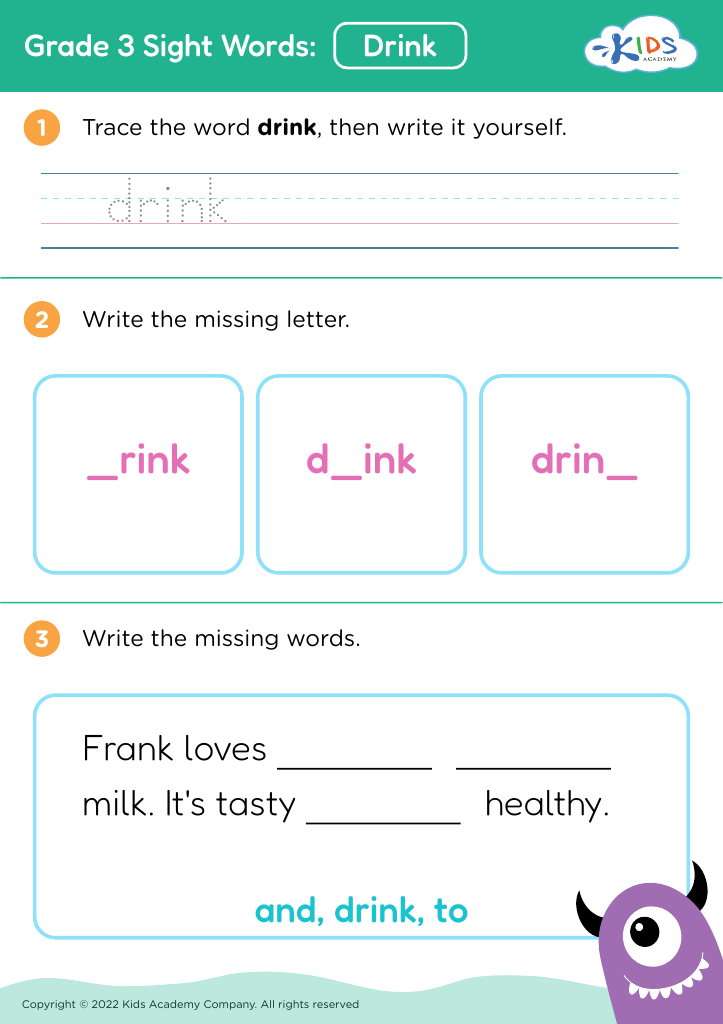
Enhance your child's vocabulary with our engaging Grade 3 worksheets designed to make learning fun! These carefully crafted activities focus on expanding word knowledge and understanding word meanings, enabling students to express themselves more effectively. From matching words with definitions to filling in the blanks and using context clues, our worksheets cater to diverse learning styles. Each exercise promotes critical thinking while reinforcing essential vocabulary skills. Perfect for homeschoolers, classroom use, or extra practice at home, our Grade 3 vocabulary worksheets are a valuable resource for young learners to boost their confidence and excel in their literacy skills. Explore now and empower your child's language journey!
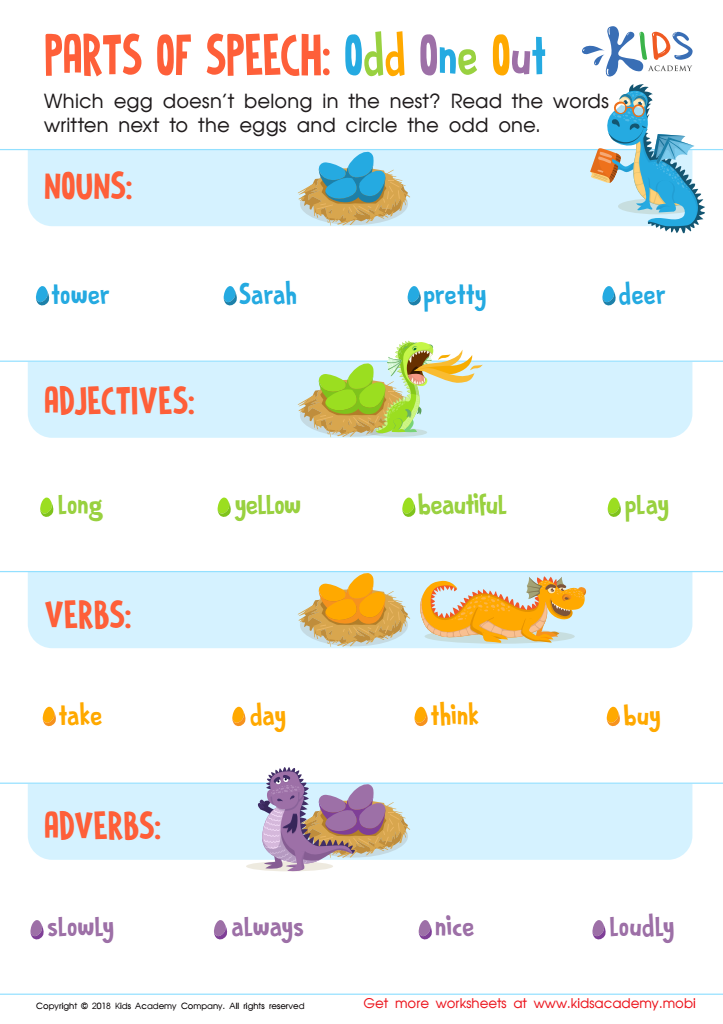
Parts of Speech: Odd One Out Worksheet
 Assign to My Students
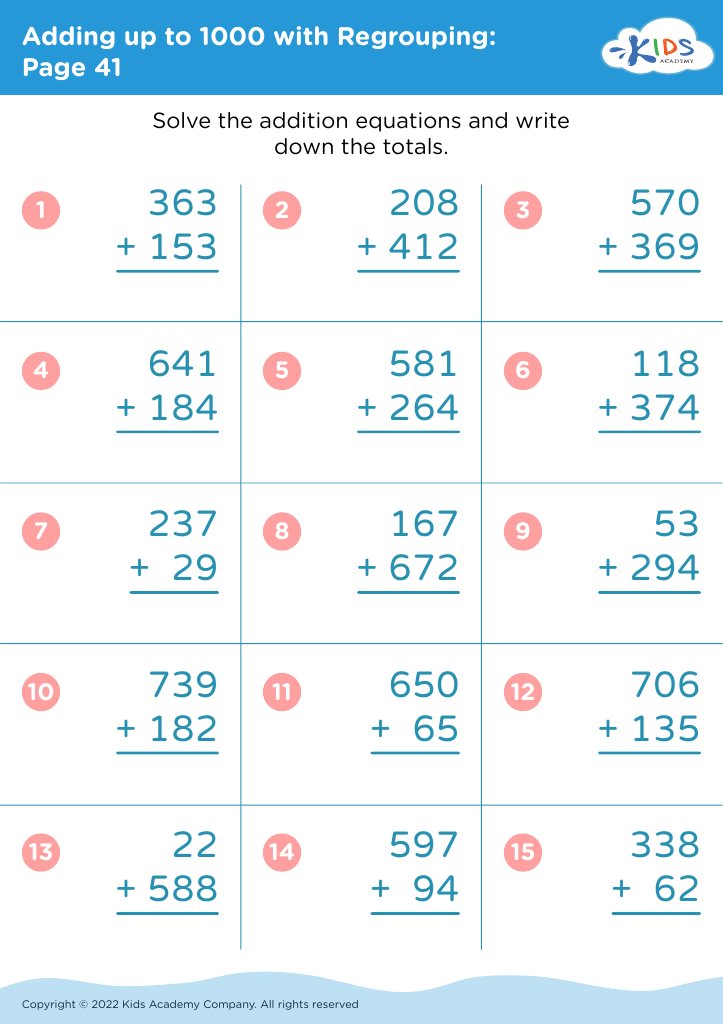
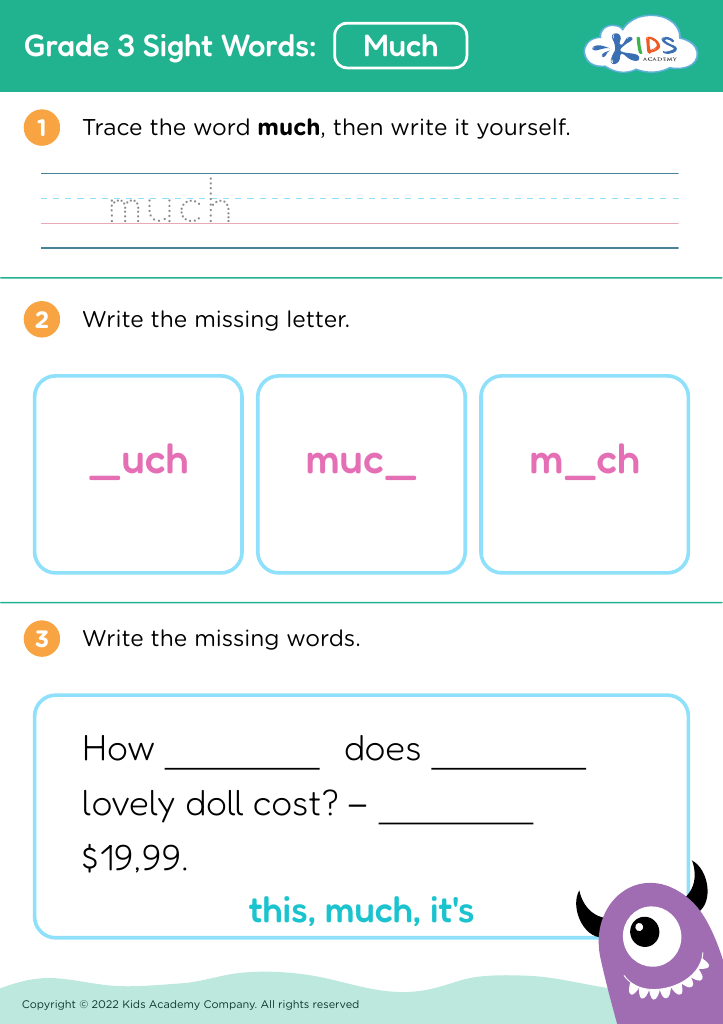








Improving vocabulary in Grade 3 is crucial for both parents and teachers because it lays the foundation for literacy and overall academic success. At this age, children are transitioning from learning to read to reading to learn. A robust vocabulary enhances comprehension, enabling students to understand and engage with more complex texts. As they encounter diverse words, they can better articulate their thoughts and ideas, facilitating clearer communication.
Moreover, vocabulary acquisition is linked to cognitive development; children who possess a rich vocabulary are often better problem solvers and critical thinkers. For teachers, fostering vocabulary growth can lead to improved classroom discussions and student participation. Engaging in vocabulary-building activities, such as word games, storytelling, and reading together, creates an enriching environment for learning.
For parents, encouraging vocabulary improvement at home reinforces what children learn in school and invites a bond through shared reading experiences. It also empowers children to express themselves confidently and helps them navigate social interactions. In essence, investing in vocabulary development at this critical stage promotes lifelong learning skills, preparing children for future academic challenges and personal interactions. Ensuring that Grade 3 students have the vocabulary they need is an investment in their educational journey and overall development.