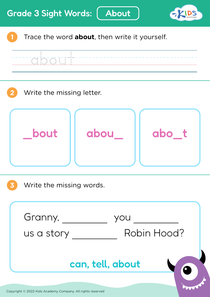
Letter Tracing Practice Grade 3 Worksheets
6 filtered results
Difficulty Level
Grade
Age
-
From - To
Subject
Activity
Standards
Our "Letter Tracing Practice Grade 3 Worksheets" are designed to help third graders enhance their handwriting skills with ease. These worksheets feature engaging and age-appropriate activities that are both fun and educational. Students will practice tracing and writing both uppercase and lowercase letters, helping to improve their penmanship and fine motor skills. With colorful designs and clear instructions, our worksheets keep young learners motivated and focused. Tailored to meet everyone’s needs, these resources provide the perfect blend of creativity and learning, ensuring your child develops confidence in their writing abilities while enjoying the process. Download now and see progress in their handwriting!
Favorites
With answer key
Interactive
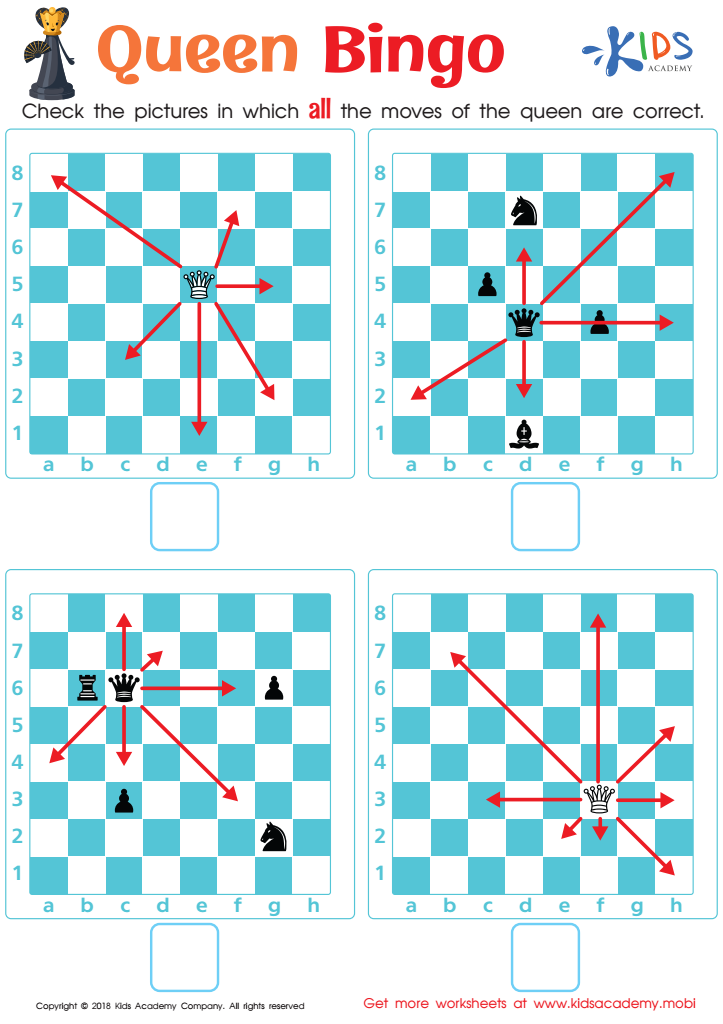
Queen Bingo Worksheet
Test your child's knowledge of chess rules and moves with this free worksheet! Kids look at four pictures and must decide if the queen moves are correct. This exercise helps hone your little one's chess skills!
Queen Bingo Worksheet
Worksheet
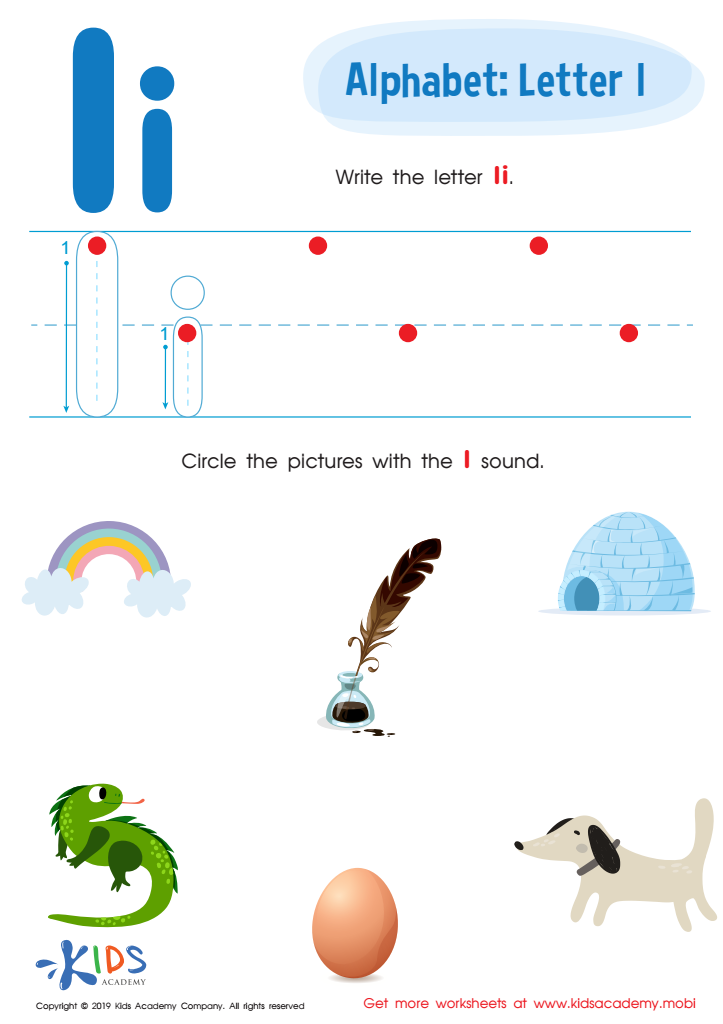
Letter I Tracing Worksheet
Kids can hone tracing, writing and identifying skills for the letter 'I' with this worksheet. Whether visual or reading/writing learners, every child can benefit from the tasks - tracing, writing and circling objects beginning with 'I'. This free sheet will soon get preschoolers confident with the 'I' letter!
Letter I Tracing Worksheet
Worksheet
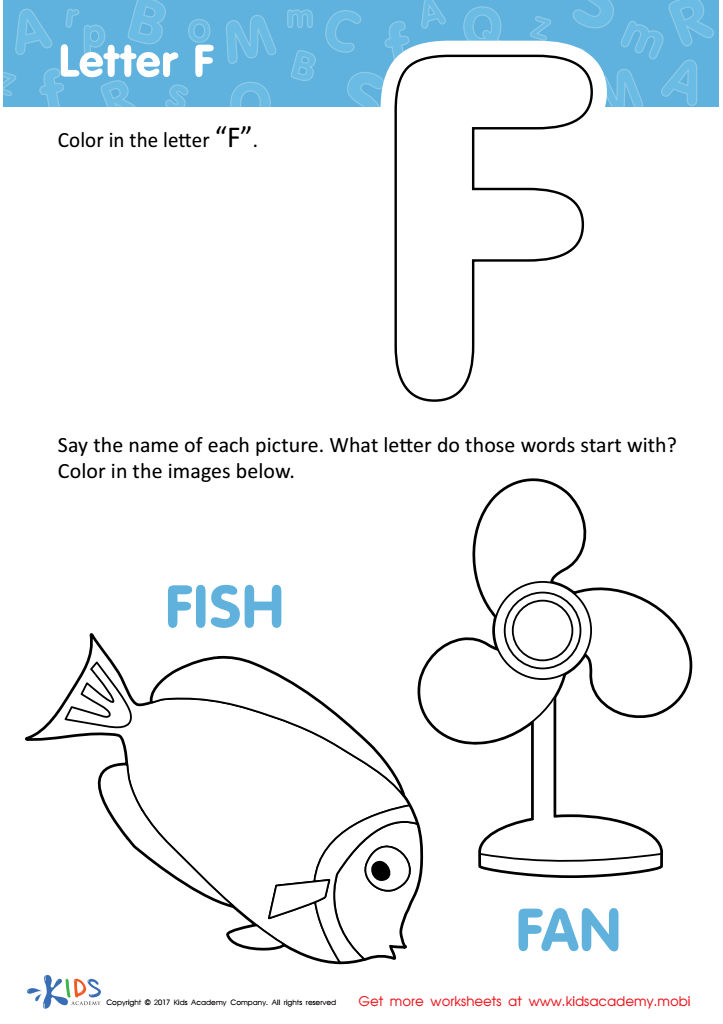
Letter F Coloring Sheet
Coloring pages help kids learn to recognize letters and sounds. Our "F" page has kids color a fish and a fan. It's a great way to introduce them to the letter "F" using words they already know.
Download (PDF)
 Assign to My Students
Assign to My Students
Letter F Coloring Sheet
Worksheet
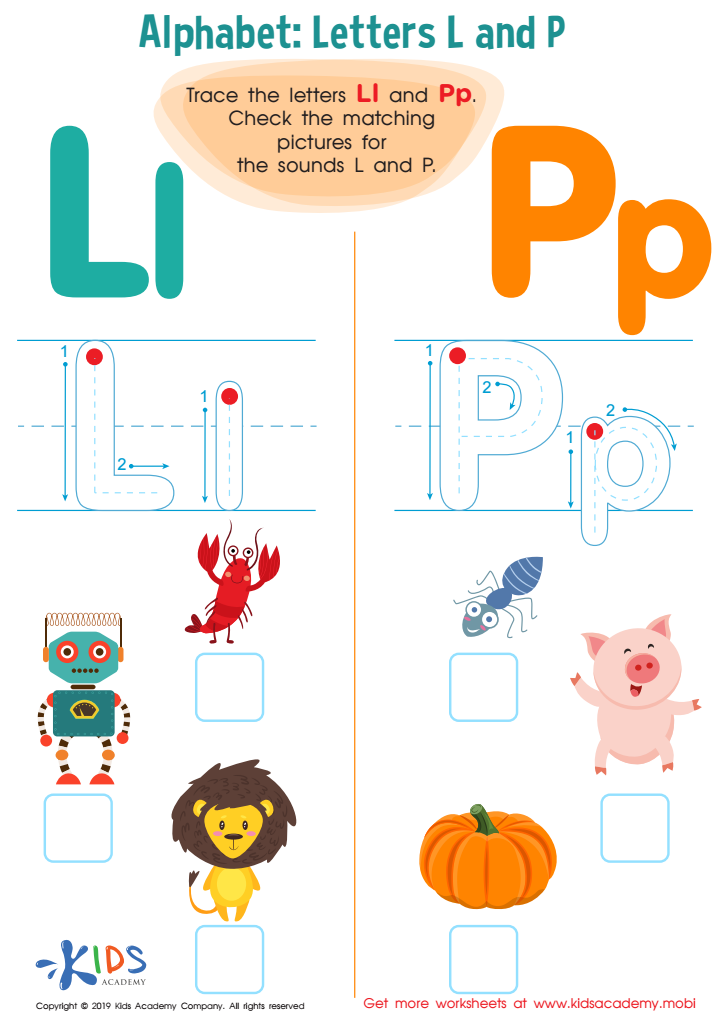
Letter L and P Tracing Worksheet
This traceable worksheet can motivate your students to learn and practice core skills. They'll trace the letters 'L' and 'P' and identify the pictures next to them. With this exercise, they'll unlock their learning abilities and excel in the subject!
Letter L and P Tracing Worksheet
Worksheet
Join Kids Academy for Free
Who is primarily going to use this learning content?






Letter tracing practice is a fundamental activity that significantly impacts a child’s educational development, particularly for third graders transitioning from early patterns of learning to more advanced skills. At this stage, refining motor skills and reinforcing literacy are crucial. Parents and teachers should prioritize letter tracing because it strengthens the fine motor abilities needed for precise and legible handwriting. This foundation not only ensures that children can express their thoughts clearly but also reduces frustration associated with poor handwriting that may impede academic performance and confidence.
Additionally, letter tracing enhances letter recognition and spelling skills. As children repeatedly trace letters, cognitive connections between shapes and sounds are reinforced, aiding in the development of reading abilities and phonemic awareness. Furthermore, this repeated practice serves as a building block for more complex writing tasks, fostering an appreciation for neat, structured, and effective communication.
Engaging in letter tracing activities also promotes focus and patience, critical executive function skills needed in various facets of life and learning. Overall, investing time in letter tracing practice in grade 3 sets the stage for future academic success and nurtures essential lifelong skills in literacy and cognitive development. This conscientious effort has a ripple effect, supporting overall well-rounded growth for the child.