Map reading skills Grade 3 Worksheets
5 filtered results
-
From - To
Enhance your third grader's understanding of geography with our engaging "Map Reading Skills Grade 3 Worksheets." Designed to foster essential skills, these worksheets introduce students to reading different types of maps, interpreting symbols, and understanding directions. Our interactive activities help develop critical thinking and spatial awareness while making learning fun. Perfect for both classroom and home use, these resources cater to diverse learning styles and challenge young minds as they explore their surroundings. Download our printable worksheets today to give your child the tools they need to confidently navigate maps and enhance their overall map-reading proficiency!
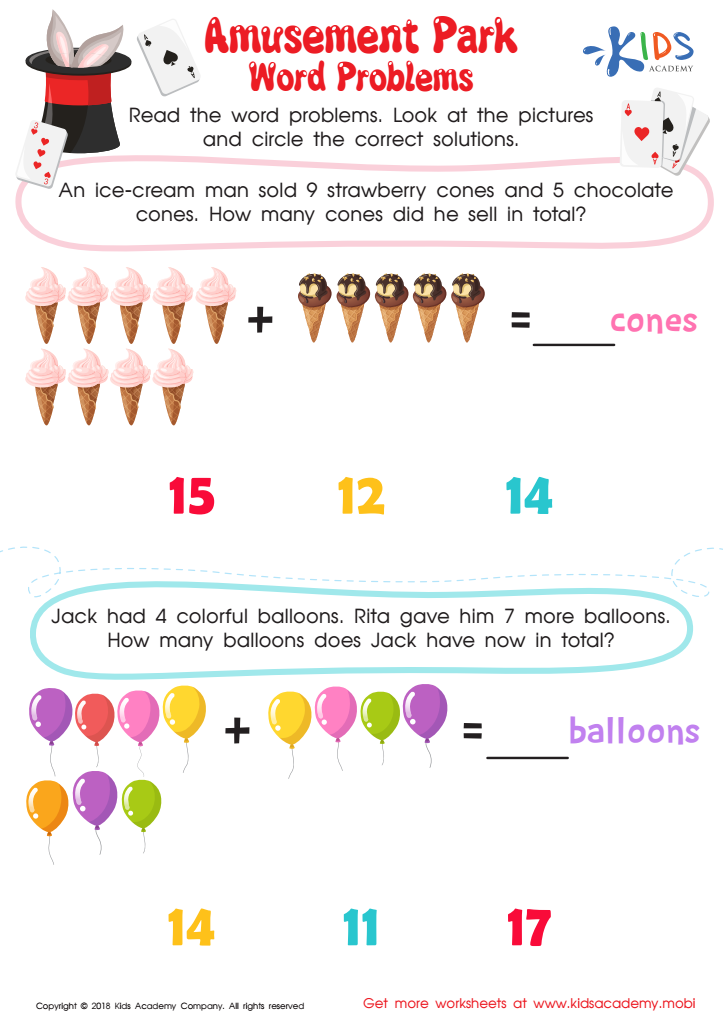
Amusement Park Word Problems Worksheet
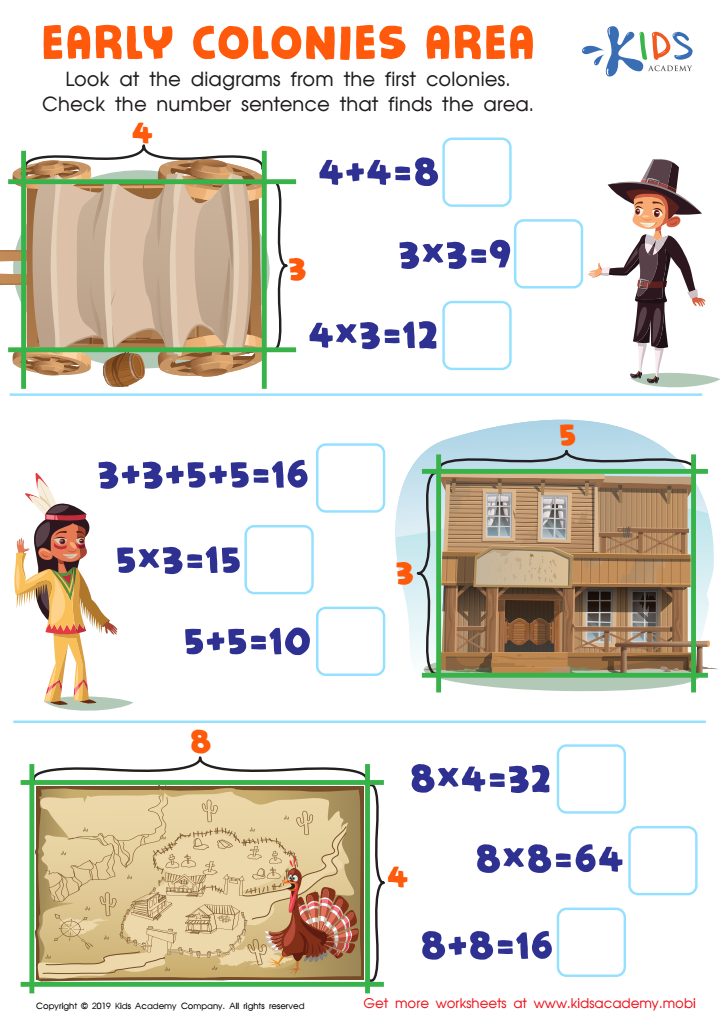
Early Colonies Area Worksheet
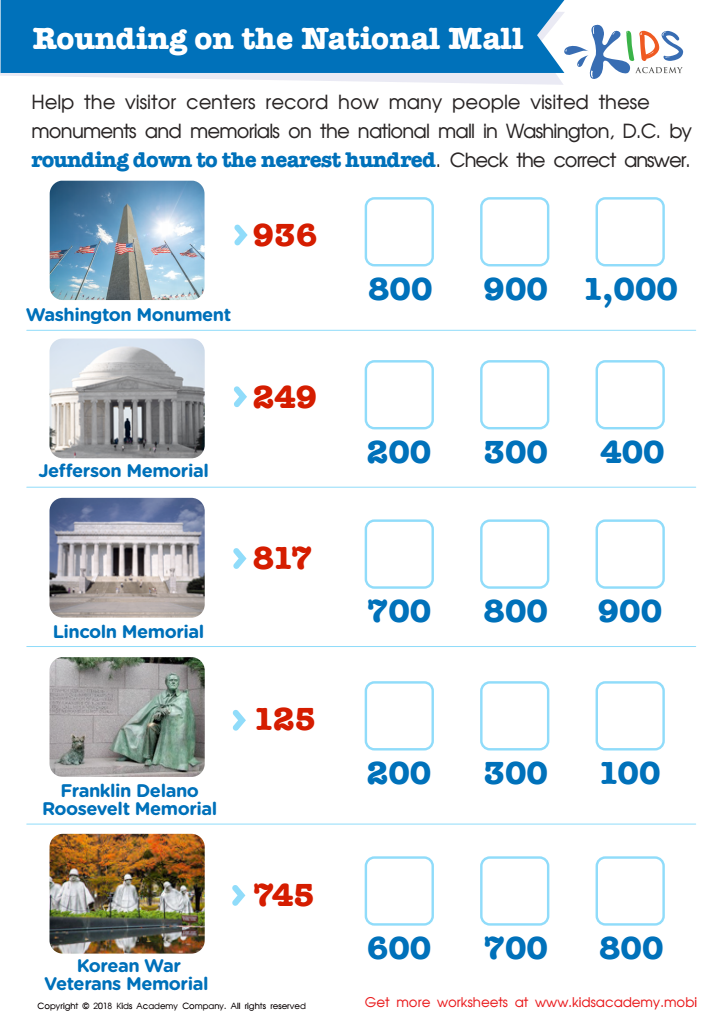
Rounding on the National Mall Worksheet
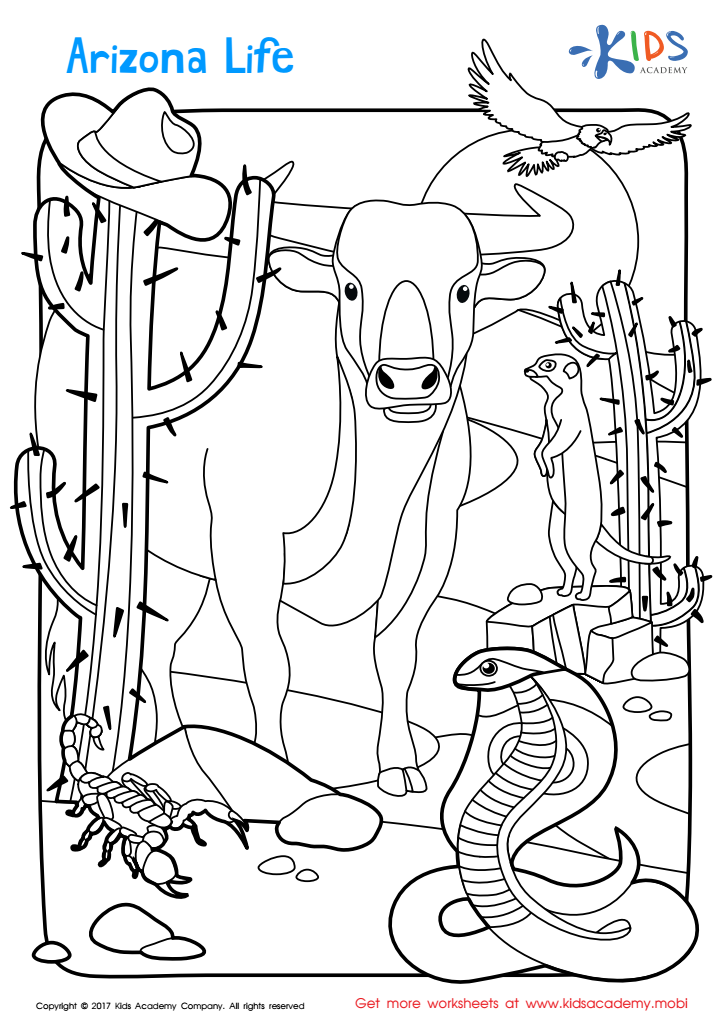
Arizona Coloring Page Worksheet
 Assign to My Students
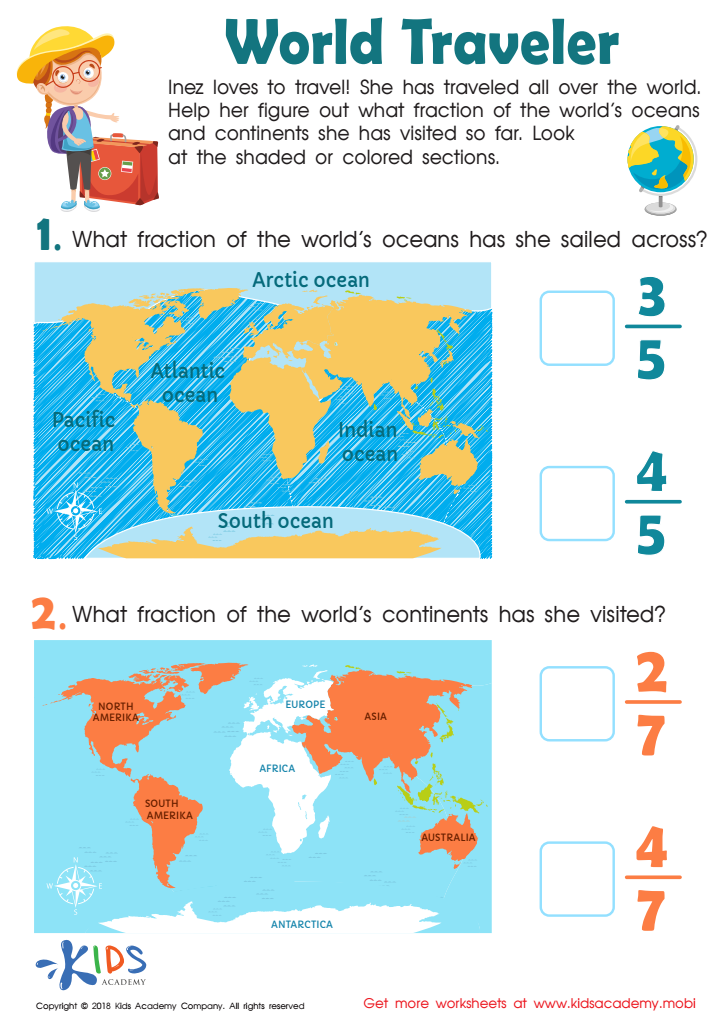
World Traveler Worksheet






Map reading skills are essential for third-grade students as they lay the foundation for critical thinking, spatial awareness, and geographical literacy. For parents and teachers, fostering these skills is important because it helps children navigate their world more effectively. Understanding maps enhances a child’s ability to interpret information, recognize symbols, and comprehend scale and direction, which are vital cognitive skills that support overall learning.
Additionally, map reading connects various subjects. It integrates elements of math (scales and coordinates), science (geographical features), and social studies (cultural and historical contexts). This multidisciplinary approach not only engages students but also makes learning more relevant and contextualized. As children analyze and interact with different types of maps—like physical, political, or thematic—they develop a better understanding of their environment and foster curiosity about the world.
Moreover, being adept at map reading promotes independence. It encourages children to explore their neighborhoods confidently and gives them the skills to choose their own paths, fostering a sense of responsibility and determination. Finally, in a world increasingly reliant on technology, having strong foundational skills in map reading ensures that students can adapt and thrive in different contexts, both digital and real-world.