Number Sequencing Grade 3 Worksheets
8 filtered results
-
From - To
Enhance your third grader's math skills with our engaging Number Sequencing Grade 3 Worksheets! Designed to help students understand the concepts of ordering numbers, these worksheets make learning fun and interactive. Students will practice identifying sequences, filling in missing numbers, and developing their skills in counting and numerical patterns. Our worksheets align with grade-level standards, ensuring your child gains confidence and proficiency in math. Perfect for classroom use or at-home practice, these resources foster critical thinking and problem-solving abilities. Download our printable worksheets today and support your child's journey towards mastering number sequencing while enjoying the learning process!
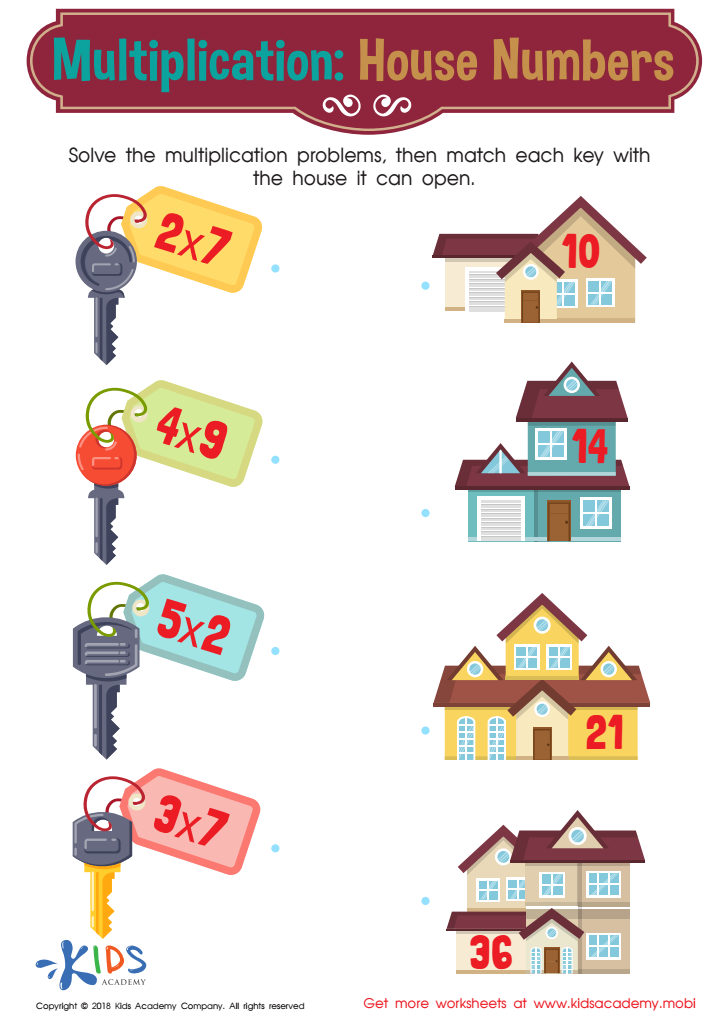
House Numbers Worksheet
 Assign to My Students
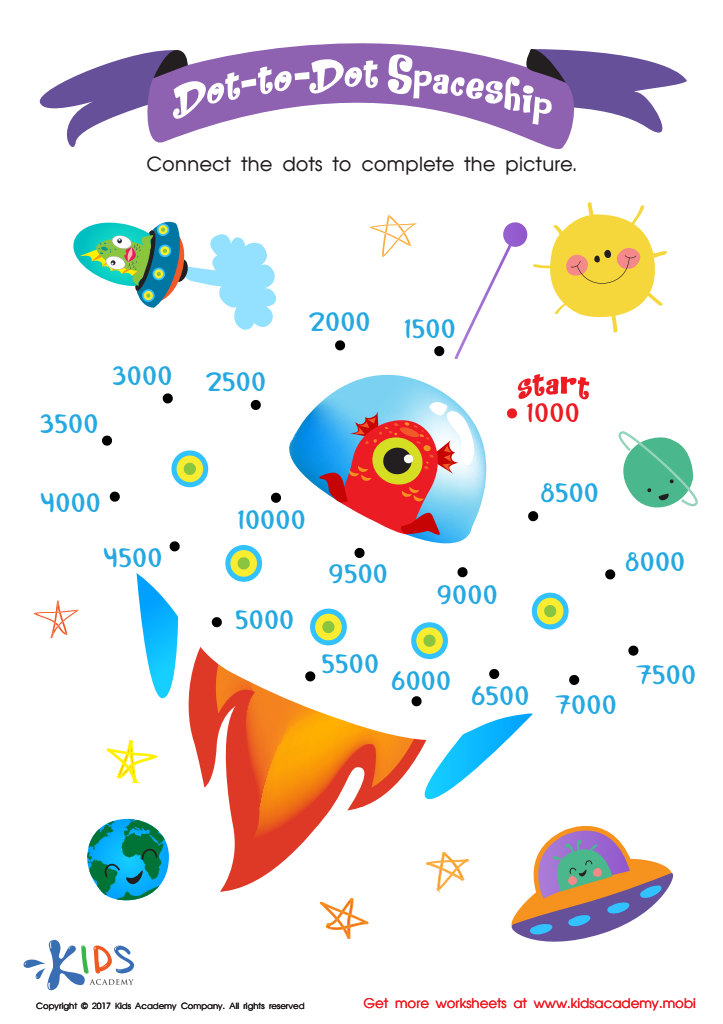
Dot to Dot Worksheet for 3rd Grade
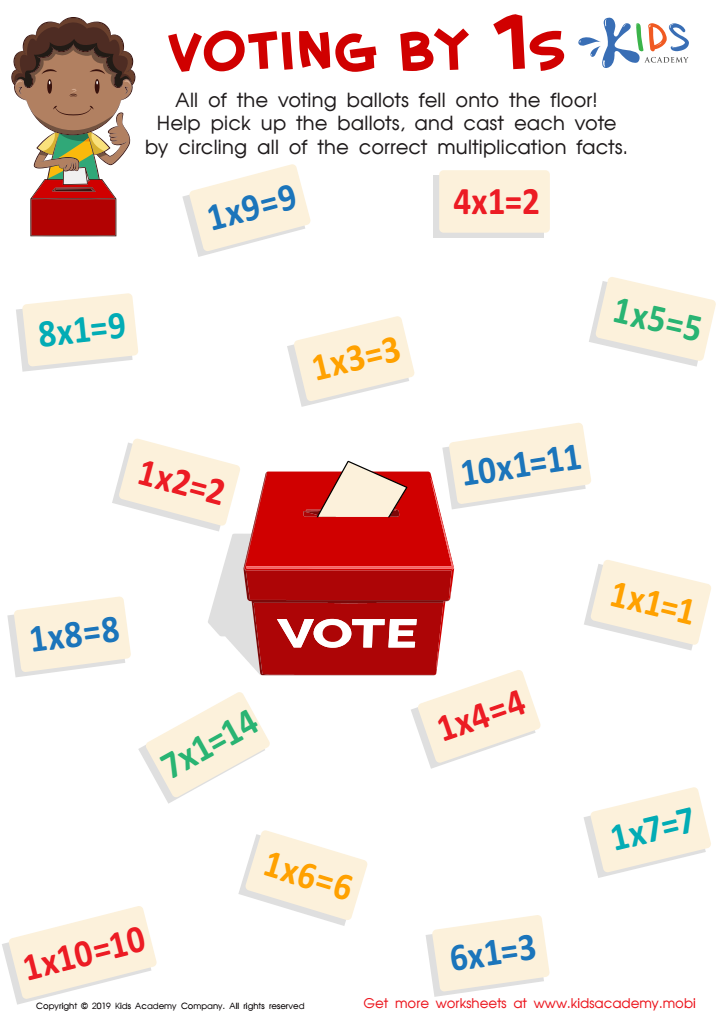
Voting by 1s Worksheet
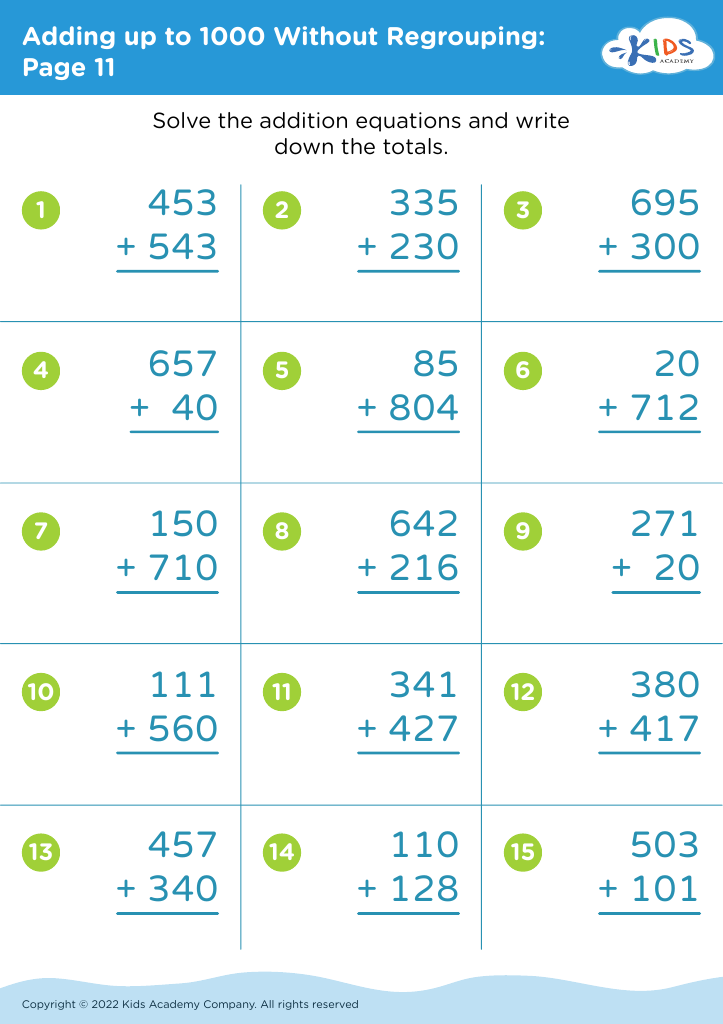








Number sequencing is a foundational skill in mathematics that plays a crucial role in a child's cognitive development, especially in Grade 3. At this stage, students move beyond basic counting and are expected to understand the order of numbers, recognize patterns, and develop problem-solving skills. Parents and teachers should care about number sequencing because it fosters critical thinking and enhances comprehension necessary for more complex mathematical concepts in the future.
Moreover, mastering number sequencing aids in the development of practical life skills, such as time management and organization. It encourages children to engage in logical reasoning and allows for better understanding in subjects that require sequencing, such as science (for example, in understanding the steps of an experiment) and reading (such as sequential storytelling).
Additionally, proficiency in number sequencing builds confidence in children, which is often impactful across various subjects. If children struggle with sequencing, they might experience frustration and disengagement in math and beyond. Therefore, it’s essential for parents and teachers to provide supportive learning environments that ensure children not only grasp the concept of sequencing numbers but can also apply it in real-life situational contexts, setting the stage for future academic success.