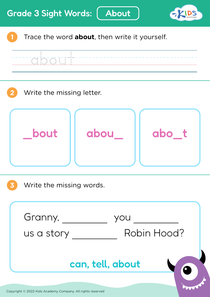
Practical application Grade 3 Worksheets
3 filtered results
-
From - To
Discover our engaging and educational Practical Application Grade 3 Worksheets, designed to enhance your child's learning experience. These worksheets focus on real-life scenarios, helping students apply their knowledge in mathematics, reading, and writing to everyday situations. With a mix of fun and challenging exercises, students will develop essential problem-solving skills and critical thinking abilities. Our user-friendly format allows for easy printing and integration into your teaching curriculum. Perfect for individual practice or group activities, these worksheets are an invaluable resource for third-grade teachers and parents dedicated to fostering a love of learning. Equip your child for success today!
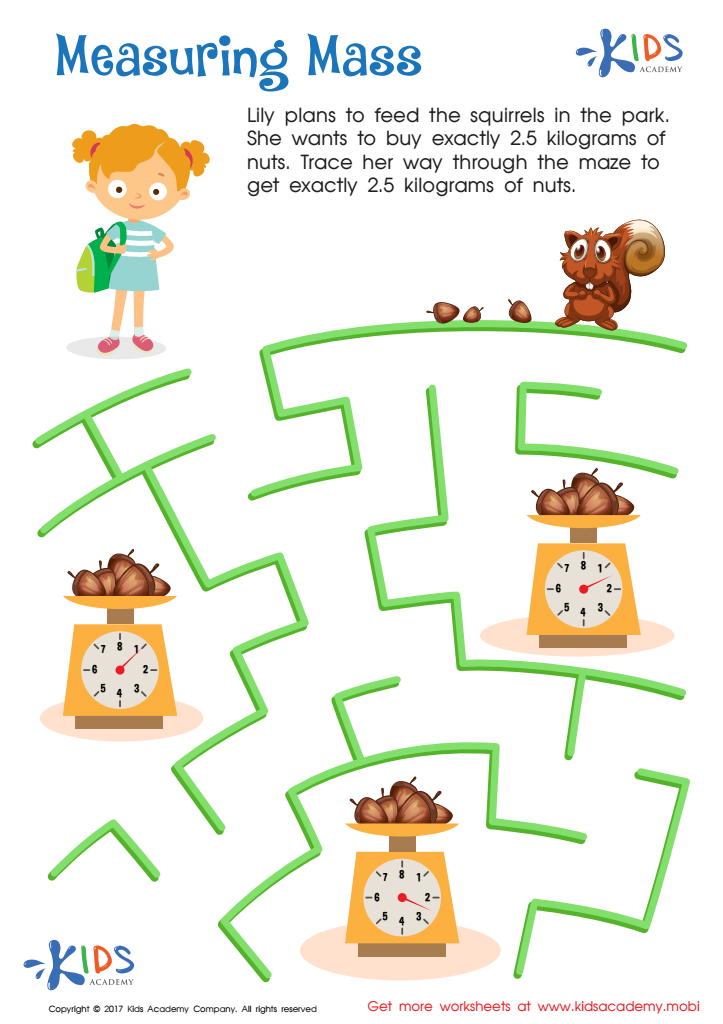
Measuring Mass Worksheet
 Assign to My Students
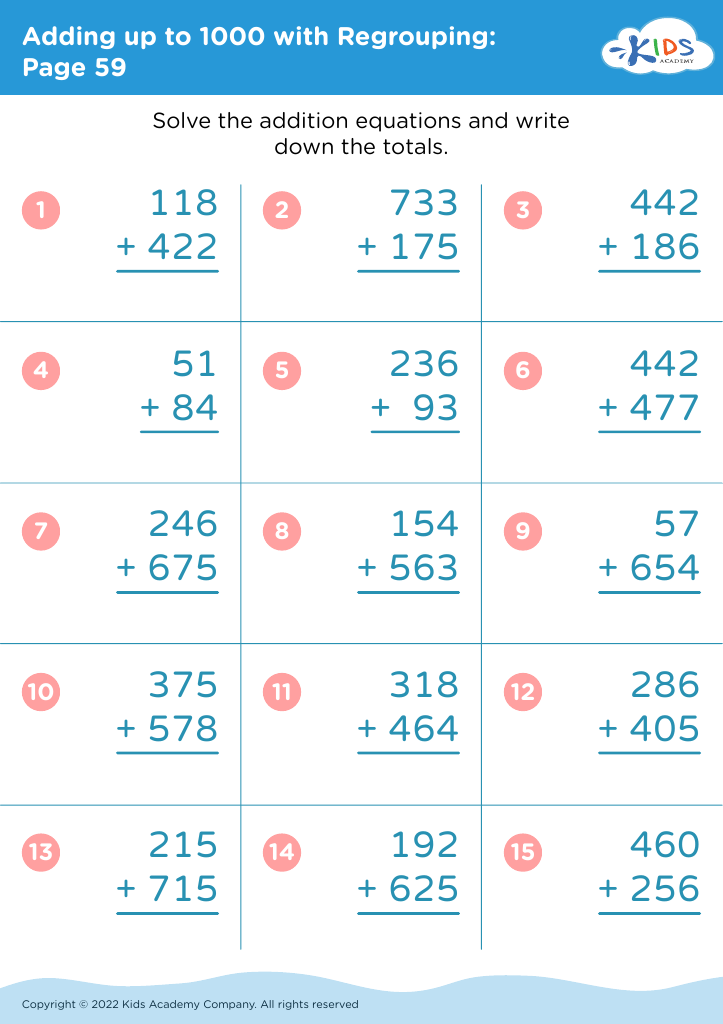
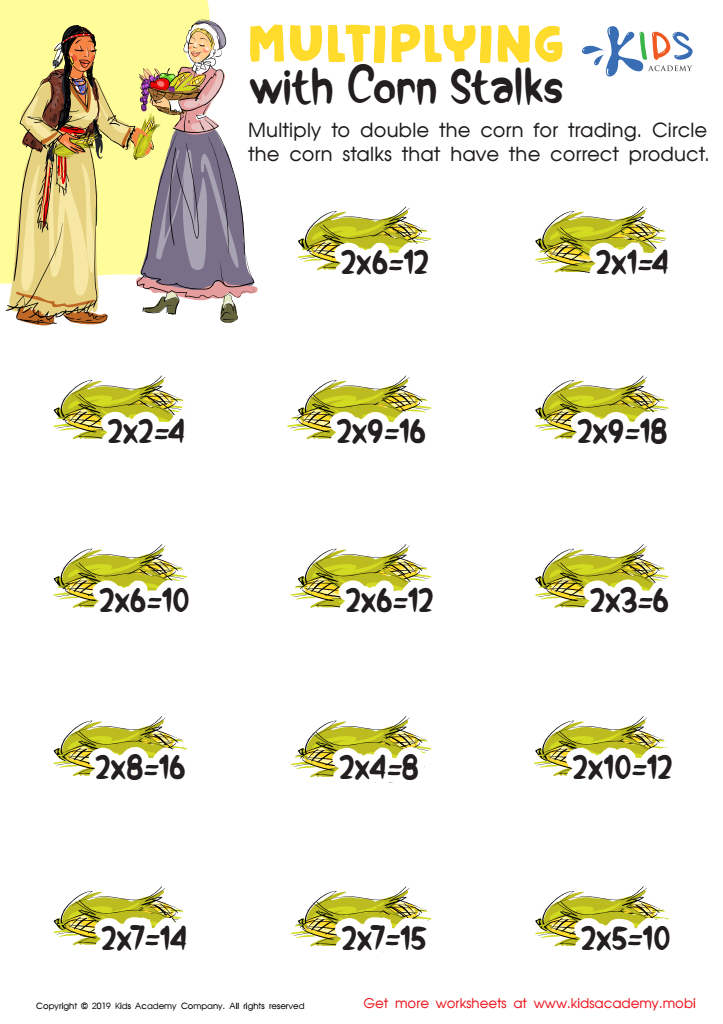
Multiplying With Corn Stalks Worksheet





Practical application in Grade 3 is crucial for both parents and teachers for several reasons. Firstly, this stage of education is pivotal for developing critical thinking and problem-solving skills. By engaging students in hands-on activities that apply theoretical knowledge, children can better understand concepts in subjects like math, science, and language arts. This not only makes learning more enjoyable but also fosters curiosity and a love for exploration.
Secondly, practical applications help students see the relevance of their learned skills in real-life situations. When they use what they’ve learned to tackle real-world problems, children become more motivated and engaged in their education. For instance, a simple cooking project can teach measurements, fractions, and chemistry, while outdoor experiments can reinforce environmental science lessons.
Moreover, practical application encourages collaboration and communication, allowing students to work in groups, thus enhancing their social skills and emotional intelligence. Parents and teachers play a vital role in nurturing these abilities. Parents should advocate for educational practices that emphasize experiential learning, while teachers should incorporate hands-on projects into their curricula. By prioritizing practical application, we lay a strong foundation for future learning while preparing students to navigate everyday challenges confidently.