Mathematical reasoning Grade 3 Addition and Subtraction Word Problems Worksheets
5 filtered results
-
From - To
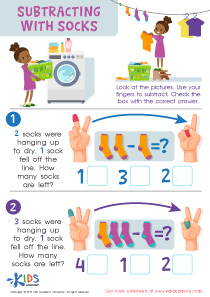
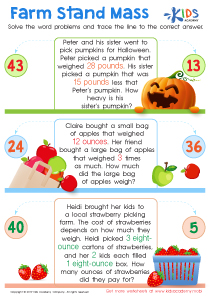
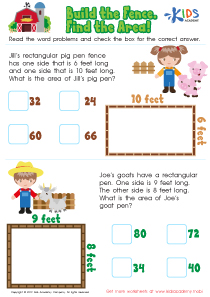
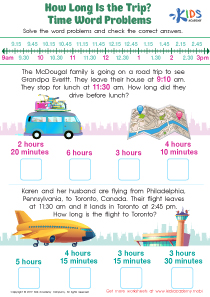
Enhance your third grader's mathematical reasoning skills with our engaging Addition and Subtraction Word Problems Worksheets! Designed to challenge young minds, these worksheets focus on real-life scenarios that require addition and subtraction to solve. Students will learn to analyze problems, develop solutions, and improve critical thinking. Each worksheet is aligned with grade-level standards, offering a variety of problems that cater to diverse learning styles. The colorful visuals and relatable contexts make learning enjoyable and effective. Perfect for classroom activities or at-home practice, these worksheets will help your child build confidence in their math abilities while mastering essential skills. Explore and download today!
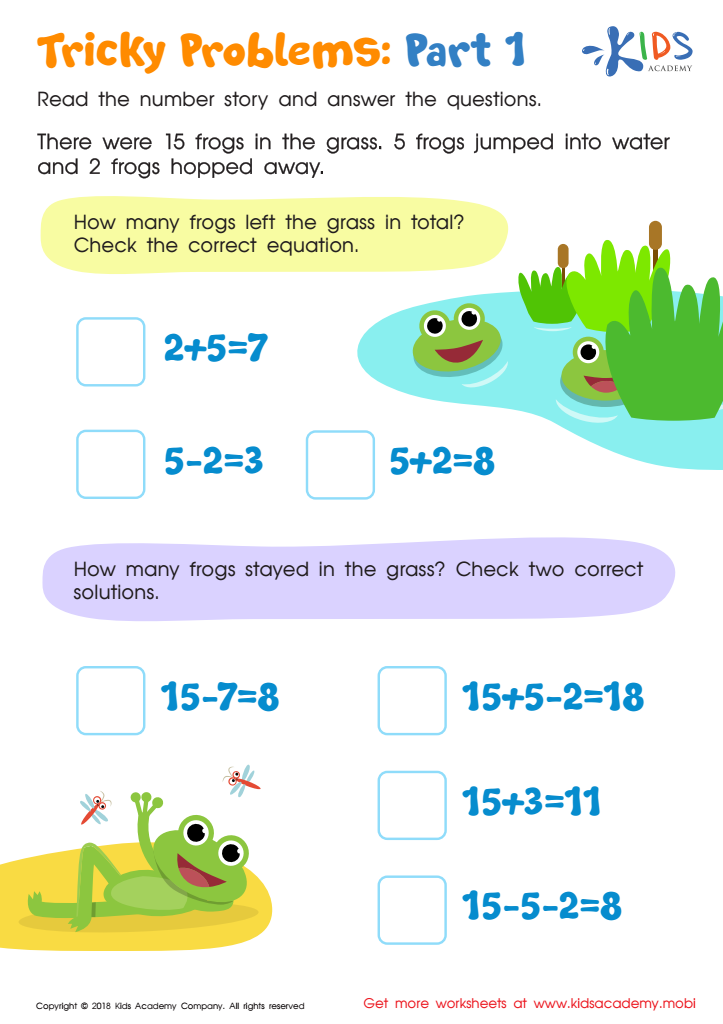
Tricky Problems Worksheet: Part 1
 Assign to My Students
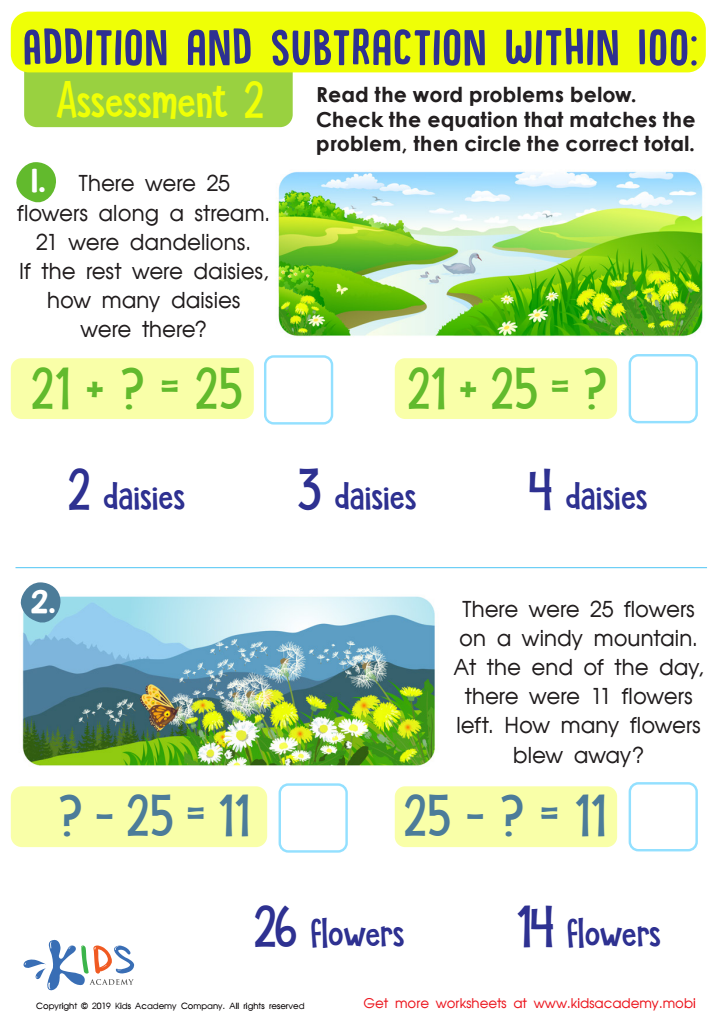
Assessment 2 Math Worksheet
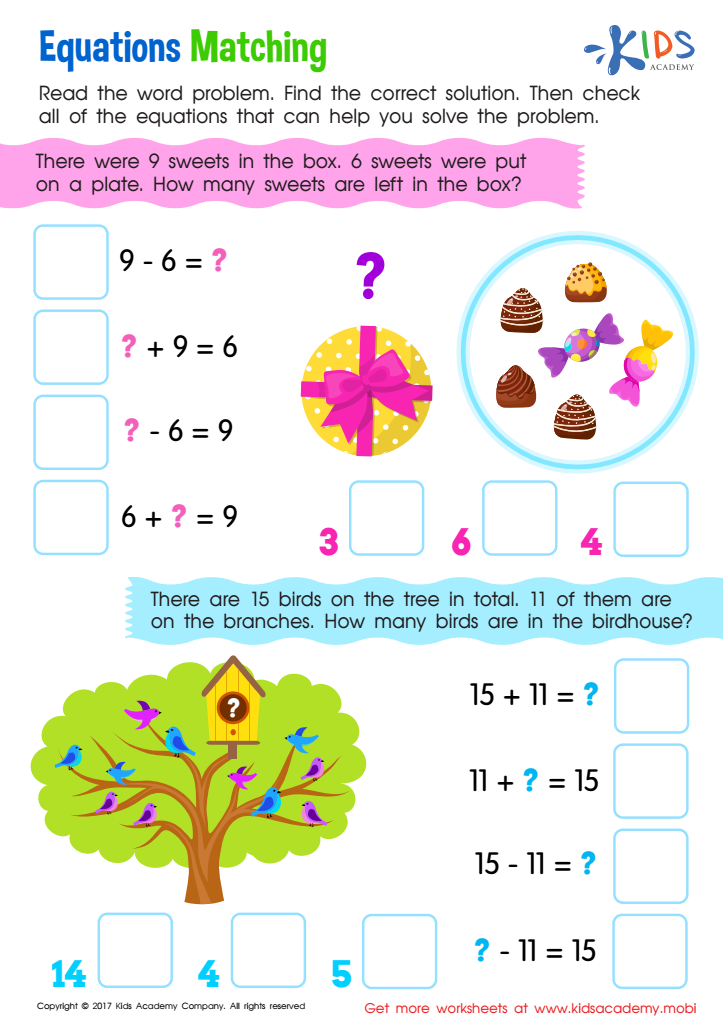
Equations Matching Word Problems Worksheet
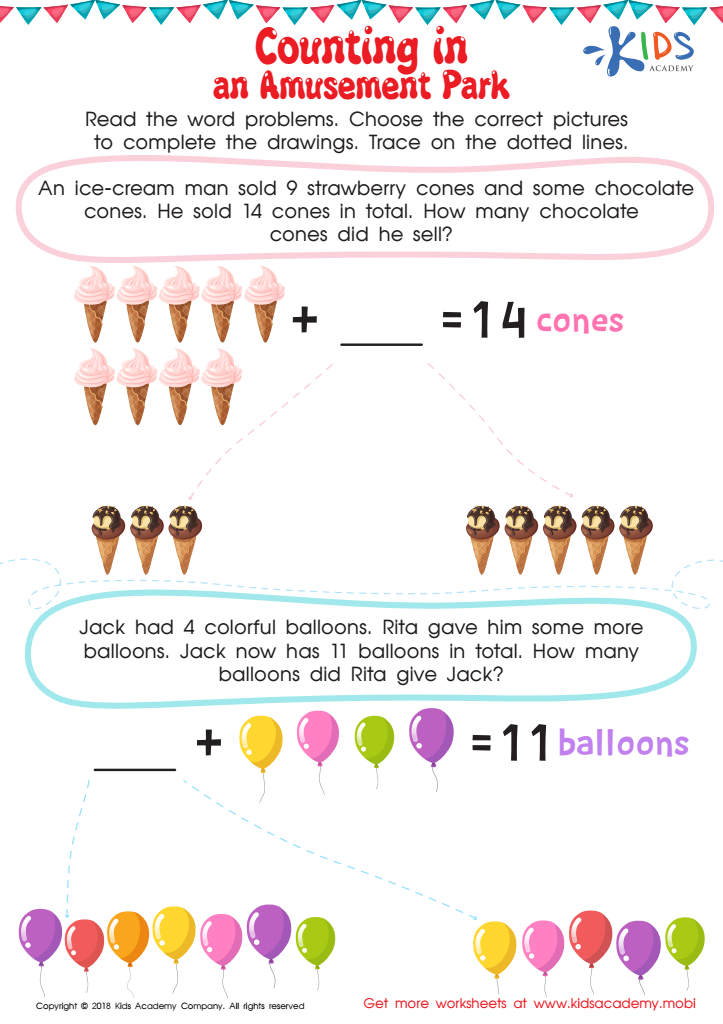
Counting in an Amusement Park Worksheet
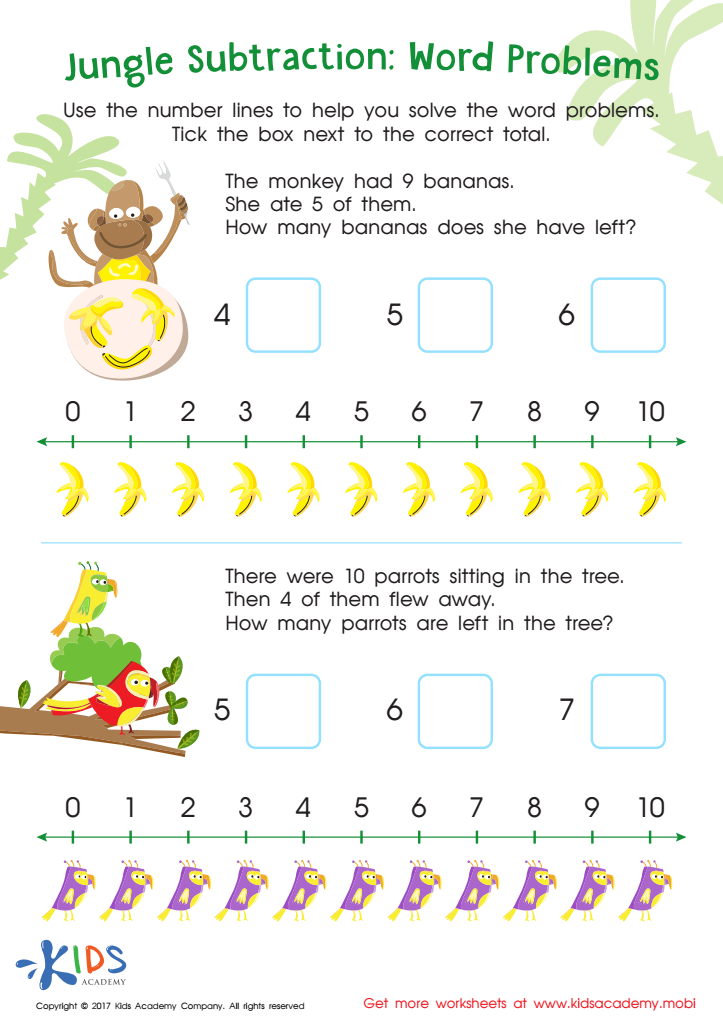
Jungle Subtraction Word Problems Substraction Worksheet








Parents and teachers should care about mathematical reasoning in Grade 3, particularly regarding addition and subtraction word problems, because this lays a foundation for critical thinking and problem-solving skills. At this developmental stage, children are transitioning from purely arithmetic computations to understanding how numbers interact within real-world contexts. Word problems encourage children to read carefully, extract essential information, and apply mathematical concepts to solve practical issues, fostering comprehension and analytical skills.
Furthermore, mastery of these problems enhances students' confidence and abilities in mathematics, which are vital for future academic success. Engaging with word problems cultivates a deeper understanding of addition and subtraction beyond rote memorization, allowing students to grasp the why and how behind mathematical operations.
Additionally, these skills are crucial for everyday scenarios, from managing money to measuring ingredients in cooking. By emphasizing mathematical reasoning, parents and teachers help children become independent thinkers and effective communicators who can articulate their thought processes. Ultimately, nurturing these skills in third graders not only supports their current learning but prepares them for more complex mathematical concepts in later grades, promoting lifelong skills in reasoning and logical thinking.