Problem-Solving Skills Grade 3 Addition & Subtraction Worksheets - Page 3
58 filtered results
-
From - To
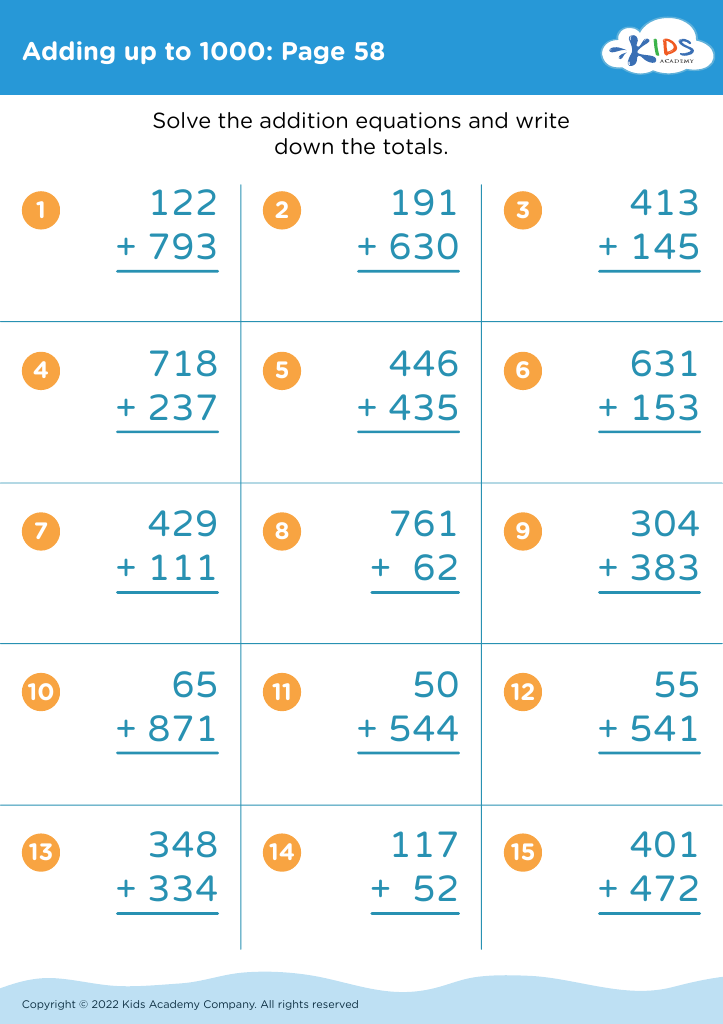
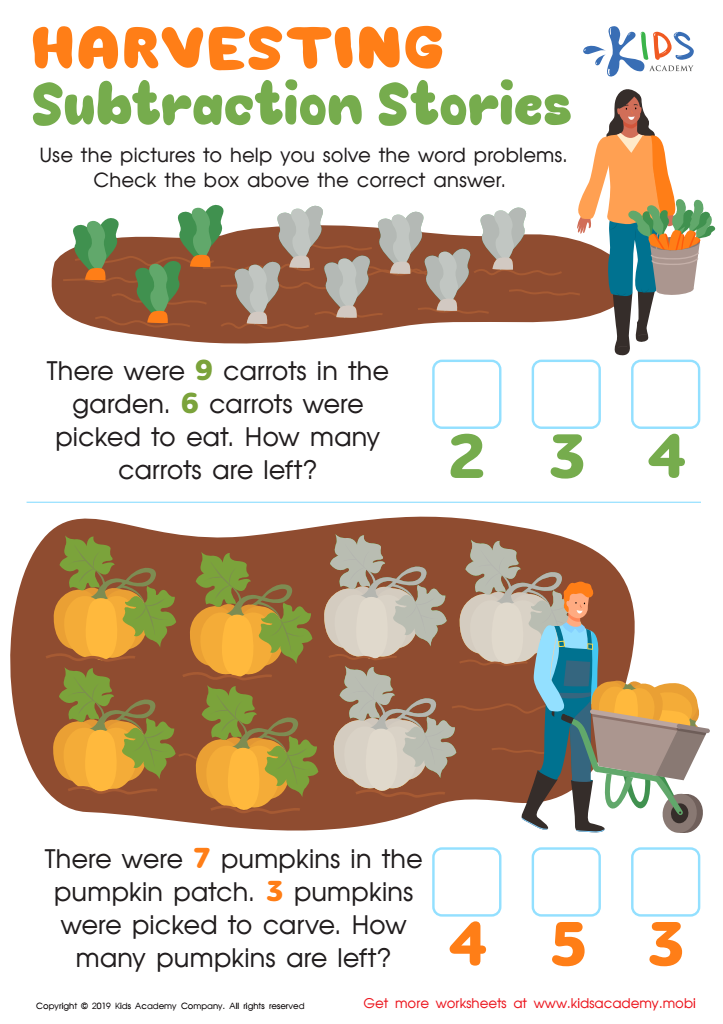
Harvesting Subtraction Stories Worksheet
 Assign to My Students
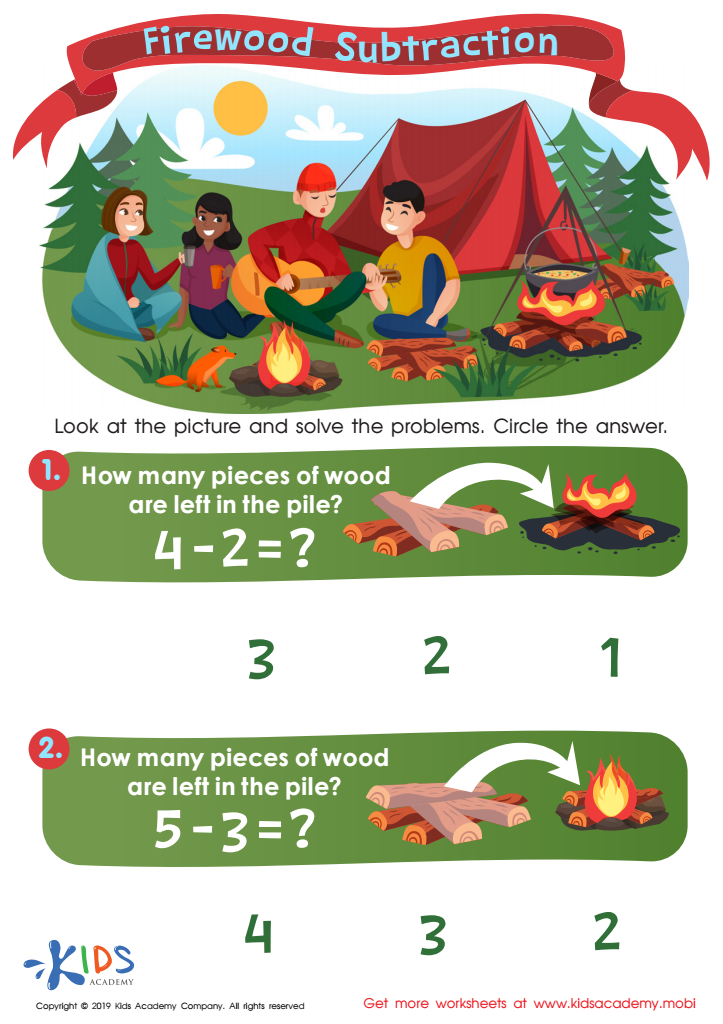
Firewood Subtraction Worksheet
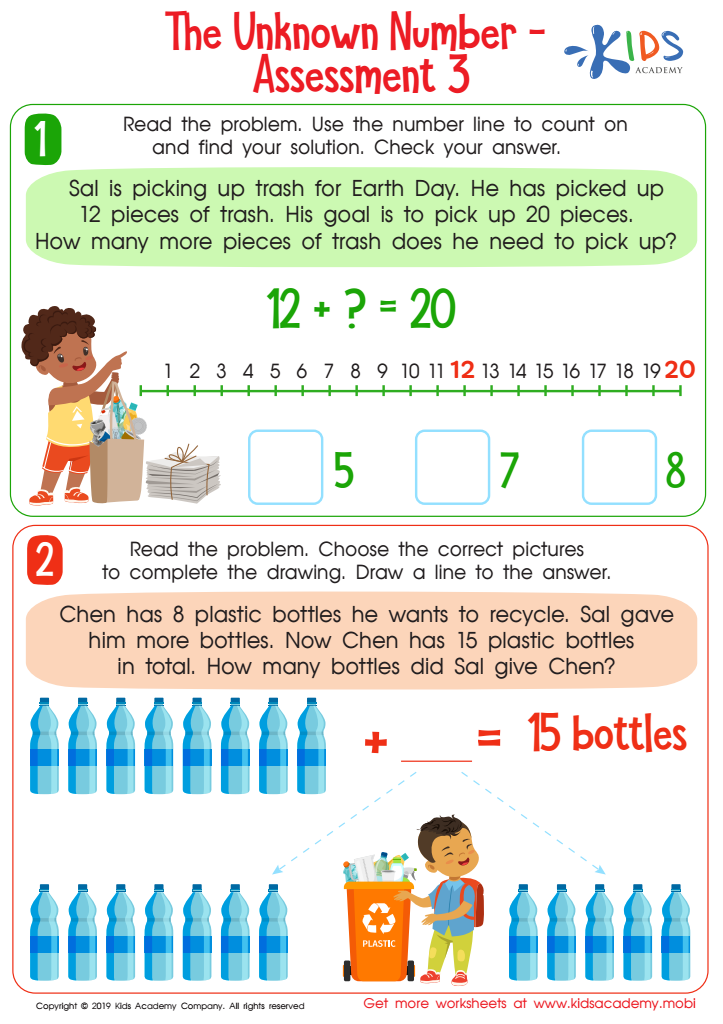
The Unknown Number - Assessment 3 Worksheet
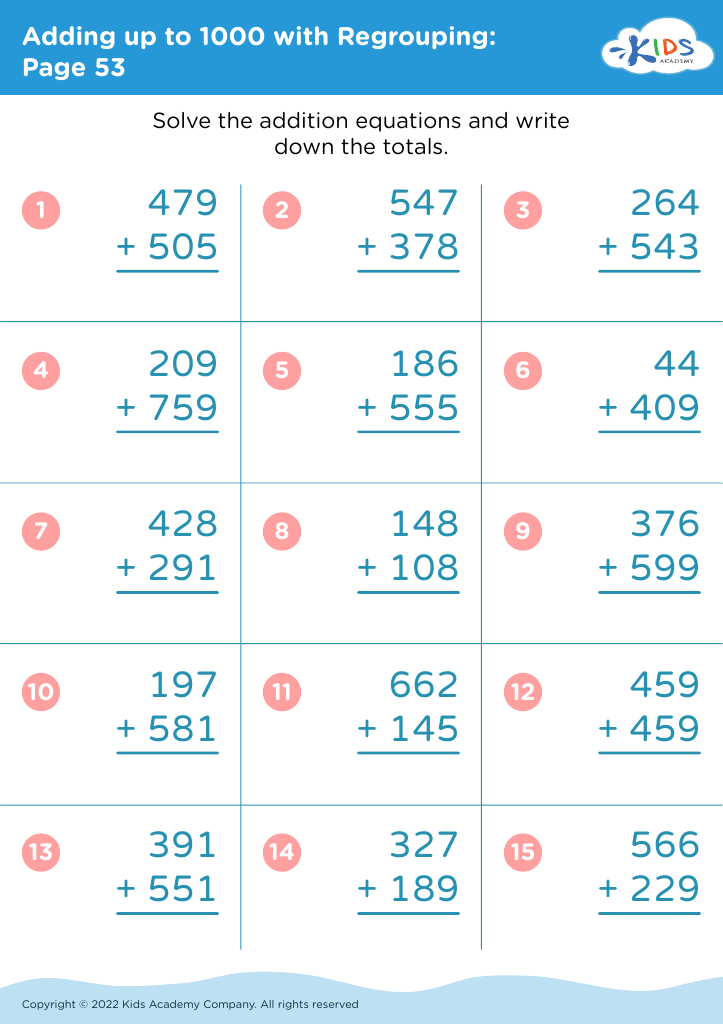
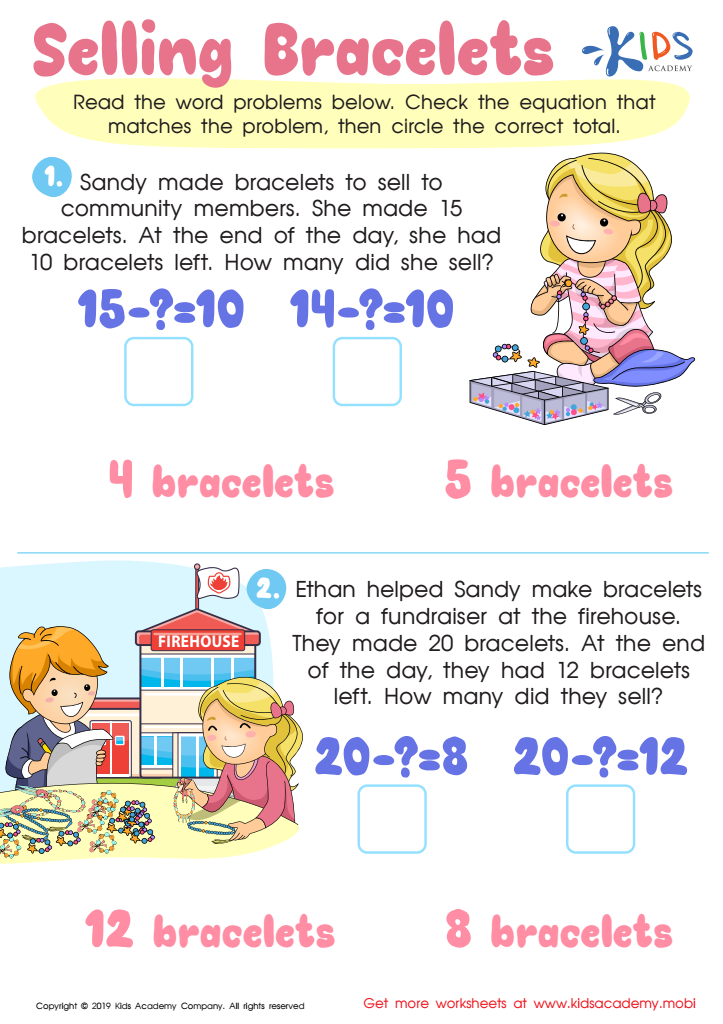
Selling the Bracelets Worksheet
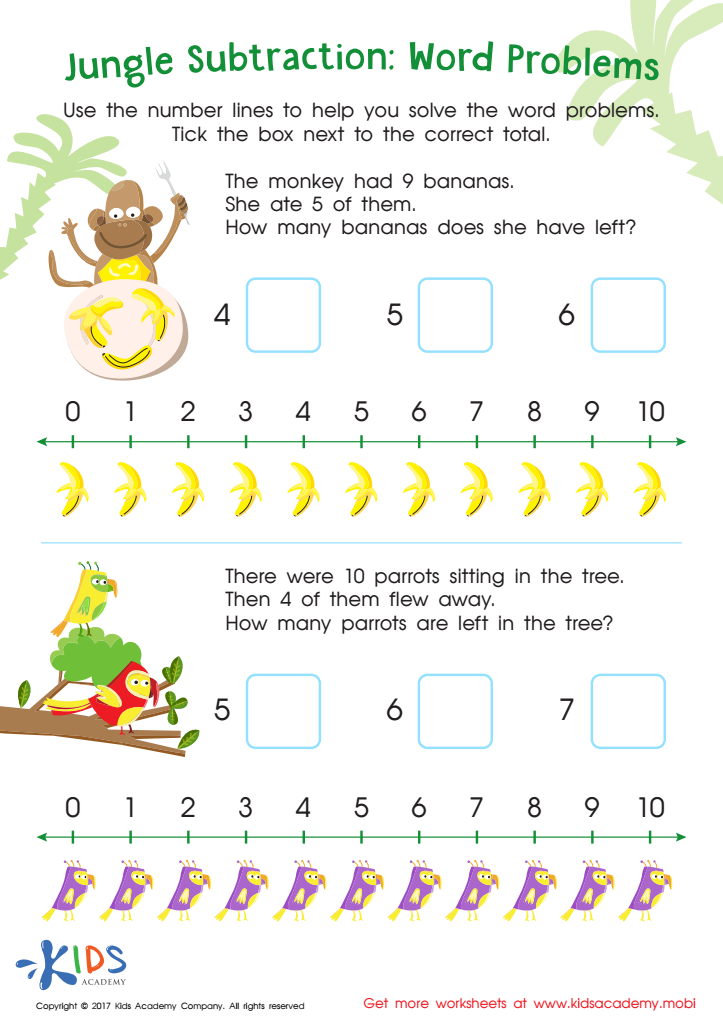
Jungle Subtraction Word Problems Substraction Worksheet
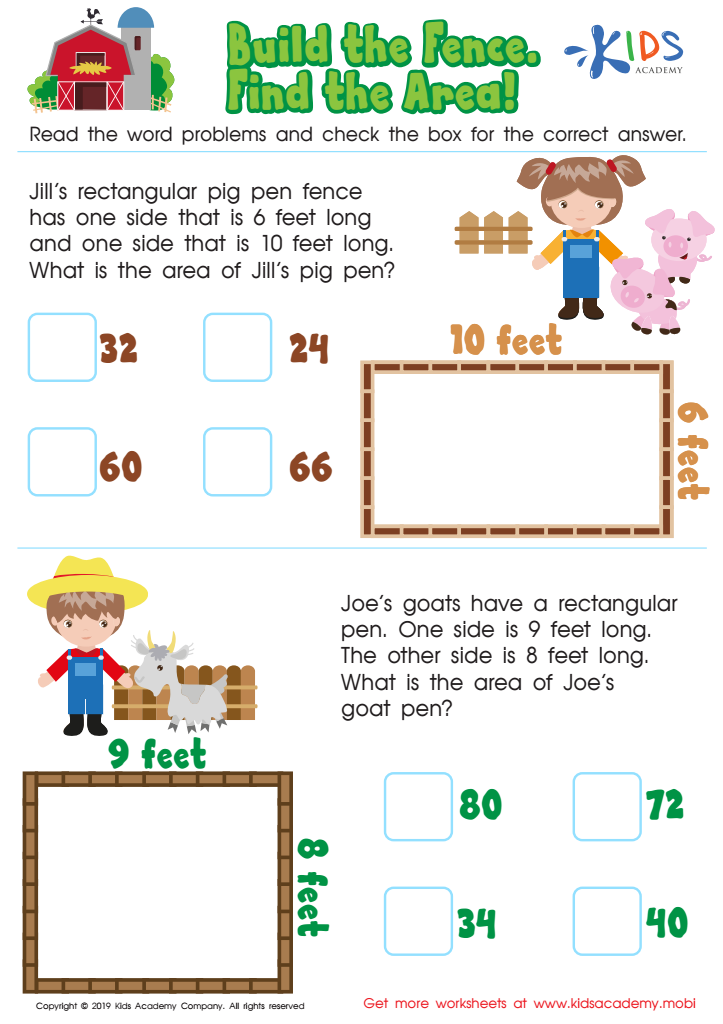
Build the Fence, Find the Area Worksheet







Problem-solving skills in grade 3 addition and subtraction are crucial for children's academic and personal development. At this age, students begin transitioning from simple arithmetic to more complex mathematical reasoning, and fostering these skills helps build a solid foundation for their future education. These skills encourage logical thinking, creativity, and the ability to approach challenges systematically.
Furthermore, teaching problem-solving in mathematics enables children to apply their knowledge in real-life situations, from budgeting their allowance to understanding time and quantity in daily tasks. It also enhances their ability to communicate clearly about their thought processes, which is vital in collaborative contexts.
Parents and teachers should focus on these skills to instill confidence in children. A strong grasp of addition and subtraction equips students to tackle more complex mathematical concepts in later grades, thereby reducing anxiety around math and promoting a positive attitude towards learning.
Moreover, fostering problem-solving skills at this stage also nurtures perseverance and resilience. Students learn that making mistakes is part of the learning process, encouraging them to develop a growth mindset. Prioritizing these skills ultimately enables children to navigate not just math-related challenges, but various obstacles in their lives with greater assurance and versatility.