Problem-Solving Skills Grade 3 Addition Worksheets - Page 2
34 filtered results
-
From - To
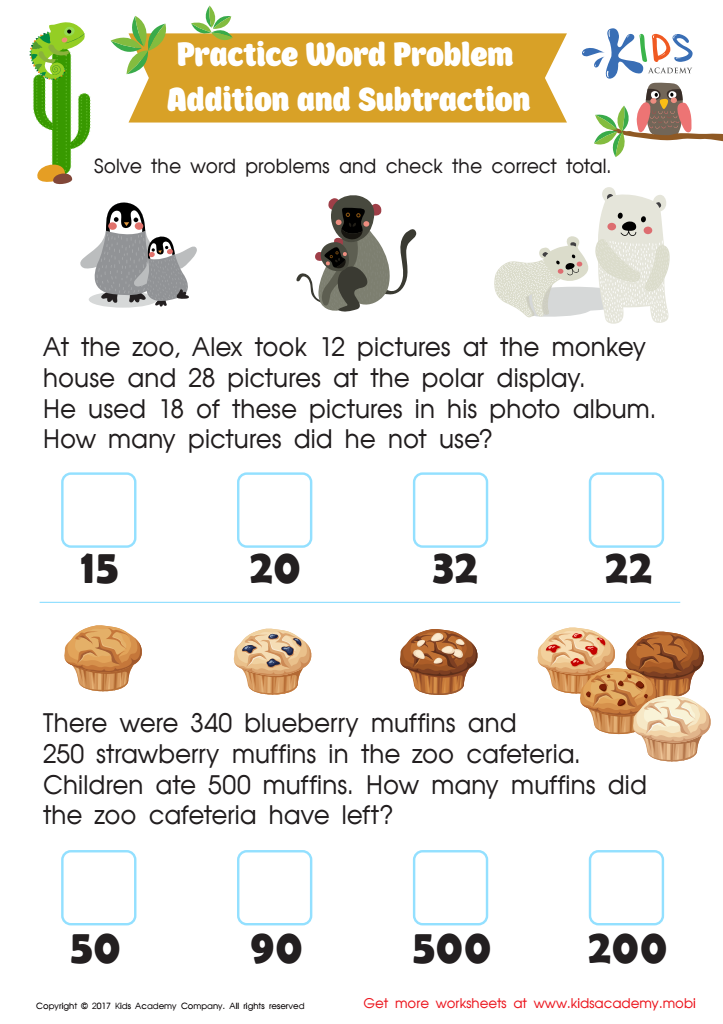
Addition and Subtraction: Word Problems Worksheet
 Assign to My Students
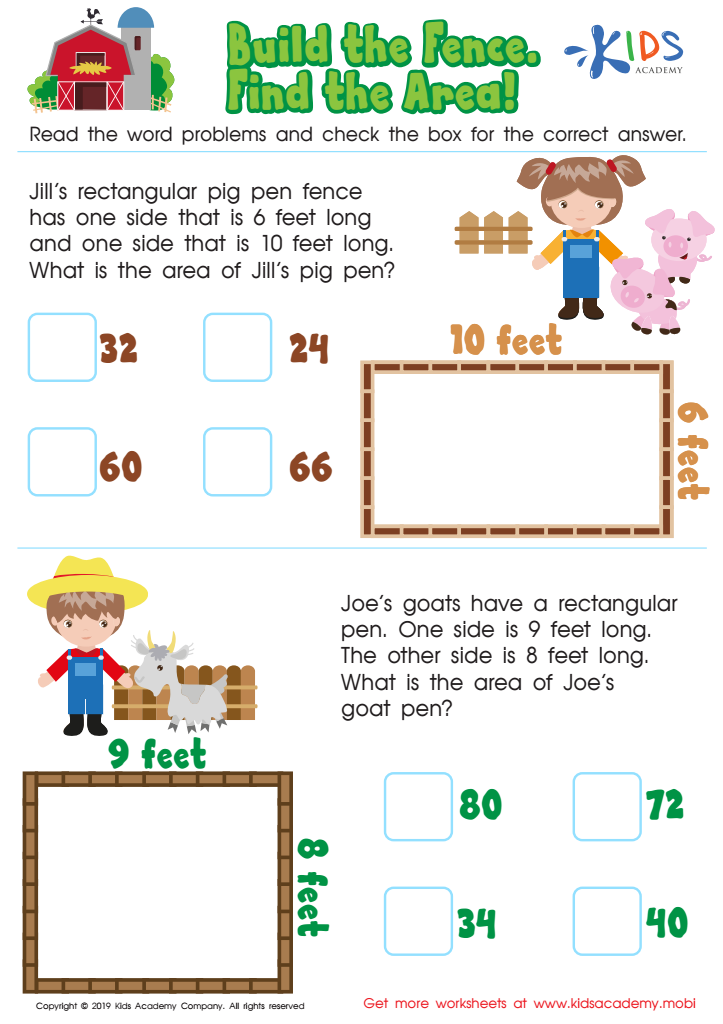
Build the Fence, Find the Area Worksheet
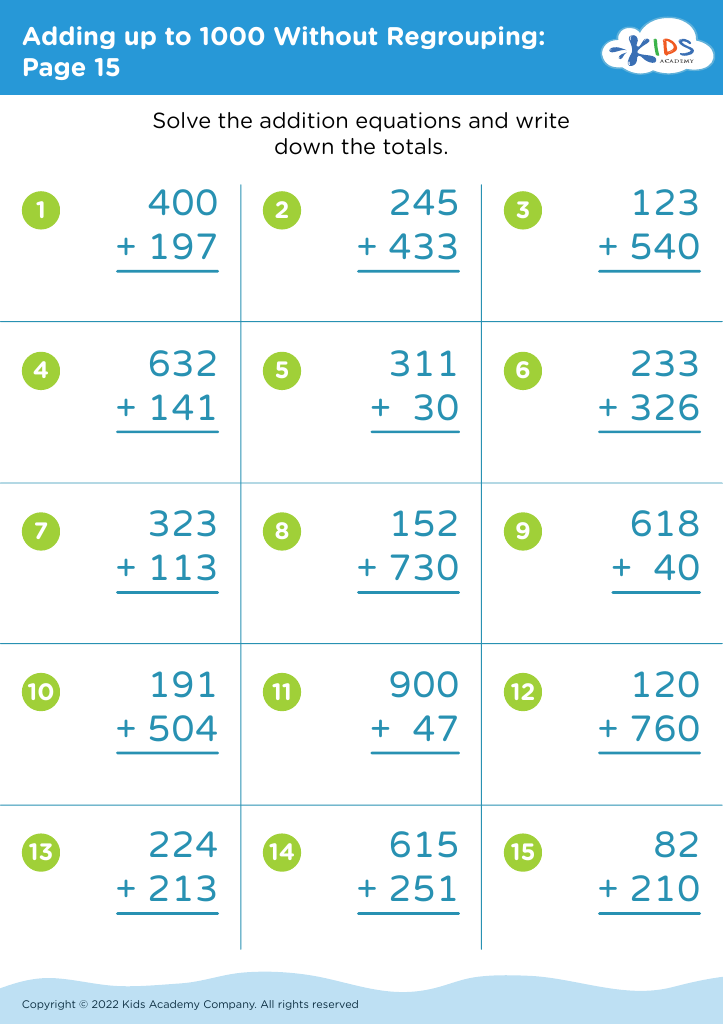




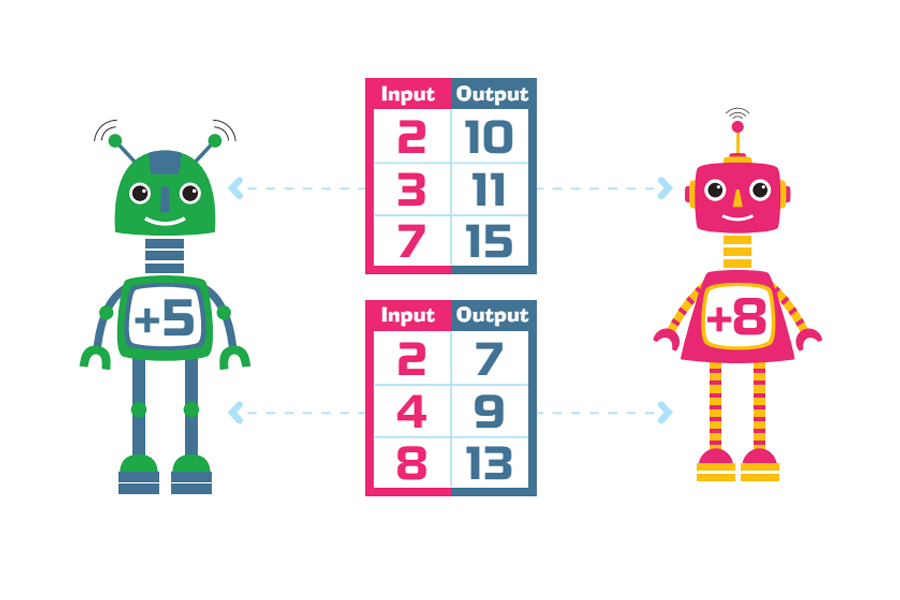
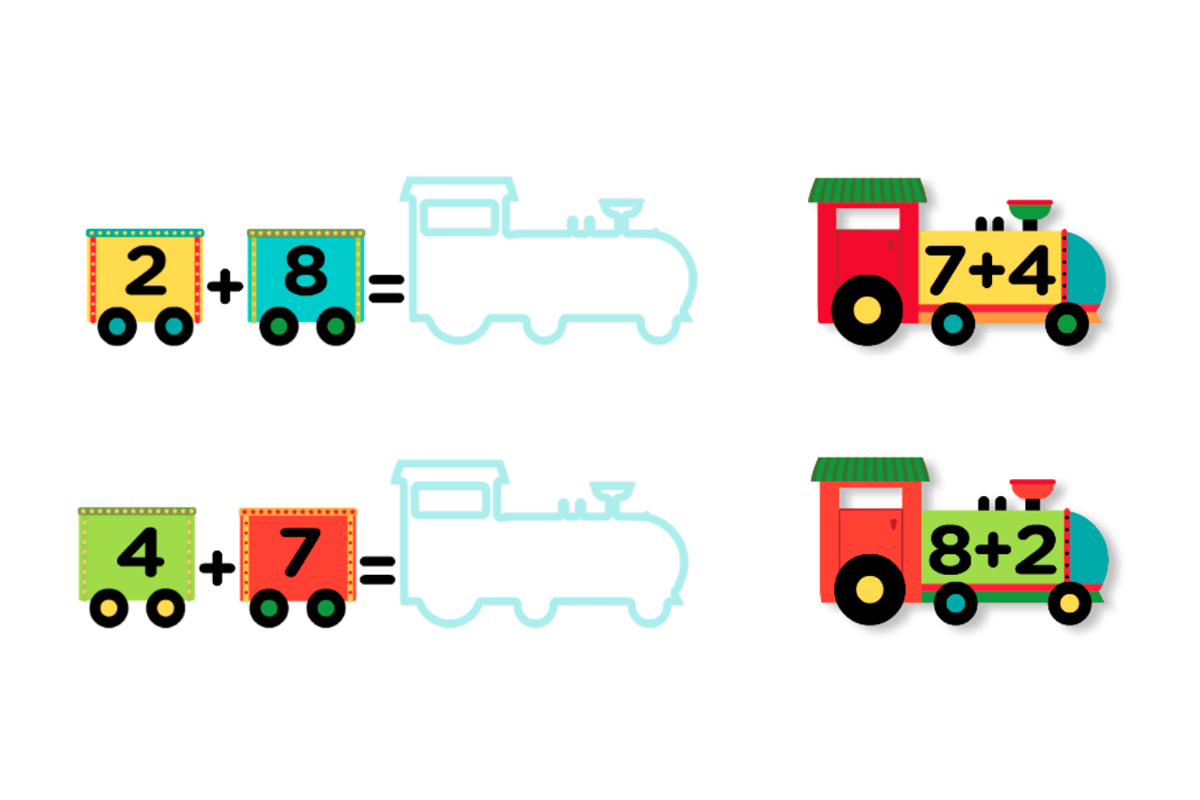


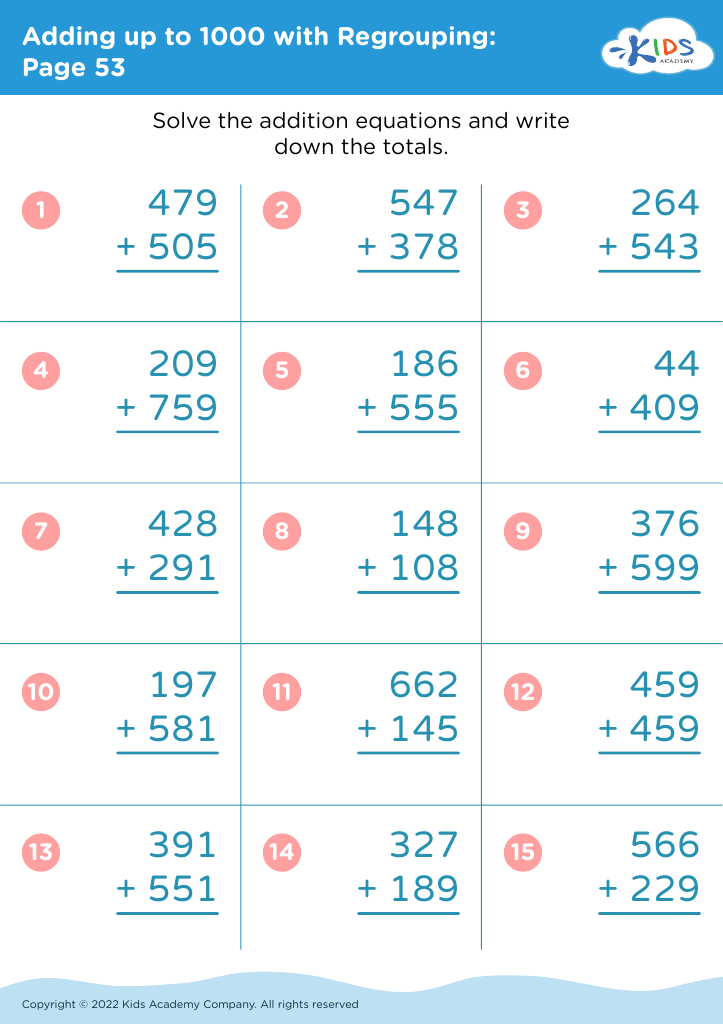
Problem-solving skills in addition are crucial for third graders as they lay the foundation for mathematical understanding and critical thinking. At this stage, students are transitioning from basic arithmetic to applying these skills in real-world scenarios. Parents and teachers should prioritize the development of these skills for several reasons.
Firstly, effective problem-solving enhances students' ability to understand and manipulate numbers, fostering confidence in their math abilities. This helps to develop a positive attitude toward learning, reducing anxiety around math.
Secondly, strong addition problem-solving skills cultivate logical reasoning. As children learn to break down problems, they improve their capacity to analyze and evaluate information, which is essential not only in mathematics but in everyday decision-making.
Additionally, solving addition problems often involves practical applications, such as budgeting allowance or determining quantities while shopping. Engaging children in such activities promotes financial literacy early on.
Moreover, children who master these skills in Grade 3 are often more prepared for the complexities of higher-level math later in their education. Encouraging creative thinking and persistence in solving problems helps students become lifelong learners who can approach challenges with confidence and resilience. Thus, fostering these abilities in third graders ultimately benefits their overall academic journey and personal development.