Understanding division Grade 3 Math Worksheets
4 filtered results
Difficulty Level
Grade
Age
-
From - To
Subject
Activity
Standards
Welcome to our "Understanding Division Grade 3 Math Worksheets" page! Designed specifically for third graders, these engaging worksheets help students grasp the fundamental concept of division through fun and interactive exercises. With a variety of problems, including visual aids and real-world applications, children will build their confidence as they learn to divide small numbers, interpret dividend and divisor relationships, and solve practical division scenarios. Ideal for both classroom practice and home study, these worksheets align with educational standards and promote critical thinking. Start exploring our resources today to support your child's journey toward math mastery!
Favorites
With answer key
Interactive
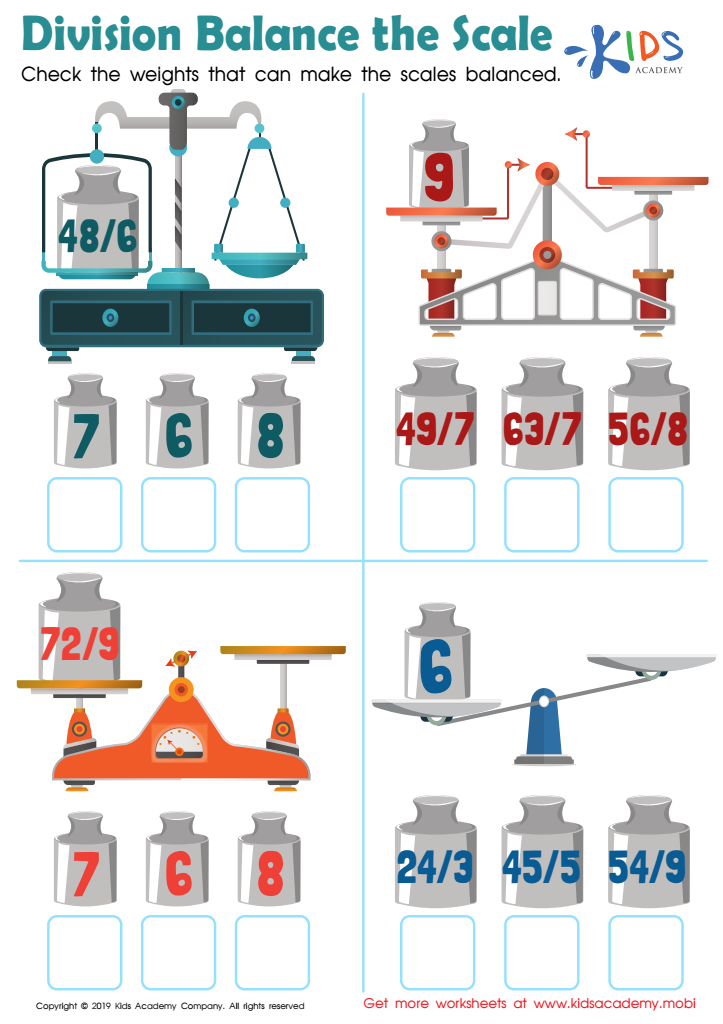
Division Balance the Scale Worksheet
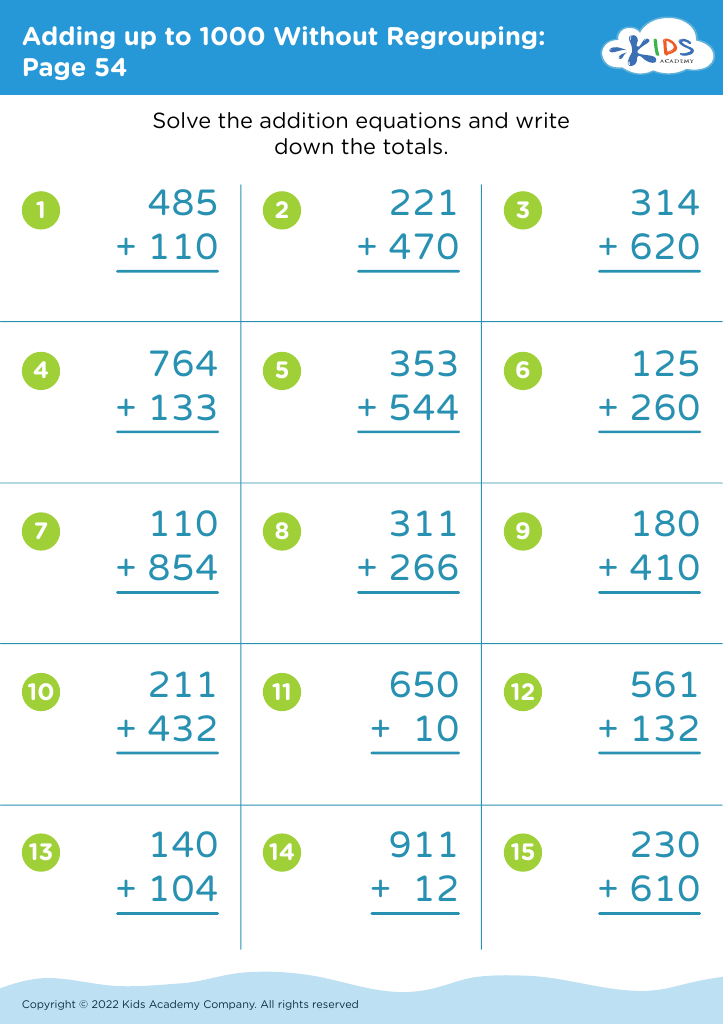
Students can learn math better when they understand the relationships between numbers. This free worksheet helps them practice division: solving problems and matching the correct quotient to balance the scales. Fun visual boxes make it a unique way to engage with the material.
 Assign to My Students
Division Balance the Scale Worksheet
Worksheet
Join Kids Academy for Free
Who is primarily going to use this learning content?





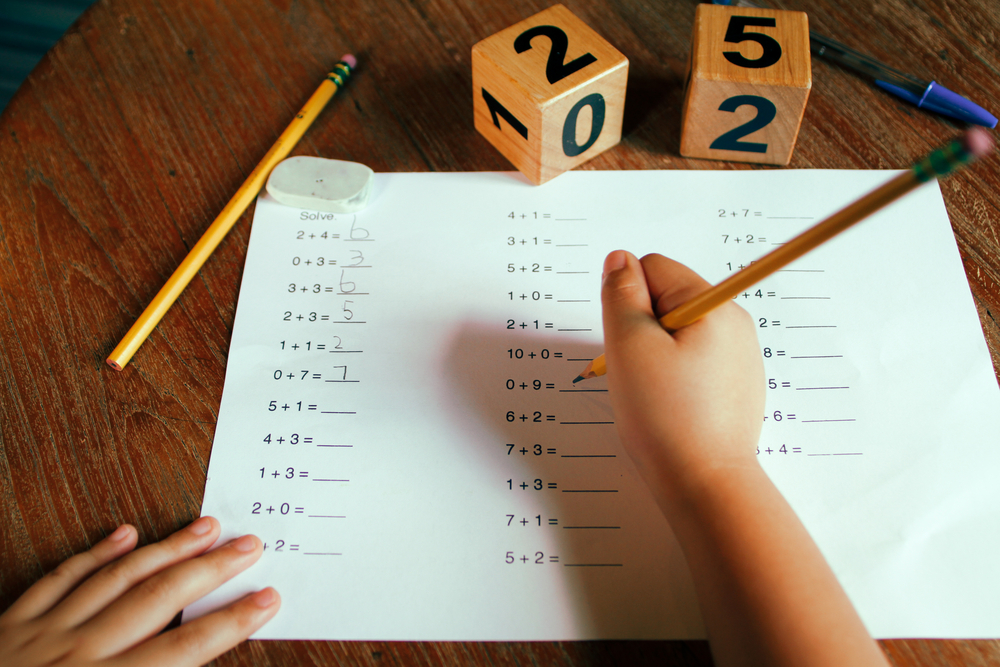
Understanding division in Grade 3 is crucial for children as it lays the foundation for their mathematical comprehension and problem-solving skills. At this stage, students transition from basic arithmetic to more complex concepts, and division is a key operation that plays a significant role in their mathematical development.
By grasping division, children learn to interpret and solve real-world problems, such as sharing equally among friends or distributing resources. This develops critical thinking as they analyze different scenarios. Additionally, proficiency in division supports the understanding of related concepts such as fractions, multiplication, and even higher-level mathematics, which they will encounter in later grades.
For parents and teachers, nurturing this understanding is essential because it instills confidence in students. Mastery of division reduces math anxiety and encourages a positive attitude toward learning. Furthermore, when educators and parents work together to reinforce division skills through engaging activities and real-life applications, it enhances children's learning experience and helps them recognize the relevance of math in everyday life.
Ultimately, supporting students in understanding division sets them up for ongoing success both in and out of the classroom, fostering a lifelong love for learning and mathematics.