Vocabulary Building Grade 3 Math Worksheets
5 filtered results
-
From - To
Discover our Vocabulary Building Grade 3 Math Worksheets designed to enhance your child's math vocabulary and comprehension. These printable worksheets focus on key mathematical terms and concepts essential for third graders. Through engaging and interactive activities, students will broaden their understanding of math vocabulary, helping them excel in word problems and mathematical reasoning. Perfect for classroom use or extra practice at home, our worksheets make learning fun and effective. Equip your child with the essential language skills needed for success in math. Explore our diverse selection of worksheets and start building a strong mathematical foundation today!
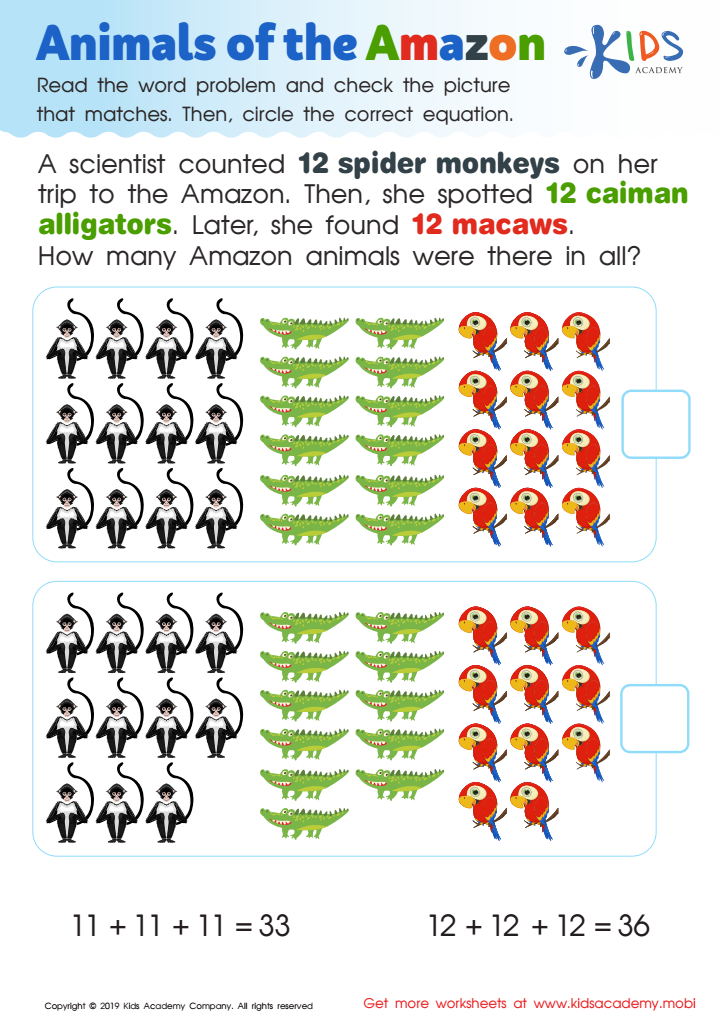
Animals of Amazon Worksheet
 Assign to My Students
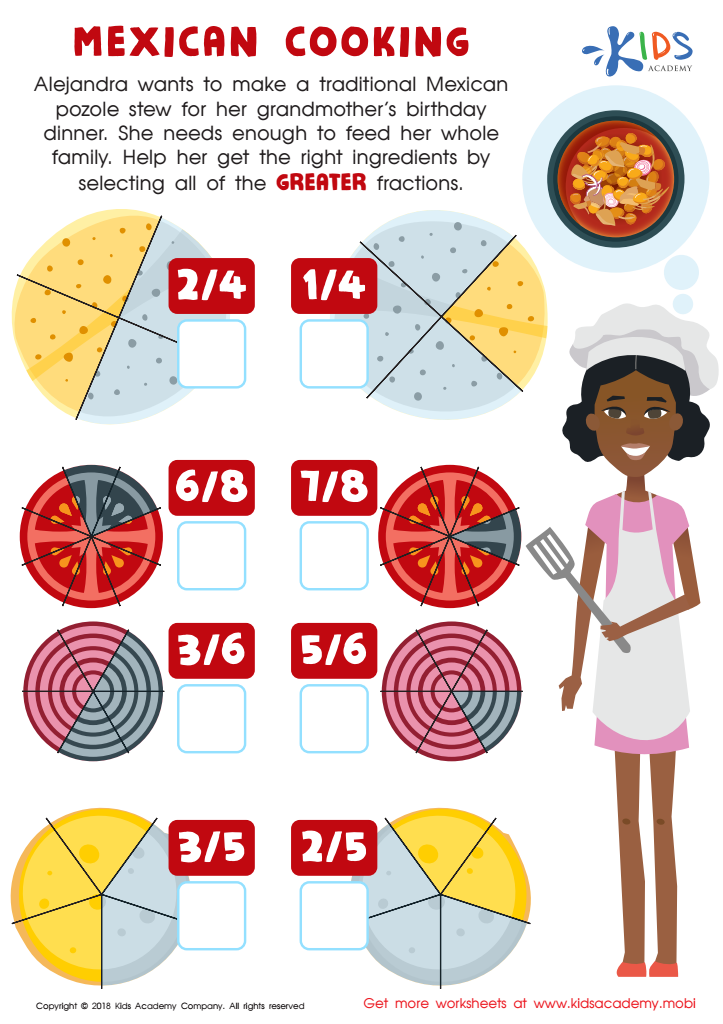
Mexican Cooking Worksheet
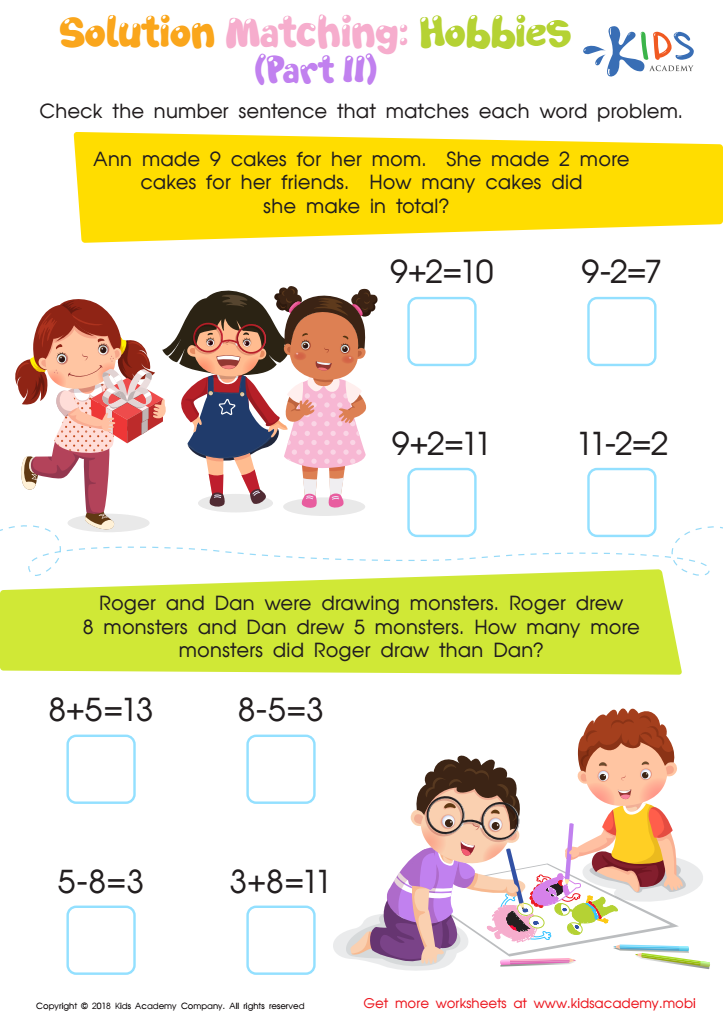
Solution Matching: Hobbies. Part 2 Worksheet
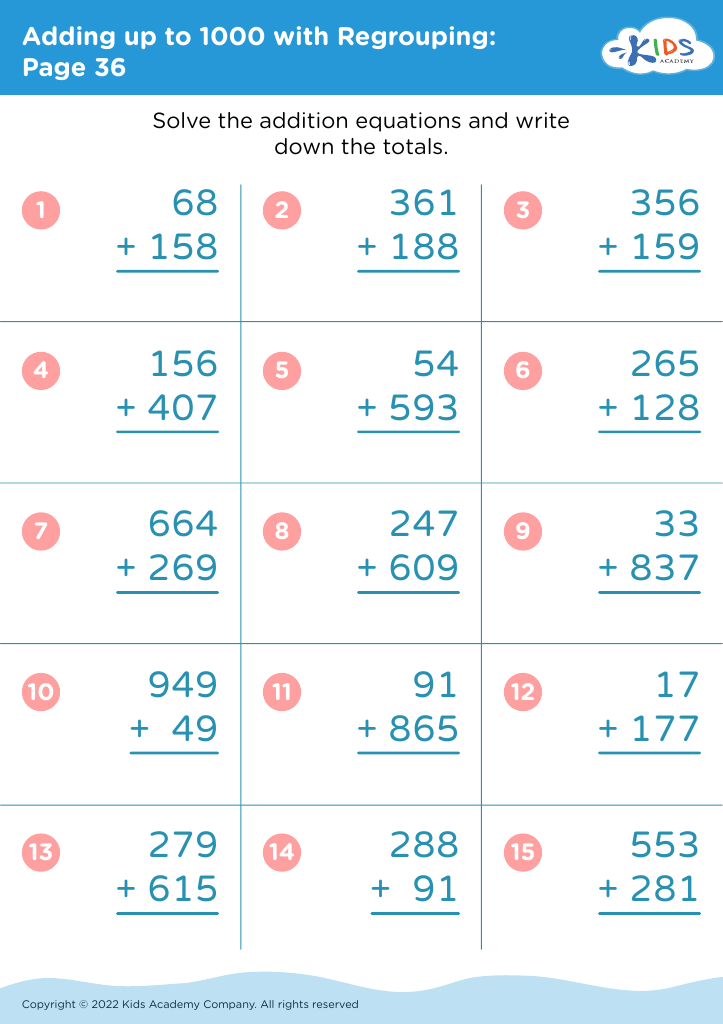








Parents and teachers should be highly invested in vocabulary building for Grade 3 math because a strong mathematical vocabulary forms the foundation for future learning and academic success. At this level, students are introduced to various concepts such as multiplication, division, fractions, and word problems. Understanding the specific terms related to these concepts—like "product," "quotient," "numerator," and "difference"—is crucial for students to comprehend instructions, solve problems accurately, and explain their reasoning clearly.
Vocabulary building not only reinforces mathematical understanding but also boosts overall reading comprehension and critical thinking skills. When students can effectively decode and interpret math vocabulary, they are better equipped to tackle more complex problems and understand the relationships between different mathematical ideas. This is crucial as mathematics naturally builds upon itself; early gaps in understanding can lead to struggles in higher grades.
Moreover, a rich math vocabulary empowers students, making them confident in their ability to engage with the subject matter. This confidence is vital in cultivating a positive attitude toward math, thus reducing anxiety and fostering a lifelong interest in the subject. Therefore, integrating vocabulary-building exercises in the curriculum and home learning can significantly enhance math proficiency and overall academic achievement, setting students up for continued success.