Color recognition Grade 3 Nursery Rhymes Worksheets
3 filtered results
-
From - To
Enhance your third grader's learning experience with our engaging Color Recognition Nursery Rhymes Worksheets. Designed to merge the joy of classic nursery rhymes with essential color recognition skills, these worksheets captivate young learners through creative and educational activities. Each vibrant worksheet encourages children to identify and differentiate colors while enjoying beloved rhymes and characters. Perfect for both classroom and home use, our expertly crafted resources offer a delightful way to reinforce color concepts and nurture early reading skills. Spark creativity and solidify foundational learning with these fun and effective worksheets tailored for grade 3 students.
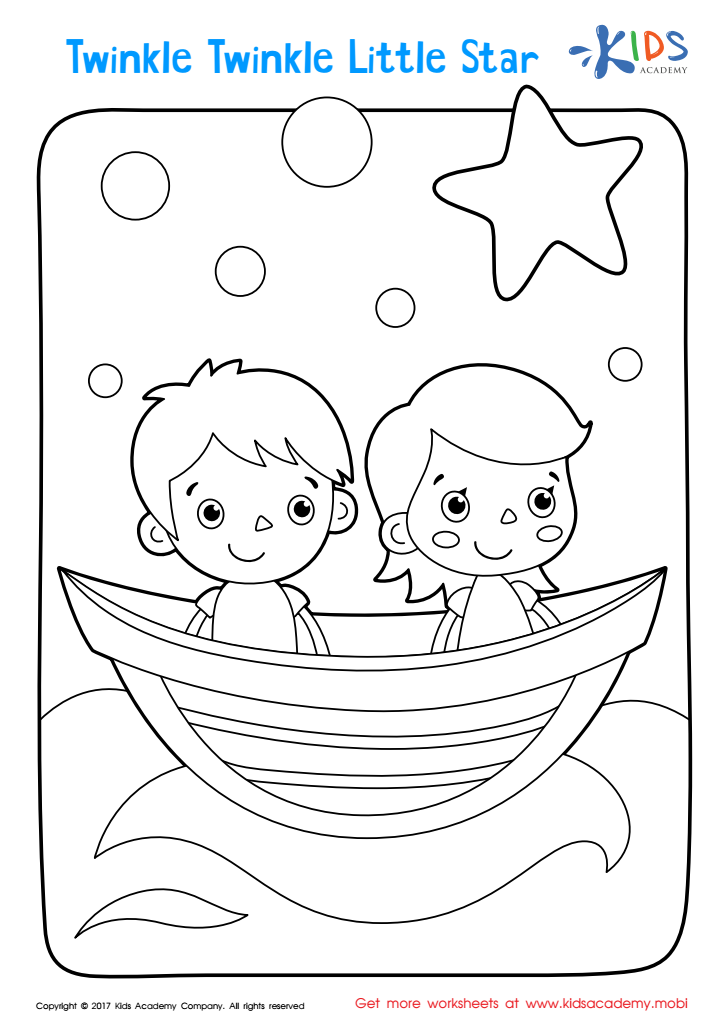
Twinkle Twinkle Little Star Coloring Page
 Assign to My Students
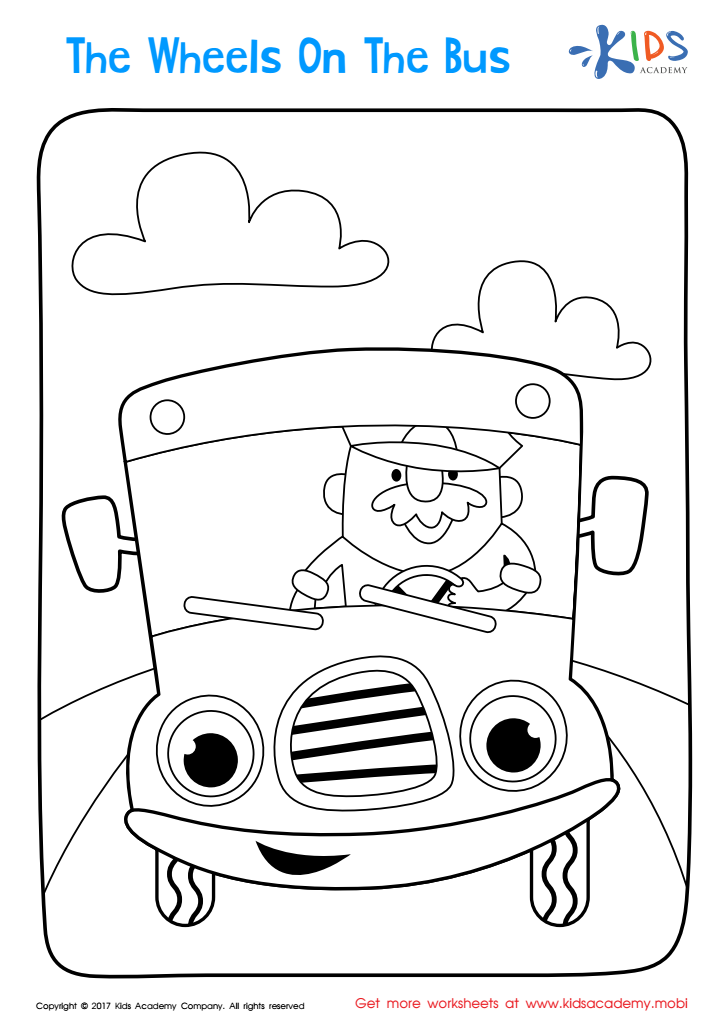
The Wheels on the Bus Coloring Page
Assign to My Students
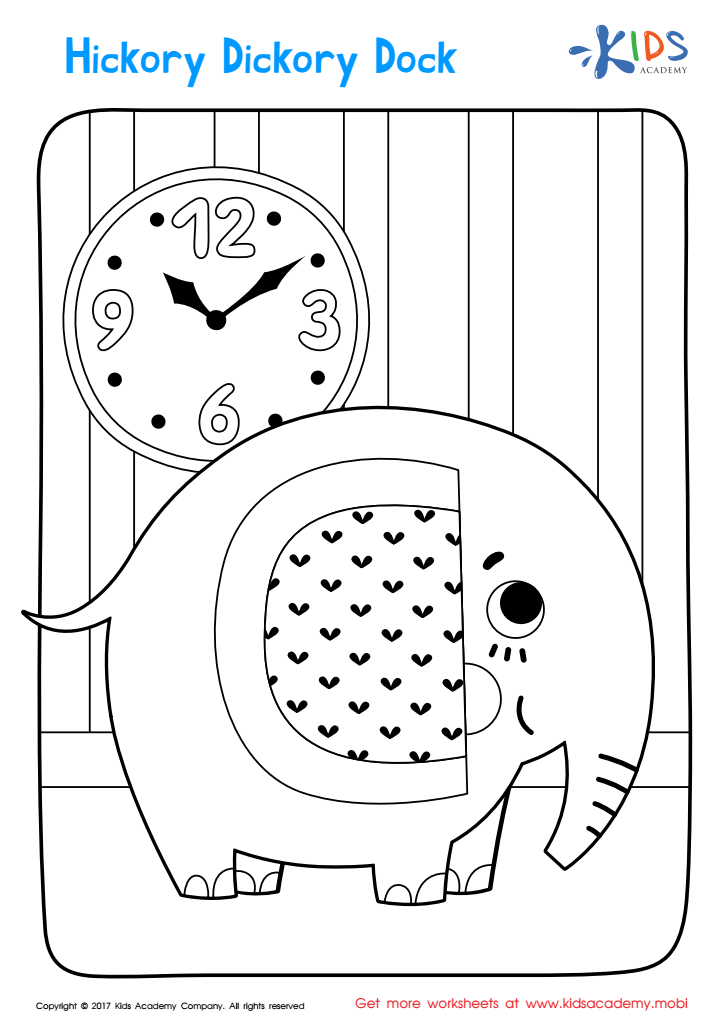
Hickory Dickory Dock Coloring Page
Assign to My Students








Color recognition and nursery rhymes play a pivotal role in early childhood development and education, particularly for children around Grade 3 age. Understanding and recognizing colors is not just a basic cognitive skill but it also supports language development, improves attention and memory, and fosters creativity and critical thinking. When children engage in activities that involve identifying and naming colors, they enhance their vocabulary and comprehension skills. This strong language foundation is essential as it directly affects a child's ability to succeed in other subjects like reading and writing.
Incorporating nursery rhymes into early education augments these benefits significantly. Rhymes, with their repetitive structure and rhythmic sounds, aid in language acquisition, phonemic awareness, and auditory discrimination. Nursery rhymes are often filled with rich, descriptive language that describes colors, animals, objects, and actions, which in turn reinforces color recognition in a natural, enjoyable context.
Parents and teachers should cherish these educational tools because they offer a harmonious blend of joy and learning. Nursery rhymes with vivid descriptions can make the learning process engaging and memorable, helping children to associate colors with meaning and emotion. This dual benefit of cognitive and emotional engagement lays the groundwork for more sophisticated speech and language development, setting children on a path toward academic success and lifelong learning.