Critical Thinking Grade 3 Plants and Animals Worksheets
4 filtered results
-
From - To
Unlock your child’s potential with our "Critical Thinking Grade 3 Plants and Animals Worksheets". Tailored for third graders, these engaging and educational worksheets are crafted to enhance critical thinking while exploring the fascinating world of plants and animals. From identifying plant parts to understanding animal habitats, each worksheet fosters curiosity and scientific inquiry. Perfect for classroom use and at-home learning, these activities bolster vital skills like observation, analysis, and problem-solving. Encourage nature exploration and intellectual growth with our thoughtfully designed resources and bring science to life for your little learners.
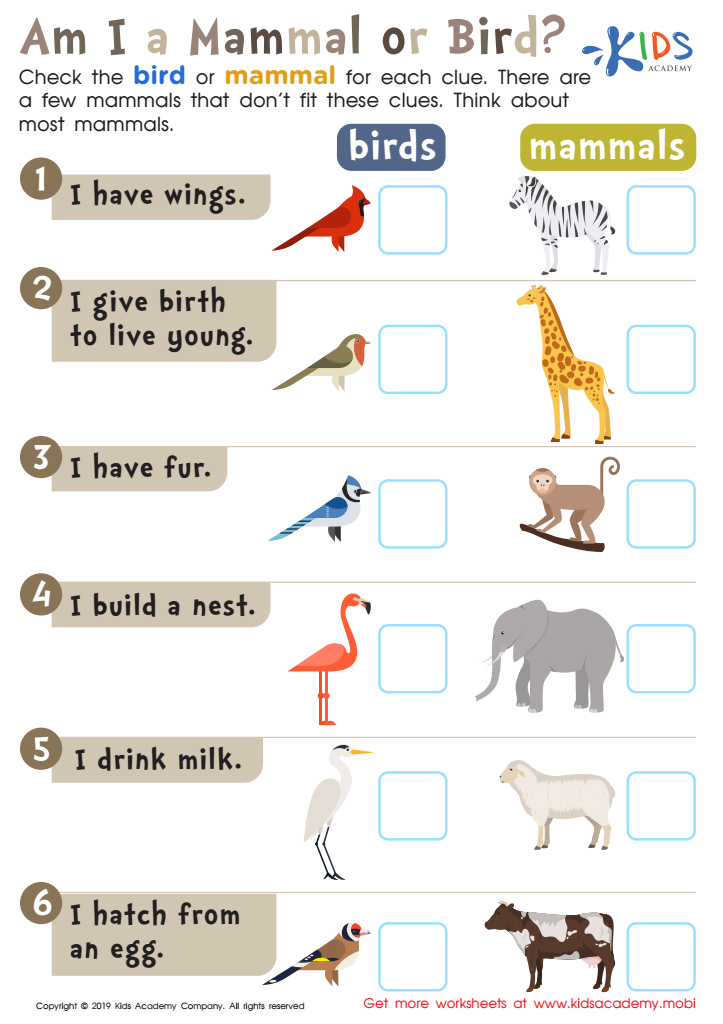
Am I a Mammal or Bird? Worksheet
 Assign to My Students
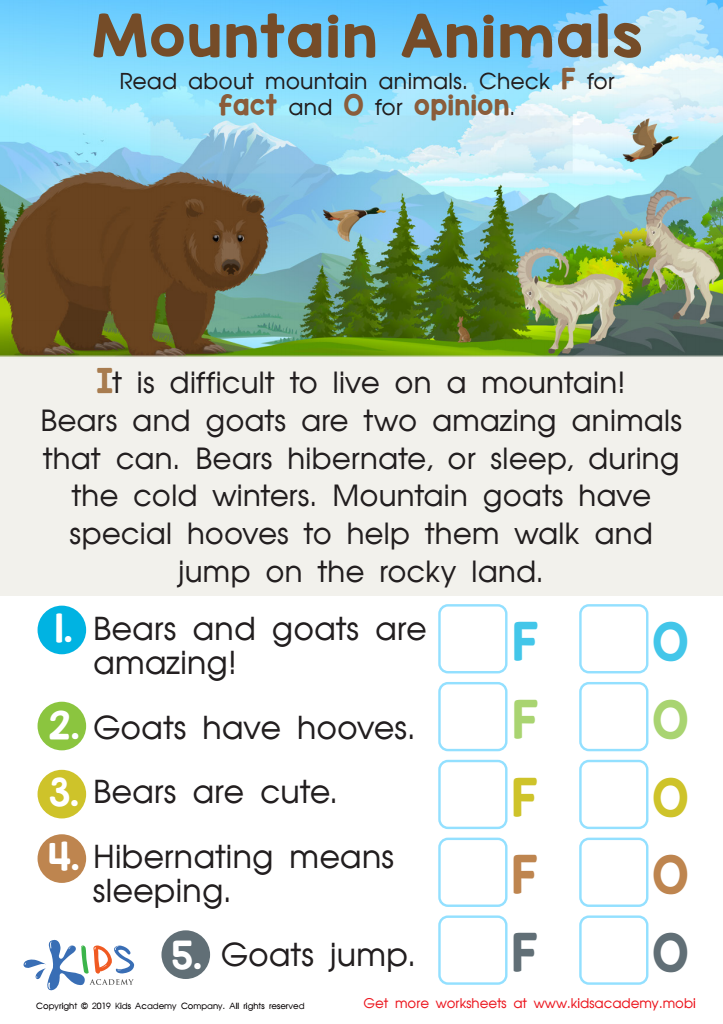
Mountain Animals Worksheet
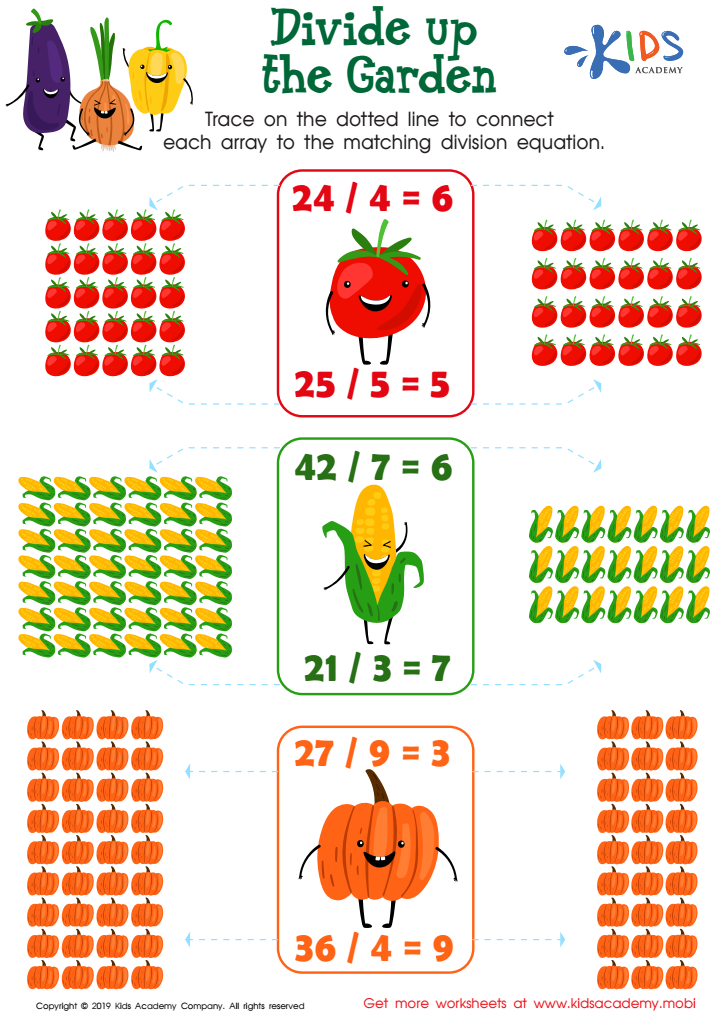
Divide up the Garden Worksheet
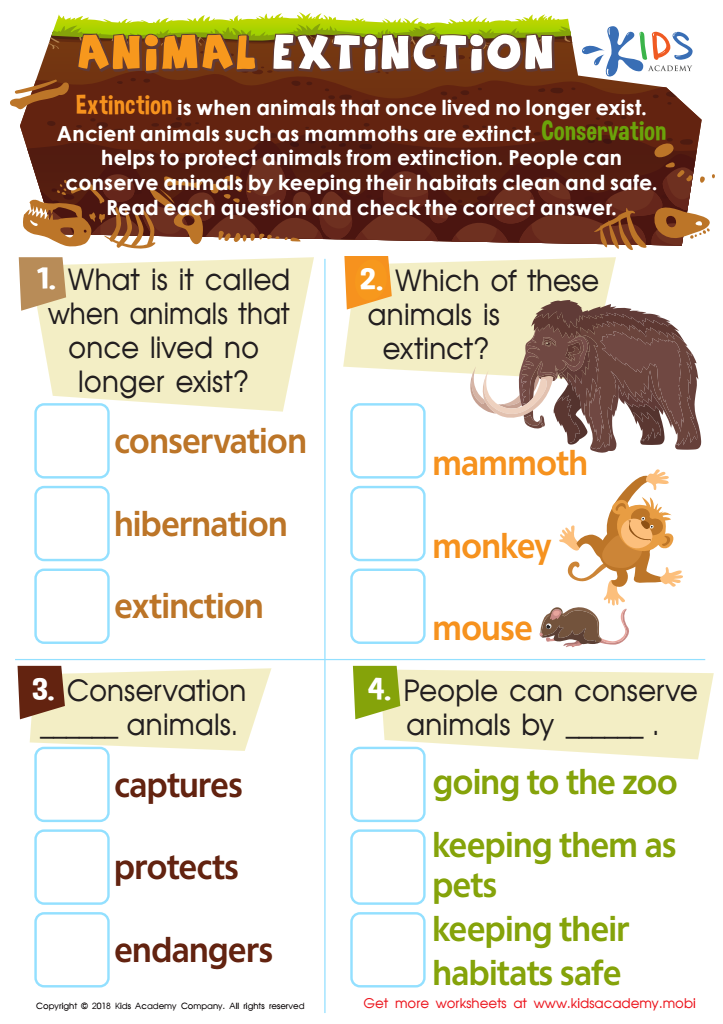
Animal Extinction Worksheet



Third-grade is a foundational period when children begin to develop essential cognitive skills, making critical thinking in subjects such as plants and animals exceptionally vital. At this stage, students not only learn basic facts but also start understanding the 'why' and 'how' behind them. Critical thinking activities in this context encourage students to observe closely, ask questions, and make connections, fostering a deeper understanding and appreciation of the natural world.
For instance, when examining plant life cycles or animal habitats, critical thinking prompts students to consider how environmental factors affect living organisms. This can form the basis for later scientific inquiry and ecological awareness. Such skills are not only academic but also practical, helping children develop problem-solving abilities, adaptability, and the capacity for independent thought.
Parents and teachers who prioritize critical thinking prepare children for future educational challenges and real-world scenarios. Engaging with content focused on plants and animals can spark curiosity, leading to lifelong learning and fostering an early awareness of environmental stewardship. Moreover, critical thinking supports social-emotional development, as children learn to respect diverse viewpoints and work collaboratively with peers. By emphasizing critical thinking about plants and animals, we lay the groundwork for informed, perceptive, and conscientious future generations.