Problem-Solving Skills Grade 3 Plants and Animals Worksheets
5 filtered results
-
From - To
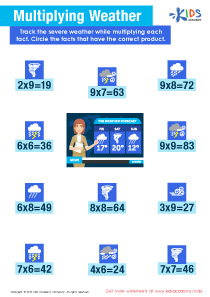
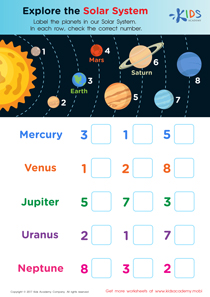
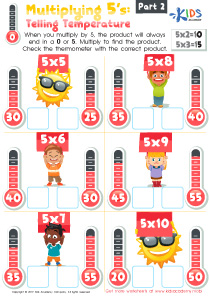
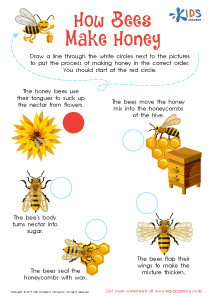
Unlock your child's potential in science with our "Problem-Solving Skills Grade 3 Plants and Animals Worksheets." Designed for third graders, these engaging worksheets help students develop critical thinking and problem-solving abilities while exploring the fascinating world of plants and animals. Through interactive activities, analysis, and practical applications, children will learn to work collaboratively, make informed decisions, and enhance their understanding of biological concepts. Perfect for classroom assignments or home practice, these worksheets encourage curiosity and creativity, making science enjoyable and enriching. Equip your child with vital skills for academic success—download our problem-solving worksheets today!
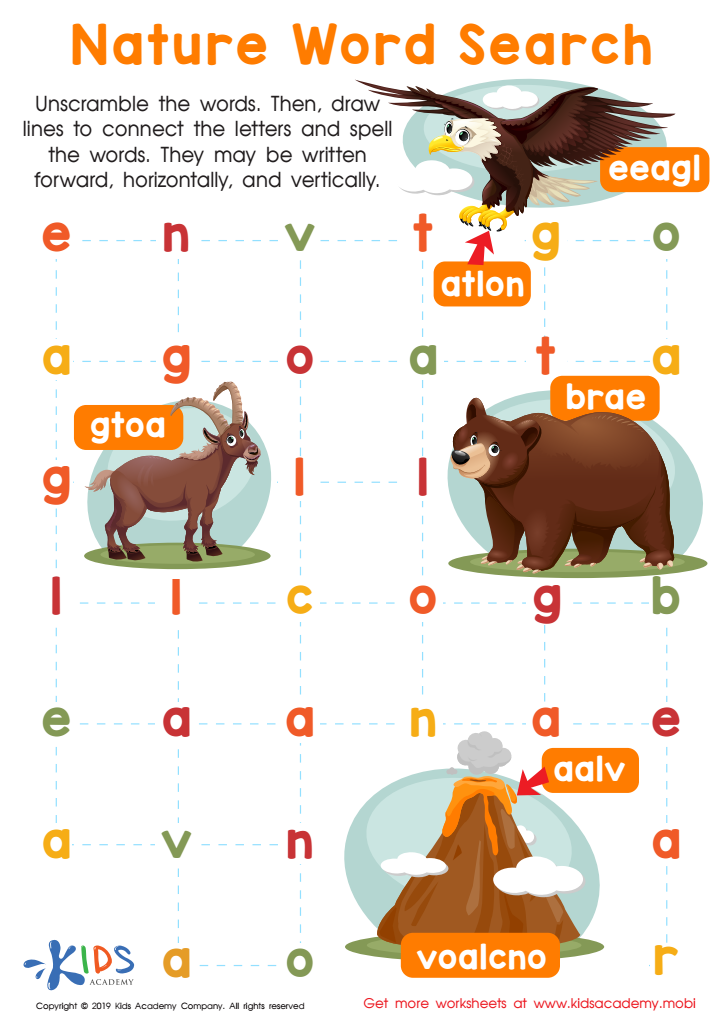
Nature Word Search Worksheet
 Assign to My Students
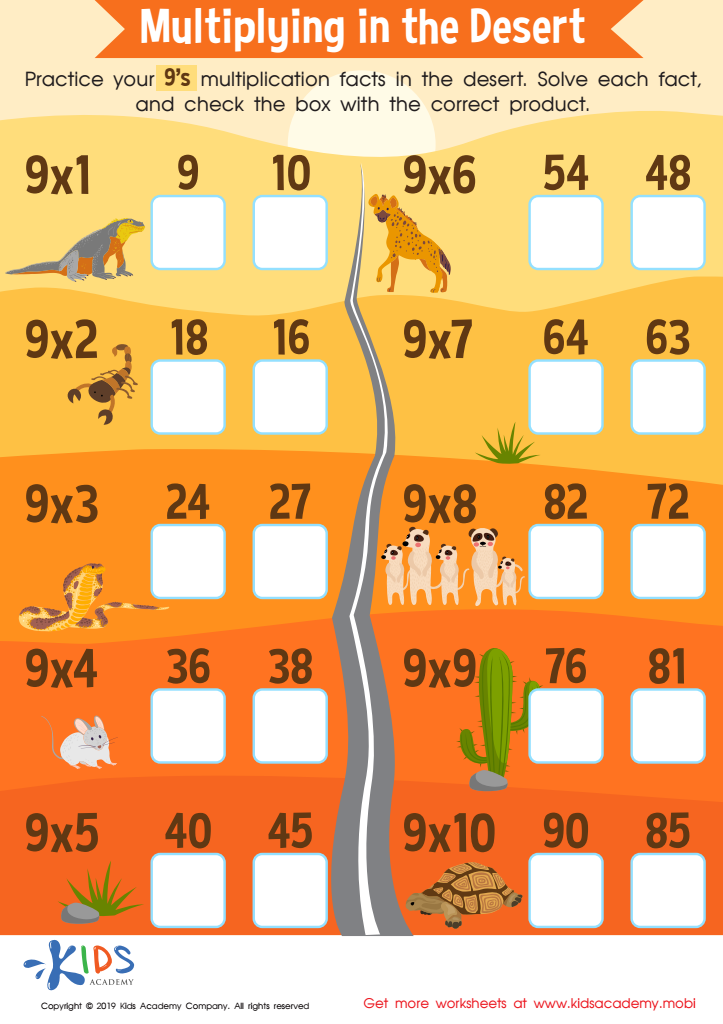
Multiplying in the Desert Worksheet
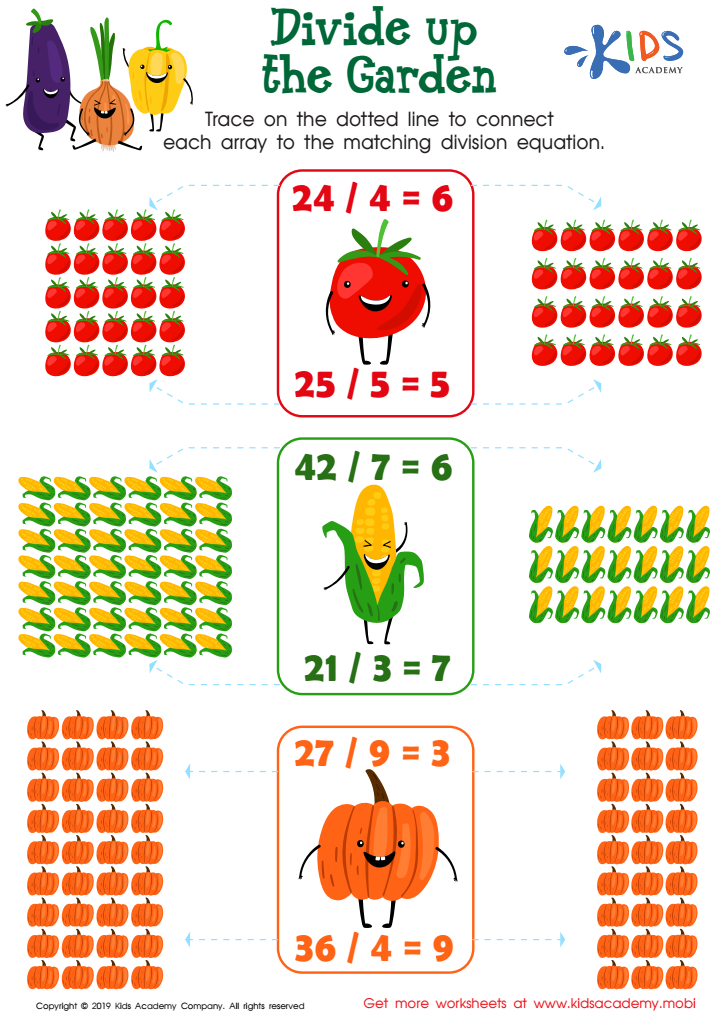
Divide up the Garden Worksheet
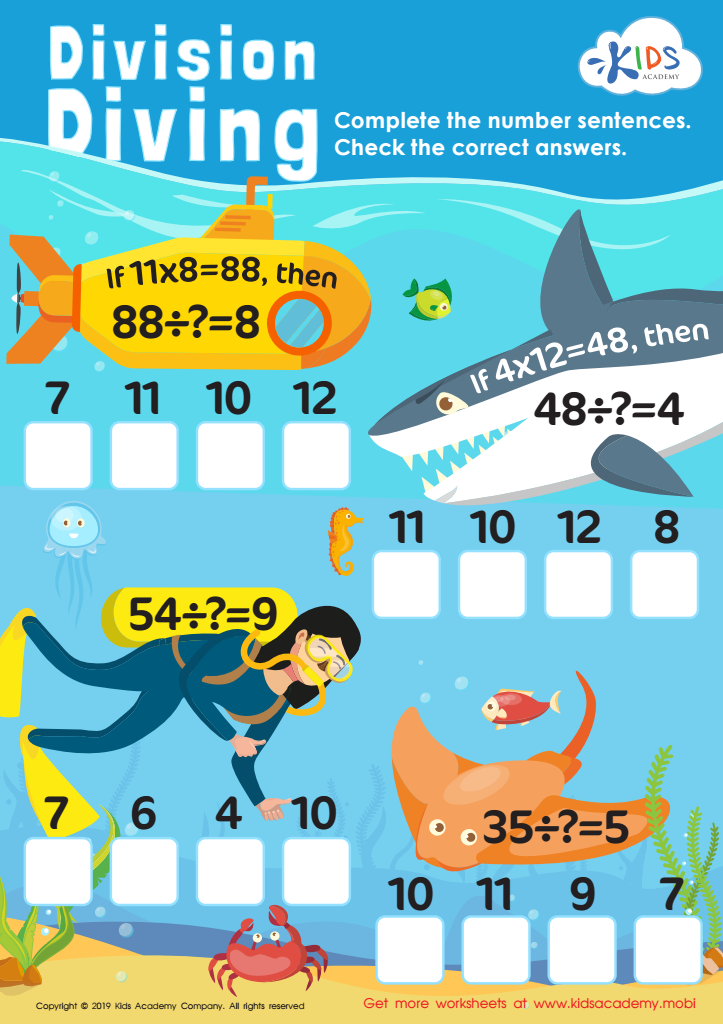
Division Diving Worksheet
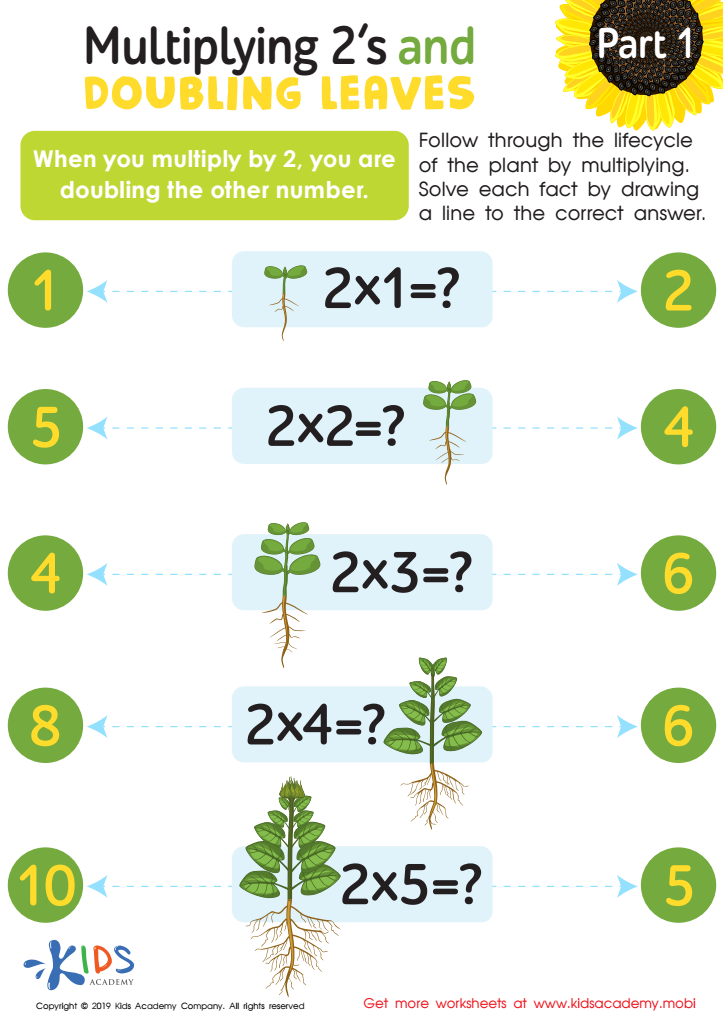
Multiplying 2’s and Doubling Leaves Part 1 Worksheet



Parents and teachers should care about developing problem-solving skills in Grade 3 students, particularly in the context of plants and animals, for several reasons. At this stage, children are honing critical thinking abilities that will serve them throughout their educational journey and beyond. Engaging with issues related to plants and animals encourages students to observe, hypothesize, and explore different solutions, fostering a sense of inquiry.
Understanding plants and animals also enriches children’s knowledge about ecosystems, biodiversity, and environmental responsibility. Teaching students to identify problems—such as conservation challenges or the impact of human actions on wildlife—translates to broader lessons about empathy and stewardship. Furthermore, problem-solving activities promote teamwork, as students often work in groups, strengthening their social skills and ability to communicate effectively.
These skills are foundational, laying the groundwork for future subjects like science and math, which demand analytical thinking and creativity. Moreover, children who are encouraged to tackle problems head-on are likely to grow into adaptable and resilient individuals. Therefore, both parents and teachers should prioritize problem-solving skills in the curriculum, understanding that they cultivate not only intelligence but also the values necessary for responsible global citizenship.