Cultural awareness World Around Us Worksheets
3 filtered results
Difficulty Level
Grade
Age
-
From - To
Subject
Activity
Standards
Explore our "Cultural Awareness World Around Us Worksheets," designed to help young learners understand and appreciate the diverse cultures that enrich our global community. These engaging worksheets encourage children to investigate various cultural elements, such as customs, traditions, and societal norms. Through fun activities and interactive exercises, kids will enhance their knowledge and appreciation of different perspectives while developing empathy and respect for others. Ideal for early grade classrooms, these resources support cultural education and promote global citizenship. Help your students embark on a journey of discovery and celebrate the vibrant mosaic of cultures that shape our world today!
Favorites
With answer key
Interactive
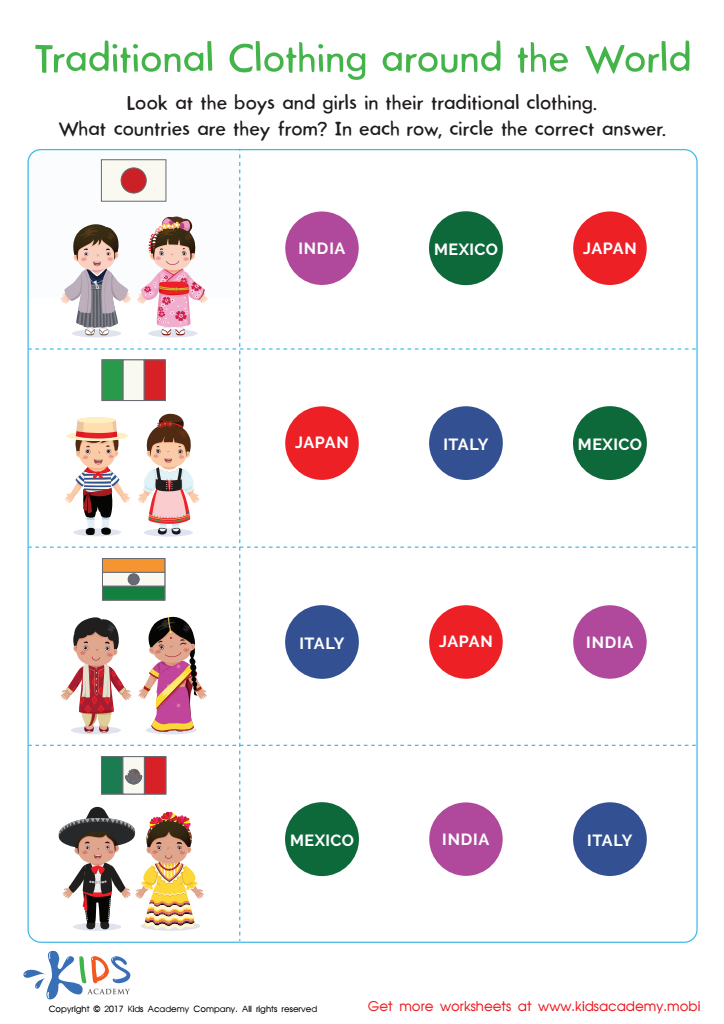
Traditional Clothing Worksheet
Introduce your child to cultures around the world with this illustrated traditional clothing printable worksheet! It will help them to recognize clothing, national flags and cultures from different countries, fostering an appreciation and love for all. It's a joyful way to learn and recognize the differences of people from around the world!
 Assign to My Students
Traditional Clothing Worksheet
Worksheet
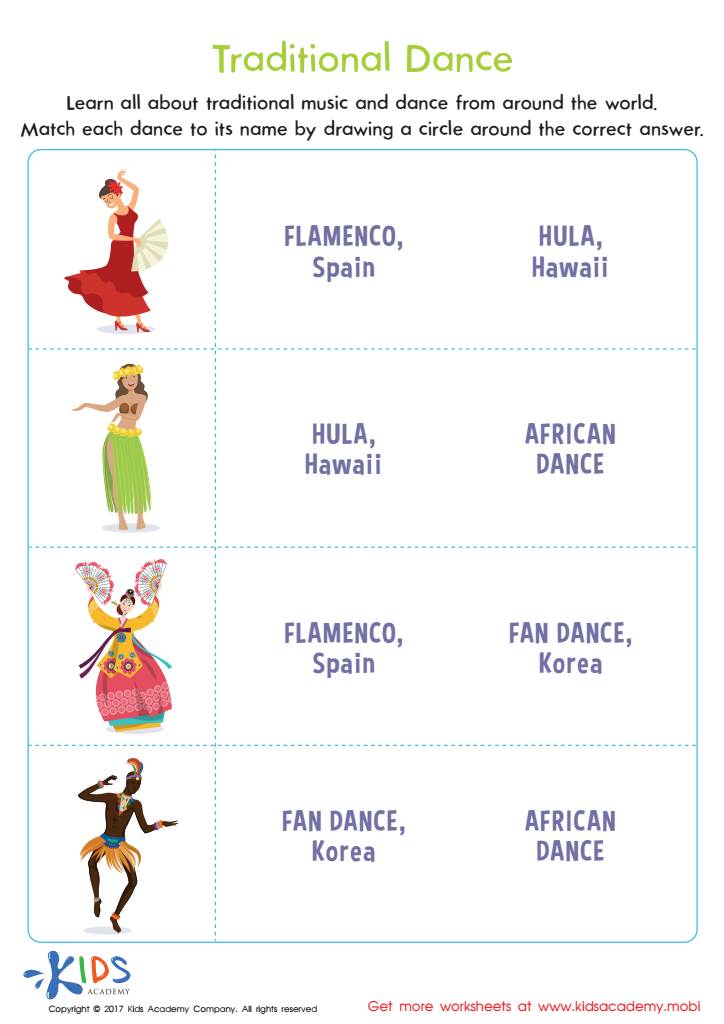
Traditional Dance Printable
Introduce your child to traditional dances from across the globe with this worksheet. They'll learn to identify dances from different cultures, use their critical thinking skills and build an appreciation for different cultures. Let’s help kids to appreciate people’s differences and explore the world with this fun, colorful worksheet.
Traditional Dance Printable
Worksheet
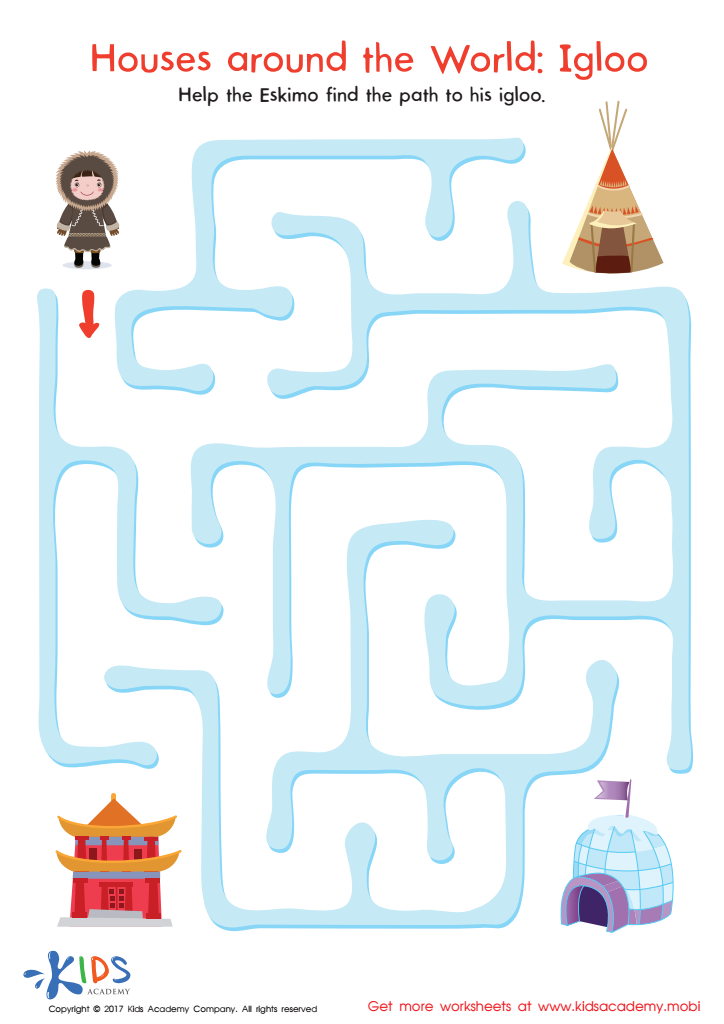
Houses Around the World: Igloo Printable
Print out the igloo maze worksheet and help the Eskimo find his way home. Along the way, you’ll discuss different types of houses. A perfect way to practice thinking skills!
Houses Around the World: Igloo Printable
Worksheet
Join Kids Academy for Free
Who is primarily going to use this learning content?





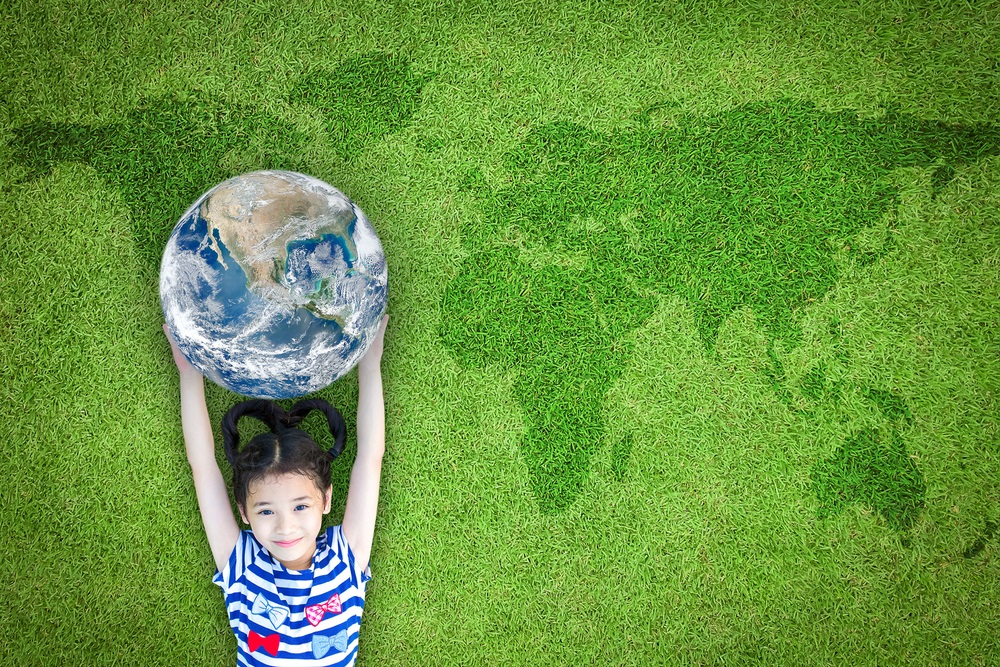

Cultural awareness in the classroom and at home is crucial for fostering an inclusive and enriching environment for children. Understanding and appreciating diverse cultures helps promote empathy, respect, and acceptance among students. As the world becomes increasingly interconnected, children will encounter peers from various backgrounds. Teaching cultural awareness equips them with the skills to navigate and appreciate these differences, ultimately preparing them for global citizenship.
Additionally, cultural awareness can enhance academic engagement. Children who see their cultures represented in the curriculum are more likely to feel valued and motivated to learn. This representation helps to invigorate discussions, fostering critical thinking as students explore perspectives beyond their own.
For teachers and parents, embracing cultural awareness ensures that they model respectful and open-minded attitudes, creating a safe space for children to express themselves. Furthermore, it helps combat prejudices and stereotypes, leading to more harmonious interactions among students. In sum, promoting cultural awareness is essential for nurturing well-rounded, empathetic individuals who appreciate the rich tapestry of human experiences, ultimately contributing to a more tolerant and understanding society. Engaging with world cultures broadens perspectives and enriches the educational experience, forming the foundation for lifelong learning and global awareness.