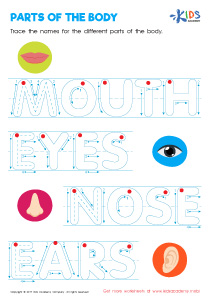
Vocabulary development World Around Us Worksheets
5 filtered results
-
From - To
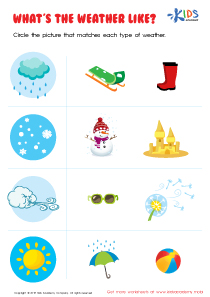
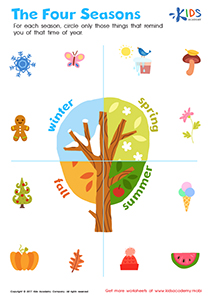
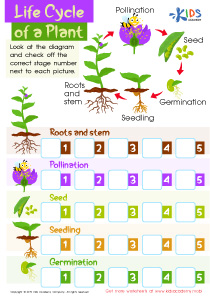
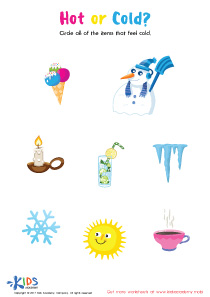
Enhance your child's vocabulary with our engaging "World Around Us Worksheets"! Designed for early learners, these printable resources provide a fun and interactive way to explore and expand vocabulary related to their surroundings. Each worksheet features colorful illustrations and age-appropriate activities that challenge kids to identify, label, and use various words in context. Whether in the classroom or at home, these worksheets promote language development, critical thinking, and a love for learning. Perfect for parents and teachers, these materials will encourage children to connect words with the amazing world they inhabit. Unlock the joy of words today!
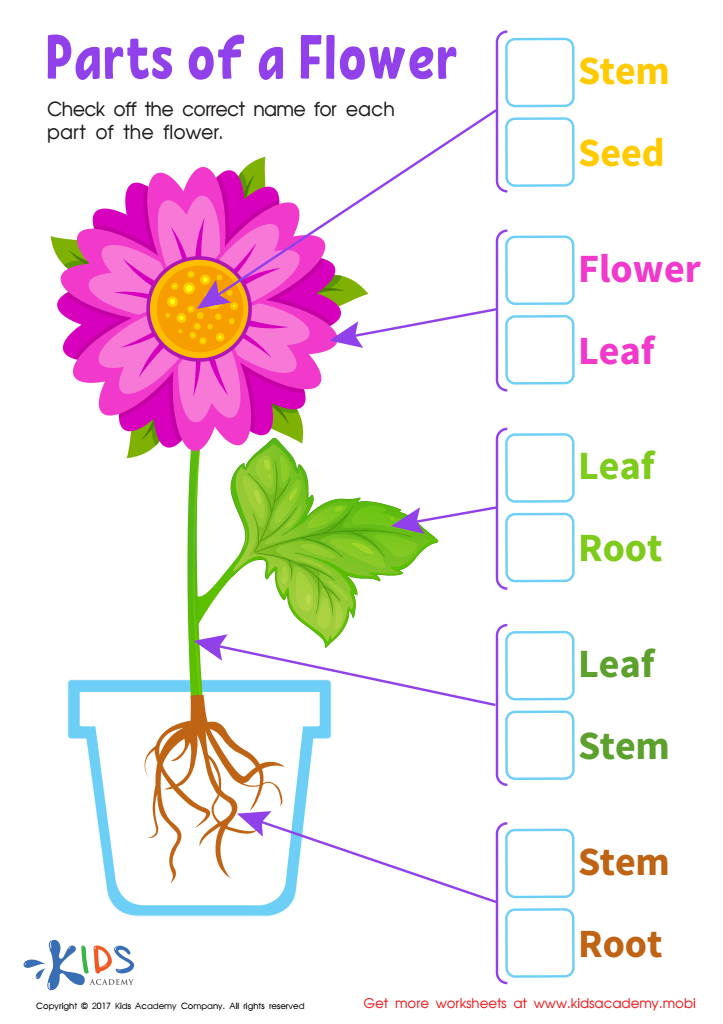
Parts Flower Printable
 Assign to My Students
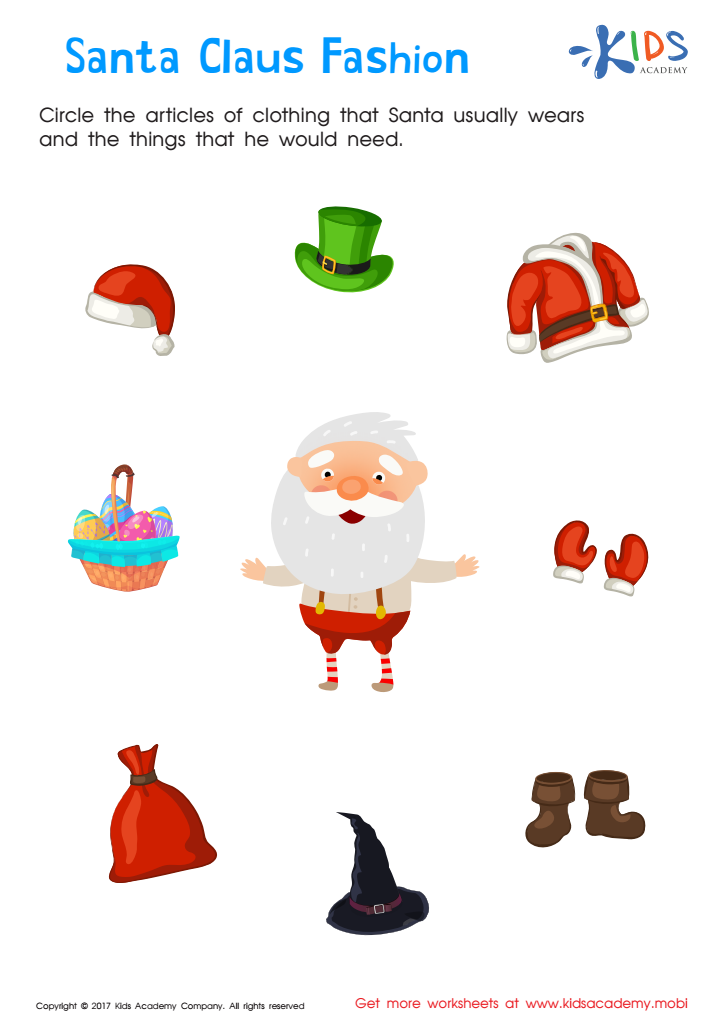
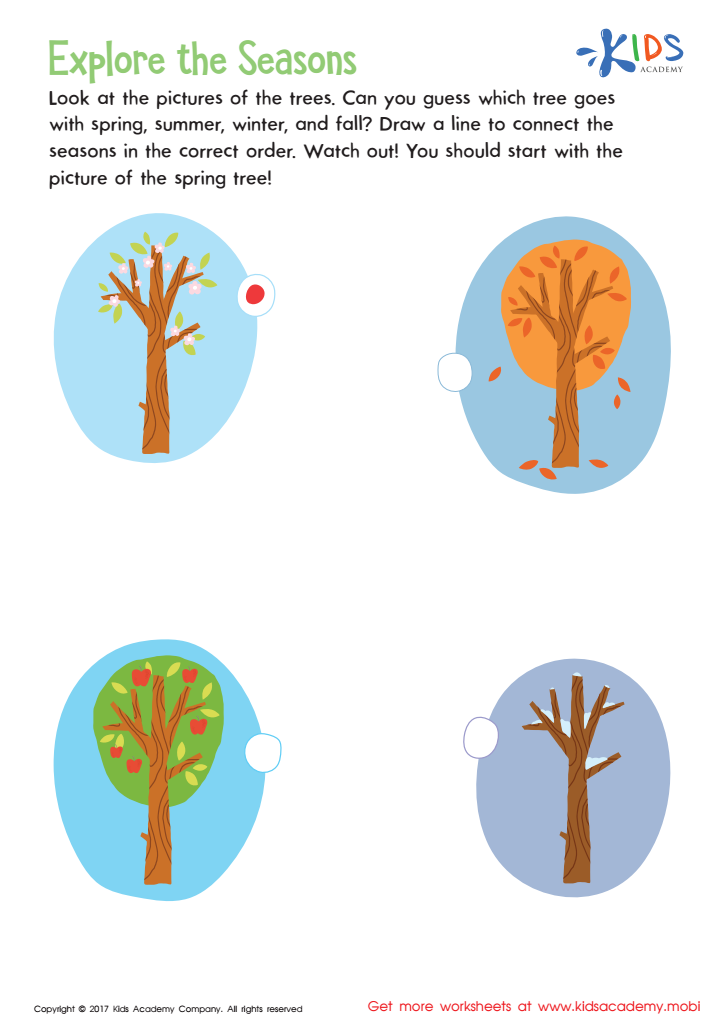
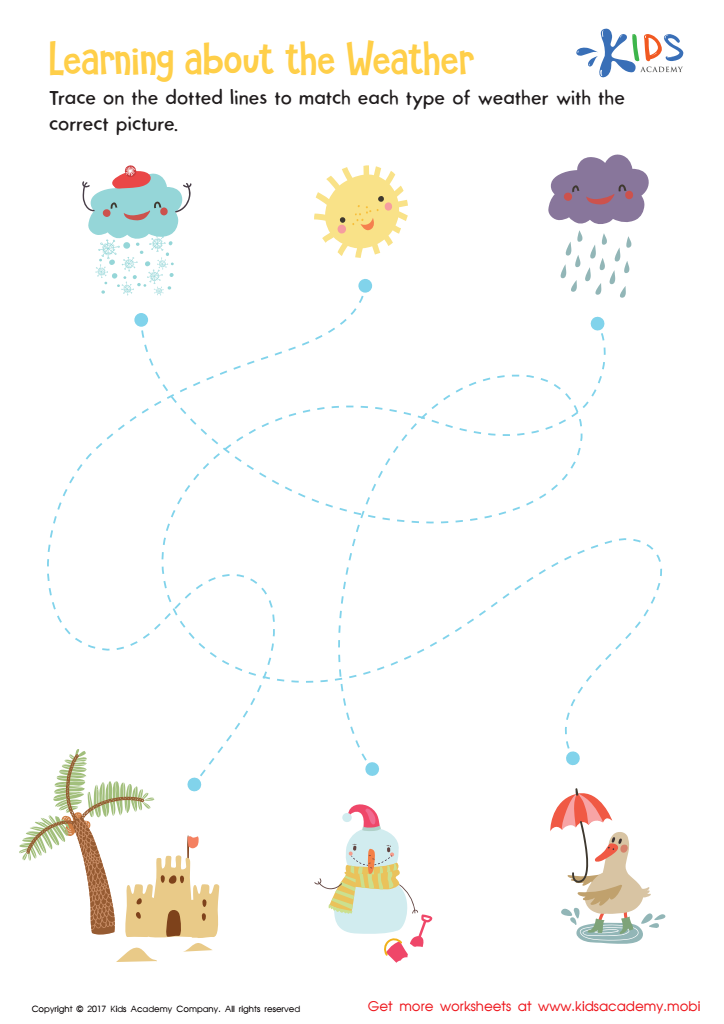
Explore the Seasons Worksheet
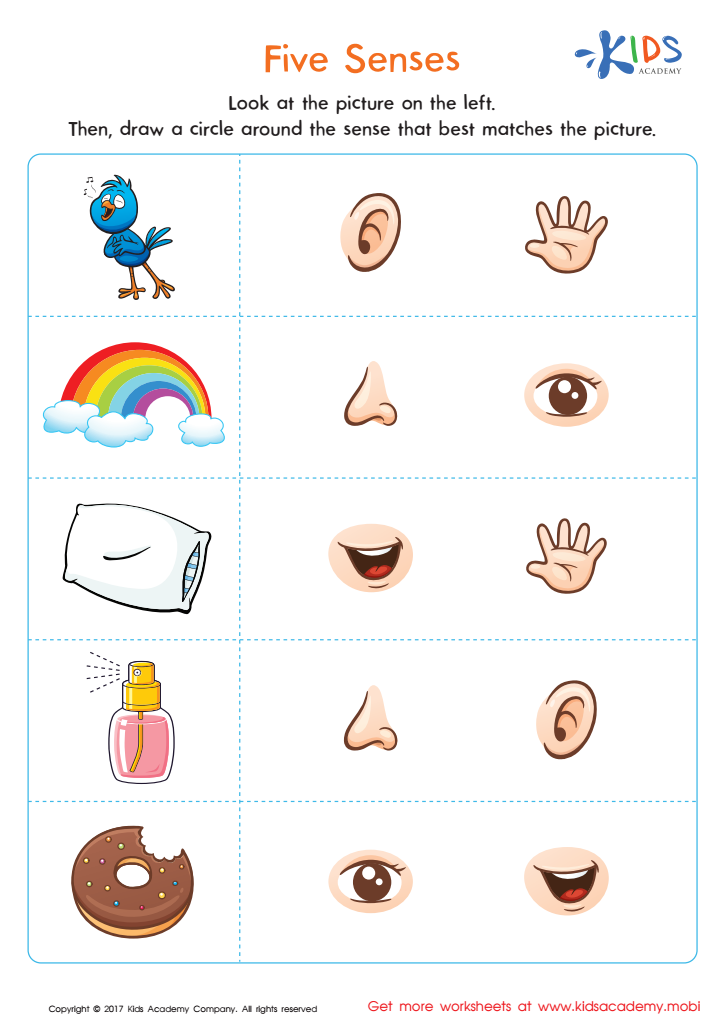
Five Senses Printable


.jpg)




Vocabulary development is crucial for children's overall education and personal growth, particularly in understanding the world around them. A robust vocabulary enables children to communicate effectively, express their thoughts and feelings, and engage meaningfully in conversations. It also enhances reading comprehension, allowing them to connect ideas, understand contexts, and respond critically to literature and information they encounter.
As children explore various subjects, a rich vocabulary aids in expressing scientific concepts, historical events, and cultural narratives, linking their experiences to a broader understanding of society. This contributes to their analytical thinking and problem-solving skills as they learn to articulate their viewpoints and reason through complexities in daily life.
Furthermore, vocabulary development plays a critical role in fostering self-esteem and confidence. Children who are better equipped with language skills are more likely to participate in classroom discussions, forming connections with classmates, and developing social skills. Parents and teachers should prioritize vocabulary development through engaging activities, reading together, and encouraging open dialogues. By doing so, they empower children to navigate the world self-assuredly, equipping them with the tools to thrive academically and socially, thus bridging their understanding of their environment. This investment in vocabulary ultimately leads to improved educational outcomes and lifelong learning.